Expandrack
Global Industrial Stacking Systems: Macro-Economic Context & Demand
Analyzing spatial footprint parameters, distribution bottlenecks, and safety integrations shaping global supply chains.
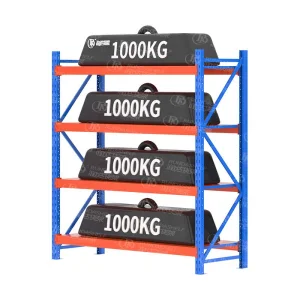
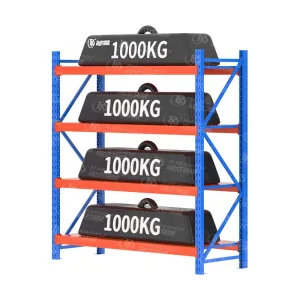
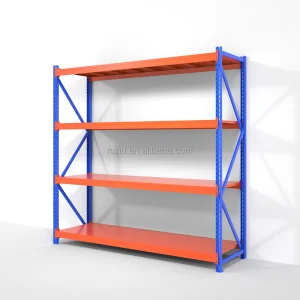
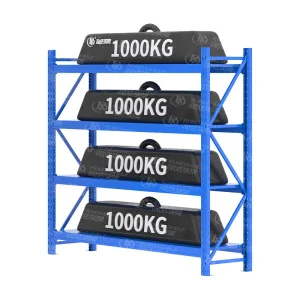
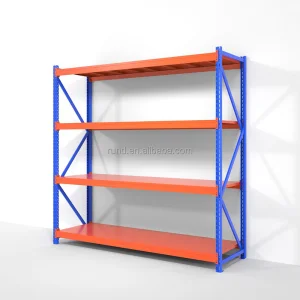
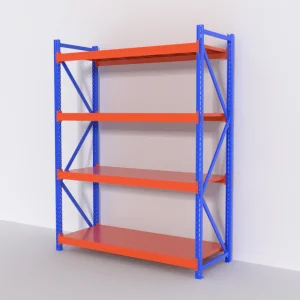
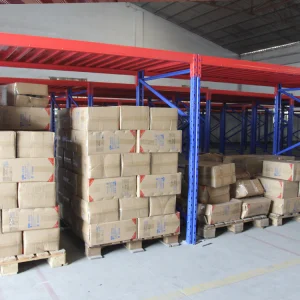
In the era of rapid logistics distribution, vertical spatial utility has transitioned from a structural option to a critical micro-economic survival factor for manufacturers, distributors, and logistics hubs globally. According to recent supply chain reports, structural density optimizations in modern storage facilities can reduce overall warehouse operating expenses (OPEX) by up to 28%. Industrial stacking racks and heavy structural shelves represent the backbone of this storage efficiency revolution, serving sectors ranging from heavy mechanical parts storage to temperature-sensitive pharmaceutical storage vaults.
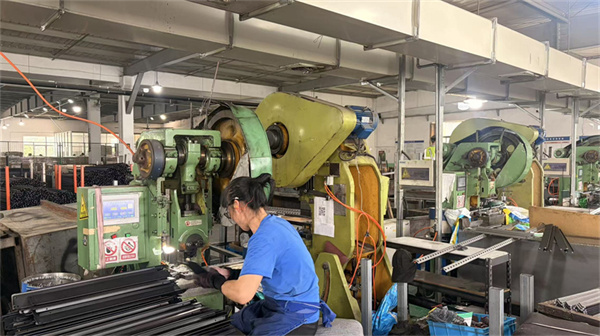
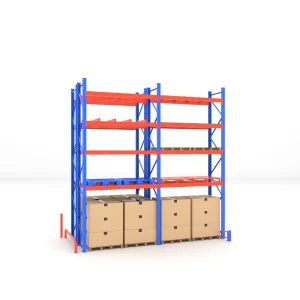
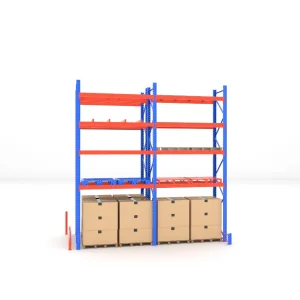
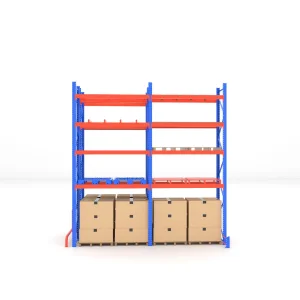
As real estate acquisition costs climb across major trade routes in North America, Western Europe, and East Asia, high-capacity stacking systems provide an essential alternative to lateral footprint expansion. These modular systems allow facilities to utilize previously wasted overhead clearance, safely stacking loaded pallets three, four, or five units high. The engineering challenges associated with these dynamic structures demand a sophisticated understanding of load distribution dynamics, material physics, seismic site parameters, and precision fabrication processes.
Dynamic Modular Space
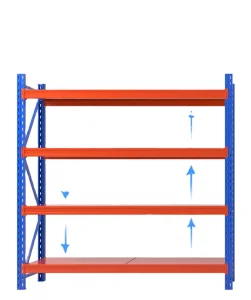
Flexible warehouse modular configurations allow for structural adaptation as business lines shift. Scalable, tool-free locking adjustments and quick repositioning ensure rapid layout transitions.
Severe-Environment Durability
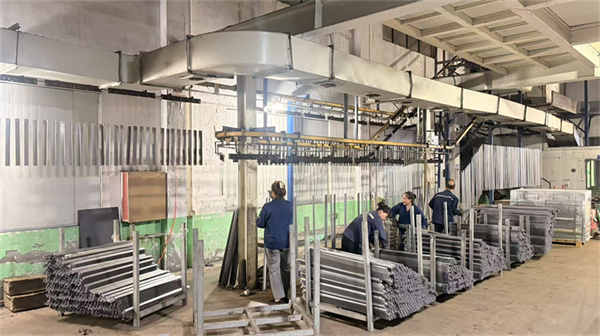
Powder-coated surfaces and galvanized steel coatings protect structural items from rust in cold storage rooms, outdoor yards, and high-humidity manufacturing hubs.
High Density Integration
Accommodate multiple load orientations and high-density racking models (VNA, Radio Shuttle, Double-Deep) to lower cost per pallet slot while maintaining safe logistics cycles.