Engineered for structural durability, retail ergonomics, and optimized customer experiences.
In the contemporary retail paradigm, the supermarket shopping cart has evolved far beyond a basic wire basket on wheels. It represents a vital tactile interface between the consumer and the store environment. For hypermarket conglomerates, retail supply chain executives, and hardware logistics networks, the efficiency of shopping cart fleets directly correlates with customer dwell time, average basket value, and overall operational efficiency.
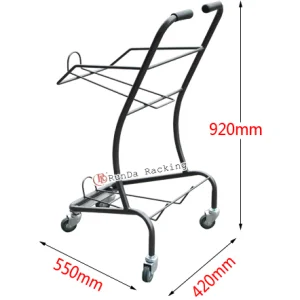
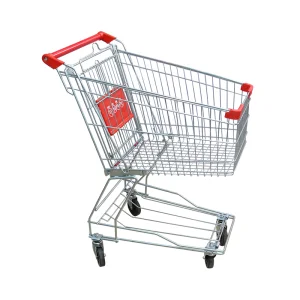
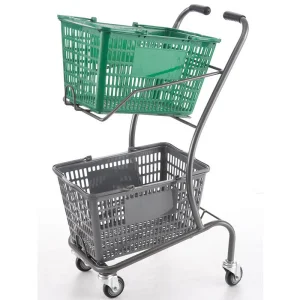
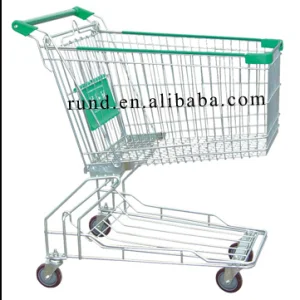
Macroeconomic shifts, including the transition toward urbanized micro-malls, omni-channel grocery delivery nodes, and the rise of automated warehouses, have diversified shopping cart specifications. Global retail operators now demand products with distinct local configurations—whether it be the space-optimized double-basket systems of Japan, the high-capacity, robust steel chassis required in North America, or the highly maneuverable, nesting designs prevalent in Australia.
Furthermore, sustainability mandates, corrosion prevention, and cart-loss mitigation remain top-tier procurement hurdles. Forward-thinking manufacturers must address these challenges through specialized engineering, precision automated roll-forming, and advanced multi-stage electroplating and powder coating techniques.
Analyzing shopper interaction paths to optimize basket heights, nesting depths, and child seat safety mechanisms.
Utilization of high-grade zinc plating coupled with organic clear coats to combat high-humidity hypermarket zones.
TPR and polyurethane quiet caster wheels integrated with dust protectors and precision ball bearings to reduce roll resistance.
Technologically Advanced Manufacturing Solutions & Industrial Racking Systems
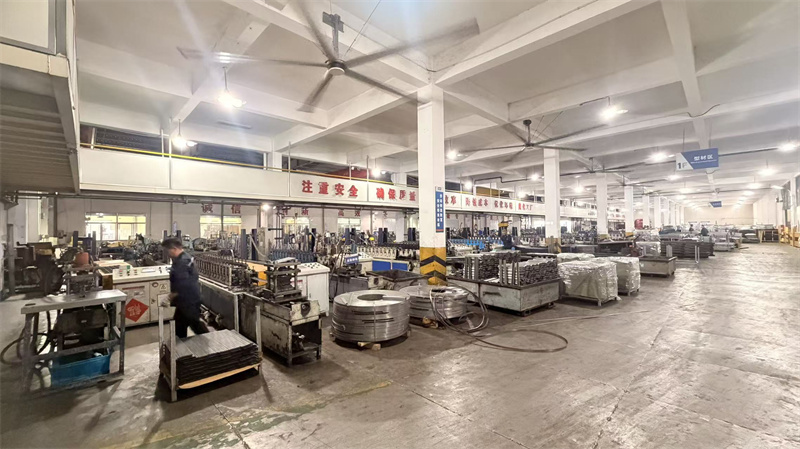
Founded in 2016, Suzhou Expandrack Logistics Equipment Co., Ltd. is a technologically advanced manufacturer specializing in heavy-duty selective pallet racking, drive-in systems, and automated rack-supported warehouse structures. Backed by 10 years of deep industry expertise and 7 years of seamless international trade background, Suzhou Expandrack operates out of a modern 42,000-square-meter production complex in Suzhou, China. Driven by rigorous international standards, our company reaches an annual export revenue exceeding USD 36.0 million.
Our global market presence spans Southeast Asia, the Middle East, South America, and Eastern Europe. Leveraging a resilient supply chain of over 850 strategic material and hardware partners, Expandrack delivers end-to-end storage and retail equipment solutions tailored for diverse commercial sectors. Our main customer types include industrial material handling distributors, retail logistics hubs, pharmaceutical storage managers, and automotive assembly lines.
Our manufacturing plant operates under stringent ISO 9001:2015 and RMI (Racking Manufacturers Institute) protocols. The facility houses a specialized laboratory managed by 32 senior QC inspectors to ensure zero-defect output. Our rigorous material validation includes:
At Expandrack, innovation underpins every racking and supermarket utility system we deploy. Our technical center is staffed by 42 specialized structural engineers who design space-optimizing racking layouts with enhanced safety margins. Last year alone, the R&D department introduced 120 new standard components and structural accessories to the market. Customization configurations include:
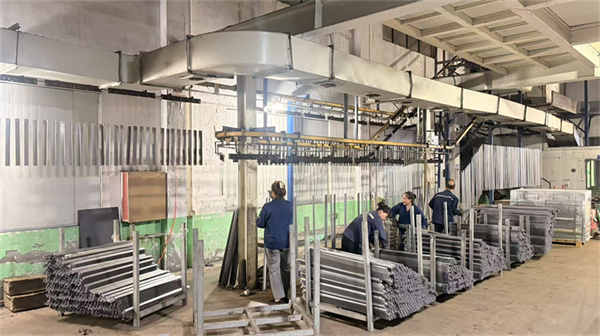
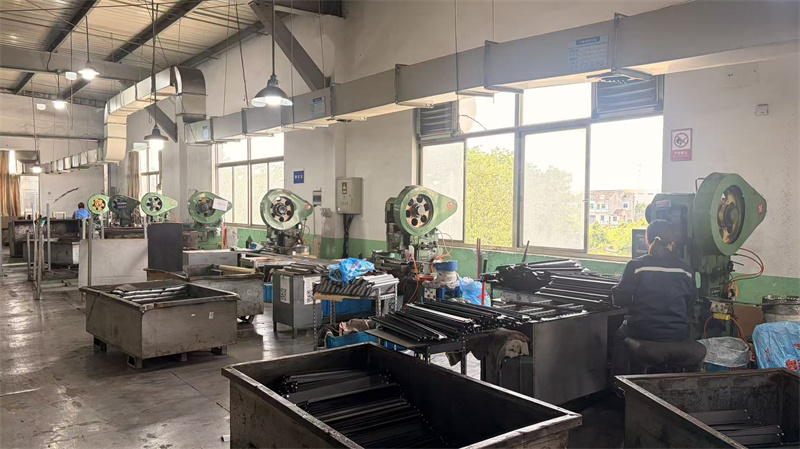
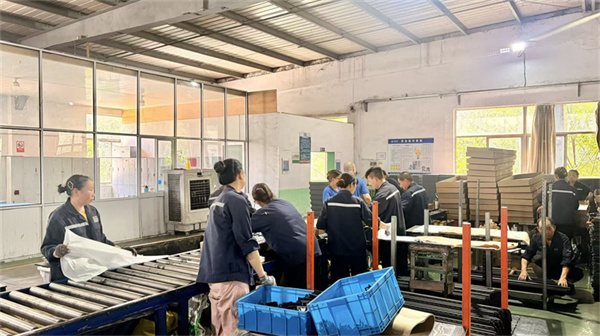
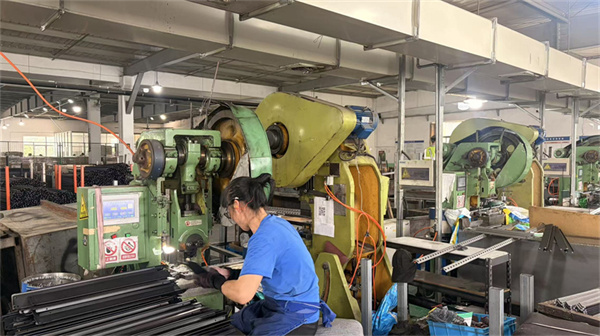
Every step of our process—from shearing raw steel to the final packaging stage—is monitored under ISO 9001:2015 standards to guarantee structural reliability.
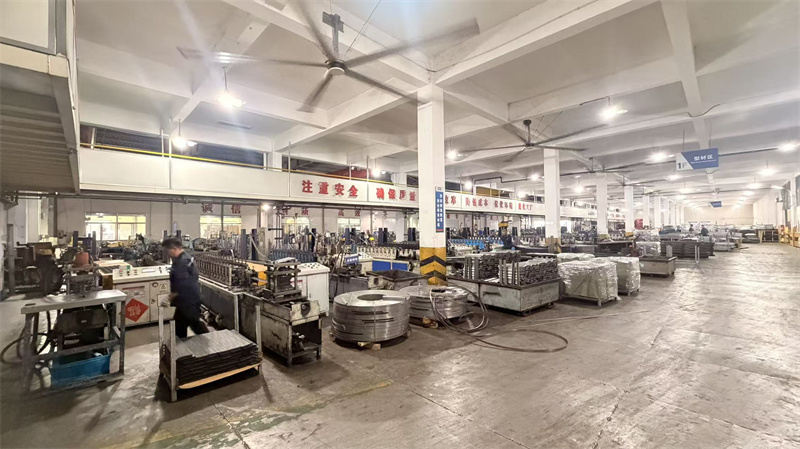
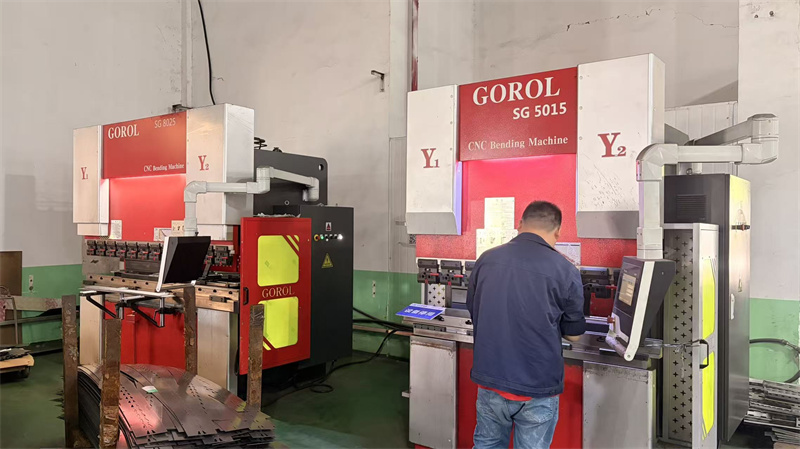
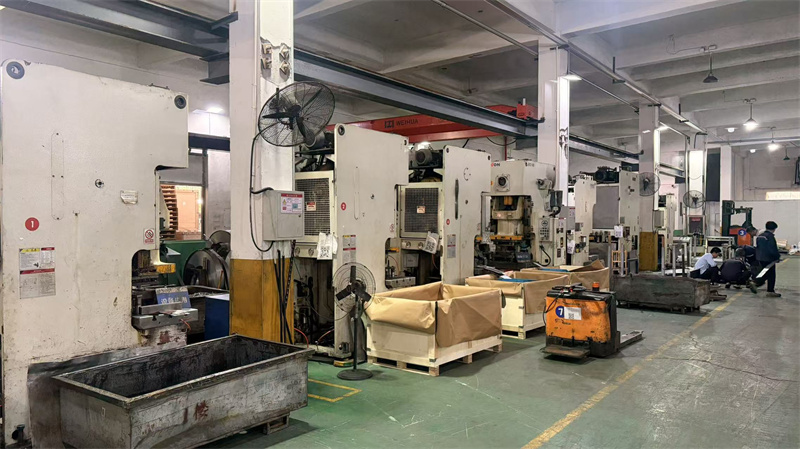
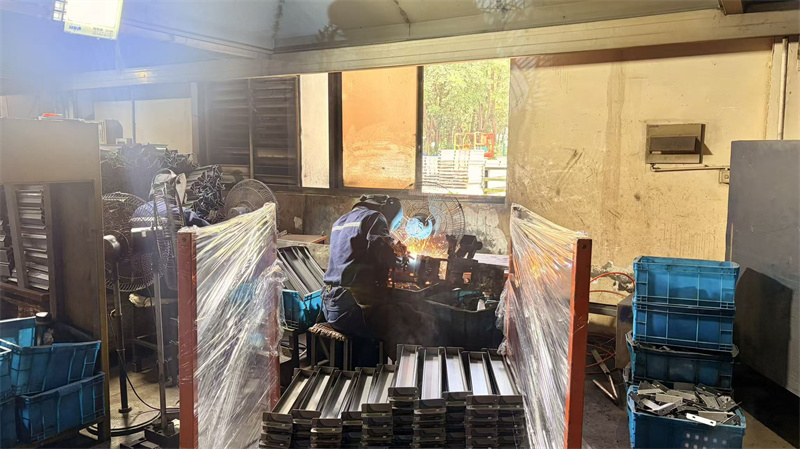
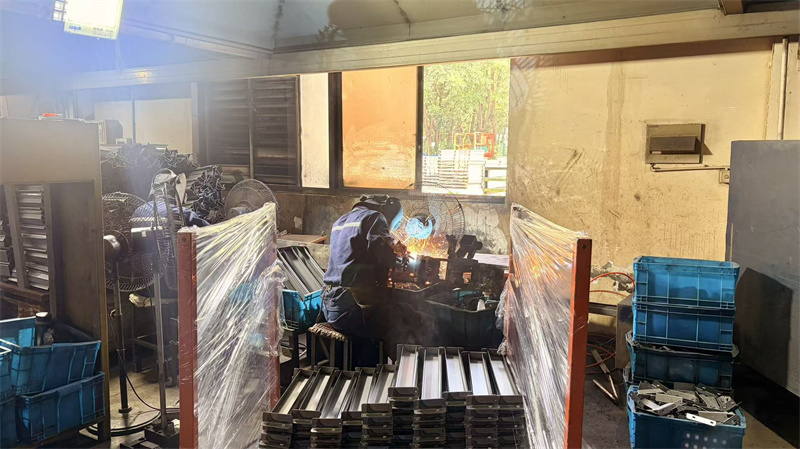
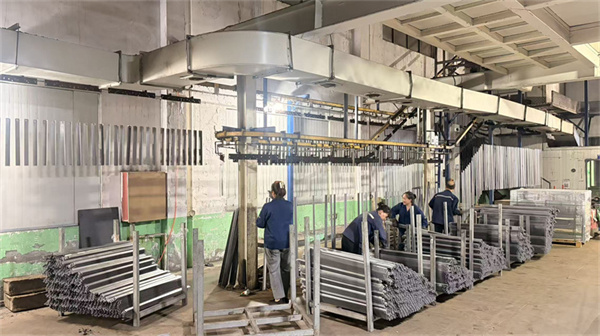
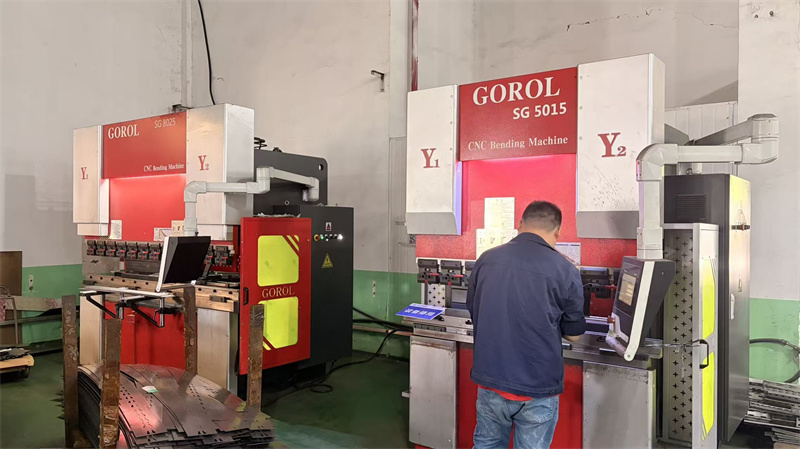
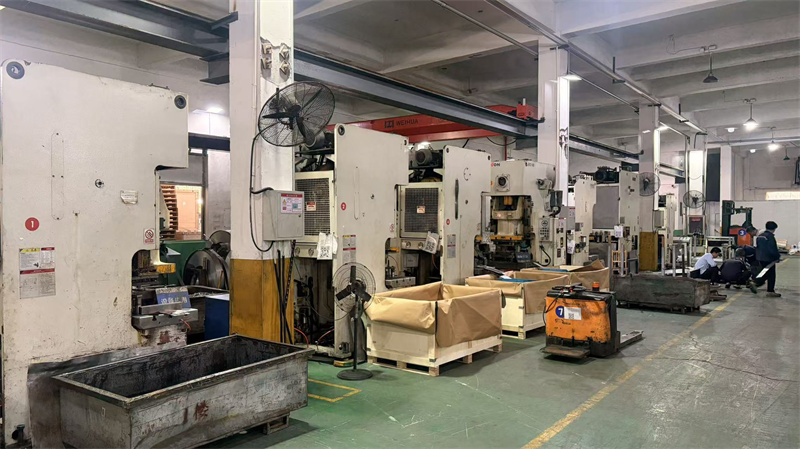
Innovating the next generation of smart retail transportation assets.
The supermarket cart industry is undergoing a digital and materials revolution. In our multi-year R&D plan, Suzhou Expandrack is focusing on two primary industry trends: IoT-based asset tracking and eco-friendly circular materials.
1. Smart Cart Integration (IoT & RFID): In modern logistics, keeping track of store equipment inventory prevents shrink and optimizes distribution. Our upcoming line features handle-embedded RFID tags and Bluetooth low-energy (BLE) beacons. These chips communicate with store-wide sensors to track shopper navigation patterns, helping retail visual merchandisers optimize layout configurations.
2. Eco-Friendly Circular Polymers: In line with ESG (Environmental, Social, and Governance) targets of major global hypermarkets, our plastics engineering team is expanding the use of marine-bound and recycled post-consumer plastics. By blending these plastics with virgin high-density polyethylene (HDPE), we produce durable, high-impact shopping baskets and cart tubs that maintain structural integrity while reducing carbon footprints by up to 35%.
Real-time fleet tracking and cart pathing optimization via integrated beacons.
Specialized wheel mounts engineered to keep cart noise below 55 decibels in-store.
Automatic locking wheels that engage at perimeter boundaries to minimize stock loss.
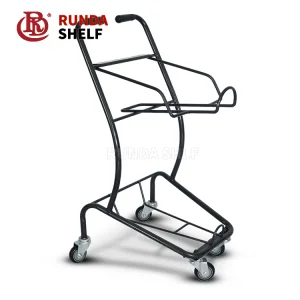
Curved handle configurations designed to lower muscle strain during high-load cart operation.
How we streamline container loading, reduce sea freight costs, and manage international import customs.
For international retail hardware importers and wholesale distributors, shipping cart freight costs can sometimes exceed production costs if shipping volumes are not carefully optimized. At Expandrack, our shipping and logistics coordinators design nesting sequences that maximize container density.
By nesting our carts at a tight pitch, we load up to 20% more units per 40-foot HQ container than standard packing configurations. This structural nesting approach directly lowers the shipping cost per cart. Additionally, our proximity to the Port of Shanghai ensures efficient transit times and seamless custom documentation support for major trade regions worldwide.
Suzhou's industrial location provides fast road transport to major deep-water shipping lanes in Shanghai.
We supply accurate HS Code classifications (e.g., 8716.80) along with CO, Form E, or Form F documents to optimize regional import tariffs.
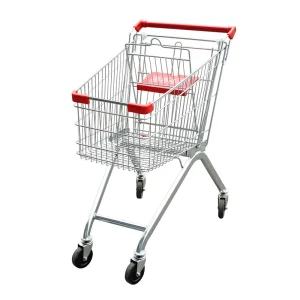
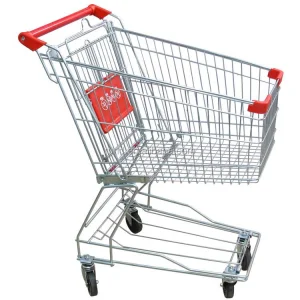
Precision-bent frames allow carts to nest together tightly, maximizing volume in overseas shipping containers.
In-depth insights into shopping cart engineering, materials selection, and international supply chain management.
For environments with high humidity or coastal air, we recommend our zinc-plated coating topped with an organic clear polyester powder coat. This double-layer coating provides up to 500 hours of salt spray resistance in ASTM B117 testing, outlasting standard chrome finishes and protecting against corrosion.
Our casters undergo extensive testing, including continuous rolling drum tests under full loads (up to 120 kg per cart) over uneven surfaces. We use high-grade polyurethane (PU) or thermoplastic rubber (TPR) treads with sealed precision ball bearings to keep the wheels rolling smoothly and quietly.
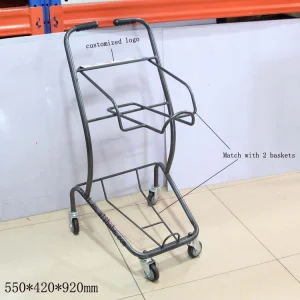
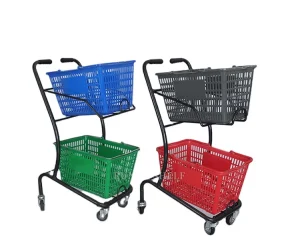
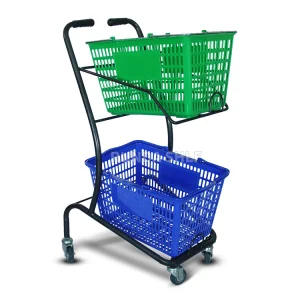
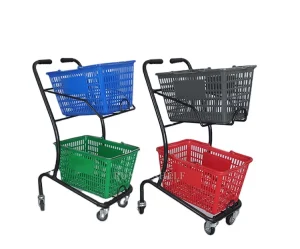
Yes. We engineer and manufacture regional designs, including deep-basket Australia-Style carts, shallow wire-shelf Japanese-Style trolleys with separate hand baskets, and dual-layer convenience store carts. Our engineering team can adapt wire gauges, nesting spacing, and plastic accessories to fit your brand identity.
Our standard production lead time is 25 to 30 days from raw material confirmation to loading. With automated wire bending machinery, robotic welding arms, and a continuous powder-coating line, we maintain consistent output schedules for high-volume rollouts.
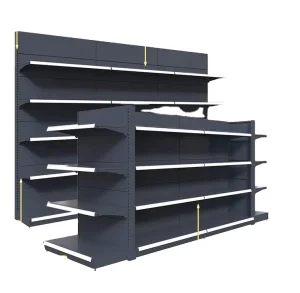
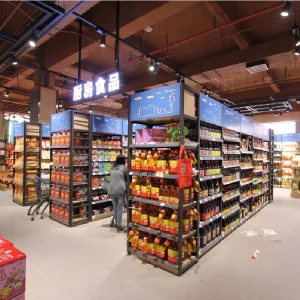
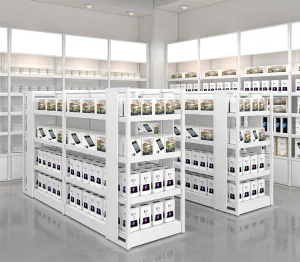
Complete store solutions, including heavy-duty displays and specialized utility carts.
 Expandrack