Select heavy-duty warehousing systems optimized for load integrity, space configuration, and rapid cargo handling.
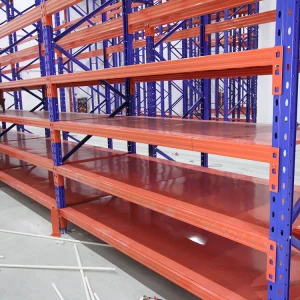
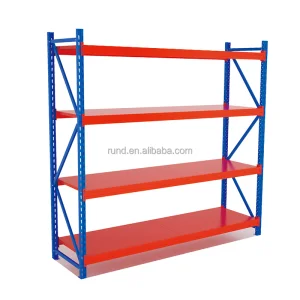
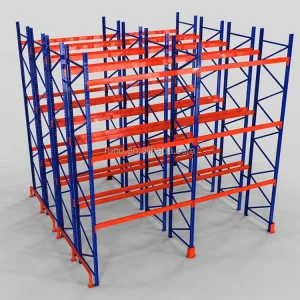
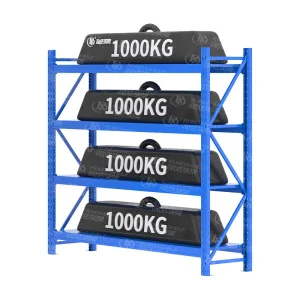
Faced with astronomical real estate costs and highly constrained land availability, industrial warehouse operators across the San Francisco Bay Area (spanning South San Francisco, Oakland, and Richmond) must prioritize vertical space optimization.
Traditional horizontal floor storage is no longer economically viable. Standard warehousing facilities in the region are actively transitioning to high-density stacking racks, multi-tier mezzanine platforms, and automated selective pallet racking systems to maximize spatial efficiency.
Moreover, northern California's strict environmental regulations, green initiative goals, and intense seismic activity require structural designs that go far beyond standard warehouse racking. Industrial facilities need robust steel configurations capable of mitigating risk while maintaining continuous throughput.
Seismic Risk Mitigation: Located near major fault lines (San Andreas & Hayward), industrial structures demand robust anchorages, heavy-duty baseplates, and calculated bracing schedules.
High Real-Estate Costs: Skyrocketing cost per square foot requires optimizing narrow-aisle (VNA) designs and dense vertical stacking structures.
Consult with Seismic SpecialistsSqm Production Complex
Annual Export Value
Supply Chain Partners
Senior QC Inspectors
Engineering warehouse storage solutions in California requires compliance with stringent structural codes and structural steel grade specifications.
All storage racking structures deployed in the state of California must adhere strictly to the 2022 California Building Code (CBC), specifically Chapter 16 and Chapter 22, referencing the standards defined in ASCE 7. We engineer calculations utilizing site-specific seismic coefficients ($S_{DS}$ and $S_{D1}$) to ensure system stability under lateral dynamic loads.
Our structures conform strictly to the Specification for the Design, Testing and Utilization of Industrial Steel Storage Racks published by the Racking Manufacturers Institute (RMI MH16.1). For structural member calculations, cold-formed steel sections are calculated using the American Iron and Steel Institute (AISI) design protocols.
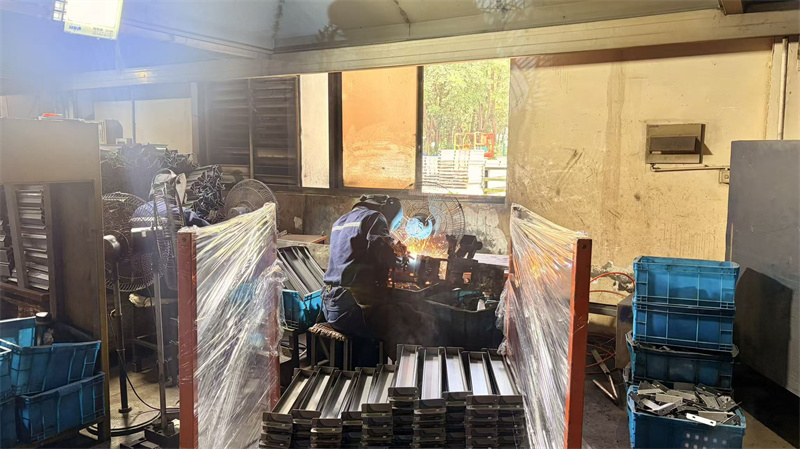
We source raw structural steel from certified mills, verifying mechanical properties to guarantee compliance with ASTM A1011 SS Grade 50 or equivalent standards. All welding is executed by certified structural welders in accordance with AWS D1.1/D1.3 (American Welding Society) standards to ensure load reliability.
| Racking Attribute | Engineering Specification | Compliance Standards Met |
|---|---|---|
| Structural Steel Grades | Q235B, Q355B, ASTM A1011 (SS Grade 50 / Yield point min 50,000 PSI) | ASTM, GB/T 1591, AISI |
| Welding Quality Control | Continuous Shielded Metal Arc (SMAW) & Gas Metal Arc (GMAW) | AWS D1.1 / AWS D1.3 Compliance |
| Seismic Anchoring Parameters | 6" x 6" (152mm x 152mm) Baseplates with dual concrete expansion anchors | CBC 2022 Chapter 16 / ASCE 7-16 |
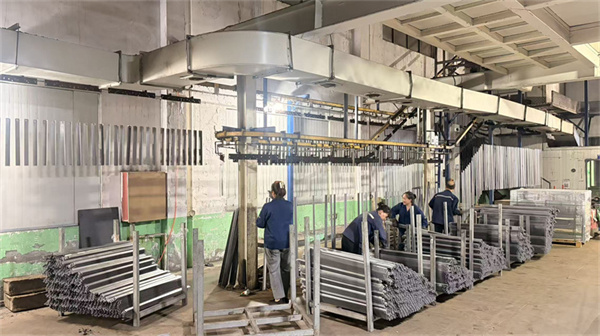
| Powder Coating Durability | Epoxy-polyester hybrid thermo-hardened dry coating, average thickness 70-90 microns | ISO 2409 Cross-Cut Tape Adhesion Test (Class 0-1) |
Tailoring specific structural pallet, cantilever, and stacking designs to meet the distinct challenges of high-growth sectors.
For operations in biotech clusters like South San Francisco, inventory control and climate parameters are paramount. Our corrosion-resistant, powder-coated steel racking components are manufactured to withstand freezing temperatures down to -30°C without undergoing ductile-to-brittle transition. Maximized vertical structural racking allows for high payload concentrations while facilitating uniform cold air circulation throughout the layout.
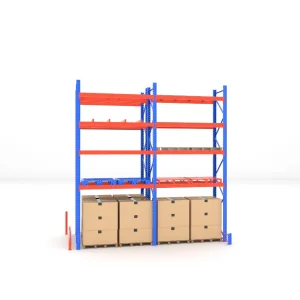
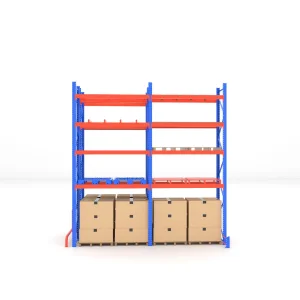
Fulfillment centers requiring rapid inventory turnarounds utilize our high-density selective pallet racking and structural steel mezzanine floors. Dynamic configurations maximize vertical space while allowing manual, hybrid, and robotic picker access, reducing travel times and optimizing cycle performance.
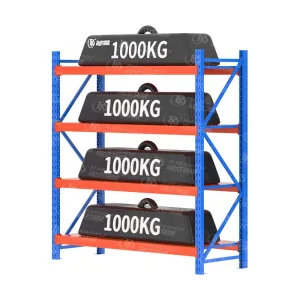
Handling bulky assemblies, engines, and heavy sheet metal demands robust, high-capacity stacking racks and heavy cantilever structures. With structural safety factors exceeding 1.5 (yielding over 3000kg load capacity per tier), these racks protect sensitive components while enabling efficient logistics movement within the facility.
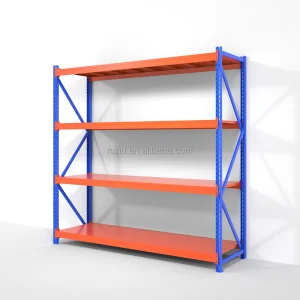
When physical expansion is restricted, our customizable multi-level structural platforms double or triple operational footprints. Fabricated using high-strength steel beams, columns, and structural decking, these systems meet local code regulations for dead and live structural floor loads.
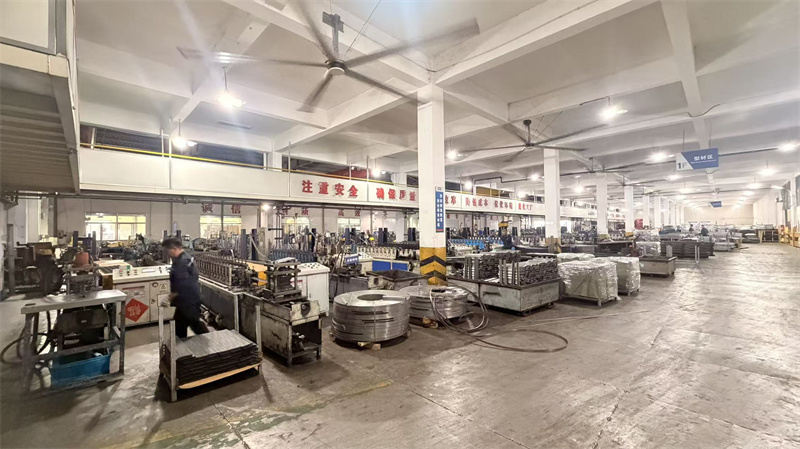
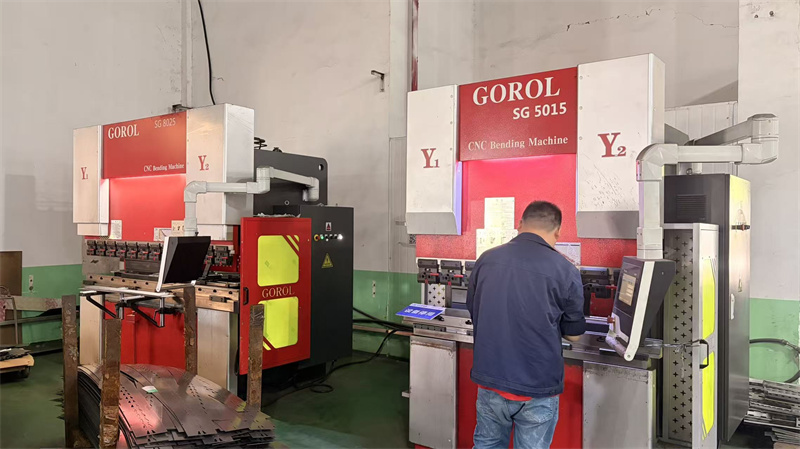
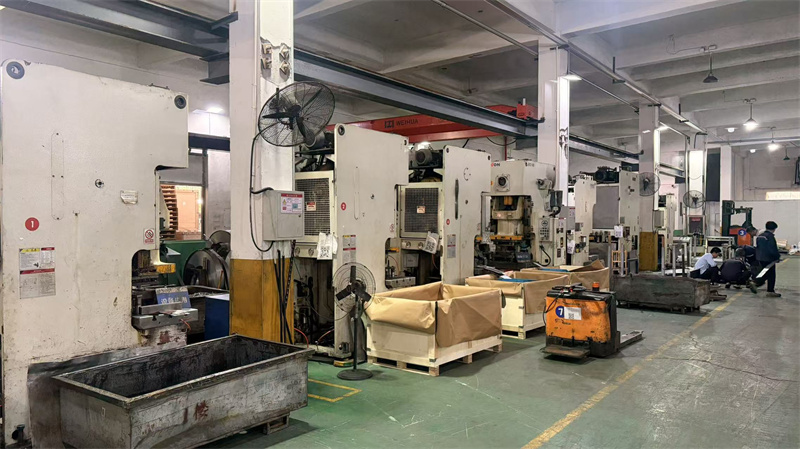
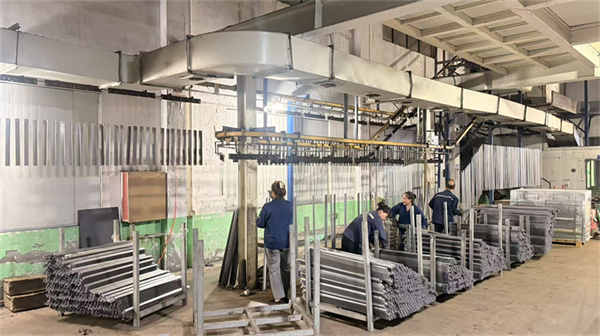
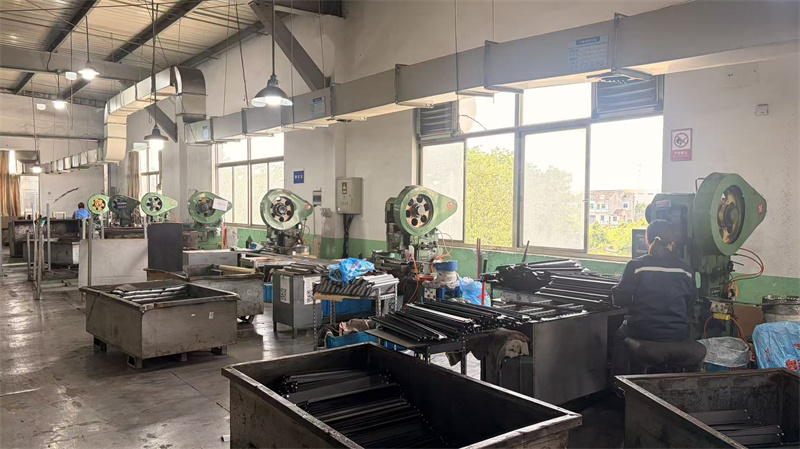
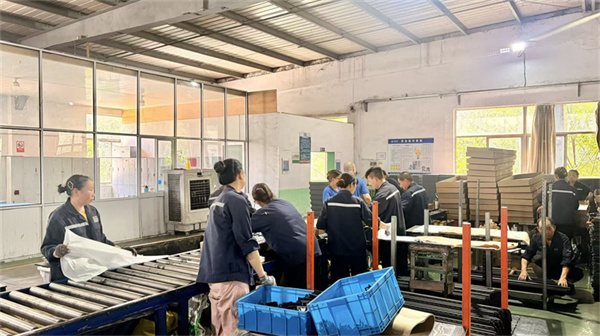
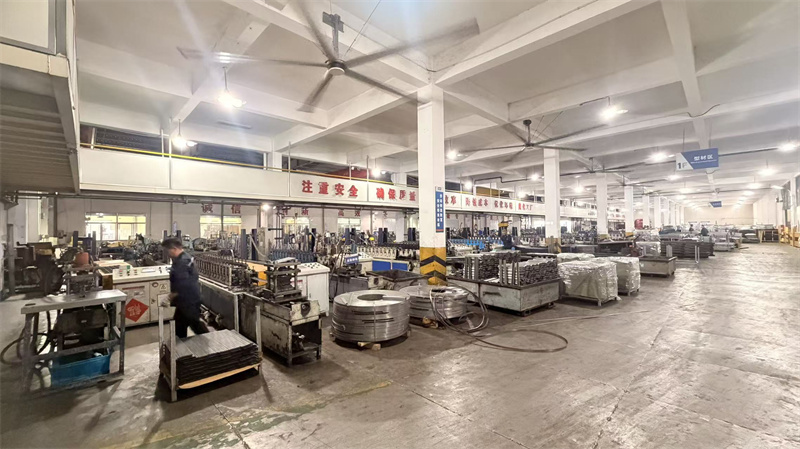
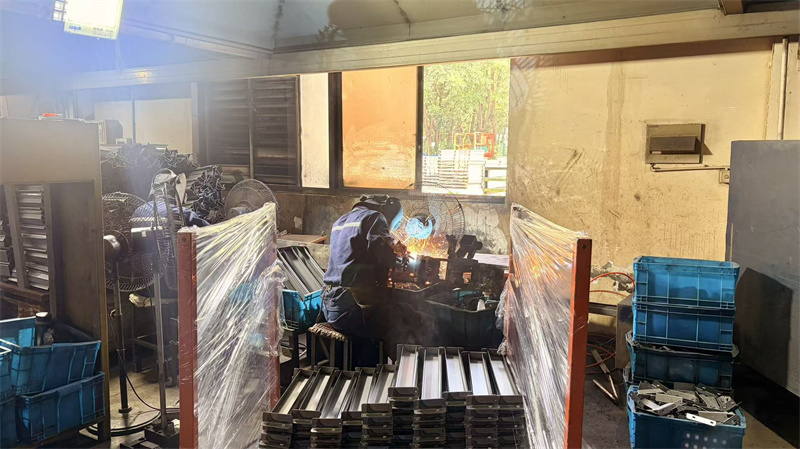
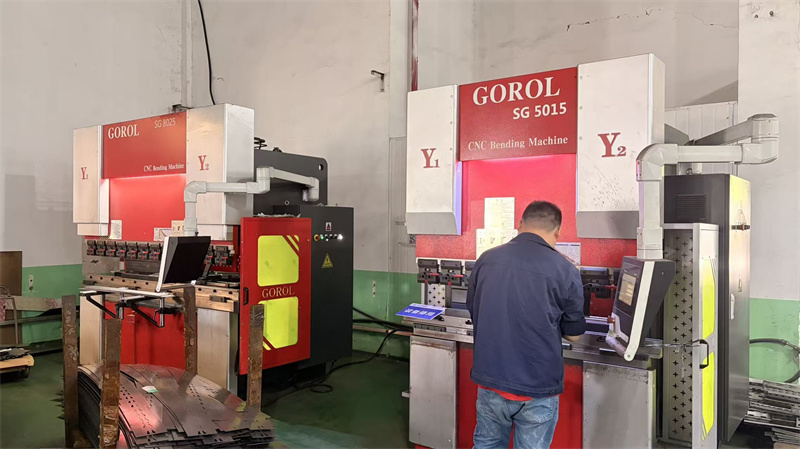
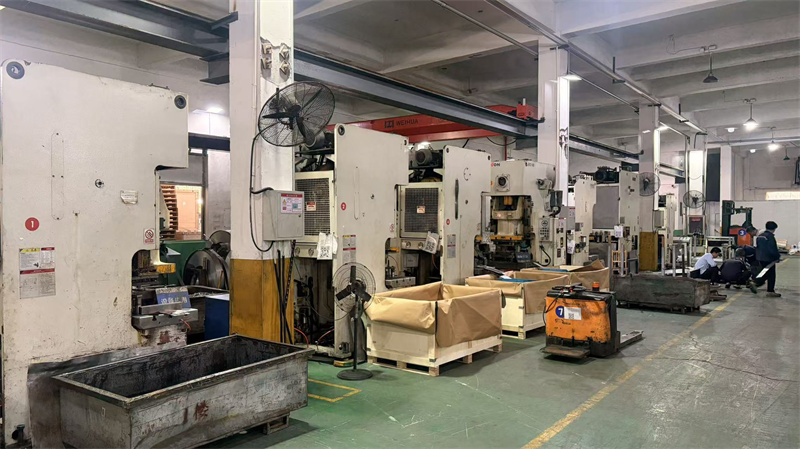
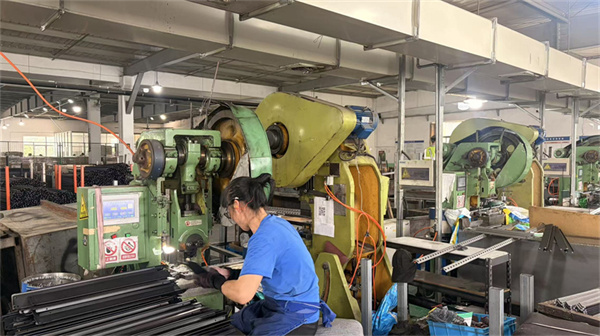
Suzhou Expandrack Logistics Equipment Co., Ltd. operates a technologically advanced 42,000-square-meter manufacturing facility in Suzhou, China. Backed by 10 years of deep engineering expertise and 7 years of seamless international trade background, we deliver global supply chain solutions directly to the San Francisco Bay Area.
By integrating automated roll-forming lines, automated laser-cutting stations, and robotized welding work cells, we ensure consistent tolerances across high-volume production runs. Our annual export revenue exceeding USD 36.0 million reflects the reliability of our logistics, export processes, and load-bearing structures.
Our Quality Assurance processes are structured to support global B2B procurement workflows, including industrial distributors and logistics managers:
Tour our advanced manufacturing process, demonstrating our commitment to quality from raw steel to export container packing.
Key considerations to streamline international logistics, customs compliance, and structural approvals.
To keep local installation projects on track, we coordinate lead times including steel fabrication, powder coating, sea transit to the Port of Oakland, and local custom clearance. Consolidating shipments helps minimize logistics costs.
We supply necessary documentation—including ocean bills of lading, packing lists, mill test certifications, and customs declarations—to facilitate entry into U.S. ports. Containers are loaded to maximize volume and protect products during transit.
We accommodate pre-shipment inspections from SGS, Intertek, or customer-appointed auditors. Quality verification documents and material certificates are compiled and delivered prior to container loading.
Industrial storage systems are evolving from static iron racks into dynamic components of integrated facility networks.
We are incorporating technology modifications into our product roadmap, design practices, and structural components. Our modern rack profiles are designed to support automated guided vehicle (AGV) systems, automated storage and retrieval systems (AS/RS), and IoT-enabled monitoring devices.
By preparing our structural components for smart sensors and telemetry, we enable future-ready racking systems that support real-time weight monitoring, structural stress alerts, and automated stock checks.
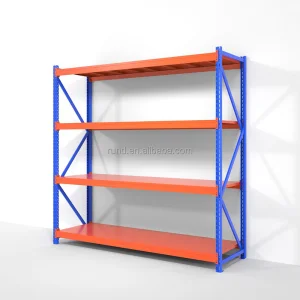
Engineered stacking solutions, storage platforms, and custom modular racks for West Coast distribution hubs.
Technical answers addressing local compliance, structural specifications, and supply chain logistics for the San Francisco Bay Area.
Contact our engineering and procurement team for structural calculation packs, custom sizing, pricing estimates, and logistics support for the West Coast region.
Send Inquiry Now Expandrack