Maximizing Volumetric Density in the Kansai Economic Corridor Under Rigorous Safety Standards
Osaka stands as the historic commercial heart of Western Japan, anchors the massive Hanshin Industrial Zone, and acts as a pivotal maritime gateway via the Port of Osaka. However, the region presents unique, strict operational challenges for industrial logistics and retail businesses: premium real estate costs and high seismic activity. Standard, off-the-shelf shelving configurations fail to optimize the restricted footprint typical of Osaka warehouses or retail centers in zones like Shinsaibashi or Nanko.
To address these challenges, Suzhou Expandrack Logistics Equipment Co., Ltd. provides customized structural steel shelves engineered specifically for Osaka’s commercial operations. Our systems are built according to JIS Z 0620 (Japanese Industrial Standards for Steel Racks) and RMI (Racking Manufacturers Institute) specifications. By integrating high-tensile material properties with advanced seismic anchoring mechanisms, we help regional supply chain managers implement vertical high-density layouts that withstand seismic accelerations without losing cargo stability.
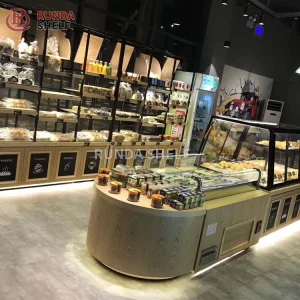
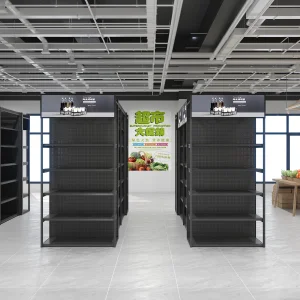
Engineered for High Visibility, Space Efficiency, and Structural Safety in Modern Storefronts
A Decade of Advanced Engineering in Heavy-Duty Selective Pallet Racking & Logistics Equipment
Founded in 2016, Suzhou Expandrack Logistics Equipment Co., Ltd. is a technologically advanced manufacturer specializing in heavy-duty selective pallet racking, drive-in systems, and automated rack-supported warehouse structures. Backed by 10 years of deep industry expertise and 7 years of seamless international trade background, Suzhou Expandrack operates out of a modern 42,000-square-meter production complex in Suzhou, China. Driven by rigorous international standards, our company reaches an annual export revenue exceeding USD 36.0 million.
Our global market presence spans Southeast Asia, the Middle East, South America, and Eastern Europe. Leveraging a resilient supply chain of over 850 strategic material and hardware partners, Expandrack delivers end-to-end storage solutions tailored for diverse commercial sectors. Our main customer types include industrial material handling distributors, retail logistics hubs, pharmaceutical storage managers, and automotive assembly lines.
Our manufacturing plant operates under stringent ISO 9001:2015 and RMI (Racking Manufacturers Institute) protocols. The facility houses a specialized laboratory managed by 32 senior QC inspectors to ensure zero-defect output. By maintaining direct control over raw material procurement and metallurgical verification, we ensure that every system deployed to the seismic corridors of Osaka meets strict load capacity and deflection limits.
Continuous Quality Control Across All Stages of Heavy-Duty Sheet and Profile Metalworking
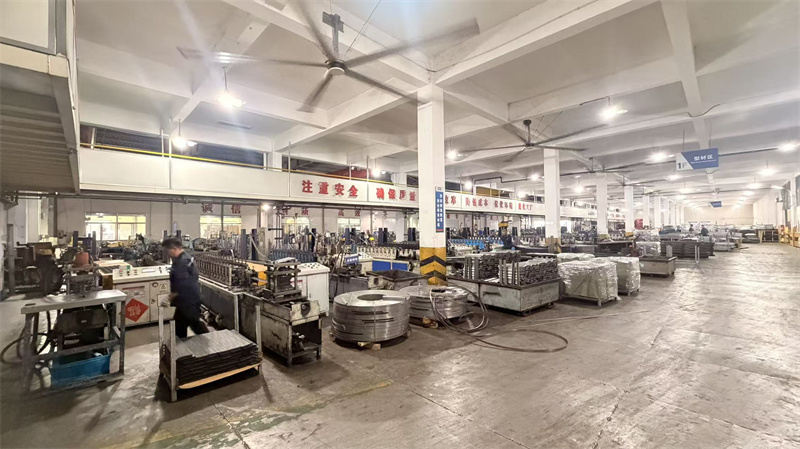
Raw sheet metal sizing using high-precision industrial guillotines.
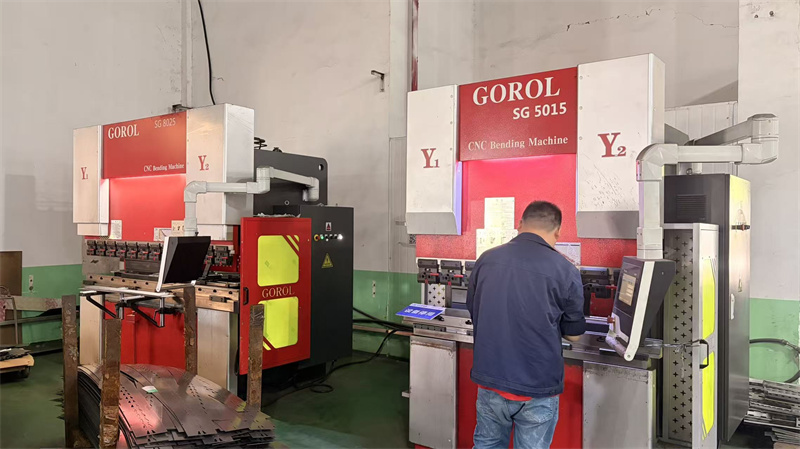
CNC-controlled folding for precise channel angles and load-bearing profiles.
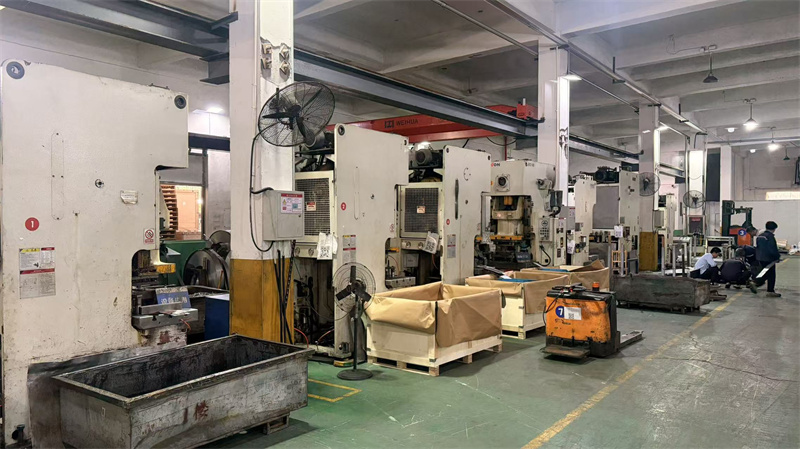
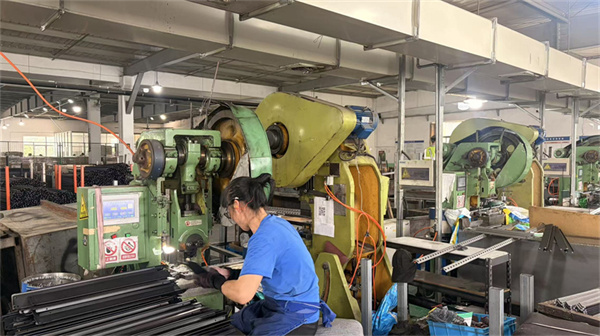
High-speed multi-die punching for uniform hook placement and upright connections.
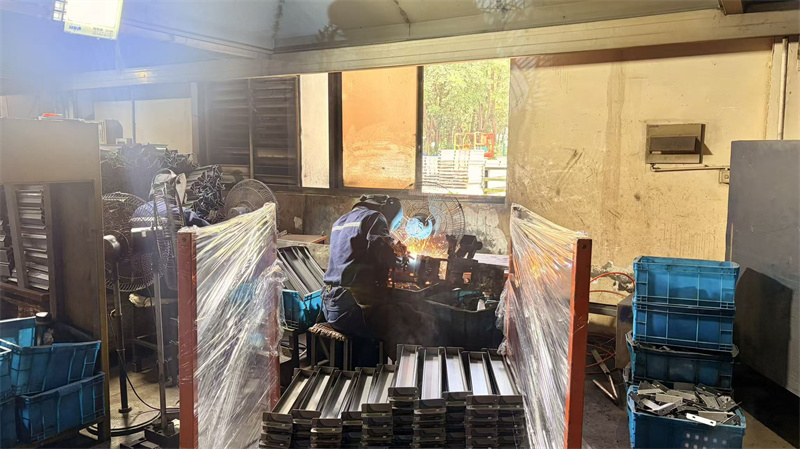
Certified robotic MIG/TIG welding for high joint integrity.
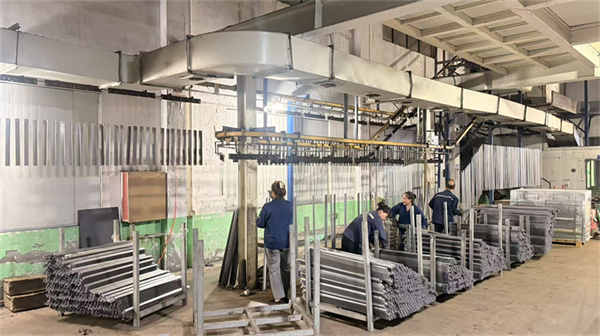
Automated powder coating and high-temperature curing for corrosion protection.
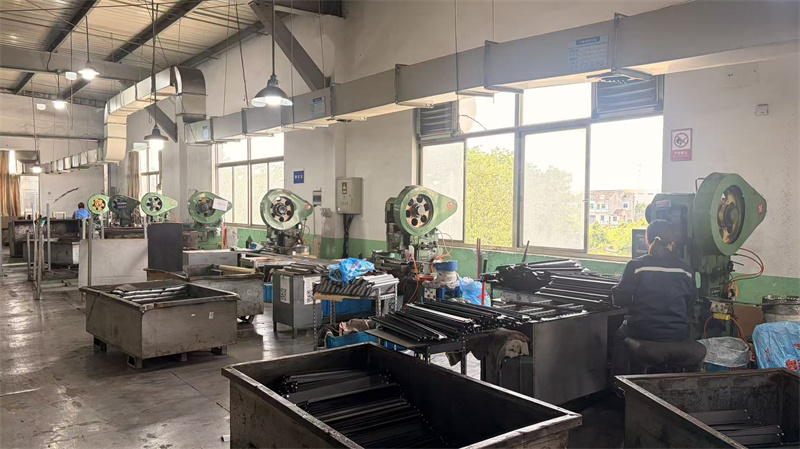
High-shear riveting processes for modular and structural accessories.
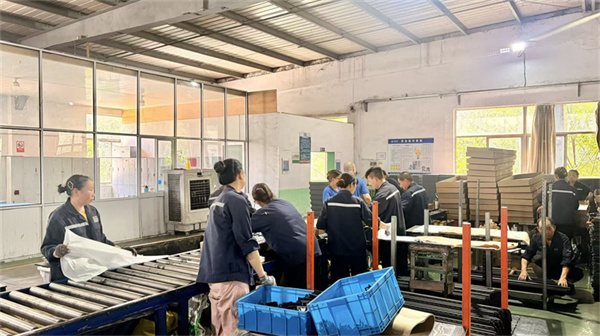
Rigorous mechanical testing, dimension checks, and sea-worthy bundling.
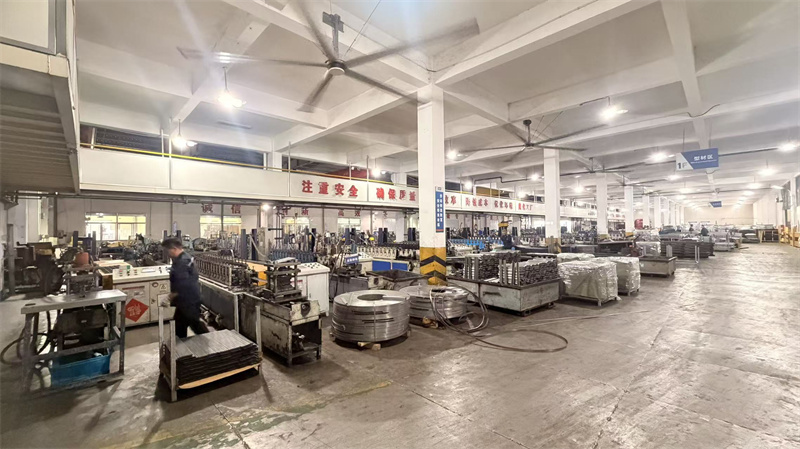
Heavy-gauge plate shear processing center.
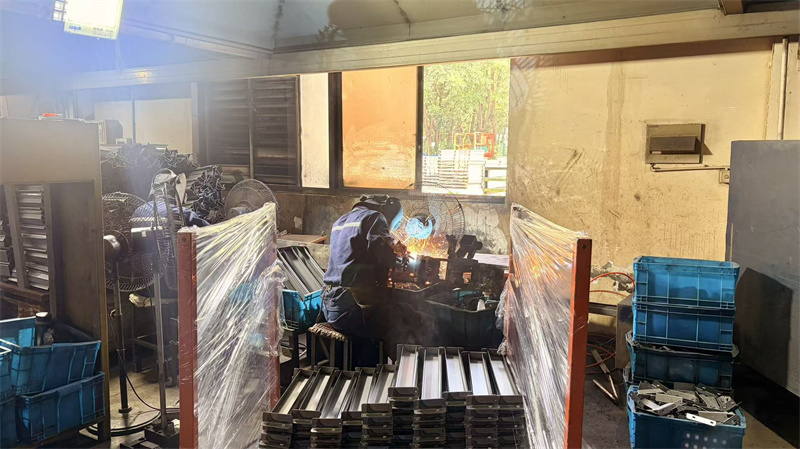
Standardized jig alignments for structural frame manufacturing.
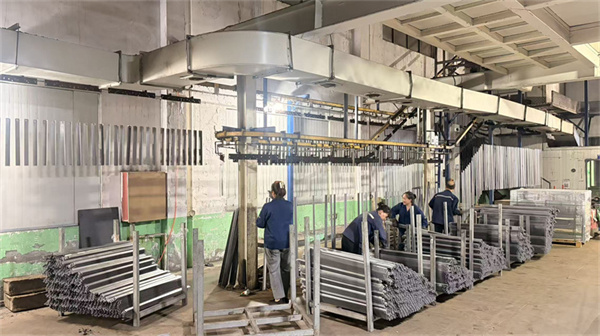
Multi-stage pre-treatment wash and electrostatic paint tunnel.
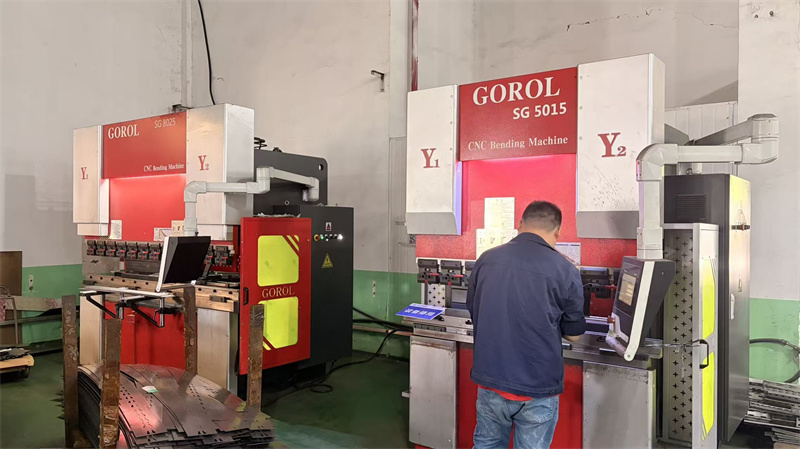
CNC multi-axis press brakes ensuring close manufacturing tolerances.
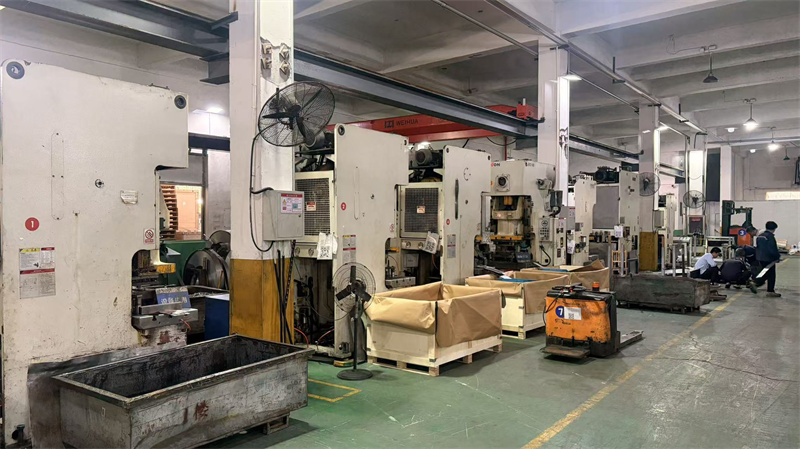
Heavy hydraulic punch stations for high-volume structural profiles.
Automated riveting line for high joint strength.
Zero-Defect Output Through Metrological Verification and Destructive Structural Tests
Our laboratory features inspection equipment designed to ensure compliance with RMI structural regulations. Every batch of steel profile undergoes rigorous mechanical inspections before and after roll-forming:
At Expandrack, engineering innovation ensures safety in dense configurations. Our technical division designs space-saving layouts tailored to help logistics facilities optimize horizontal clear heights and aisle clearances:
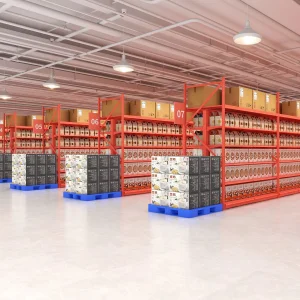
High-Density Configurations Optimized for Local Commercial Warehousing and Distribution Centers
Technical Compliance, Cost Optimization, and Seamless Kansai Delivery Operations
Procuring custom industrial shelving structures from international manufacturers requires clear operational coordination. For purchasing managers and supply chain directors handling facilities in Osaka, Sakai, or Kobe, the process involves verifying compliance with local regulations and optimizing transport logistics. Suzhou Expandrack coordinates all aspects of international transit and documentation, streamlining importing procedures at the Port of Osaka.
Ensure steel grades match design load requirements. We supply raw certificates verifying yield strength, elongation, and chemical composition according to JIS G 3101 (SS400/SS490 equivalents) to satisfy safety inspections.
Shipping from our Suzhou facility via Shanghai Port to Osaka Port takes 3 to 5 days. We optimize shipping containers using specialized vertical pallet bundles to prevent transit scratching and reduce ocean freight costs.
Our engineering team designs projects to satisfy Japanese Fire Services Act (消防法) requirements, including proper clearances for sprinklers, and provides structural calculations for municipal building inspections.
Suzhou Expandrack’s specialized project engineers provide clear, end-to-end design support. We generate 3D CAD configurations and Finite Element Method (FEM) load distributions, ensuring your engineering team can review deflections, load-bearing margins, and floor anchoring plans before manufacturing begins.
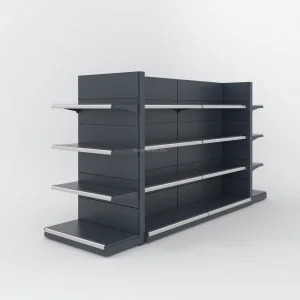
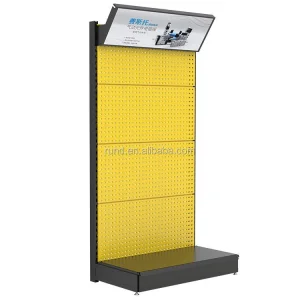
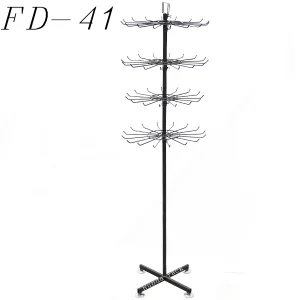
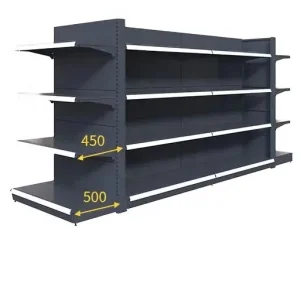
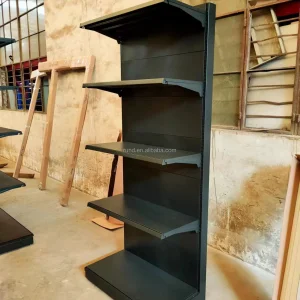
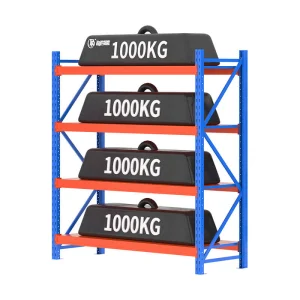
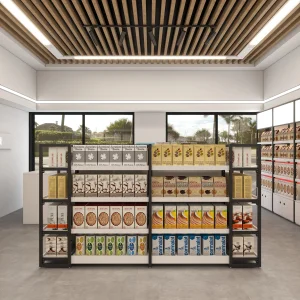
Double-Row Optimization Grid: High-Yield Steel Racks and Commercial Fixtures
Finite Element Method Calculations and Custom High-Deformation Baseplate Isolation
Under the Japanese Building Standards Act, steel structures must be engineered to resist both static load deflections and horizontal seismic forces. When developing custom racking profiles for installations in the Kansai region, our engineering team uses a multi-layered design process to guarantee safety and compliance:
We exclusively use roll-formed structural steel with guaranteed mechanical properties matching JIS G 3101 SS400 or SS490 specifications. The structural columns are formed via multi-stage cold-roll-forming mills, minimizing internal stress zones and ensuring uniform material thickness throughout the profile.
Using dynamic finite element analysis (FEA) software, we simulate operational racking performance under localized seismic spectrum inputs. Baseplate designs, structural upright frames, and beam connectors are reinforced to handle horizontal shear forces and prevent buckling.
To prevent localized building slab damage during ground movement, we utilize custom heavy-duty seismic baseplates. These baseplates feature a larger surface area to distribute structural loads across a wider concrete section and incorporate dual anchoring slots for high-tensile anchors. This design absorbs lateral movements, preventing critical failures at connection joints.
Direct Inquiries and Architectural Project Specifications Answered by Our Engineering Team
Partner with Suzhou Expandrack for certified, seismic-engineered industrial shelving and retail display systems.
 Expandrack