Explore our foundational engineering solutions designed for high-density logistics, retail operations, and heavy industrial warehouse efficiency.
Modern hyper-distribution hubs require high-capacity staging systems that eliminate physical storage bottlenecks and enhance speed-to-market throughput. Dynamic storage solutions act as critical integration interfaces between bulk inbound replenishment and downstream localized logistics fulfillment.
Suzhou Expandrack Logistics Equipment Co., Ltd. engineering designs address standard load limitations by introducing structural stability and high configurations. As a foundational OEM/ODM logistics manufacturing partner, we design structures that maximize spatial footprint configurations, ensure seismic resistance compliance, and satisfy safety load certifications.
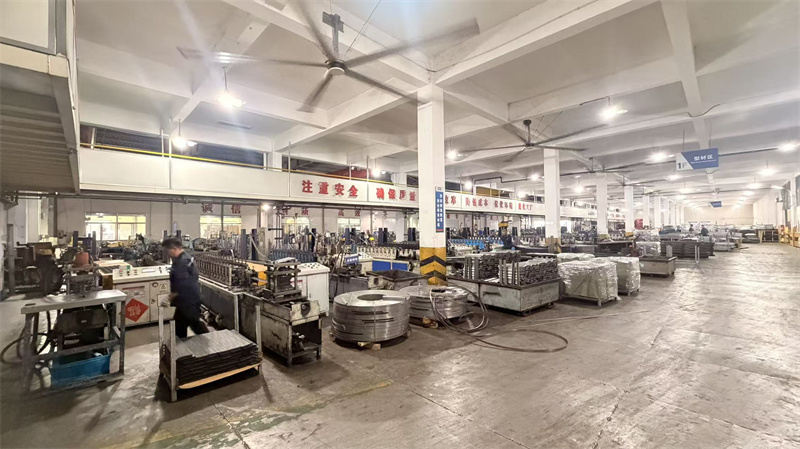
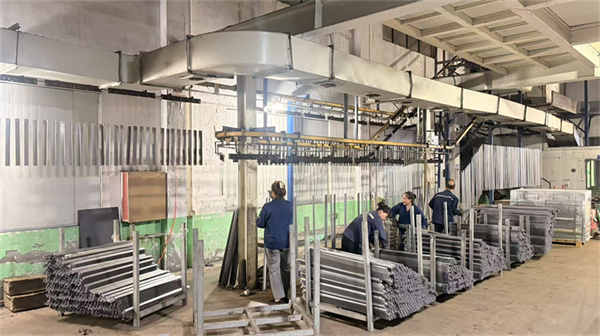
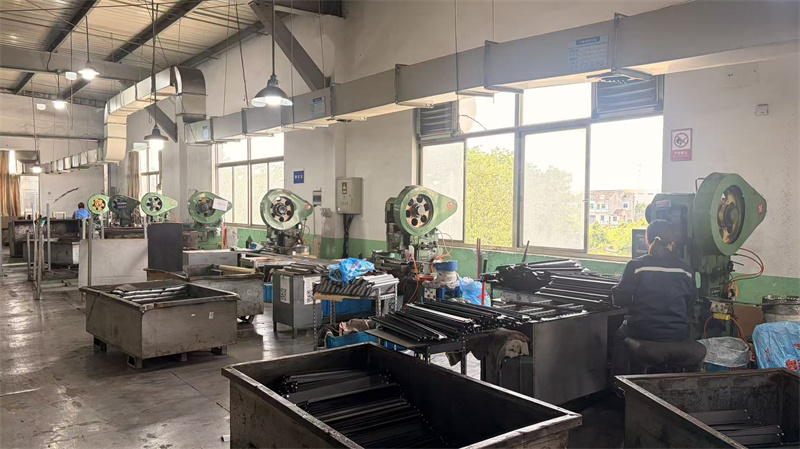
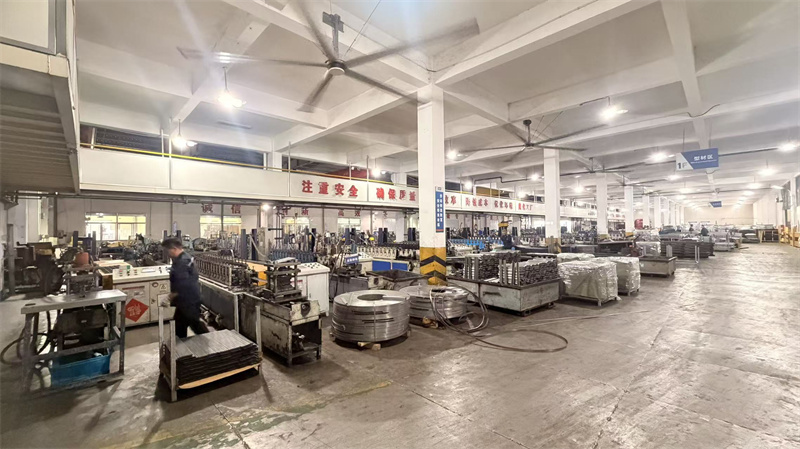
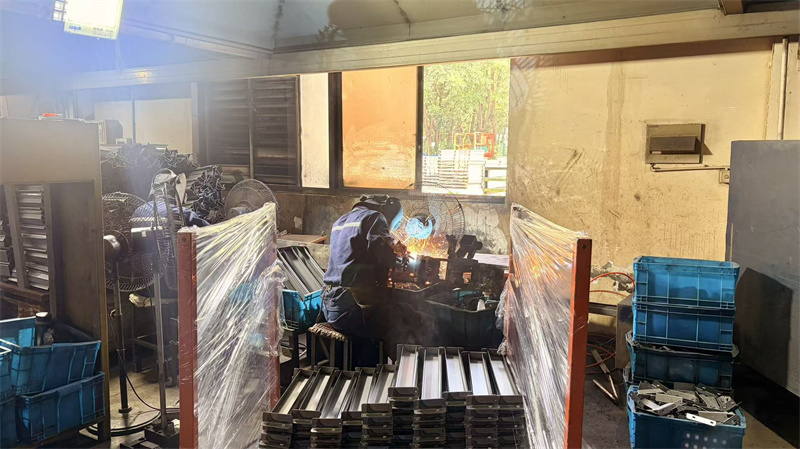
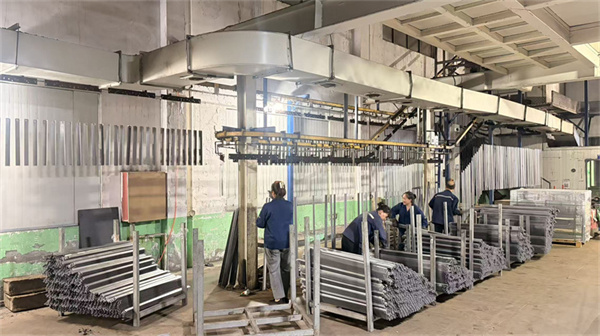
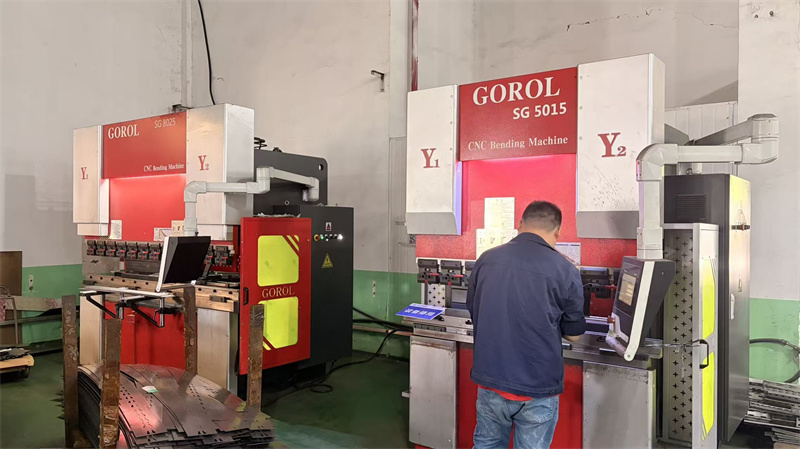
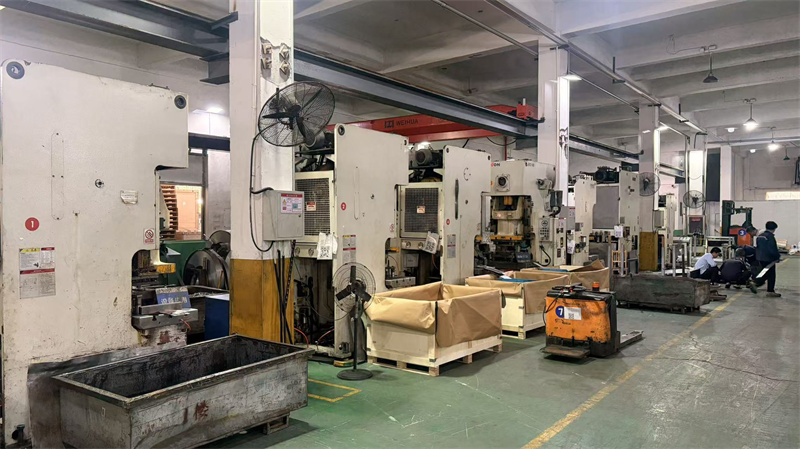
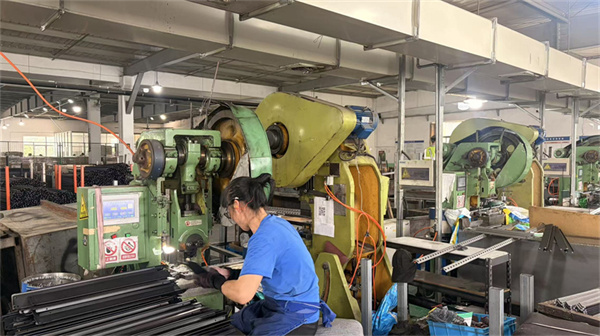
Founded in 2016, Suzhou Expandrack Logistics Equipment Co., Ltd. operates a high-capacity 42,000-square-meter modern production facility in Suzhou, China. Our facilities handle raw sheet shearing, roll-forming, robotic welding, and automatic electrostatic powder coating to secure high product lifecycle standards.
Understanding how domestic supply integration, raw materials consistency, and cost-efficiency structures ensure reliable capital investments.
Our location in Jiangsu province offers direct access to the domestic steel corridor, sourcing certified Q235 and Q235B structural grade steel. Our automated spectro-analysis validation confirms mechanical tensile and yield profiles before any production occurs.
By standardizing continuous automated roll-forming and robotic welding, Suzhou Expandrack achieves high structural dimensional control. Consistent profiles mean fast site installation, reliable connection integrity, and minimal manual leveling adjustments.
With more than 850 strategic partners, our manufacturing system optimizes peripheral components: wire mesh decking, heavy castor assemblies, high-tensile hardware, and specialized powder coatings. This reduces lead times and supports complex custom designs.
As global supply chains shift toward automated sorting and robotic interfaces, staging units are evolving beyond simple steel structures into active, sensor-compatible equipment profiles.
Our dedicated technical center is staffed by 42 specialized structural engineers who design space-optimizing racking layouts with enhanced safety margins. Last year, the R&D department introduced 120 new standard components and structural accessories to the market.
Customization Options at Expandrack include adjustable pitch spacing, custom column guard designs, racking row spacers, special frame height configurations up to 15 meters for narrow-aisle (VNA) operations, and multi-tier mezzanine floor integration with wire mesh decking options.
How Suzhou Expandrack designs address target challenges in regional distribution facilities, hypermarkets, and heavy manufacturing hubs.
High-density order processing facilities use heavy-duty steel mezzanine systems to create vertical space, doubling pick zones and ensuring smooth inventory transfers.
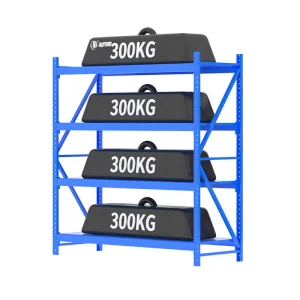
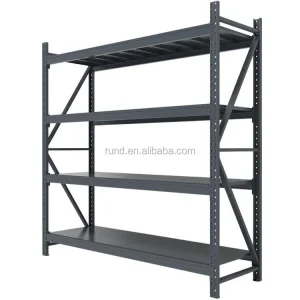
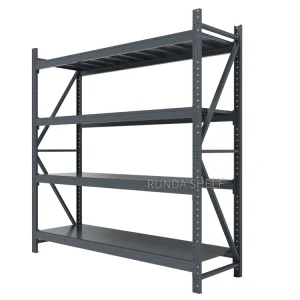
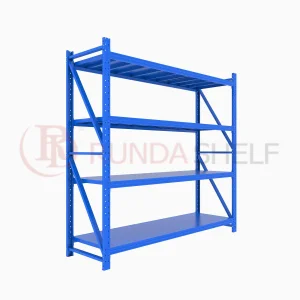
Parts distribution networks require adjustable medium-duty storage racks with high weight capacity to handle odd-shaped metal components, sub-assemblies, and heavy tooling components.
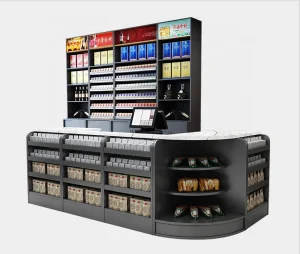
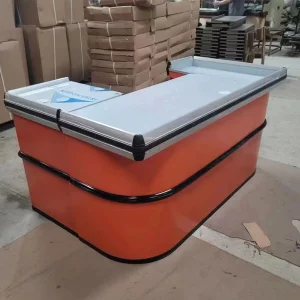
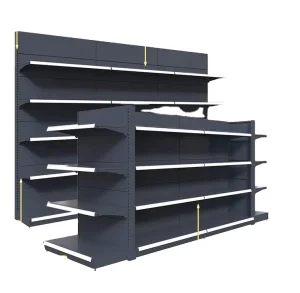
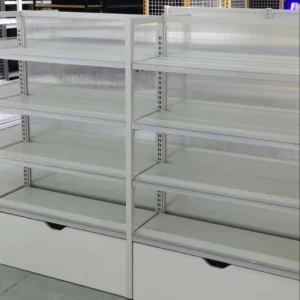
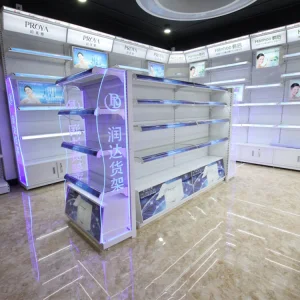
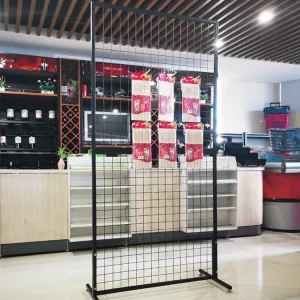
Customized steel-wood checkouts, functional counters, and modular retail displays organize front-end checkouts, improving customer flow and maximizing high-margin impulse sales.
Our manufacturing facility operates under ISO 9001:2015 and RMI standards to ensure that load ratings are sustained safely under operational conditions.
Our dedicated QC laboratory is staffed by 32 senior quality inspectors who run multiple verification checks on every production run. We monitor each step, from checking the chemical properties of raw steel to validating the thickness of cured finishes.
By adhering to international engineering guidelines, our structural racks withstand dynamic warehouse environments safely. This commitment to engineering detail has built long-term relationships with distributors, logistics hubs, and industrial buyers worldwide.
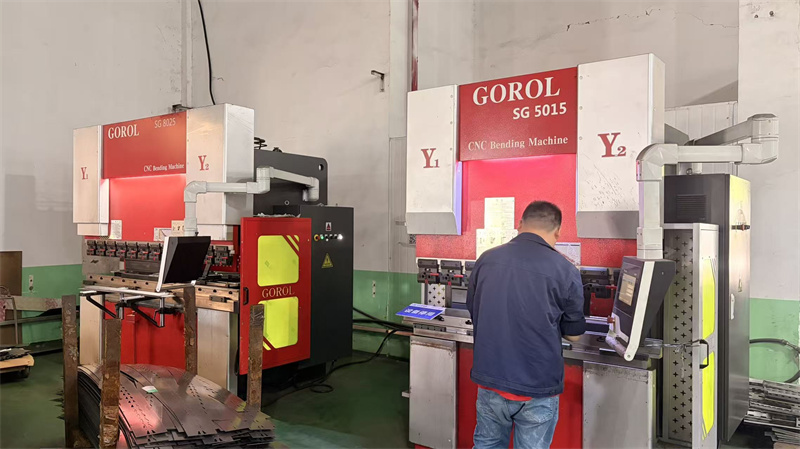
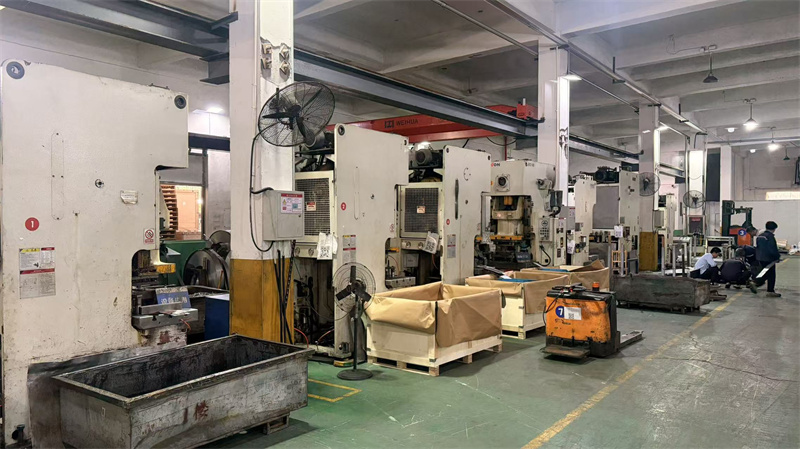
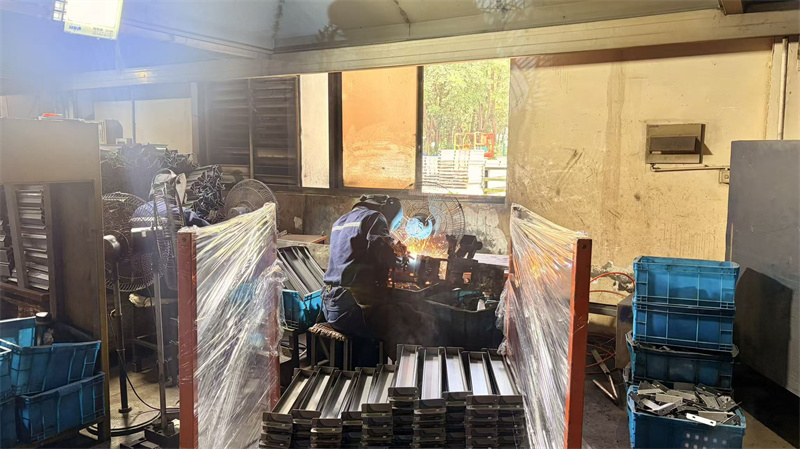
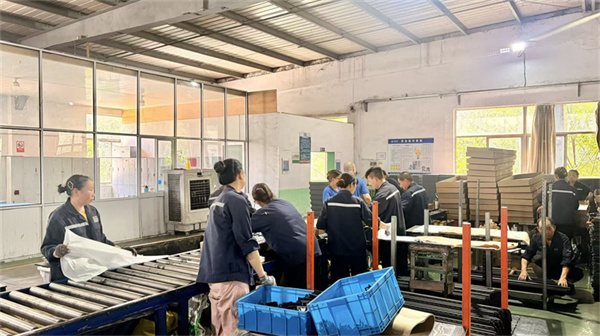
Tour our production floor, which features high-capacity roll forming, robotic welding, and automated finishing lines to guarantee delivery timelines.
Key checkpoints for procurement directors, logistics engineers, and global supply managers during the specification process.
When sourcing heavy structural racking, specify structural Q235B carbon steel for components under high mechanical strain. Verify mill certification parameters to confirm tensile profiles match the engineering model.
Ensure beam and frame configurations match local load requirements, factoring in seismic load factors, load-to-failure margins, and localized floor conditions.
Clearly define spatial plans, forklift access requirements, VNA aisle constraints, and connection layouts. Ensure beam adjustments use standard keyhole or teardrop patterns to allow for quick reconfigurations.
For high-traffic operations, include column guards, frame protection kits, and pallet flow rails to prevent impact damage to vertical uprights.
Technical, engineering, and commercial answers to common logistics sourcing questions.
Q235 and Q235B are common carbon structural steels. The primary difference lies in their impact testing requirements. Q235B steel undergoes charpy V-notch impact testing at 20°C to verify performance under dynamic strain, whereas basic Q235 does not require impact testing. We use certified Q235B steel for heavy load-bearing frames and upright columns to ensure structural safety.
Our design calculations and material thickness tolerances adhere to the American Racking Manufacturers Institute (RMI) standards. We verify column profiles, weld penetration, and beam deflection rates using Finite Element Analysis (FEA) software. Our QC team also runs regular destructive load tests to confirm that physical safety limits exceed 1.5 times the rated load capacity.
Yes. We construct heavy-duty frames to strict vertical tolerances (less than 1mm deviation per meter) suitable for AGVs and automated shuttle systems. Our technical team works directly with automation engineers to integrate standard wire mesh decking, guidance systems, and safety barriers.
Our steel components go through a multi-stage pre-treatment, including degreasing, acid washing, and phosphate coating, followed by automated electrostatic powder coating. This creates a uniform finish (typically 60-80 microns thick) that resists chipping, scratching, and chemical corrosion in industrial storage environments.
Depending on project scale and structural complexity, design and manufacturing typically takes 4 to 6 weeks. Our 42,000-square-meter facility and integrated raw material supply chain allow us to optimize production schedules and meet tight commercial launch dates.
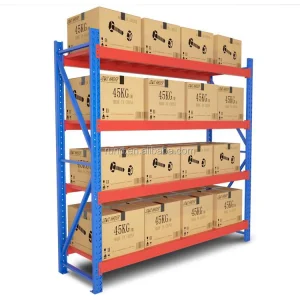
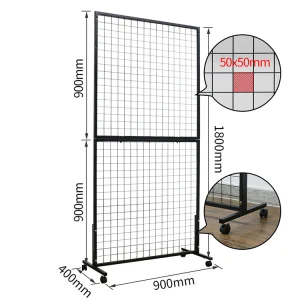
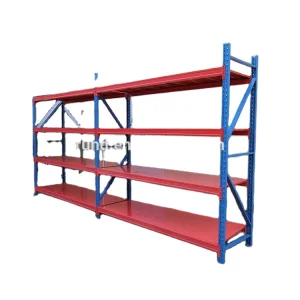
Select specialized equipment designs for heavy industrial pallet storage, convenience store layouts, and display options.
 Expandrack