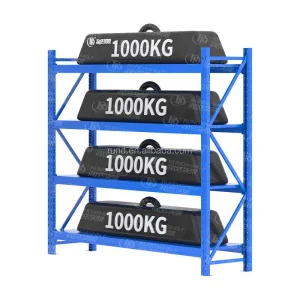
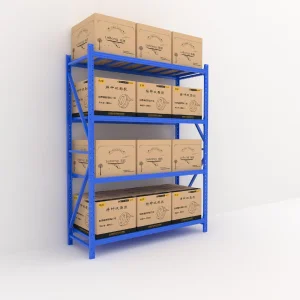
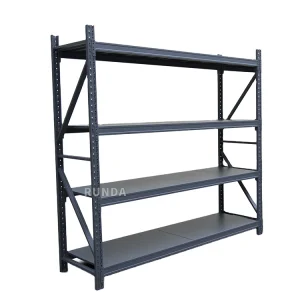
In the era of hyper-optimized supply chains and skyrocketing industrial real estate valuations, the requirement for high-density, structural safety, and rapid spatial reconfigurability has positioned Mobile Storage Units as critical operational infrastructure. Moving beyond standard static shelves, global operations now demand dynamic load-bearing structural storage solutions engineered to maximize spatial footprints, guarantee occupational safety, and withstand seismic stress.
Suzhou Expandrack Logistics Equipment Co., Ltd. has established itself as an engineering pioneer, developing systems designed to transition standard warehouses into streamlined fulfillment matrices. This whitepaper analyzes manufacturing methodologies, metallurgy standards, quality control protocols, and the integration of automation pipelines required for global industrial operations. Key focus is placed on heavy-duty selective pallet racking, drive-in systems, and specialized rack-supported structures engineered to outlast conventional storage systems.
Founded in 2016, Suzhou Expandrack Logistics Equipment Co., Ltd. is a technologically advanced manufacturer specializing in heavy-duty selective pallet racking, drive-in systems, and automated rack-supported warehouse structures. We operate out of a modern 42,000-square-meter production complex in Suzhou, China, backed by 10 years of deep industry expertise and a 7-year seamless international trade background.
Driven by rigorous international standards, our company reaches an annual export revenue exceeding USD 36.0 million. Our footprint spans major growth markets across Southeast Asia, the Middle East, South America, and Eastern Europe, servicing a diverse customer base of logistics hubs, pharmaceutical storage sites, and automotive assembly lines.
We coordinate and deploy complex operations using a highly resilient supply chain composed of over 850 strategic material and hardware partners. This vast domestic grid ensures structural raw materials, advanced polymer components, and high-tensile fasteners are continuously available to support large-scale industrial orders.
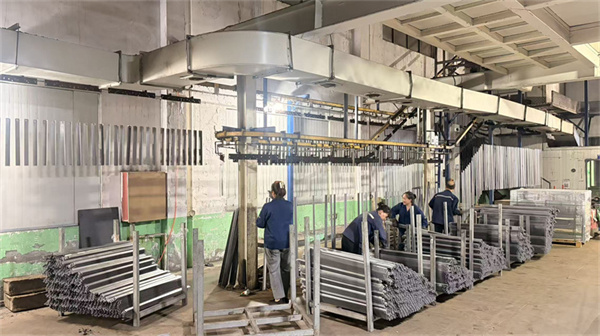
At the core of Expandrack's execution reliability is our highly automated production line. Utilizing advanced cold roll-forming machines, robotic laser-cutting workstations, and dynamic powder coating tunnels, our factory controls mechanical tolerances within microscopic structural limits.
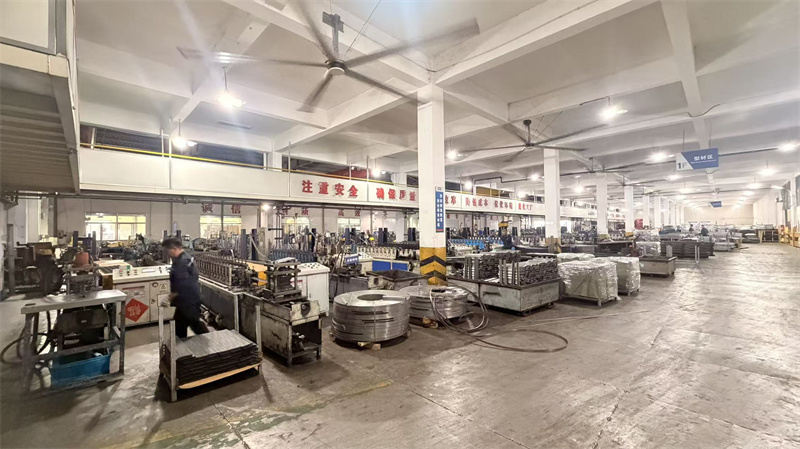
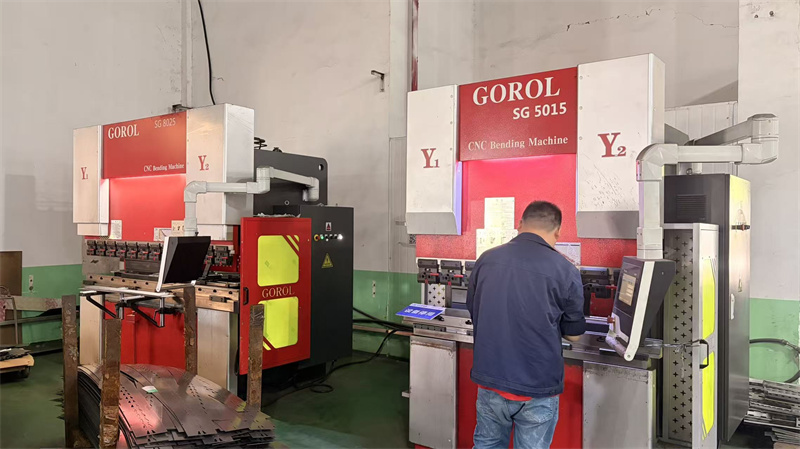
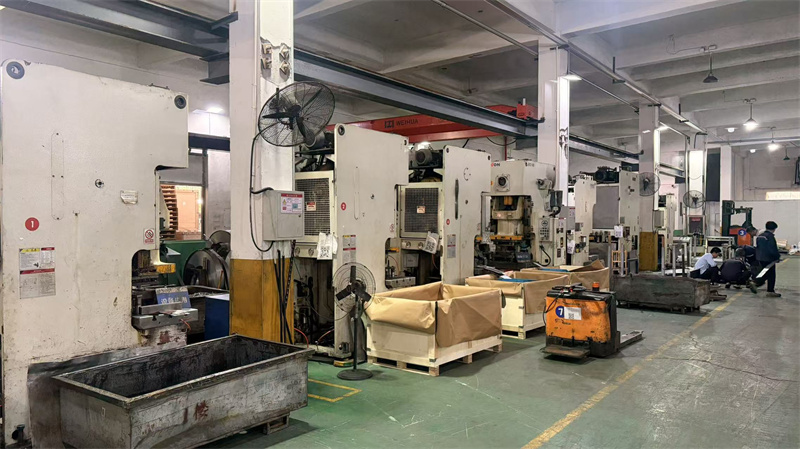
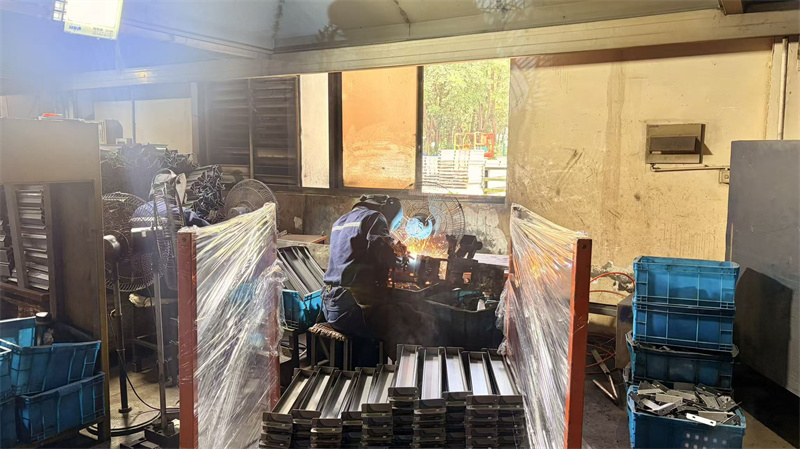
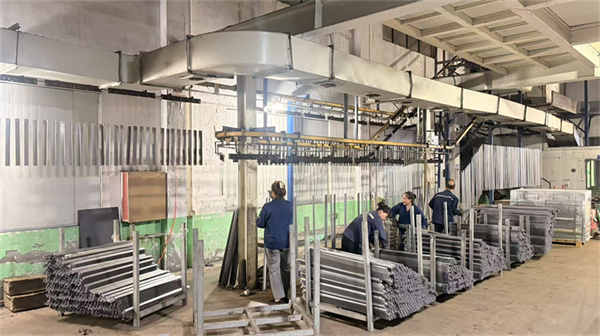
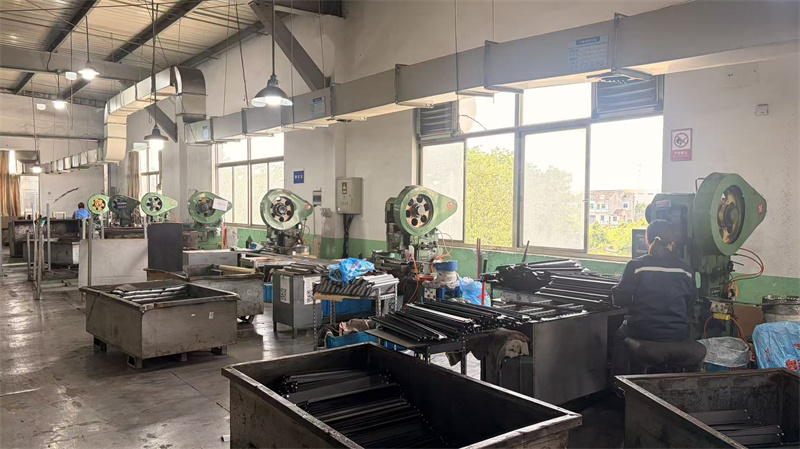
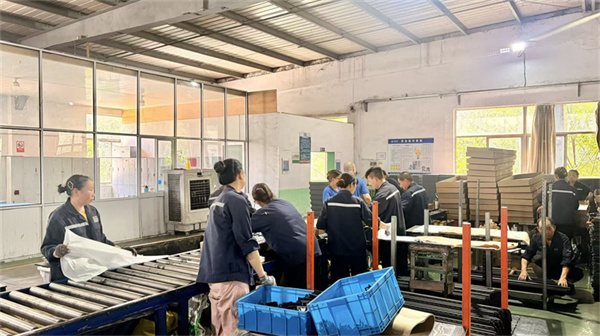
Our machinery configuration represents the vanguard of Chinese industrial logistics fabrication. Outfitted with precision toolings, our tooling lines process raw coil stocks directly into structural beams, upright panels, and interlocking cross-braces.
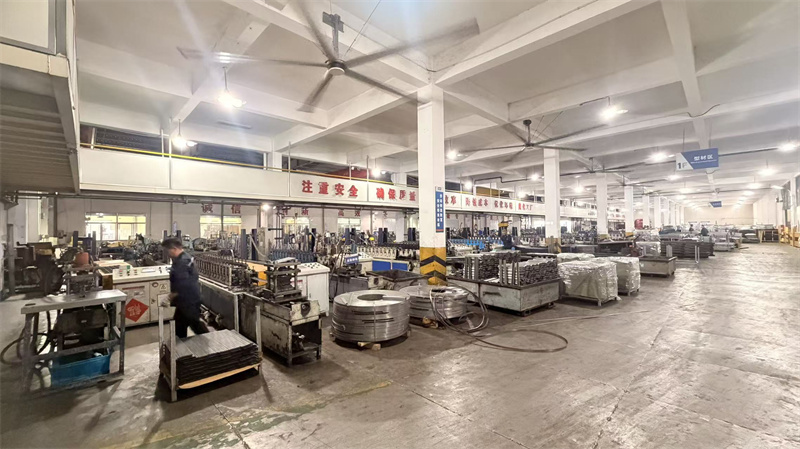
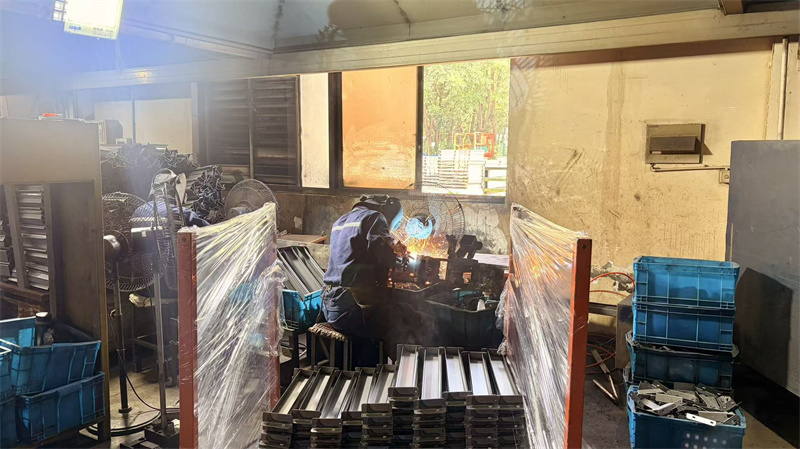
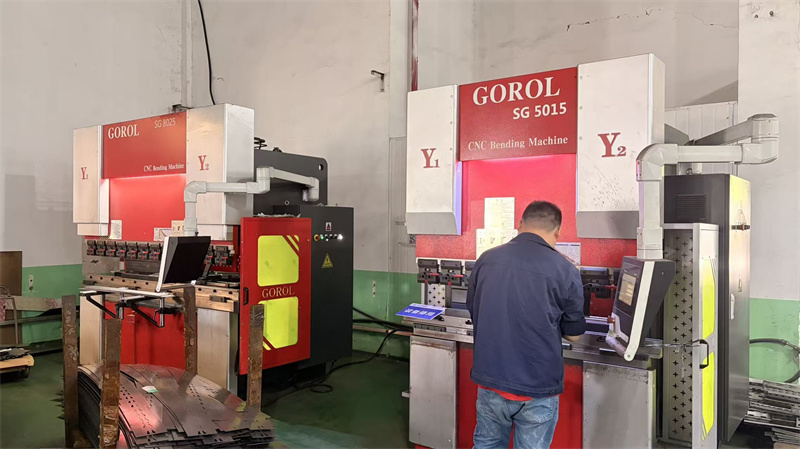
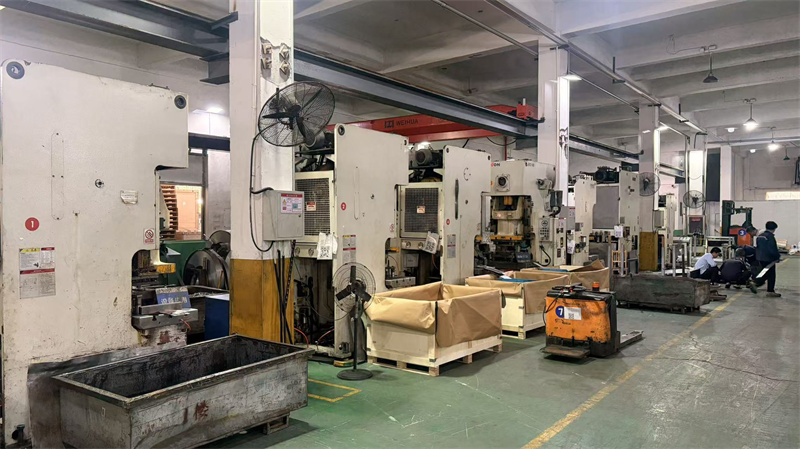
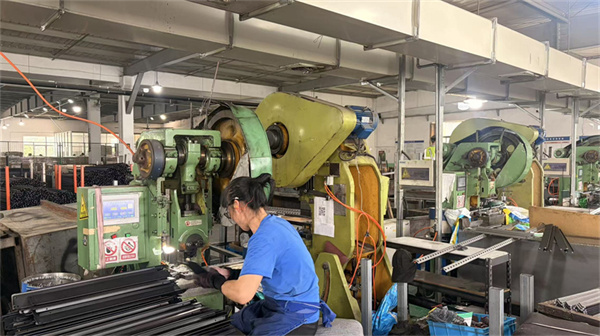
Operating under strict ISO 9001:2015 and RMI (Racking Manufacturers Institute) guidelines, our facility guarantees zero-defect structural performance. Our factory houses a fully equipped in-house testing lab staffed by 32 senior QC inspectors.
Every batch of structural steel coils (primarily high-tensile Q235B and Q355B) undergoes detailed optical emission spectrometry. This test verifies carbon, silicon, manganese, and phosphorus levels to guarantee minimum yield and tensile strengths, preventing premature failure under heavy structural loads.
During cold-forming operations, continuous inline laser scanners analyze profiles, punching pitches, and upright straightness. Detecting millimetric deviations early avoids structural assembly complications when upright panels are stacked up to 15 meters high.
Our testing rigs regularly compress and shear upright frames, beam connector hooks, and safety pins. By pushing components past their calculated capacities, we confirm safety limits match structural calculations and client performance specifications.
To prevent structural oxidation, particularly in humid or cold storage settings, we subject finished materials to standardized cross-hatch adhesion and salt spray tests. This ensures the electrostatic powder coating remains intact, maintaining corrosion resistance over decades of constant usage.
Industrial warehousing is transitioning rapidly from static structural arrays to dynamic, logic-controlled automated storage configurations. At Expandrack, our structural and mechanical engineering departments focus on designing future-proof storage systems that interface seamlessly with warehouse automation technologies.
Traditional mobile storage relies on floor-mounted guide rails. Our next-generation design roadmap includes trackless, laser-guided mobile systems that integrate directly with Automated Guided Vehicles (AGVs) and AMRs. By designing bases with integrated high-precision optical markers and robust structural chassis, we enable automated machinery to lift, reconfigure, and transport multi-tier shelving units directly without manual intervention.
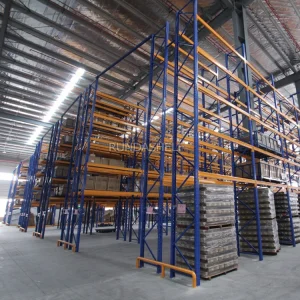
Modern logistics hubs increasingly employ automated cranes and shuttle vehicles. Expandrack structural frames are optimized for extreme dimensional tolerances. Our automated rack-supported warehouse structures (clad-rack systems) utilize high-yield structural steel beams and columns rolled on high-precision mills. This level of fabrication precision ensures automated shuttles and cranes can operate at high speeds without risk of jam-ups or physical tracking errors.
Working with partner electronics firms, we are integrating smart strain gauges and temperature-sensitive RFID tags into heavy-duty storage beams. This sensor matrix provides real-time loading data to the Warehouse Management System (WMS), warning operations teams if localized overload limits are reached, or if structural fatigue is detected due to external seismic vibrations.
Different industrial sectors demand specialized structural racking characteristics. Suzhou Expandrack customizes storage arrays to maximize space and efficiency in various industries.
Sub-zero environments require specialized metallurgy to prevent low-temperature steel embrittlement. Expandrack supplies structural frames using refined, silicon-deoxidized Q355D steel. This alloy retains its impact resistance down to -40°C. Heavy-duty mobile bases are also equipped with low-temperature synthetic lubricants, sealed heating elements for drives, and anti-condensation electrical cabinets.
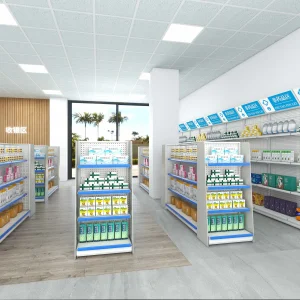
Medical facilities require strict hygiene, precise sorting, and antimicrobial surfaces. Our light-duty metallic pharmacy shelves and drug display configurations feature durable, easy-to-clean electrostatic finishes that withstand hospital-grade sanitizers. The modular designs allow rapid re-pitching of shelves to hold various medicine containers and clinical tools.
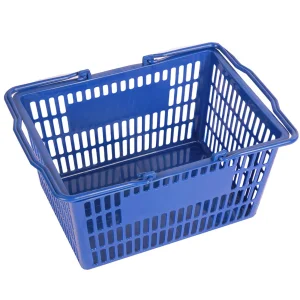
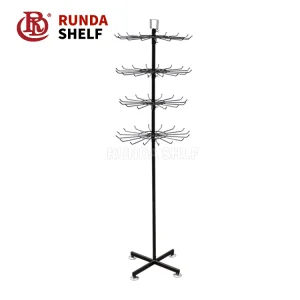
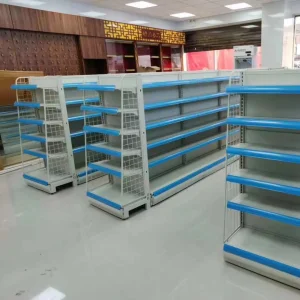
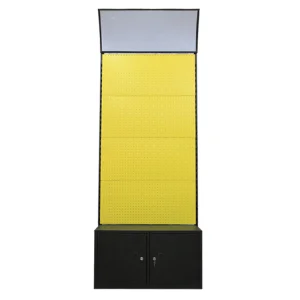
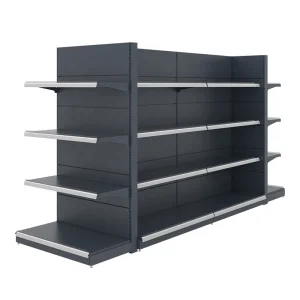
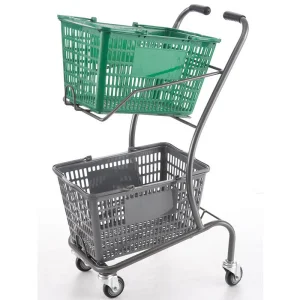
High-volume retail operations require both durable, aesthetic display racks and high-density backroom storage. We supply integrated store display solutions, including heavy-duty gondola shelves, pegboards, and transport carts. This allows retail outlets to maintain a cohesive inventory flow from logistics hubs to the retail floor.
Procuring industrial storage infrastructure from overseas requires looking beyond the initial purchase price. A comprehensive evaluation must account for lifecycle costs, freight efficiency, assembly labor, and compliance. Below is our recommended RFP framework for global logistics directors.
Always require certified mill test reports confirming the physical properties of the steel. Lower-quality mills may use steel with high carbon impurities, reducing weld ductility and structural safety. Specify certified Q235B or Q355B structural steel to guarantee the load ratings calculated for your facility.
Racking structures are heavy and bulky, making up a significant portion of import costs. Work with manufacturers who optimize packaging designs to maximize shipping container space. Expandrack designs structural uprights, baseplates, and beams to bundle together efficiently, minimizing transit damage and freight costs.
Select warehouse systems designed with modular, boltless connections. This allows for simple upright height adjustments, addition of intermediate levels, and conversion of static racks into dynamic mobile structures as business demands grow.
Building codes and environmental safety demands vary significantly across different markets. Racking structures must conform to local standards to ensure safety and secure regulatory approval.
For installations located in active seismic zones (such as Chile, Peru, or Japan), static calculations are insufficient. Expandrack's engineering department utilizes specialized finite element analysis (FEA) software to model structural reactions to dynamic seismic forces. We design customized upright baseplates, heavy-duty floor anchoring, and larger row spacers to absorb and distribute seismic energy, preventing catastrophic collapses.
Our engineering and manufacturing practices align with major global design manuals:
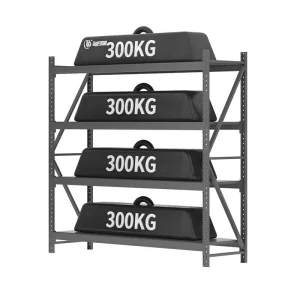
 Expandrack