Engineered for maximum spatial load capacity, seamless structural adaptability, and high-frequency inventory access.
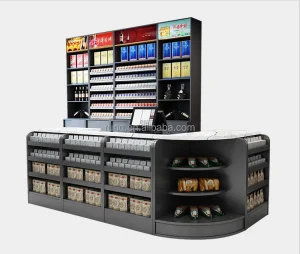
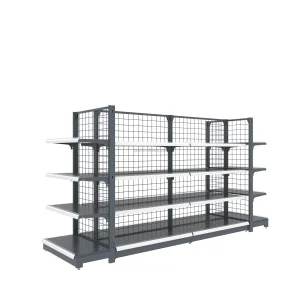
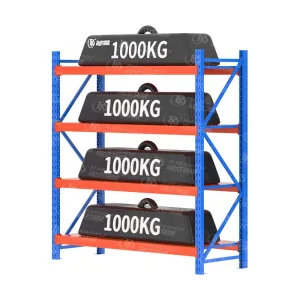
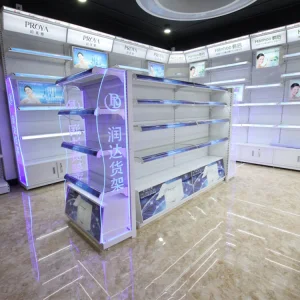
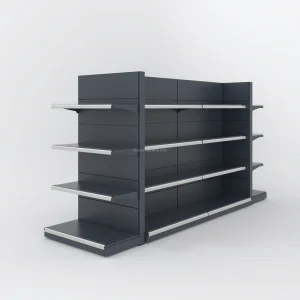
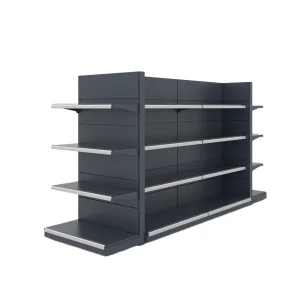
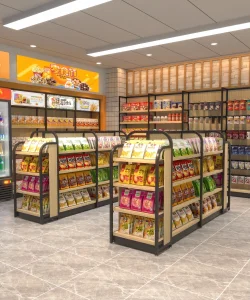
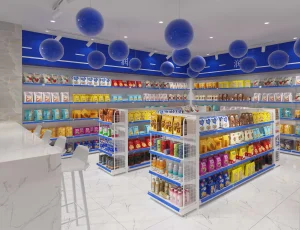
Modern commerce is undergoing a massive transformation. With the exponential rise of omni-channel retail, Buy Online Pick Up In Store (BOPIS) frameworks, and micro-fulfillment models, backroom space is no longer just a static storage area—it is a critical, high-velocity distribution node.
Industrial and retail backrooms are under extreme pressure to optimize spatial footprint. Standard industrial shelving is no longer adequate to bridge the gap between heavy bulk pallets and unit-level picking. Today's procurement demands systems that provide the rigidity of heavy industrial racking with the accessibility and reconfiguration ease of light-duty gondolas.
As global supply chains continue to experience volatility, establishing partnerships with high-tier manufacturers who control design, production, and quality assurance processes represents the defining factor in logistics scaling.
The hyper-localization of distribution centers demands backrooms to convert into active micro-warehouses. This trend favors dense, hybrid configurations combining heavy-duty racking with picking bins, requiring tight tolerance components that facilitate rapid item search and extraction.
Leading manufacturers now favor high-tensile Q235B and Q345B hot-rolled steel over standard structural steels. These alloys possess excellent yield strength and weldability, allowing thinner profiles to support greater dynamic loads, lowering freight and installation costs.
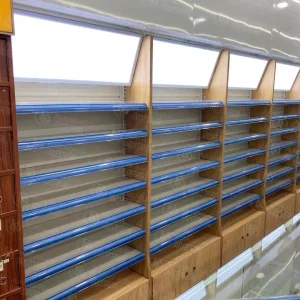
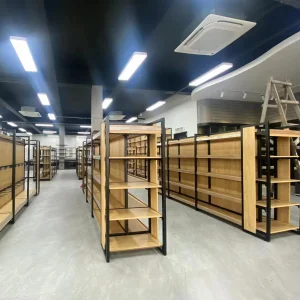
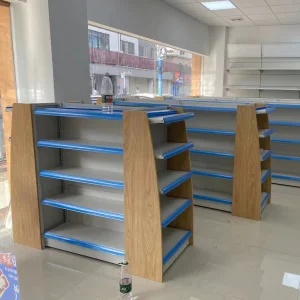
For operations combining front-facing retail sales and backroom stocking, hybrid steel and wood structures are rising in prominence. These structures provide the weight-bearing capability of industrial metal framing alongside the boutique aesthetic needed for direct client contact.
Key metrics driving the necessity for optimized backroom warehousing systems globally.
Why manufacturing sophistication, automation, and component material control define the modern supplier.
The core difference between standard iron shelves and high-density backroom systems lies in manufacturing tolerances. In China’s modern smart factories, robotic assembly lines perform precision shearing, bending, and punching with tolerances tighter than ±0.1mm.
Under the Factory 4.0 architecture, every step in the production line—from steel decoiling to final packing—is tracked through ERP systems that correlate batch raw material properties with destructive load testing outcomes. This digital traceability ensures that structural beams, upright profiles, and connector hooks maintain consistent mechanical properties.
Advanced robotic welding systems provide uniform weld penetration on critical stress-points like dynamic cantilever arms and column base plates, mitigating weld cracking hazards under cold-chain or highly seismic conditions.
A deep dive into our advanced manufacturing processes, robotic metal-forming, and quality control equipment.
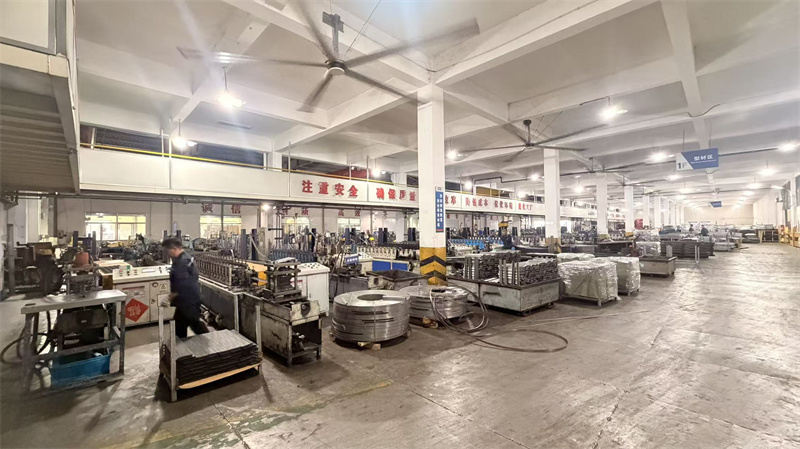
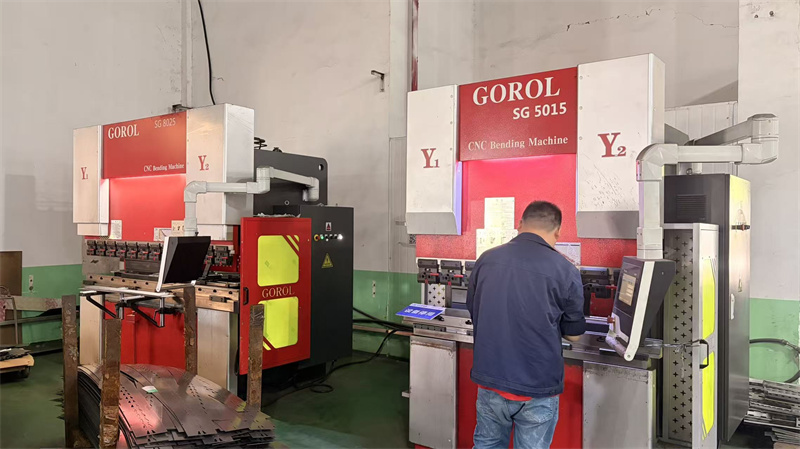
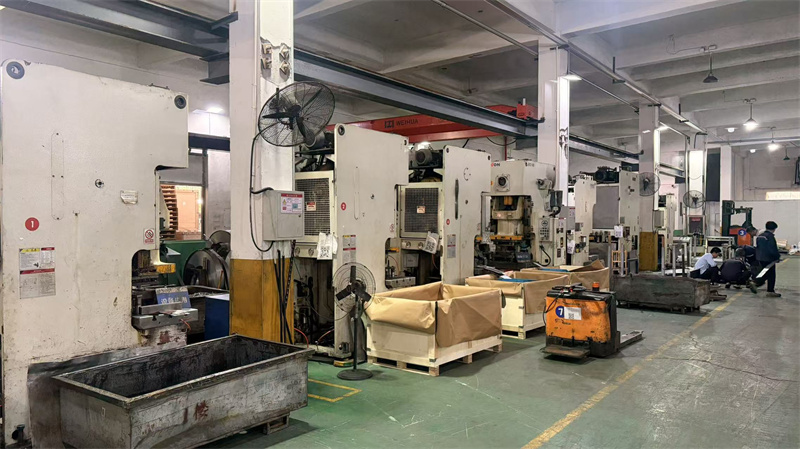
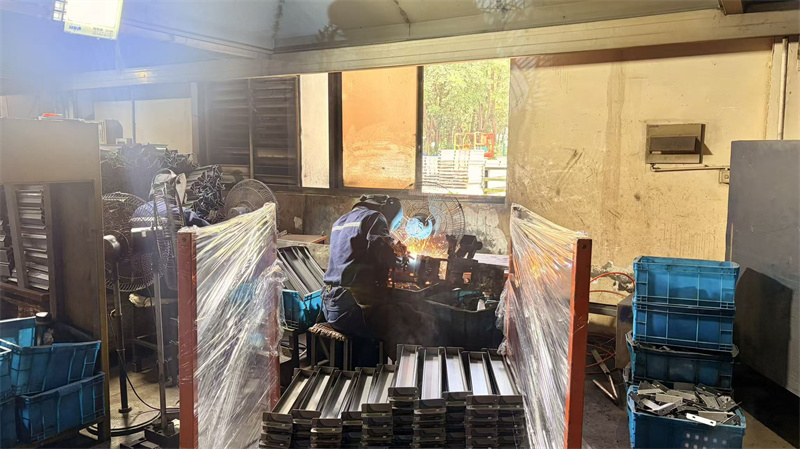
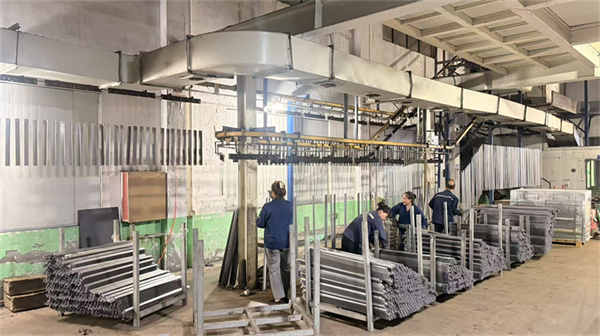
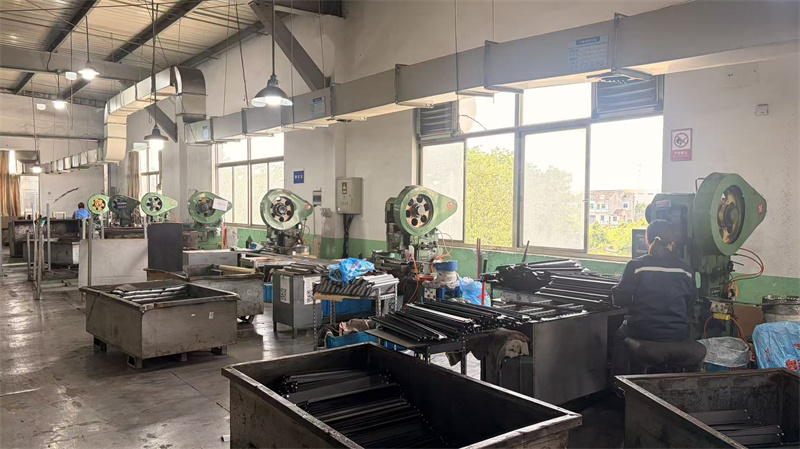
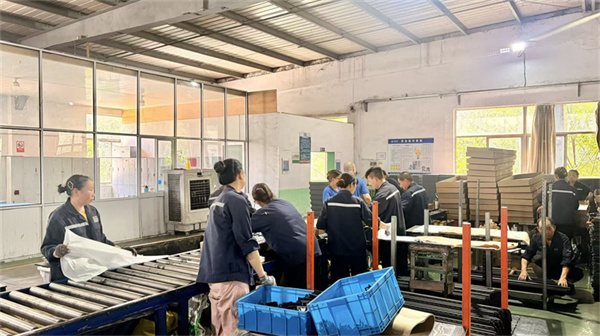
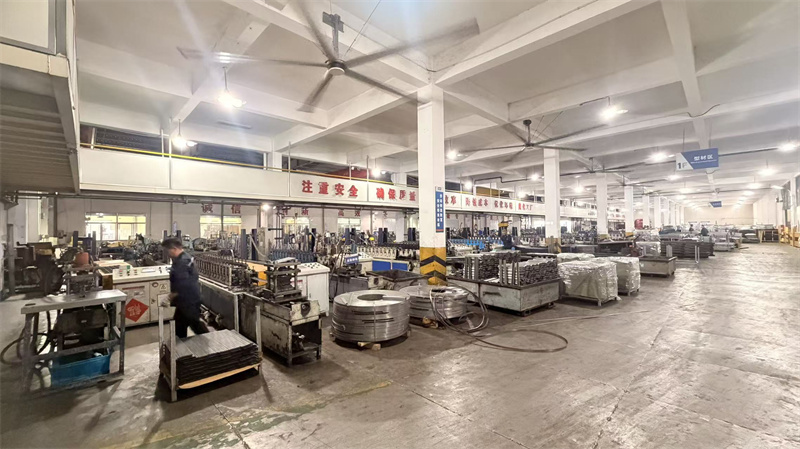
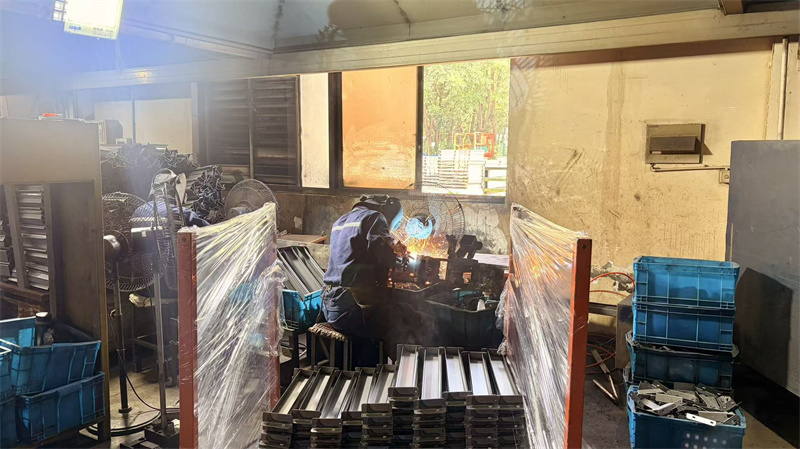
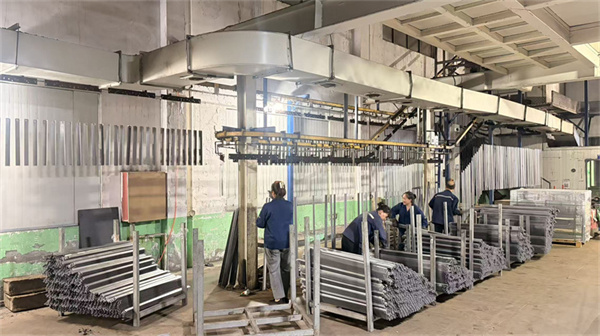
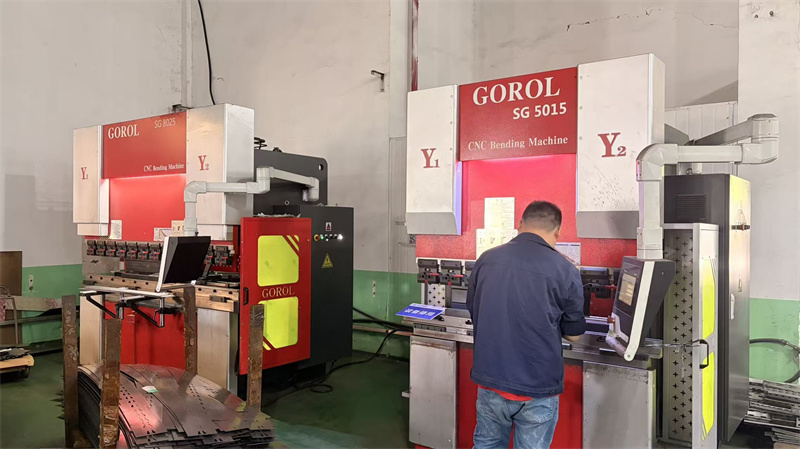
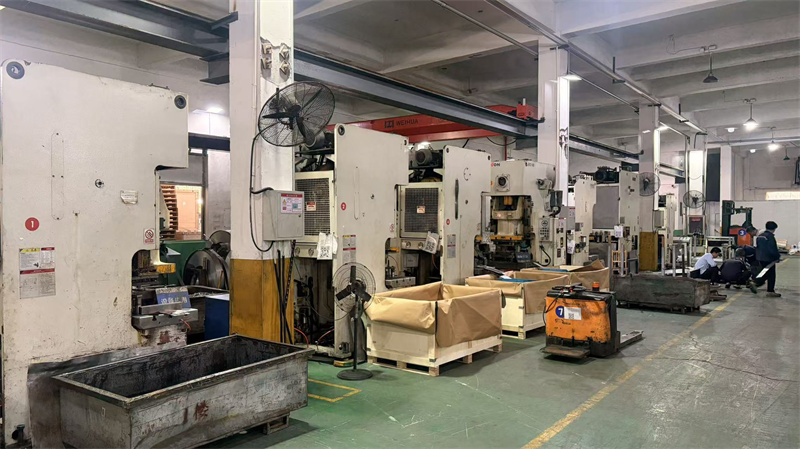
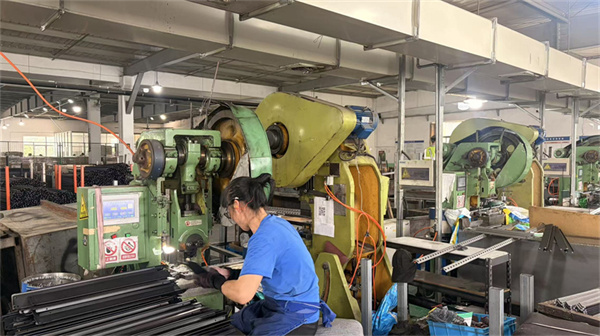
Deep industry expertise and technologically advanced methodologies establishing trust, reliability, and custom-configured capacity.
Founded in 2016, Suzhou Expandrack Logistics Equipment Co., Ltd. is a technologically advanced manufacturer specializing in heavy-duty selective pallet racking, drive-in systems, and automated rack-supported warehouse structures.
Backed by 10 years of deep industry expertise and 7 years of seamless international trade background, Suzhou Expandrack operates out of a modern 42,000-square-meter production complex in Suzhou, China. Driven by rigorous international standards, our company reaches an annual export revenue exceeding USD 36.0 million.
Our manufacturing plant operates under stringent ISO 9001:2015 and RMI (Racking Manufacturers Institute) protocols. The facility houses a specialized laboratory managed by 32 senior QC inspectors to ensure zero-defect output.
At Expandrack, innovation underpins every racking system. Our technical center is staffed by 42 specialized structural engineers who design space-optimizing racking layouts with enhanced safety margins. Last year, the R&D department introduced 120 new standard components and structural accessories to the market.
Tailoring storage architectures to specific commercial needs, loading profiles, and site requirements.
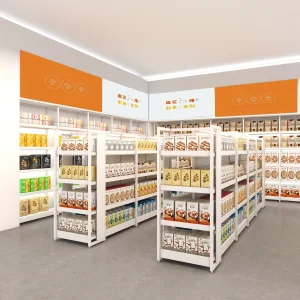
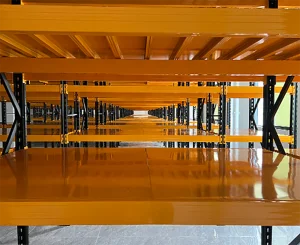
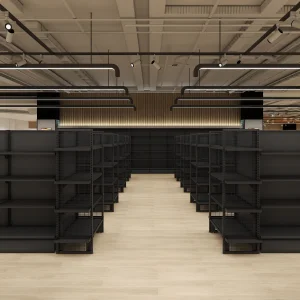
Designed to accommodate heavy foot traffic and hyper-speed replenishment cycles. Backrooms are configured with multi-tier mezzanine floors and heavy-duty single-sided supermarket racks, enabling rapid picking of split-case items while storing bulky items overhead.
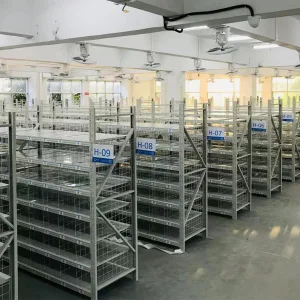
Demands anti-corrosive powder finishes and open wire mesh decks for clean air circulation. Expandrack systems are optimized for temperature-controlled rooms, ensuring complete stability under cold conditions and resistance to thermal shock.
Integrating automated roll-out cantilever racking for sheet metal, pipes, and heavy machinery parts. The manual crank-out features allow crane overhead hoisting without the need for fork trucks navigating tight aisles.
Essential questions answered by engineering professionals regarding standards, coatings, and load profiles.
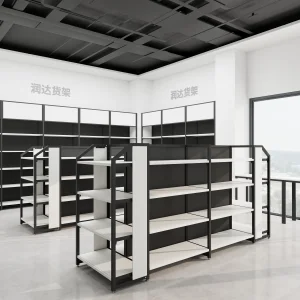
Combining structural stability, modular configurations, and sleek store layouts.
 Expandrack