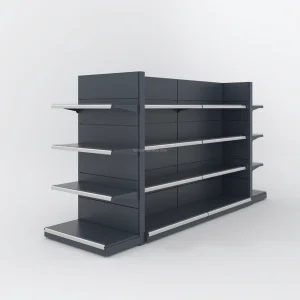
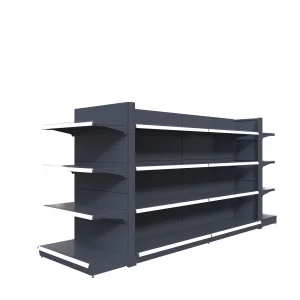
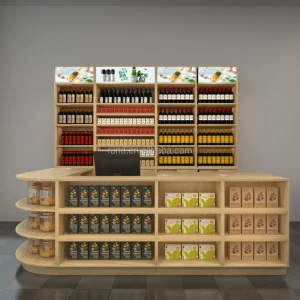
As omni-channel retail distribution networks scale internationally, global retail procurement agents face critical requirements for structural durability, visual cohesion, and supply chain security.
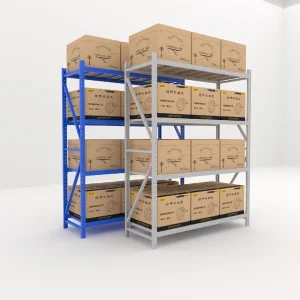
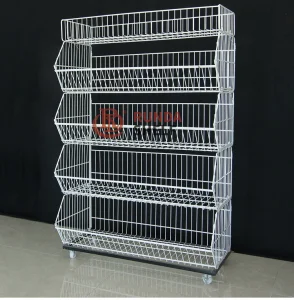
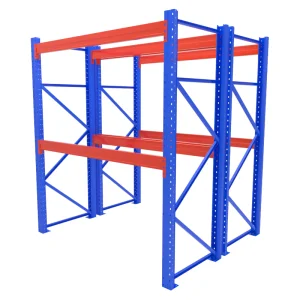
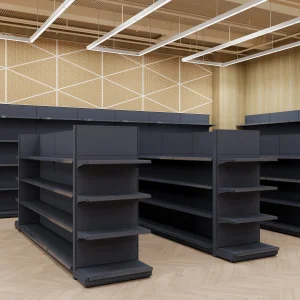
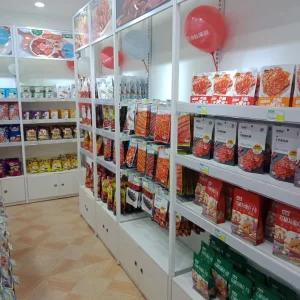
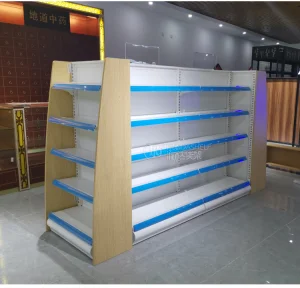
In modern commercial environments, a retail table display or heavy-duty rack system is not merely store furniture; it is the structural backbone of customer engagement and micro-logistics fulfillment. Major international multi-brand retailers, supermarket chains, and logistics companies demand highly robust structures capable of supporting substantial loads while remaining modular. This operational flexibility allows systems to adapt seamlessly to shifting layout strategies. Standard commercial specifications require robust structural integrity, load capacities verified by certified engineering testing (e.g., Racking Manufacturers Institute standards), and compliance with severe environmental regulations.
For international sourcing agents, procurement decisions hinge on minimizing Total Cost of Ownership (TCO) and mitigating supply-chain disruptions. Sourcing partners evaluate factories based on their access to high-grade structural steel raw materials, high-speed automated rolling and stamping production lines, and localized compliance certification systems (such as ISO 9001:2015 and CE certification). The global market demand has shifted dramatically from static displays to high-adaptability, custom OEM/ODM solutions. By utilizing custom layouts, retail and warehouse facilities optimize vertical clear height, increase high-density storage capacity, and maximize return on retail floor investment.
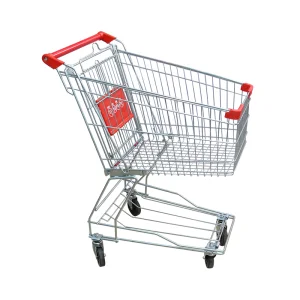
Traditional light-duty displays are quickly becoming obsolete due to elevated load stresses in multi-channel fulfillment operations. Current industry requirements require that heavy-duty steel shelving and retail checkout infrastructure support continuous operational loads without deflection, integrating seamless, scratch-resistant powder-coated surfaces for heavy foot-traffic environments.
As global logistics hubs and high-foot-traffic supermarkets converge in style and utility, the boundary between warehousing and point-of-sale displays has blurred. Our comprehensive solutions address this structural overlap by using high-strength structural carbon steels (such as Q235B or equivalent grades) and precision roll-forming lines. Through computerized structural engineering, each upright rack profile, cross-beam weld configuration, and shelving bracket assembly undergoes stringent stress analysis. Our engineering process incorporates finite element analysis (FEA) to simulate load distributions under seismic movements and high mechanical stress, ensuring compliance with both retail safety standards and rigorous industrial logistics specifications.
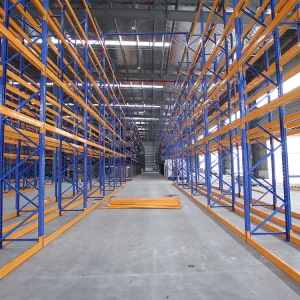
Furthermore, modern high-density warehouses use Very Narrow Aisle (VNA) system configurations that utilize heights up to 15 meters. At this scale, even minor structural deviations can compromise safety. Our automated manufacturing utilizes continuous online visual laser scanning to check the alignment of upright roll-forming columns. This approach eliminates structural sway and uneven load distribution, providing long-term reliability.
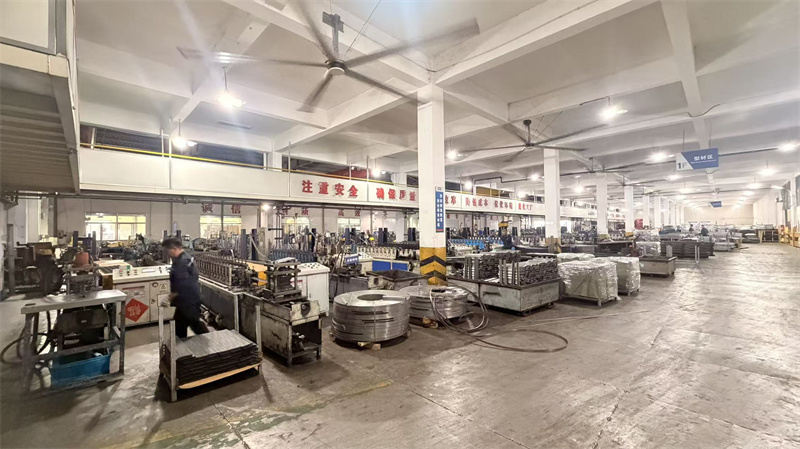
Founded in 2016, Suzhou Expandrack Logistics Equipment Co., Ltd. is a technologically advanced manufacturer specializing in heavy-duty selective pallet racking, drive-in systems, and automated rack-supported warehouse structures. Operating out of our modern 42,000-square-meter facility in Suzhou, China, we combine 10 years of deep industry expertise with 7 years of seamless international trade operations. Our annual export revenue exceeds USD 36.0 million, demonstrating our commitment to quality. The factory utilizes specialized production machinery to process structural carbon steel with high precision, maintaining zero-defect tolerances throughout production.
Shearing Process
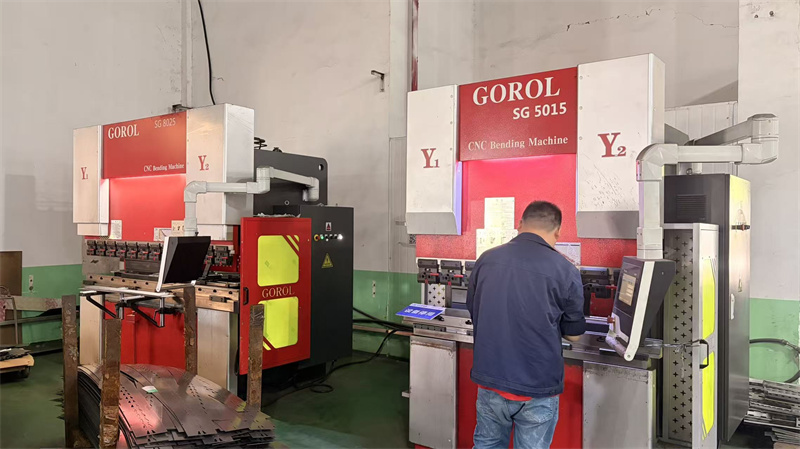
Bending Process
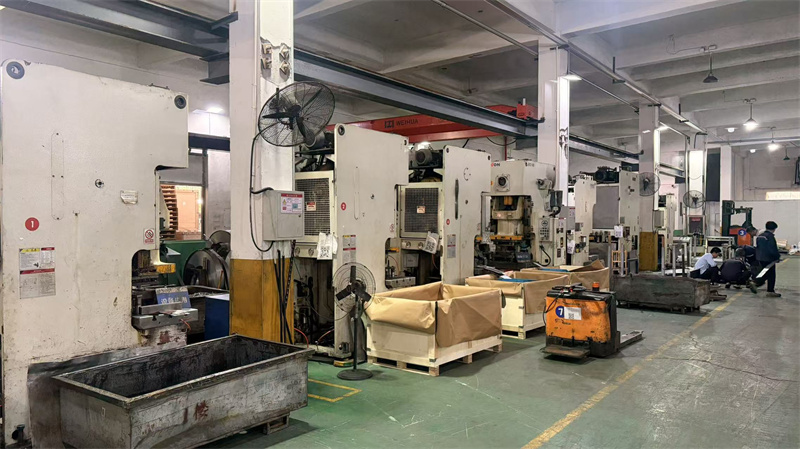
Punching Process
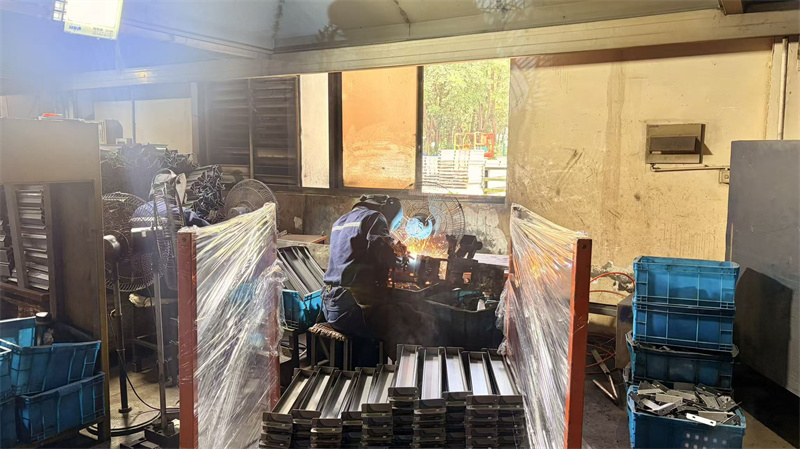
Welding Process
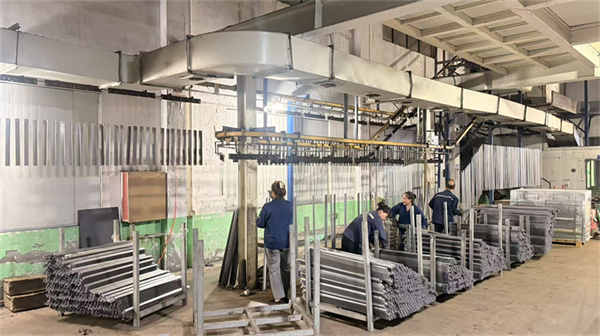
Spray-painting Process
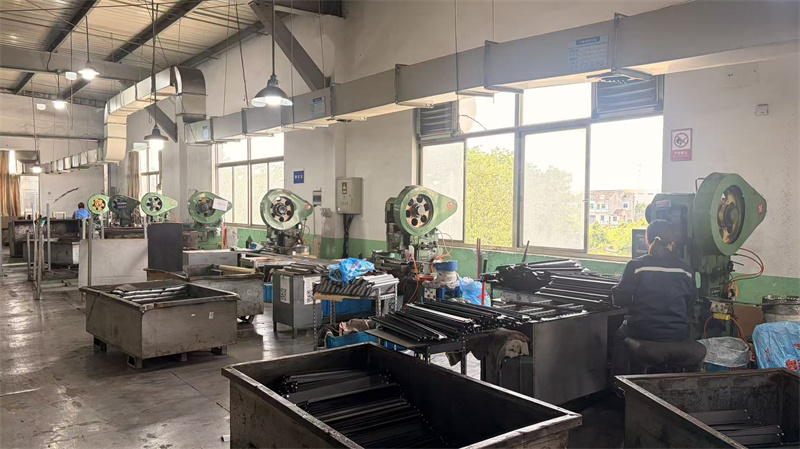
Riveting Process
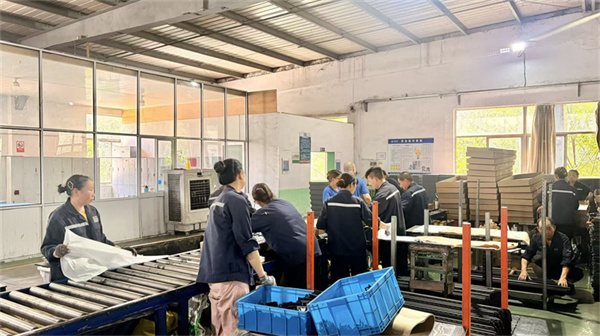
Inspection and Packing
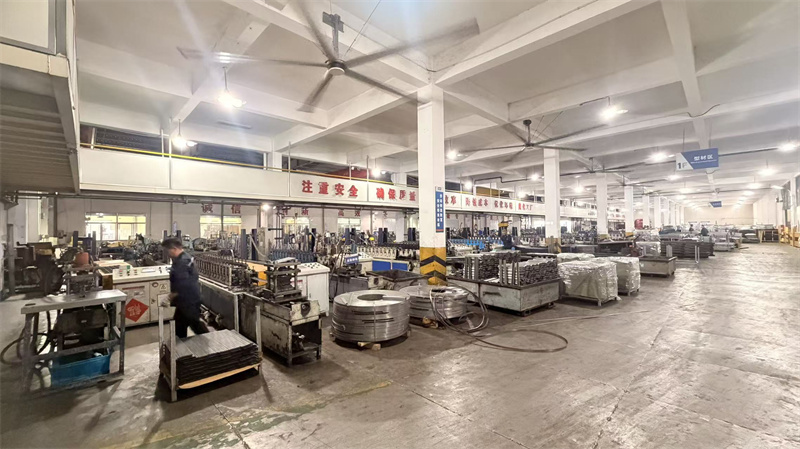
Shearing Machine
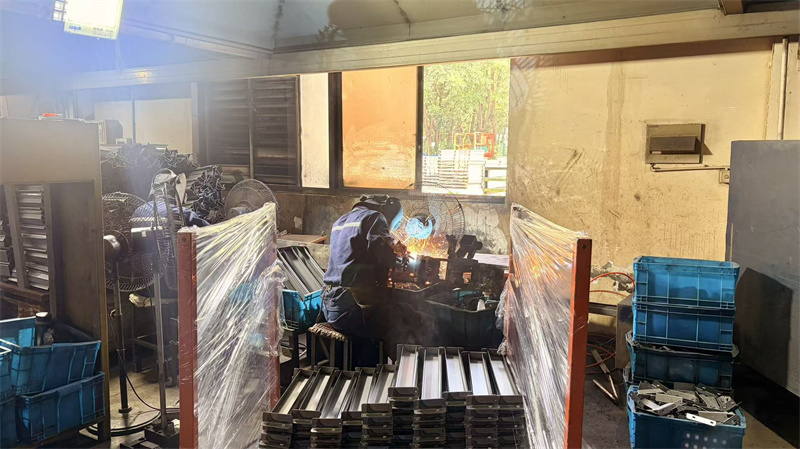
Welding Table
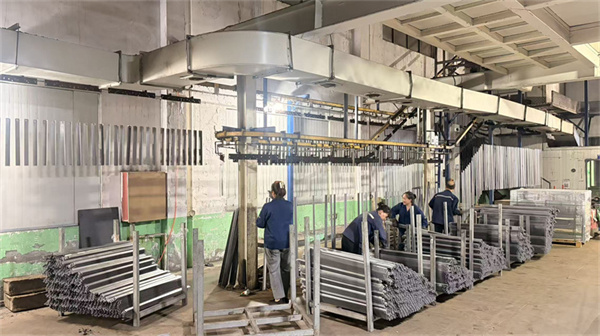
Spray-painting Line
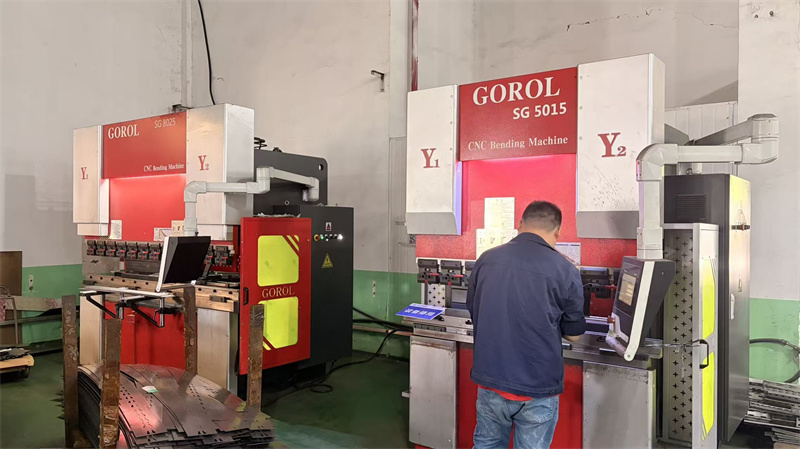
Bending Machine
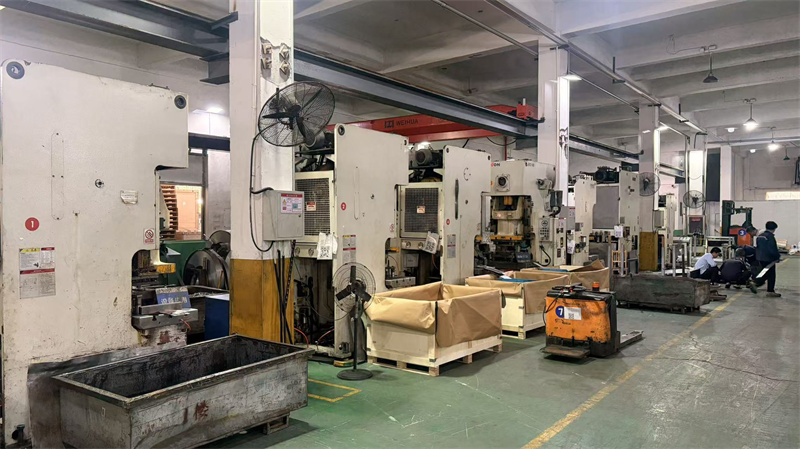
Punching Machine
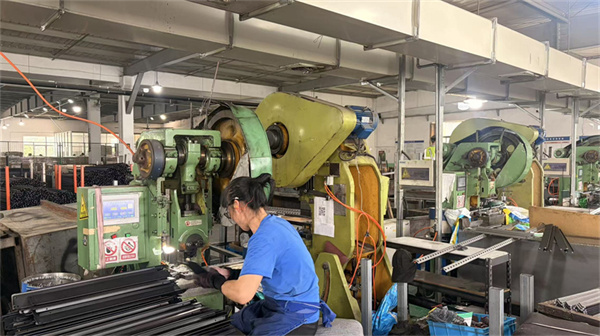
Riveting Machine
The manufacturing sequence begins with precision raw material selection. The incoming steel coils are subjected to spectro-analysis for structural steel raw material grade compliance. Following shearing and bending, computer-controlled punching processes create precise keyhole patterns. Continuous online visual laser scanning is deployed to guarantee upright roll-forming precision within tight tolerance margins.
Welding steps are completed by certified operators using high-strength carbon dioxide shielded arc welding, followed by dynamic load-to-failure testing on rack beams and connector hooks. The components are then finished on our modern automated electrostatic powder coating lines. Our coating process includes standard pre-treatments—such as pickling, phosphating, and multi-stage rinsing—to maximize paint adhesion and surface durability. Finished products undergo impact and scratch-resistance testing to confirm the coating's longevity in high-traffic environments.
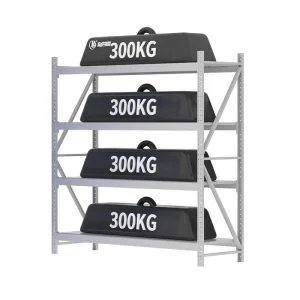
As warehousing and commercial retail design evolve, the technologies supporting store display systems are undergoing significant development. The future of retail table displays and storage racks relies on modular customization and integrated digital technologies. Modular shelving systems allow companies to quickly scale displays to match inventory volume changes. Integrating lightweight, high-yield structural alloys reduces shipping weights and carbon emissions, while maintaining the structural strength needed to support up to 300kg per shelf.
Additionally, the integration of smart sensors, RFID transponders, and automated inventory systems transforms simple steel racks into data-gathering hubs. These advances enable real-time inventory tracking, helping retailers optimize product availability and streamline logistics operations.
At Suzhou Expandrack, quality assurance is fundamental to our engineering processes. Our manufacturing plant operates under ISO 9001:2015 and RMI (Racking Manufacturers Institute) protocols. Our testing laboratory is run by 32 senior QC inspectors to ensure all components comply with international standards.
Our testing protocols require that raw steel batches show clear traceability back to their metallurgical origins. Every manufacturing run is validated with physical tests, including paint adhesion tests, salt-spray corrosion tests for exterior finishes, and destructive load-to-failure testing on load-bearing components. We build structural safety margins into every assembly, protecting operations against accidental overload and seismic vibrations. This emphasis on compliance protects users, safeguards capital investments, and ensures smooth customs clearance during import and export.
We primarily utilize high-strength carbon steel, such as Q235B or its international equivalents, to manufacture our racking systems. This material undergoes raw material testing to verify its structural integrity. This ensures that every roll-formed section meets structural standards like the RMI (Racking Manufacturers Institute) protocols, providing reliable load-bearing performance and long-term durability under heavy store and warehouse use.
Our quality control team performs destructive load-to-failure testing on beams, uprights, and shelf brackets. We verify load ratings with computer simulations and physical stress testing, confirming the system's structural limits. This validation ensures that light-duty shelves (200kg-300kg per tier) and heavy-duty industrial storage racks can safely handle their rated capacities in daily operations.
Yes. Our engineering department, consisting of 42 structural design specialists, develops custom solutions to meet specific facility layouts. We design and manufacture systems for narrow-aisle (VNA) configurations with heights up to 15 meters, multi-tier mezzanine floors, and adjustable pitch configurations. We also customize paint finishes to align with corporate branding and match specific environment requirements.
All structural metal parts undergo a multi-stage pre-treatment process—including pickling, phosphating, and surface cleaning—followed by electrostatic powder coating. This creates a hard, scratch-resistant barrier. The coating is tested for cross-hatch adhesion, impact tolerance, and salt-spray resistance to ensure long-term durability, even in humid environments.
Leveraging over 7 years of international trade experience and our proximity to shipping ports, we export to regions including Southeast Asia, the Middle East, South America, and Eastern Europe. Components are flat-packed in high-density protective materials to prevent damage during transit. Our team coordinates shipping documentation and customs clearance, ensuring efficient delivery to your warehouses or job sites.
 Expandrack