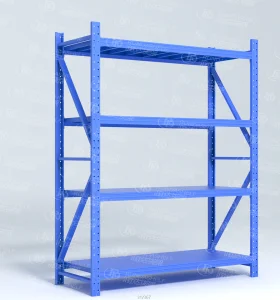
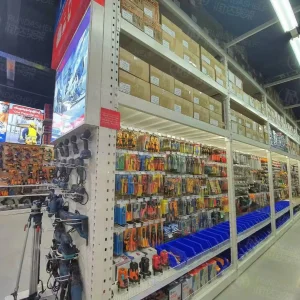
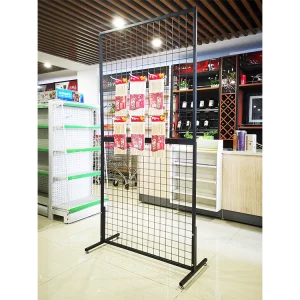
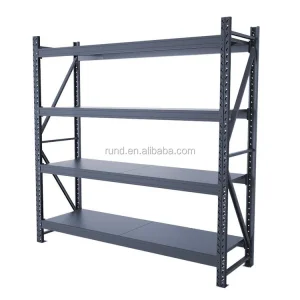
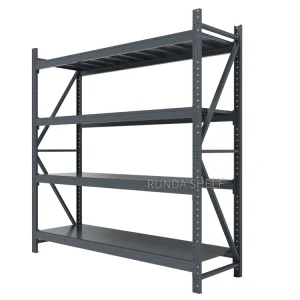
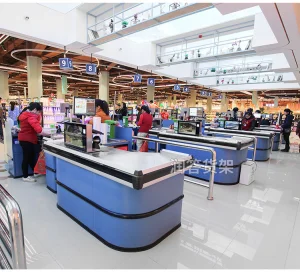
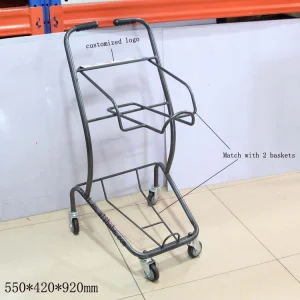
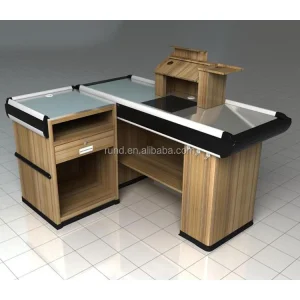
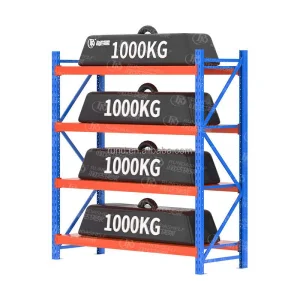
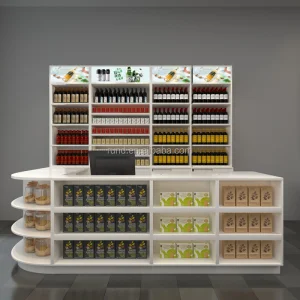
Discover high-capacity display, storage, and material handling solutions engineered to maximize spatial efficiency.
The modern workspace is undergoing a structural paradigm shift. No longer confined to mere utility, corporate storage environments—especially executive conference rooms and high-density office layouts—require a integration of high aesthetic value and structural load reliability. Today's commercial storage must perform multiple roles: acting as an acoustic dampening barrier, organizing sophisticated IT/AV communication hardware, and showcasing institutional achievements, while maintaining strict adherence to architectural structural integrity standards.
As modern offices adopt open-plan concepts, the demand for modular, high-load shelving has increased. Commercial developers and corporate procurement managers are actively seeking heavy-duty, steel-core customizable racking units that feature high-end finishes, such as electrostatic powder coatings. This prevents systemic deformation under unevenly distributed loads while seamlessly blending with contemporary interior designs. Global compliance mandates—particularly around fire safety clearances and seismic ratings in corporate structures—have made structural load computations a critical aspect of procurement.
Sourcing industrial-grade shelving on a global scale requires an understanding of logistics operations, regulatory compliance, and raw material validation. Procurement executives face the challenge of sourcing products that balance cost-efficiency with long-term structural durability. The core of strategic sourcing lies in identifying manufacturing partners who can provide certified load charts, raw material spectro-analysis reports, and customizable sizing variables.
Key procurement criteria for Fortune 500 facilities and global supply chain hubs focus on modularity, seismic resilience, and surface durability. Systems must be designed for rapid deployment, allowing rapid reconfiguration without hot-work permits or specialized tooling. Additionally, anti-rust coatings must withstand varying temperature zones and marine shipping exposures. This demands that manufacturers utilize advanced pre-treatment processes and high-grade structural steels, such as Chinese standard Q235 or high-yield Q355 steel, to match international equivalents like ASTM A36 or Grade 50.
How our production facility engineered storage solutions to match the demands of modern infrastructure.
Our shelving designs incorporate custom baseplate anchoring systems and robust upright frames, engineered to withstand local seismic coefficients and dynamic floor-load distribution requirements.
Utilizing computer-controlled roll-forming production lines ensures consistent profiles with minimal structural tolerances, maintaining alignment throughout the lifetime of the installation.
Engineered with adjustable pitch connections, our systems allow rapid vertical shelf height modifications to support varying media, inventory, or archival formats.
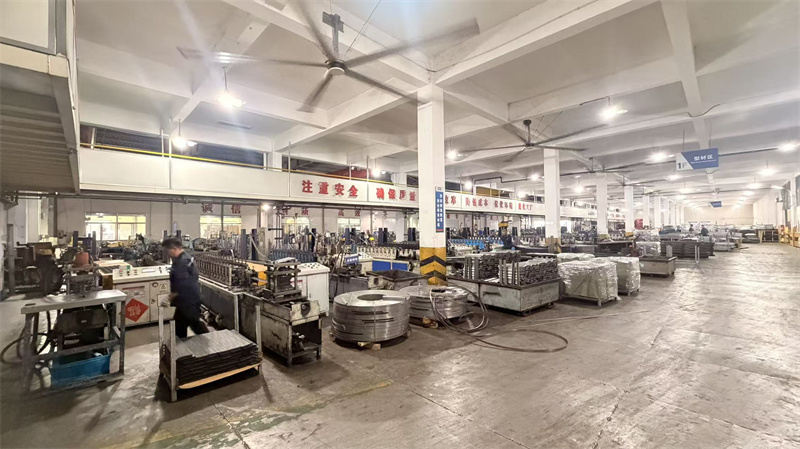
The landscape of commercial steel manufacturing has evolved through the implementation of Industry 4.0 practices. In China's industrial zones, raw sheet metal coil is processed into complex, structural profiles using automated, integrated systems. This high degree of technical integration ensures that production timelines are compressed while maintaining tight geometric tolerances across high-volume production runs.
As a prime example of this industrial transformation, Suzhou Expandrack Logistics Equipment Co., Ltd. (founded in 2016) operates a modern 42,000-square-meter manufacturing complex in Suzhou, China. Backed by 10 years of deep industry expertise and 7 years of seamless international trade background, Suzhou Expandrack achieves an annual export revenue exceeding USD 36.0 million. By leveraging a resilient supply chain networks consisting of over 850 strategic raw material and hardware partners, our logistics operations are insulated from sudden material shortages, securing competitive pricing and lead times for our global clients.
A detailed look into our state-of-the-art production line, showing our end-to-end component forming process.
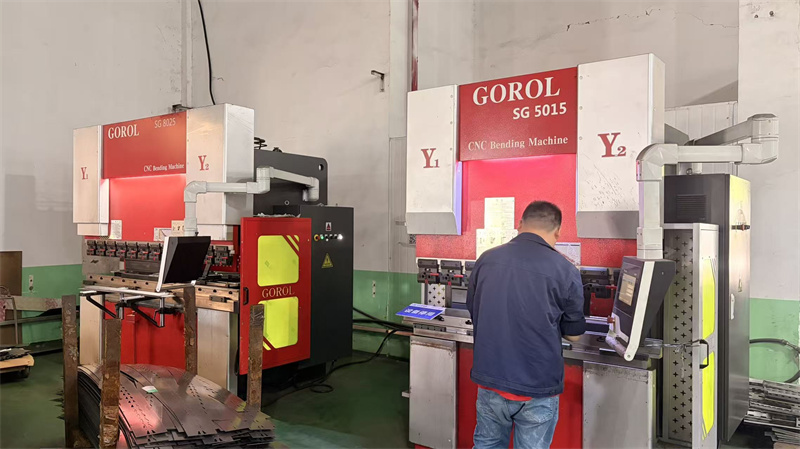
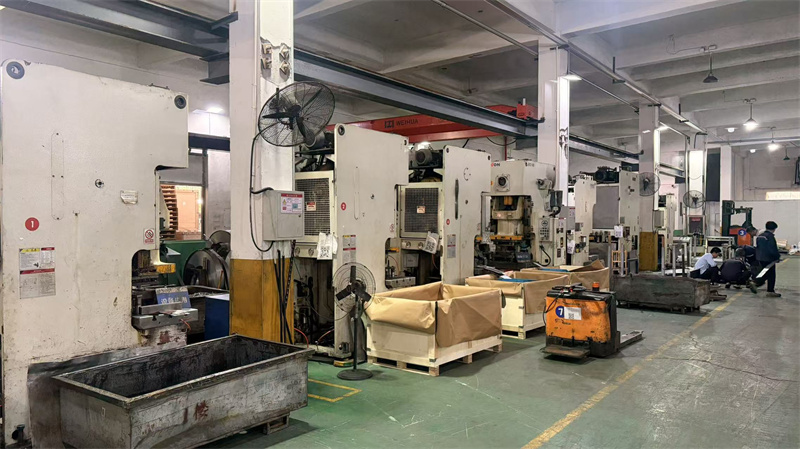
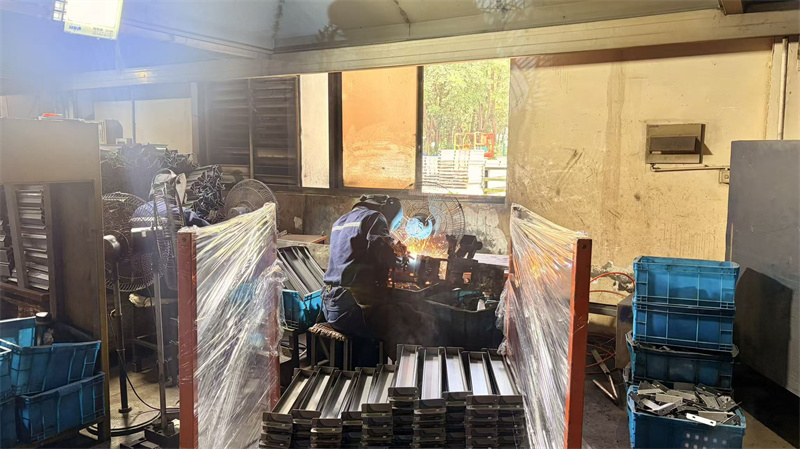
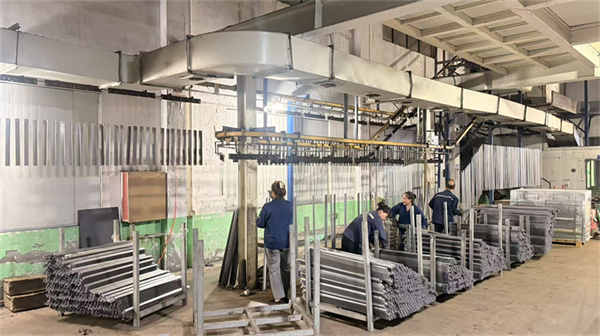
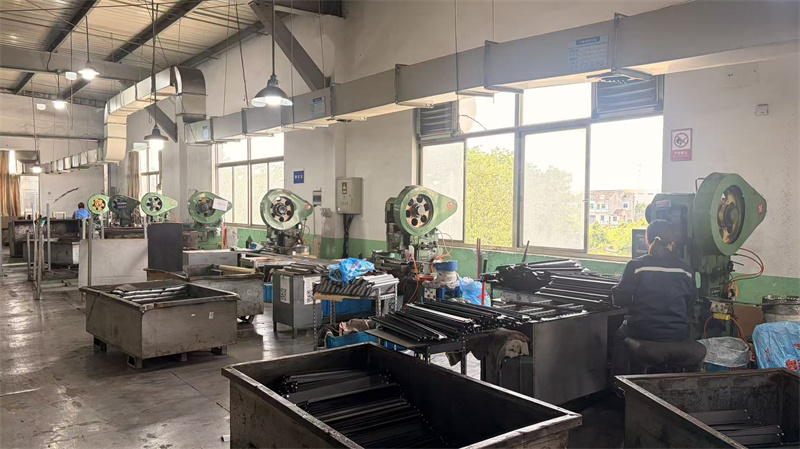
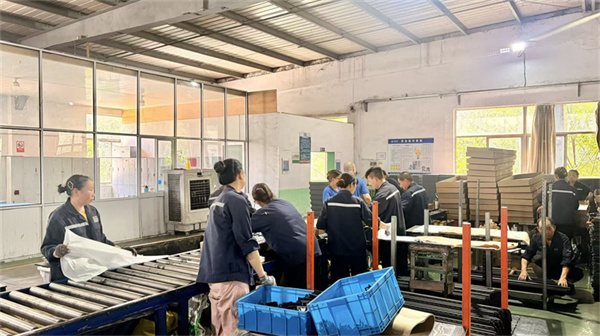
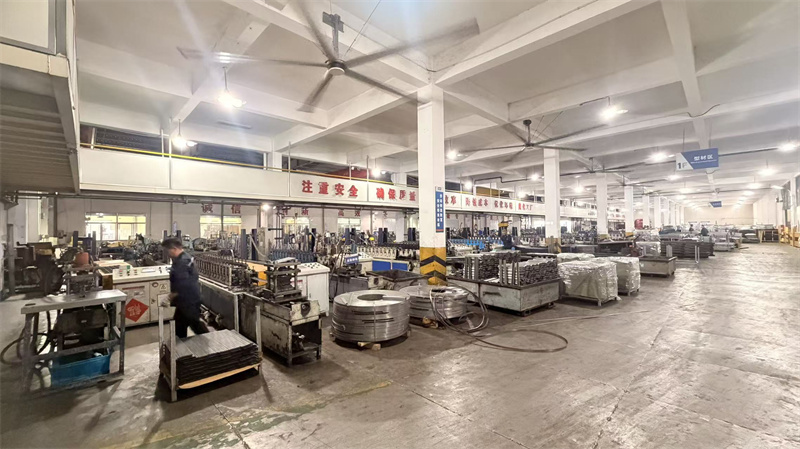
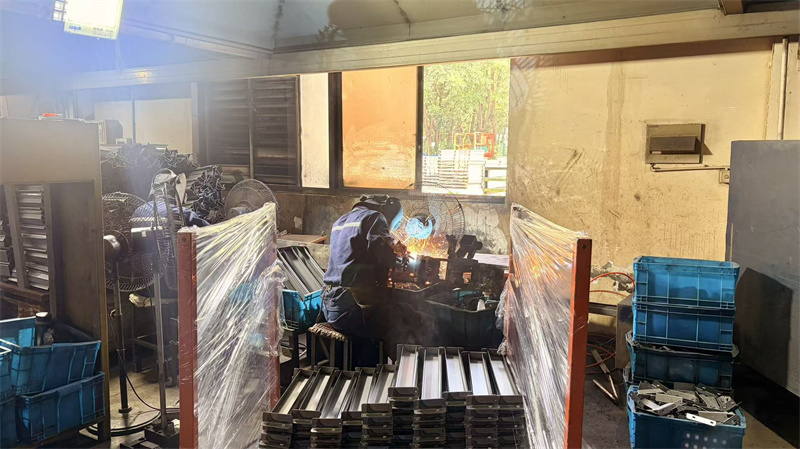
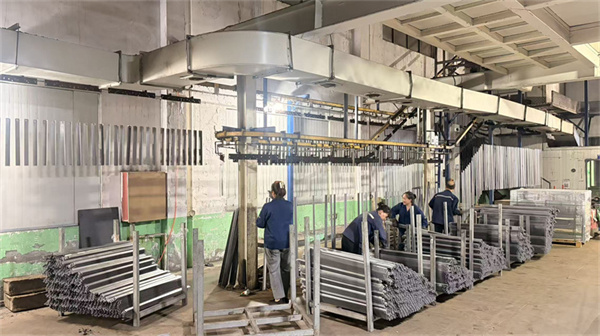
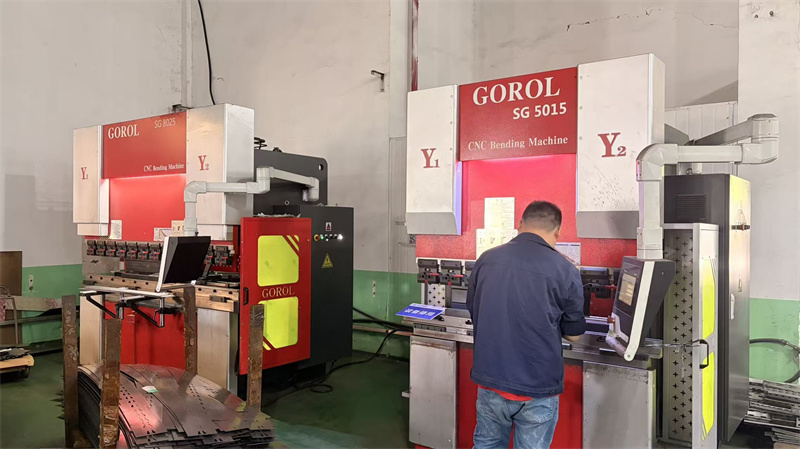
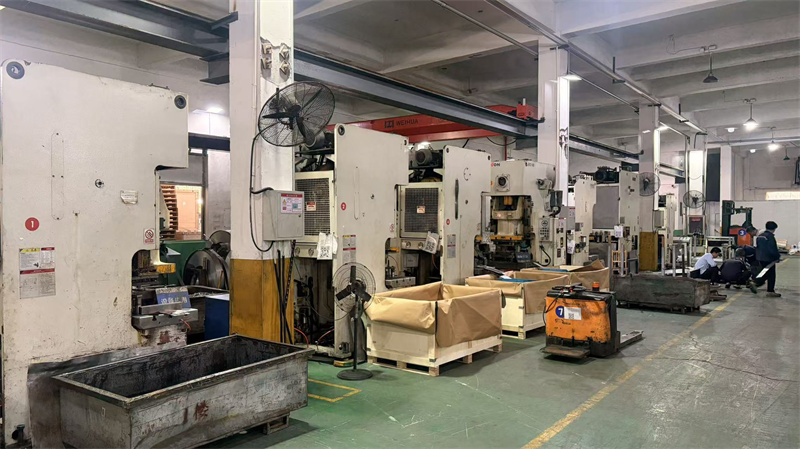
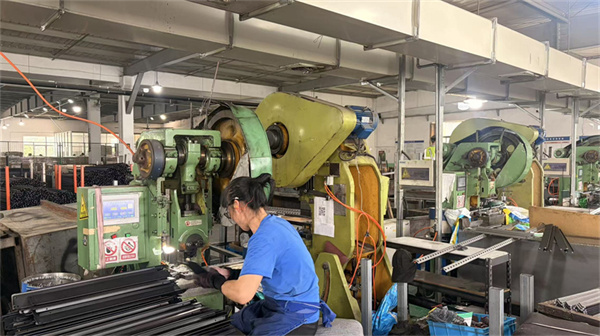
To ensure stability and reliability in heavy-duty commercial storage installations, Suzhou Expandrack strictly adheres to quality management protocols. Our facility operates under ISO 9001:2015 standards and conforms to RMI (Racking Manufacturers Institute) guidelines. Quality control is managed by a team of 32 senior QC inspectors operating in our state-of-the-art testing laboratory. Every batch of steel profiles undergoes structural validation, including:
Beyond standard shelving designs, our engineering department provides customized storage configurations. Our technical team features 42 specialized structural engineers who develop optimized warehouse and office floor layouts using advanced FEA modeling. In the past fiscal year, the engineering team added 120 new standard components and custom accessories to our product catalog. Customization capabilities include:
From executive workspaces to automated logistics hubs, our racking structures are designed for diverse industries.
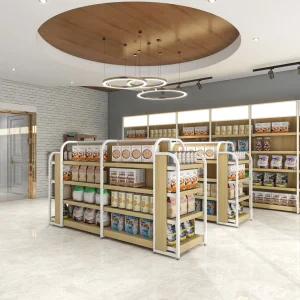
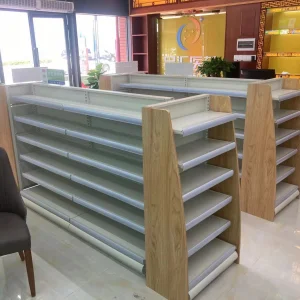
For corporate office environments, our shelving blends aesthetic integration with heavy-duty structural capabilities. Perfect for securing A/V communication hardware, physical documentation archives, and display items.
Our anti-corrosion stainless steel and epoxy-coated wire wire-shelving units support strict hygienic cleaning cycles, ensuring sanitary storage in medical facilities.
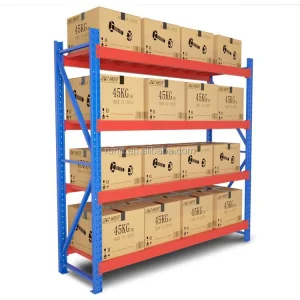
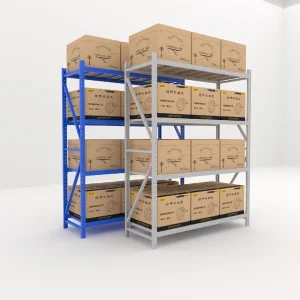
Designed for heavy pallet operations, high-bay VNA configurations, and automated retrieve structures, our systems maximize volumetric space while maintaining high structural safety factor ratings.
Answers to common structural engineering, custom manufacturing, and global shipping questions.
A: We primarily utilize high-grade Q235 and Q355 structural carbon steel. These steel grades are selected for their optimal mechanical properties, including reliable yield strength and ductility, which match international standards such as ASTM A36 and S235JR / S355JR. This ensures the structural performance of our racking systems under load.
A: Our internal quality management systems conform to ISO 9001:2015. Structural components undergo physical testing in our specialized laboratories, where we perform continuous laser dimension checks and destructive load tests. This ensures our designs align with RMI (Racking Manufacturers Institute) structural compliance principles.
A: Yes, our engineering department consists of 42 structural engineers who customize systems to meet specific requirements. We design configurations up to 15 meters high, incorporating features like narrow-aisle (VNA) rail integration, custom frame profiles, and integrated mezzanine floors.
A: We offer zinc plating, hot-dip galvanizing, and electrostatic epoxy powder-coating. Our electrostatic coating line applies a resilient, cross-linked polymer layer, providing defense against corrosion, mechanical impacts, and chemical exposure.
A: Lead times vary depending on layout complexity and material volume, typically ranging between 20 to 35 days from project confirmation to port delivery. Leveraging our relationships with 850 strategic partners, we ensure reliable production scheduling and logistics coordination.
Heavy-duty stacking racks, modular shelving, and checkout counters for commercial facilities.
 Expandrack