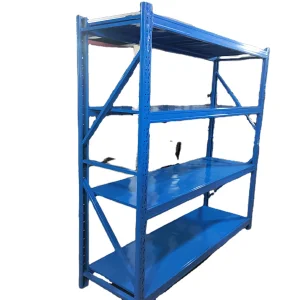
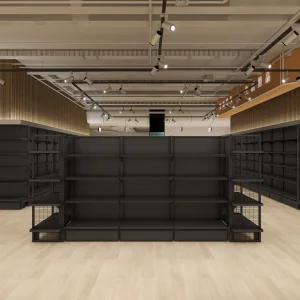
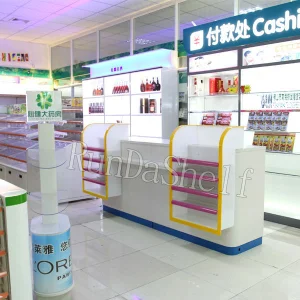
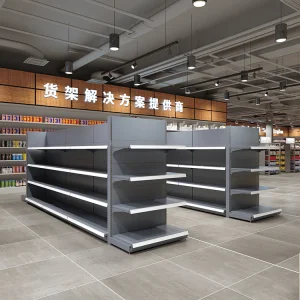
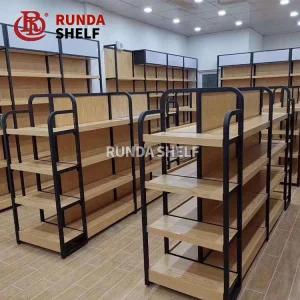
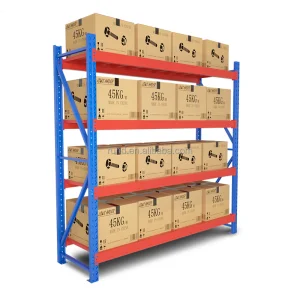
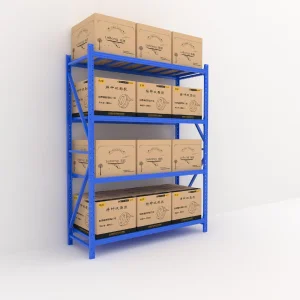
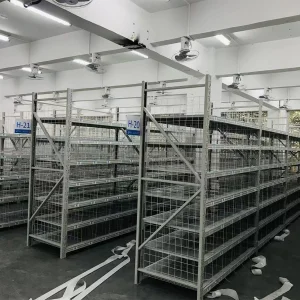
Premium heavy-duty and retail shelf inventory configurations engineered to comply with high industrial safety and sanitation thresholds.
The engineering imperative of low-temperature operations demands structural integrity that exceeds ambient conditions. Discover the metallurgical dynamics of sub-zero logistics.
Industrial logistics inside freezers (ranging from 0°C to -60°C) presents an extreme challenge for material science. At sub-zero levels, ordinary mild carbon steel undergoes a physical transition known as the Ductile-to-Brittle Transition Temperature (DBTT). Standard structural steel, which exhibits high ductility at room temperature, can become highly brittle under low temperatures, leading to sudden catastrophic failure under structural load.
As a premier CE certified freezer racks supplier and exporter, we source specific grades of steel, such as Q355D, Q355E, or high-yield S355J2+N. These materials undergo strict Charpy V-Notch Impact Testing at -20°C and -40°C to ensure the steel absorbs kinetic energy without cracking. By manufacturing high-density selective pallet racking and drive-in systems with certified low-temperature alloys, we guarantee that the structures withstand the dynamic forklift impacts and static stress common in busy cold chain distribution centers.
The European Conformity (CE) marking is not merely a trading asset; it represents a commitment to structural safety. CE compliance implies adherence to EN 15512 (Steel Static Storage Systems), EN 1090-1, and EN 1090-2 (Execution of Steel Structures). Under the Construction Products Regulation (CPR) (EU) No 305/2011, storage racks must be structurally calculated to withstand vertical loads, horizontal seismic accelerations, and the micro-vibrations induced by high-reach stacker cranes.
For exporters distributing to Europe, North America, and the Asia-Pacific region, CE-certified systems confirm that structural tolerances, roll-forming precision, weld penetrations, and surface finishes satisfy rigorous safety guidelines. This certification minimizes liability and ensures smooth insurance approval and workplace health audits for logistics operators.
Leveraging advanced simulation models and precision fabrication machinery to deliver optimal structural integrity.
A global leader in structural engineering, warehousing logistics, and heavy-duty industrial storage systems.
Founded in 2016, Suzhou Expandrack Logistics Equipment Co., Ltd. is a technologically advanced manufacturer specializing in heavy-duty selective pallet racking, drive-in systems, and automated rack-supported warehouse structures. Backed by 10 years of deep industry expertise and 7 years of seamless international trade background, Suzhou Expandrack operates out of a modern 42,000-square-meter production complex in Suzhou, China. Driven by rigorous international standards, our company reaches an annual export revenue exceeding USD 36.0 million.
Our global market presence spans Southeast Asia, the Middle East, South America, and Eastern Europe. Leveraging a resilient supply chain of over 850 strategic material and hardware partners, Expandrack delivers end-to-end storage solutions tailored for diverse commercial sectors. Our main customer types include industrial material handling distributors, retail logistics hubs, pharmaceutical storage managers, and automotive assembly lines.
Our manufacturing plant operates under stringent ISO 9001:2015 and RMI (Racking Manufacturers Institute) protocols. The facility houses a specialized laboratory managed by 32 senior QC inspectors to ensure zero-defect output. Our rigorous inspection protocols encompass:
At Expandrack, innovation underpins every racking system. Our technical center is staffed by 42 specialized structural engineers who design space-optimizing racking layouts with enhanced safety margins. Last year, the R&D department introduced 120 new standard components and structural accessories to the market. Customization configurations include:
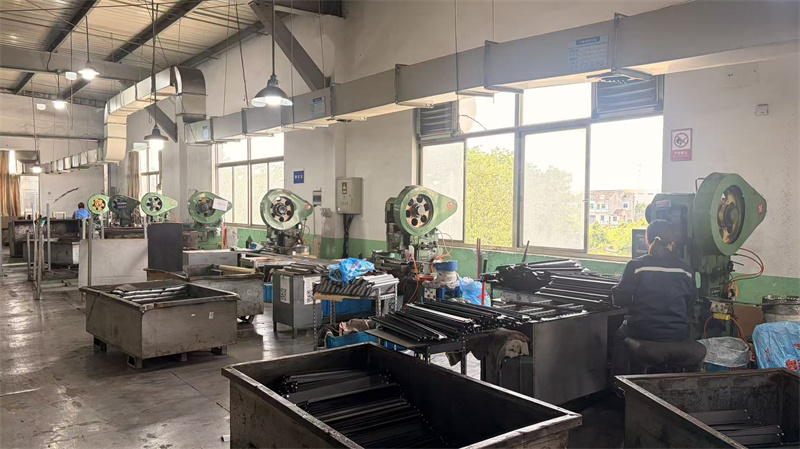
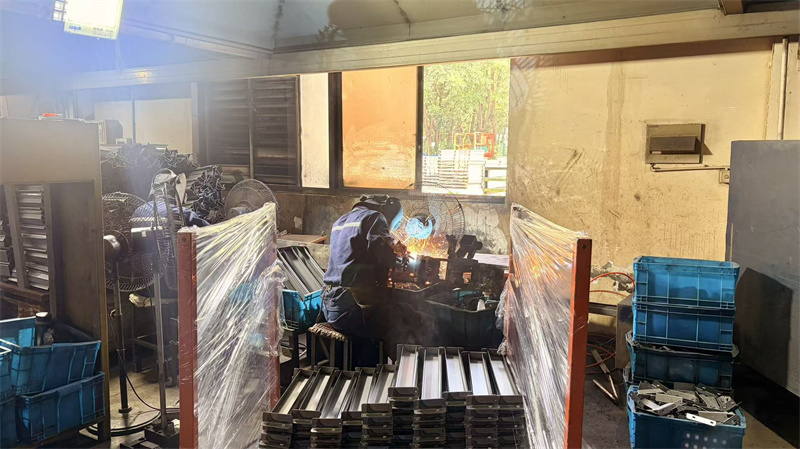
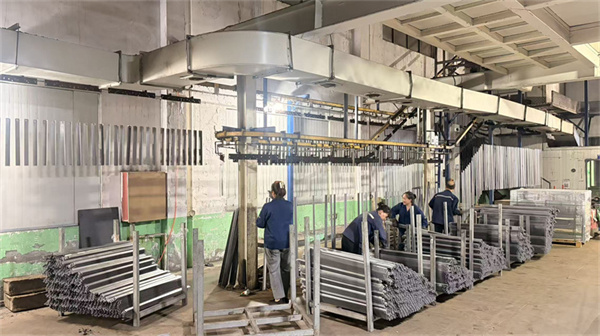
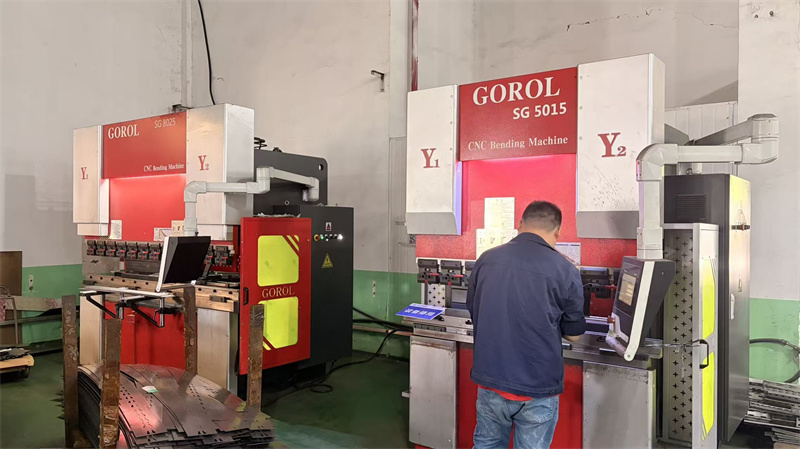
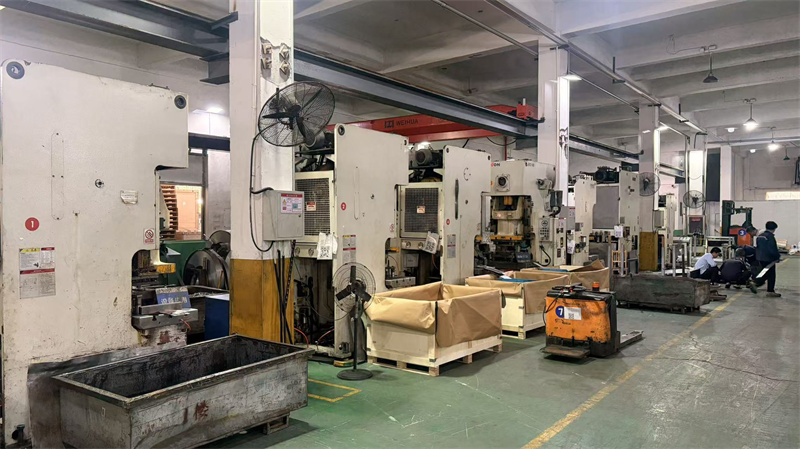
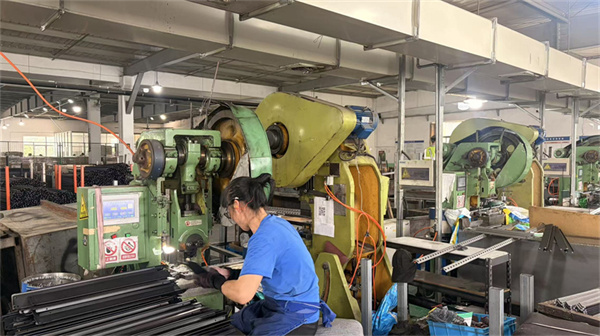
Our ISO-certified manufacturing facility features state-of-the-art machinery and robotic setups, securing premium finish quality and dimensional precision.
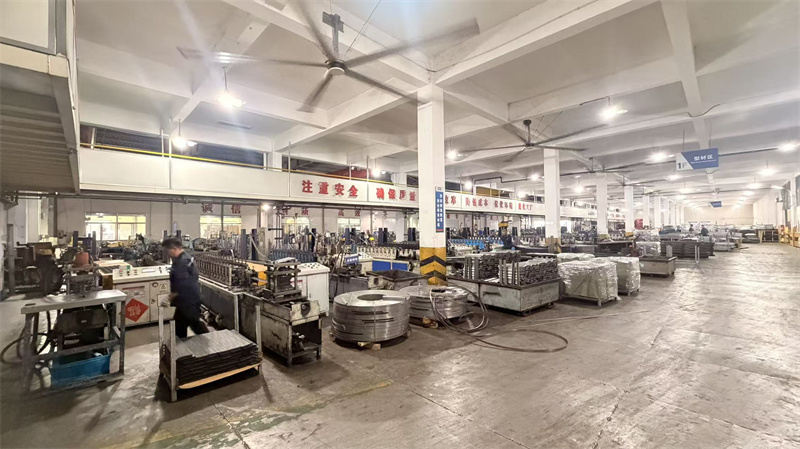
Precision steel sheet cutting to initial raw blanks.
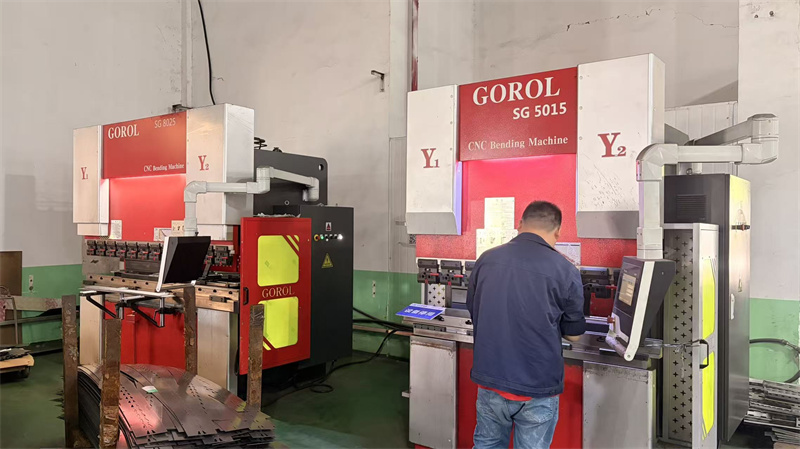
CNC plate forming to achieve exact structural profile angles.
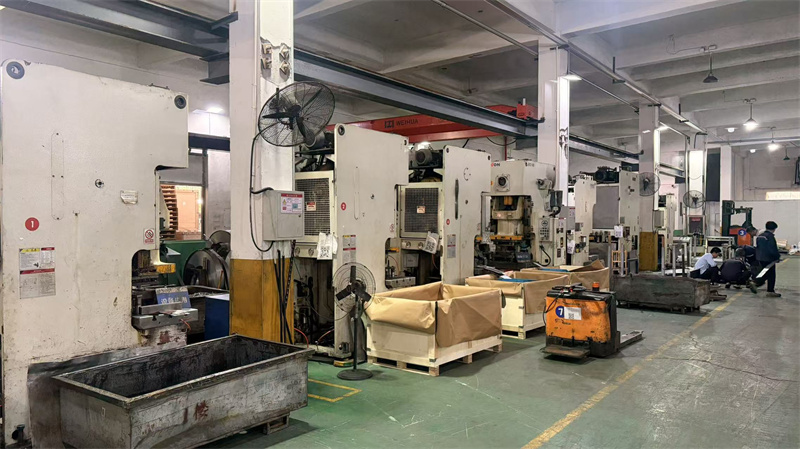
High-speed structural pitch punching with zero deviation.
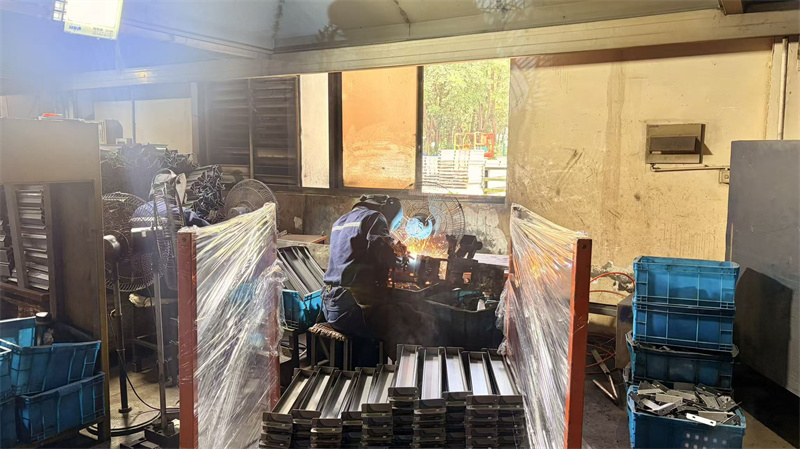
Robotic MIG welding for deep penetration structural seams.
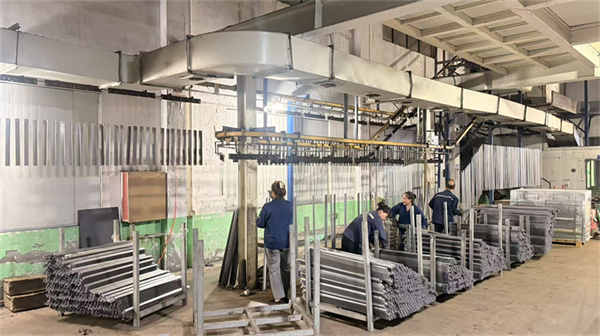
Electrostatic powder coating optimized for durability.
Heavy-duty assembly interlocking for secondary reinforcement.
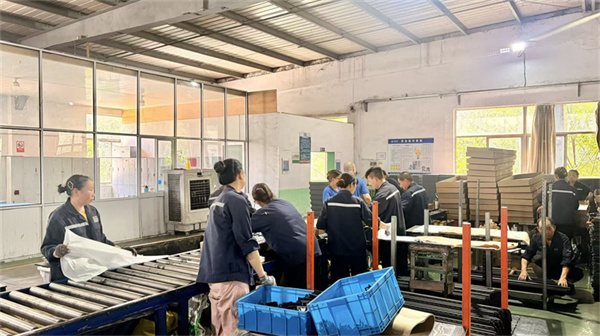
Rigorous QA inspection before specialized export strapping.
A look at our plant floor tooling, designed for heavy logistics structures and high-throughput order fulfillment.
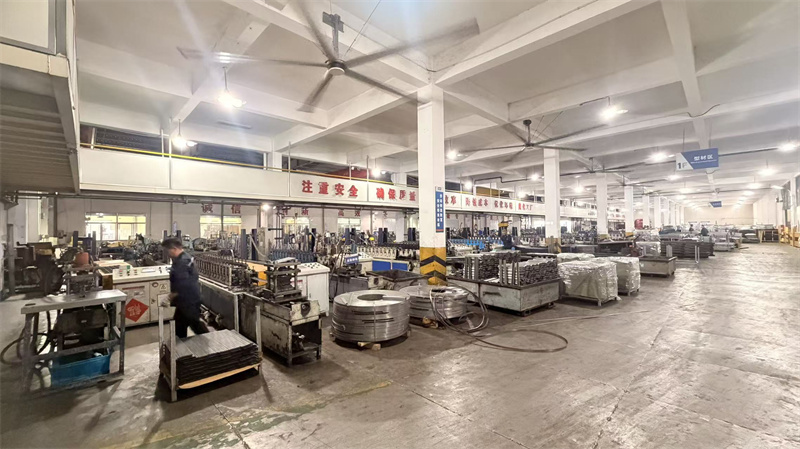
Ensuring compliance with localized structural standards while integrating next-generation IoT monitoring systems into modern cold storage spaces.
The specifications for industrial freezer racks vary significantly depending on localized climate, regional regulations, and seismic zones.
The future of cold chain logistics is deeply tied to automated systems. High energy costs inside cold storage warehouses mean that density is the primary driver of ROI. Automated Storage and Retrieval Systems (AS/RS) and automated shuttle storage configurations allow facilities to operate with minimal footprint overhead, optimizing air circulation efficiency.
Our design pipeline integrates structural rack upright profiles that accommodate high-speed crane rails, sensor arrays, and IoT telemetry monitors. In-situ thermal expansion joints are engineered directly into the frame systems to allow the rack structures to expand and contract smoothly during routine defrosting cycles, preventing micro-stress fractures in heavy structural nodes.
Structural steel thickness tolerances and raw material consistency form the foundation of our engineering process. Through finite element calculations, we optimize column shapes to offer high load-bearing capacities with minimal raw material weight. This structural optimization lowers transport costs and reduces the carbon footprint associated with global logistics.
Explore answers to technical questions concerning design standards, steel performance, and global certifications in low-temperature warehousing.
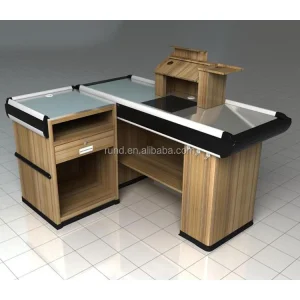
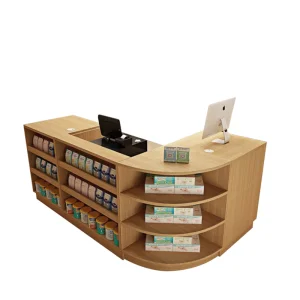
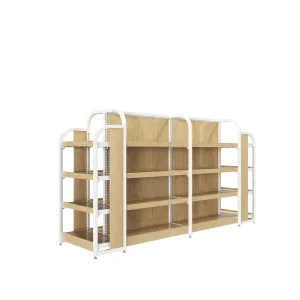
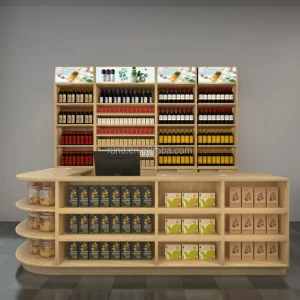
Explore our complete range of customized store fixtures, retail checkouts, and high-capacity storage racks.
 Expandrack