Expertly optimized for heavy foot traffic, compact aisle structures, and smart checkout configurations within Korea’s leading retail franchises.
Understanding the demanding spatial and regulatory landscape of South Korea's retail industry.
The Seoul Metropolitan Area is home to over 25 million consumers, driving one of the highest densities of large-scale retail storefronts, warehouse clubs (such as E-Mart, Lotte Mart, Homeplus, and Costco Korea), and boutique convenience networks. Unlike Western suburban retail designs, Seoul's commercial properties operate in multi-level architectures where elevators, escalators, and moving walks (travelators) are structural necessities.
Consequently, shopping carts and material handling equipment must meet stringent operational tolerances. Traditional rigid metal carts fail to maintain lineation on 12-degree travelator inclines, risking customer safety. Modern Seoul buyers require carts equipped with advanced travelator brake-wheels, ultra-silent polyurethane (TPU) bearings, and impact-resistant bumpers to navigate highly compact checkout corridors.
Additionally, modern retail systems in Korea are shifting toward IoT integrations, smart payment cradles, and self-checkout RFID tracking. This has spurred a massive demand for lightweight, high-capacity hybrid composite trolleys that do not interfere with electromagnetic scan waves. As an established direct-to-market manufacturer, Suzhou Expandrack designs and exports premium trolleys specifically modified to match these tech-driven specifications.
How Suzhou Expandrack aligns state-of-the-art Chinese steel manufacturing with Korean consumer quality standards.
All child-seat mechanisms, unfolding hinges, and chassis balances are constructed to pass South Korea's Safety Criteria for Consumer Products (KC Mark). Load capacity tests ensure absolute stability up to 150 kg.
Our operations leverage direct-linked raw materials under rigorous Racking Manufacturers Institute (RMI) guidelines, certifying structural steel integrity and welding joint longevity.
Specially customized double-ball bearing wheels using Thermoplastic Polyurethane (TPU) and oil-resistant synthetic rubbers allow seamless maneuvering inside quiet retail shops.
Quality Control & Testing Rigor: Founded in 2016, Suzhou Expandrack Logistics Equipment Co., Ltd. operates under strict zero-defect parameters. With 10 years of deep industry expertise and 7 years of seamless international trade background, our production compound incorporates an in-house laboratory to execute critical tests:
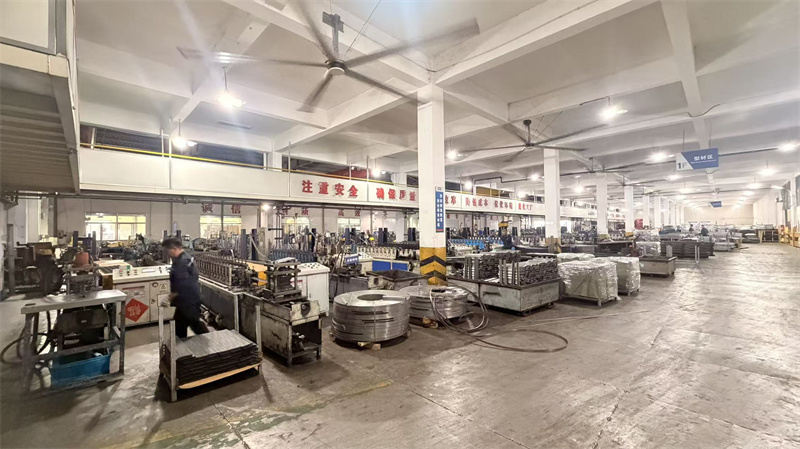
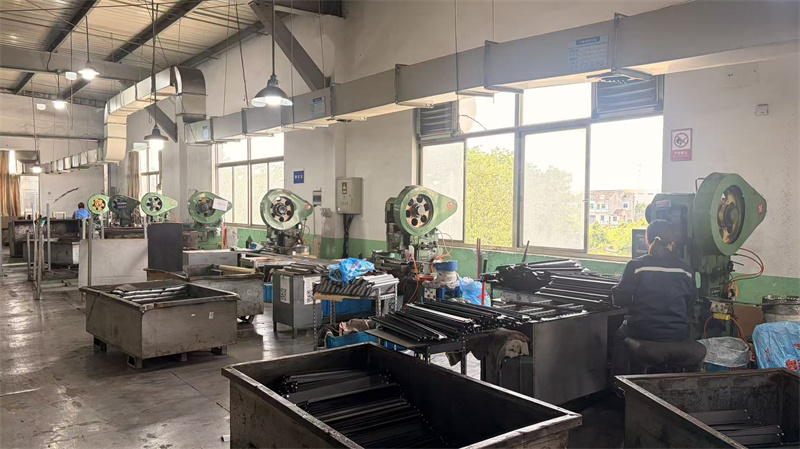
Our 42,000-square-meter facility utilizes robotic manufacturing systems to ensure high consistency and scalability.
 Shearing
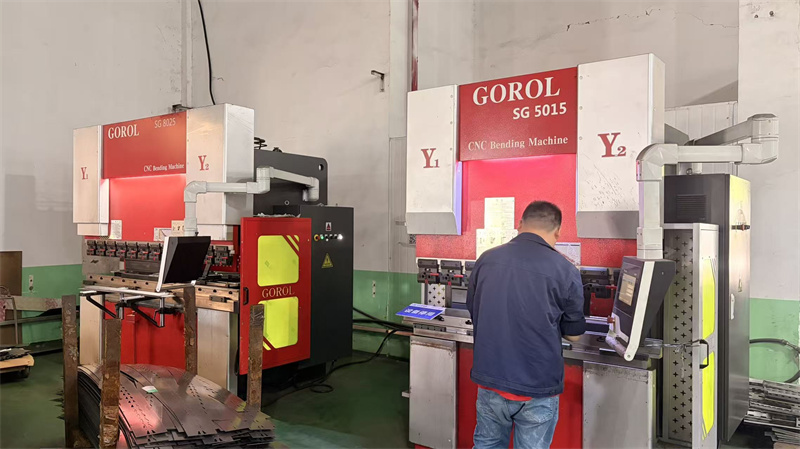 Bending
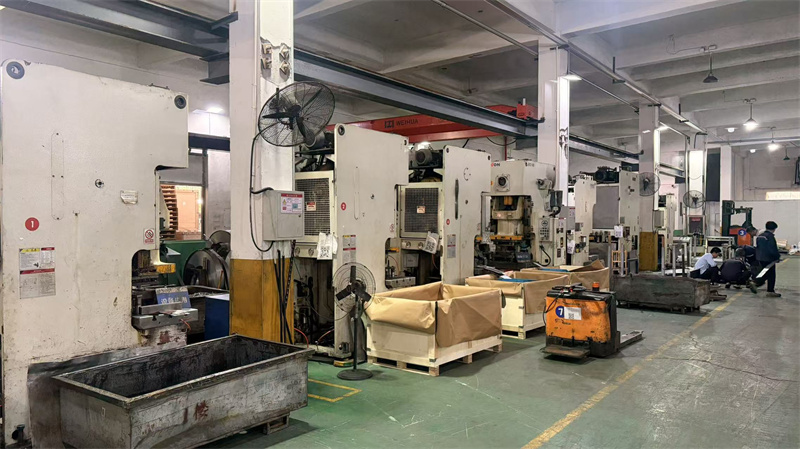 Punching
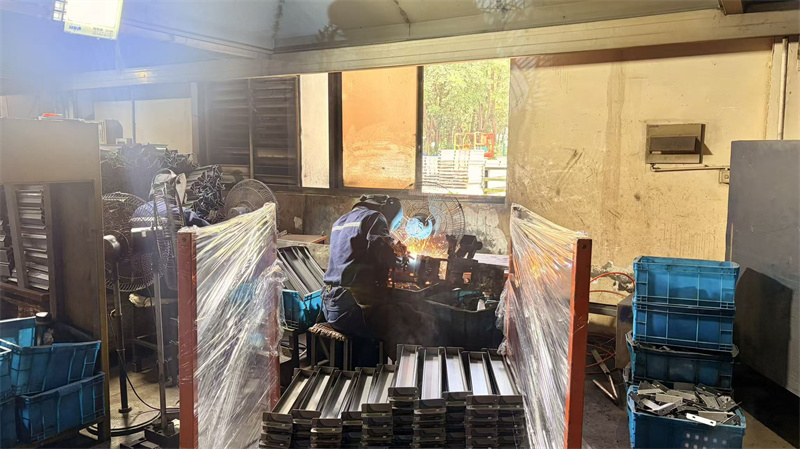 Welding
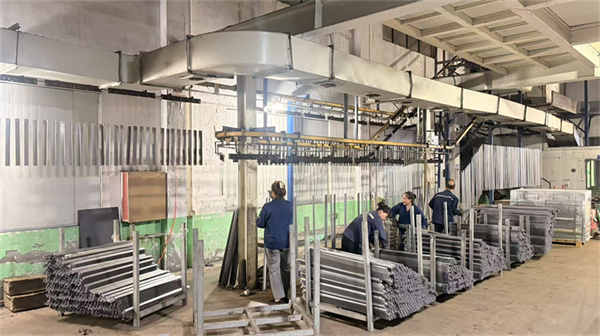 Spray-painting
 Riveting
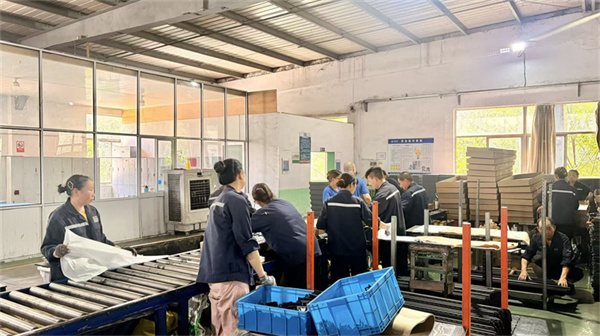 Inspection & Packing
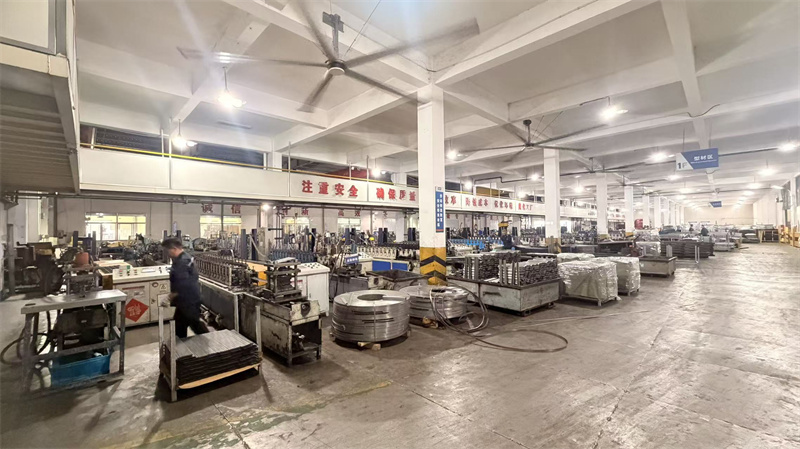 Shearing Machine
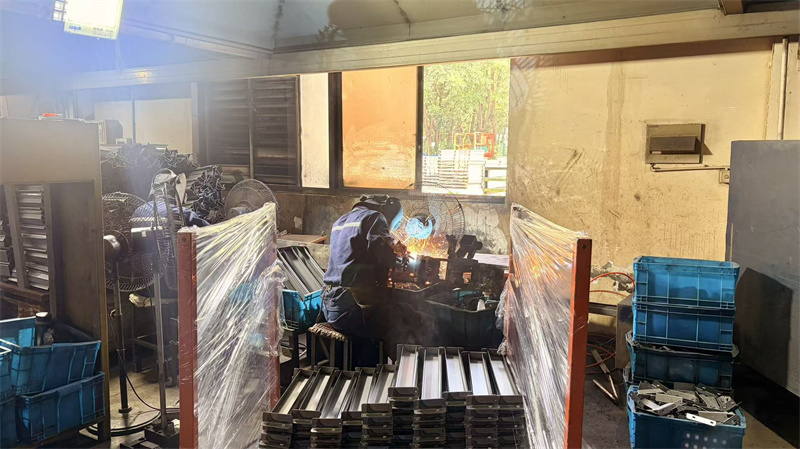 Welding Table
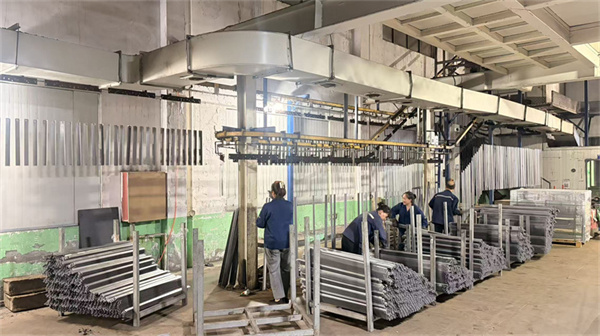 Spray-Painting Line
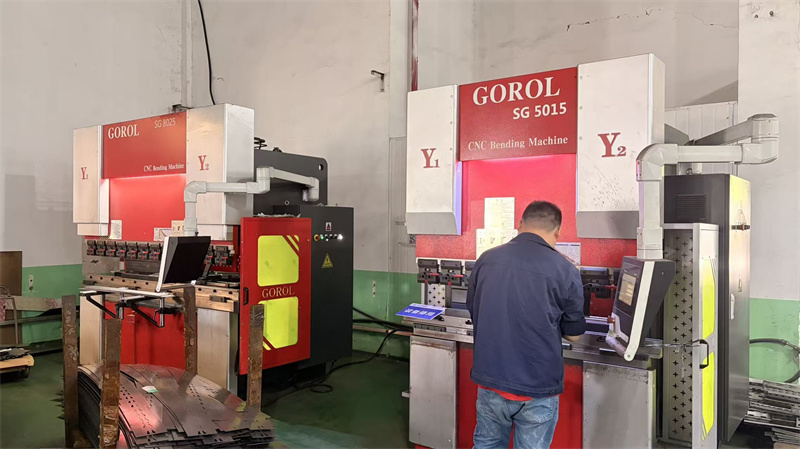 Bending Machine
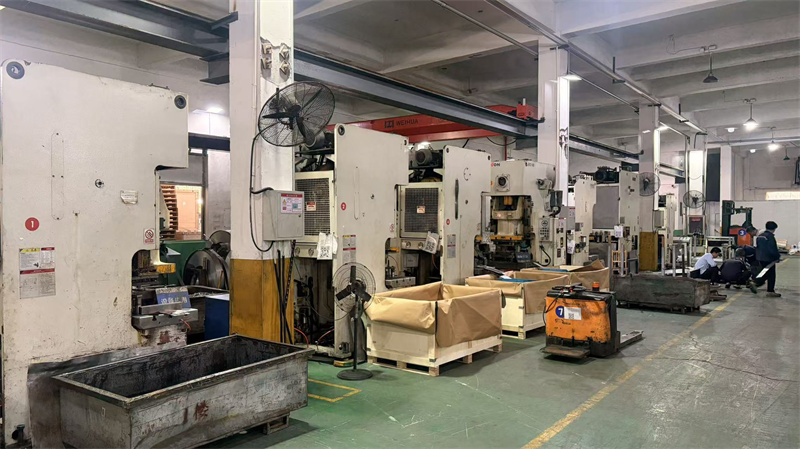 Punching Machine
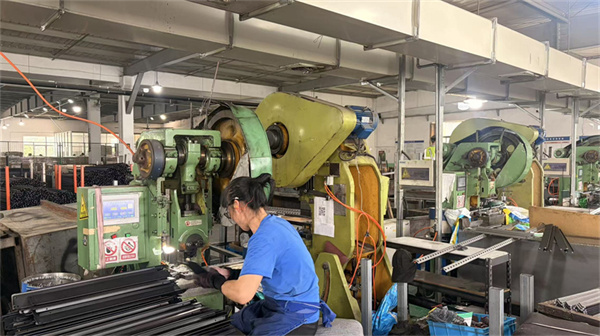 Riveting Machine
Enjoying unbeatable logistical proximity from Shanghai/Ningbo ports directly to Incheon and Busan.
Located in Suzhou, China, our manufacturing plant is strategically positioned next to major shipping corridors. Under our dedicated export pipeline, we coordinate container shipments that reach Incheon Port within 48 to 72 hours of departure, reducing domestic warehouse wait times and enabling rapid deployment for new store grand openings.
By leveraging a resilient supply chain of over 850 strategic material and hardware partners, Expandrack guarantees price consistency, shield-insulated material sourcing, and quick product adaptation even during periods of global supply fluctuation.
Our engineering division specializes in optimizing storage layouts and front-of-house equipment arrays. If your retail hub requires narrow-aisle (VNA) systems, multi-tier mezzanine floors, or integrated wire mesh decking, we provide end-to-end consulting, technical layouts, and custom column guards up to 15 meters in height.
We work directly with industrial material handling distributors, retail logistics hubs, pharmaceutical storage managers, and automotive assembly lines to deliver custom-fit configurations.
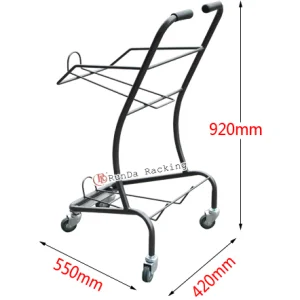
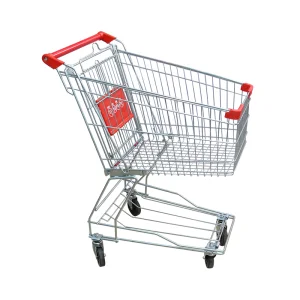
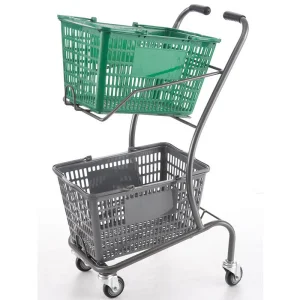
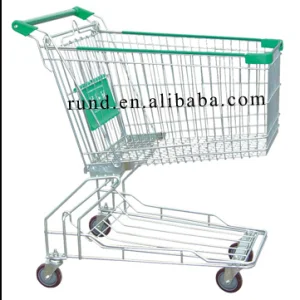
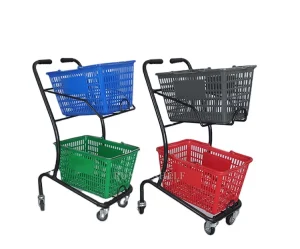
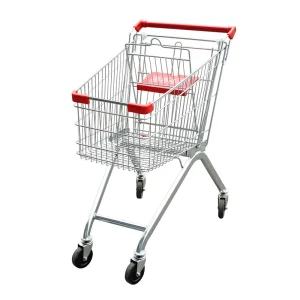
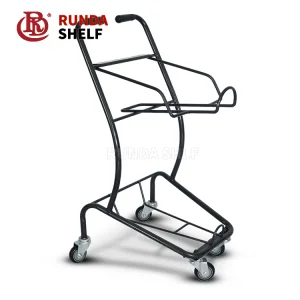
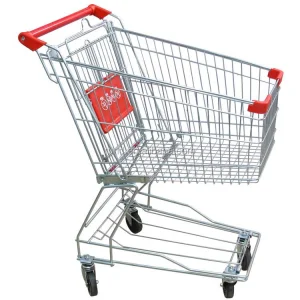
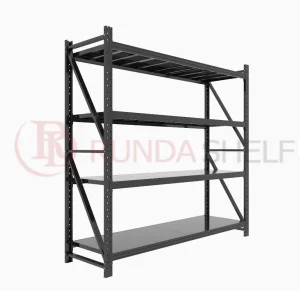
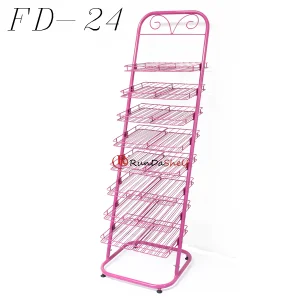
Premium metal-welded and hybrid-structured models built for structural rigidity, nesting efficiency, and durability.
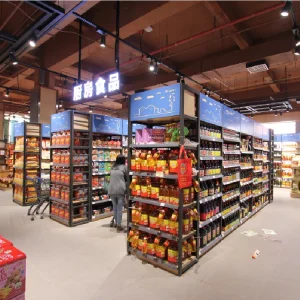
Complete warehouse and storefront setups optimized for maximum space utilization and visual appeal.
Actionable answers regarding import taxes, customized parameters, shipping guarantees, and manufacturing limits.
Our main industrial cargo operations launch from Shanghai Port or Ningbo Port, arriving directly at Incheon Port or Busan Port. Maritime transit times typically range from 2 to 3 days. Under standard operational setups, customs clearing and inland flatbed transportation to Seoul warehouses take an additional 2 to 4 business days.
Yes. All of our structural systems intended for the South Korean market, including plastic hybrid models and chrome-plated steel frames, undergo strict mechanical checks. This includes tests for stability, handle impact durability, wheel friction, and anti-static characteristics, aligning fully with KC standards.
Absolutely. We provide comprehensive OEM/ODM options. We can integrate coin-locking assemblies (compatible with 100-won and 500-won Korean coins), high-resolution branding panels on handles, and anti-microbial coatings. Our R&D center can adjust wire gauges and basket sizes to match your corporate styling.
For our standard shopping cart lines, the initial MOQ starts at 100 units to ensure transport efficiency. For customized or custom-colored builds, the MOQ is 200 units. Standard production lead times run between 20 and 30 business days from deposit validation to port departure.
Our double-layer surface treatment combines zinc plating, a trivalent chromium passivated conversion layer, and an electrostatic powder coat layer. This protective structure provides high salt spray resistance, making it suitable for wet parking structures and cold-storage operations.
Connect with our technical engineering division today for custom pricing, 3D CAD design proposals, and logistical assessments tailored for South Korean ports.
Send Inquiry Now Expandrack