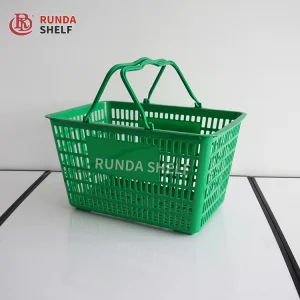
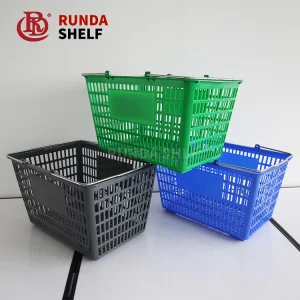
Engineered for the high-end Luxembourgish commercial centers. High mechanical strength, ergonomic design, and full compliance with Benelux distribution regulations.
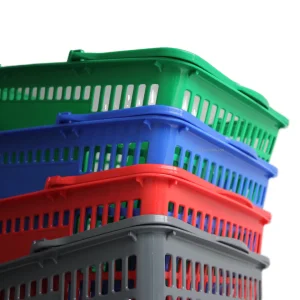
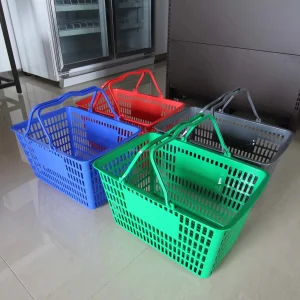
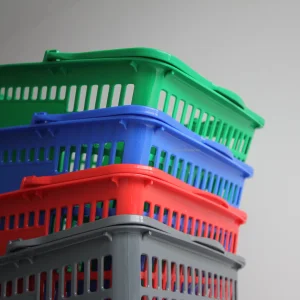
Luxembourg represents one of the most sophisticated, high-income retail landscapes in the European Union. Boasting major retail networks like Cactus, Auchan, Delhaize, and Match, the Grand Duchy commands retail equipment that matches its stringent environmental regulations and high consumer expectations. Shopping basket factories targeting this market must conform strictly to circular economy models, shifting quickly toward biodegradable materials, recycled ocean-bound PP polymers, and heavy-duty, long-service metal wire constructions.
Furthermore, Luxembourg’s position as a premier European logistics hub—bordering Belgium, France, and Germany—means retail distribution systems must integrate seamlessly with automated micro-fulfillment centers (MFCs). Baskets and plastic handcarts are no longer mere utility items; they are essential assets in the omni-channel grocery and convenience ecosystem, necessitating integrated RFID tracking, ergonomic optimization, and high resistance to repetitive stress fractures.
Fusing world-class manufacturing capacity with localized European compliance standards.
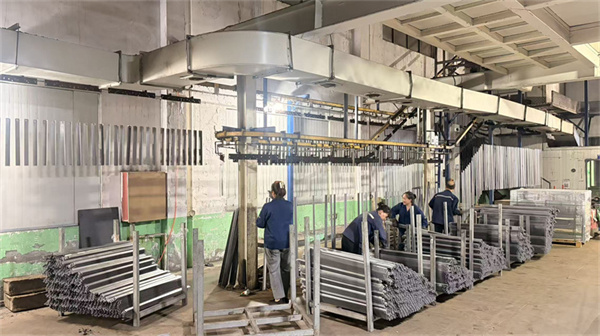
Founded in 2016, Suzhou Expandrack Logistics Equipment Co., Ltd. is a technologically advanced manufacturer specializing in heavy-duty selective pallet racking, drive-in systems, automated rack-supported warehouse structures, and commercial retail logistics solutions. Backed by 10 years of deep industry expertise and 7 years of seamless international trade background, Suzhou Expandrack operates out of a modern 42,000-square-meter production complex in Suzhou, China.
Driven by rigorous international standards, our company reaches an annual export revenue exceeding USD 36.0 million. We bridge heavy logistics equipment manufacturing with commercial retail hardware, providing integrated systems that support goods from central warehouse racks directly to the end-consumer's shopping basket.
Exacting engineering standards applied across our structural metal and high-impact polymer fabrication processes.
Precision is key to manufacturing retail and storage equipment that endures high-volume customer traffic. Whether producing structural components for automated pallet racks or durable wire mesh cosmetic shopping baskets, our factory utilizes computer-controlled tooling to ensure zero-tolerance deviations.
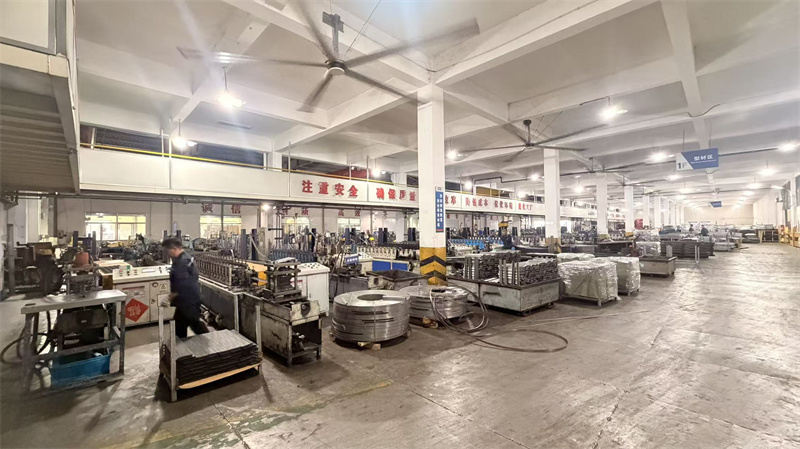
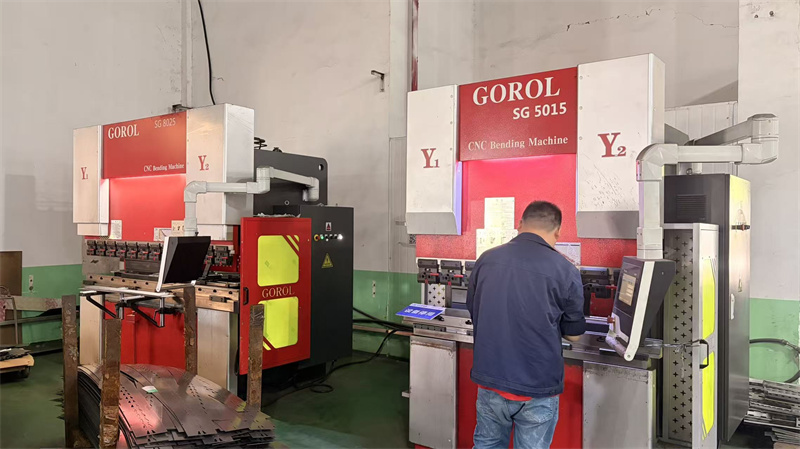
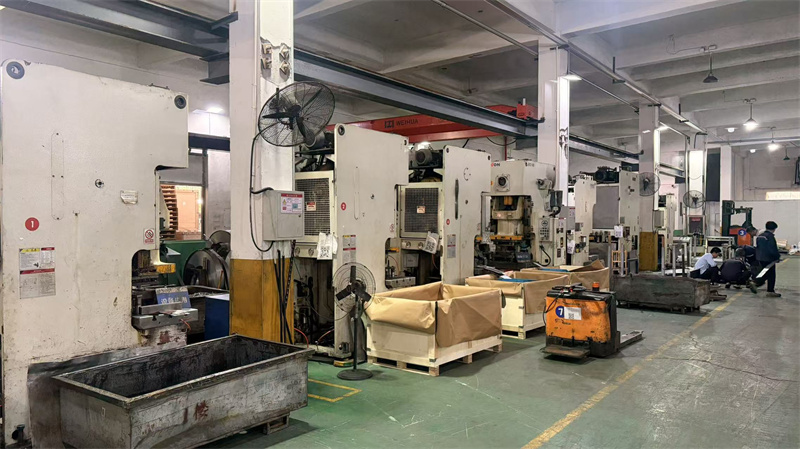
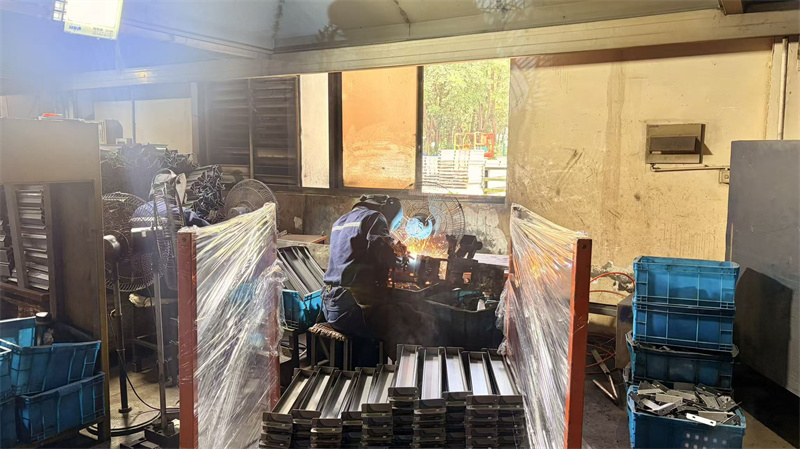
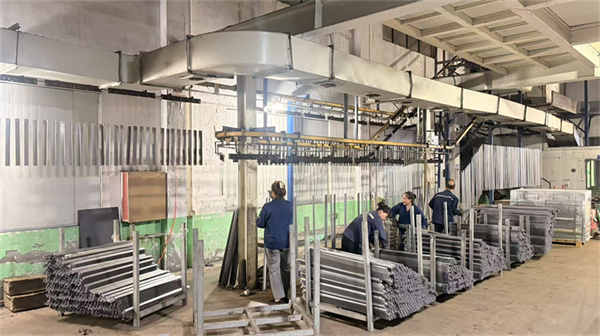
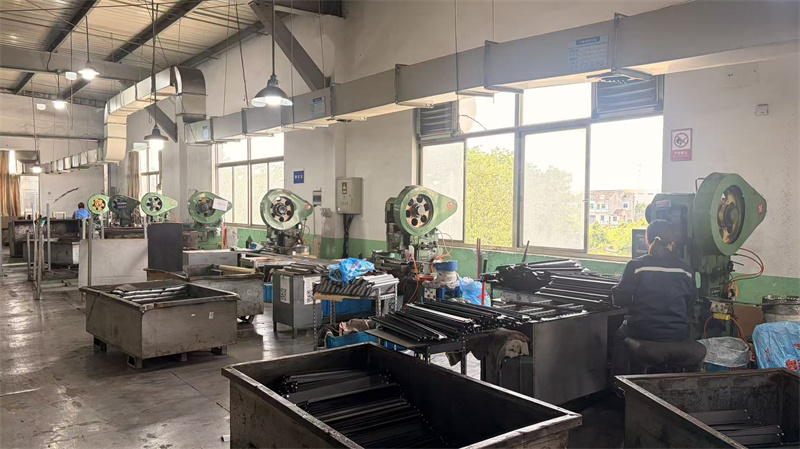
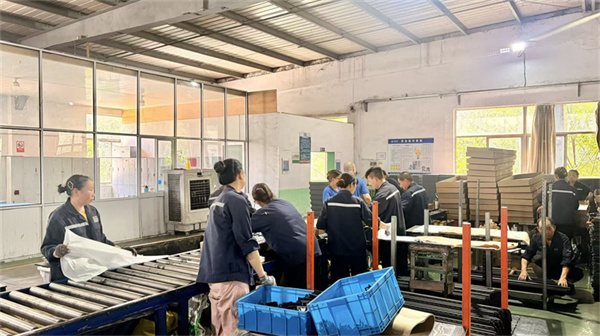
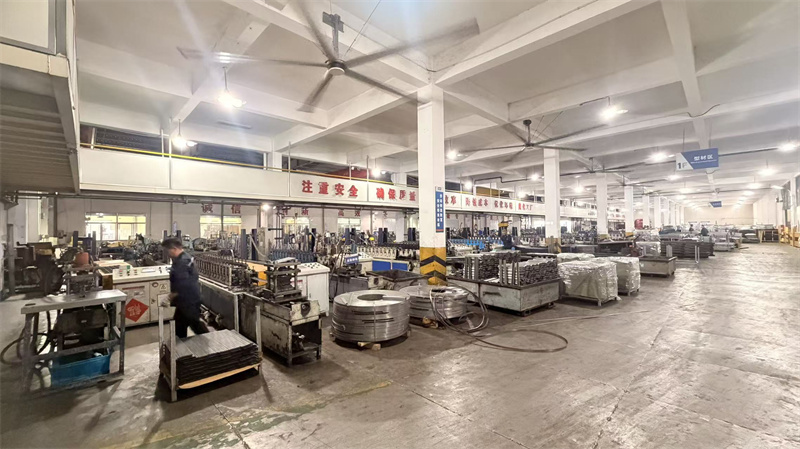
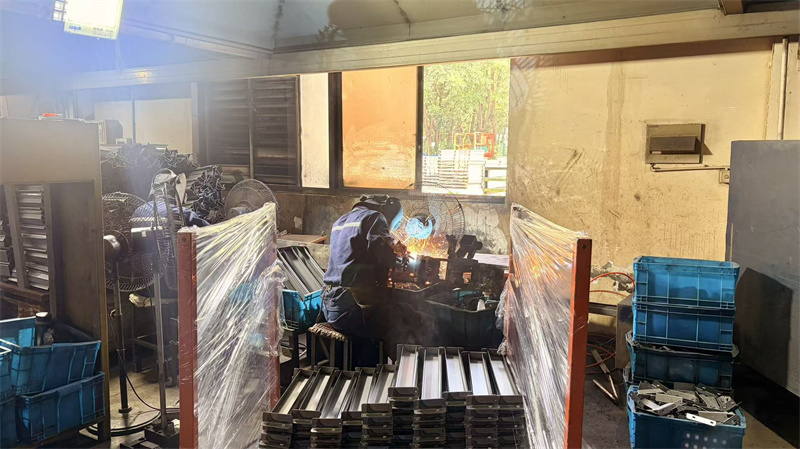
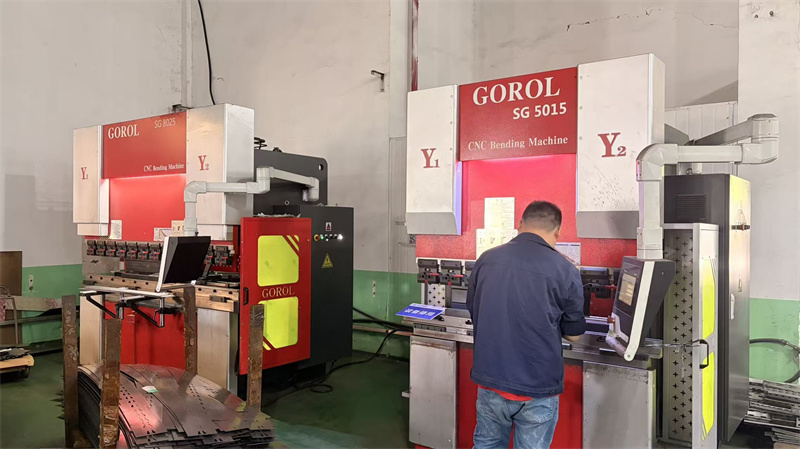
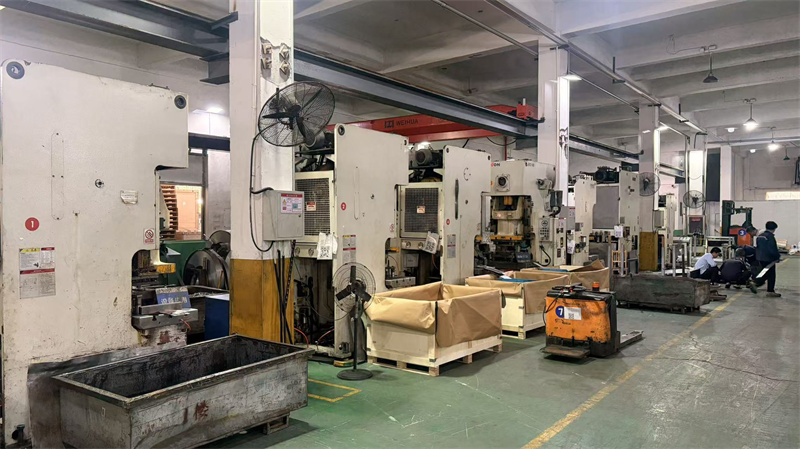
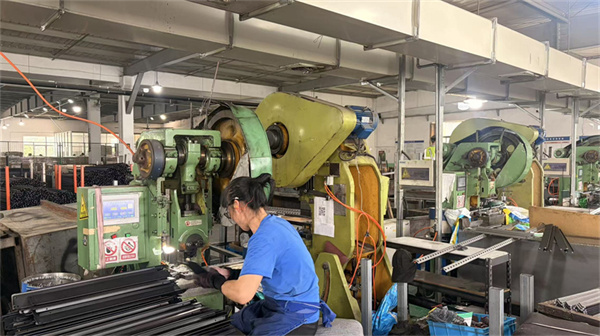
Our manufacturing plant operates under stringent ISO 9001:2015 and RMI (Racking Manufacturers Institute) protocols. The facility houses a specialized laboratory managed by 32 senior QC inspectors to ensure zero-defect output across all storage systems and commercial carrier accessories.
We verify every production run against European chemical and structural safety codes (REACH, CE, RoHS, and DIN Standards) to support seamless customs clearance and commercial deployment in the EU zone.
Engineering customized, space-optimizing solutions for commercial and warehouse environments.
At Expandrack, innovation underpins every racking and carrier system. Our technical center is staffed by 42 specialized structural engineers who design space-optimizing racking layouts with enhanced safety margins. Last year, the R&D department introduced 120 new standard components and structural accessories to the market, catering to evolving intralogistics standards globally.
Robust designs optimized for supermarkets, pharmacies, retail operations, and logistics depots.
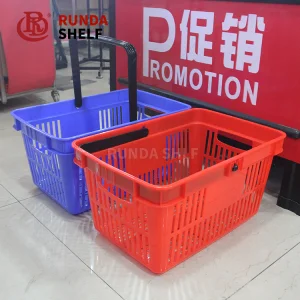
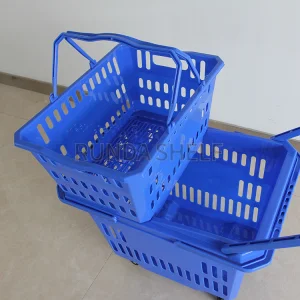
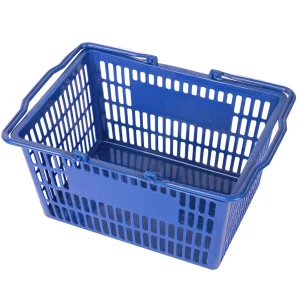
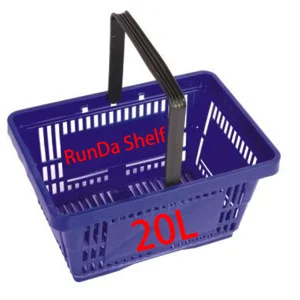
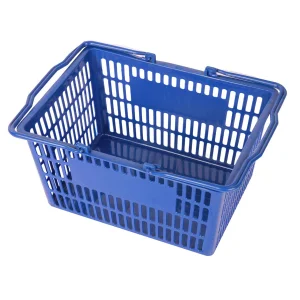
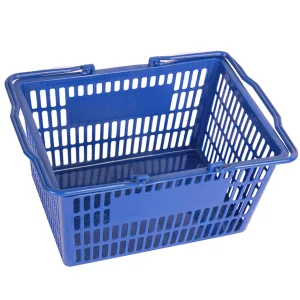
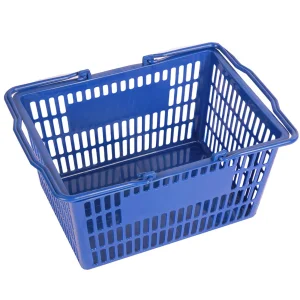
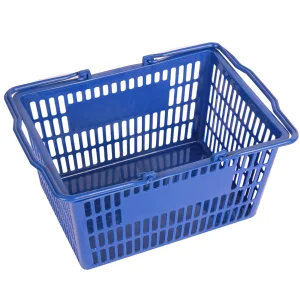
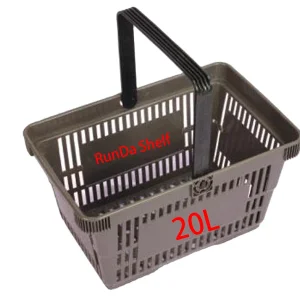
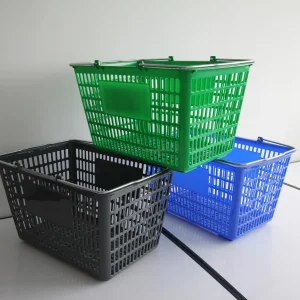
Adapting manufacturing parameters to align with European decarbonization goals and smart retail environments.
By 2026, the European Union's packaging and material waste legislation will require higher transparency on raw material origins. Our development roadmap transitions our main shopping basket series to post-consumer recycled (PCR) resins and bioplastics made from industrial crop byproducts. By blending 60% PCR with virgin copolymer polypropylene, we achieve identical structural integrity, load-to-failure parameters, and dynamic drop resistance, while lowering carbon footprints by up to 45%.
Modern luxury stores in Luxembourg City are shifting towards frictionless checkout systems. To support this transition, we are embedding RFID tags directly into the handles of our plastic baskets during injection molding. This guarantees lifelong integration without detachment, enabling instantaneous automated checkout and optimized real-time inventory management inside retail environments.
Customer comfort directly correlates with longer shopping times and increased average transaction values. Our engineering team uses advanced thermal analysis and biomechanics software to optimize basket shapes, reducing load strain on the wrist. Additionally, we integrate antimicrobial additives into our polymer formulations, providing lifetime protection against bacterial replication—a critical factor for highly populated retail spaces.
Crucial commercial, technical, and regulatory insights for global procurement managers.
All plastic components manufactured in our facility utilize certified virgin or recycled copolymer polypropylene free of harmful plasticizers, phthalates, and heavy metals. We supply safety data sheets (SDS) and REACH compliance declarations with every export shipment destined for the European market.
Typically, shipping sea cargo to major European entry ports like Rotterdam or Antwerp takes 30 to 35 days, followed by inland rail or road freight transit to logistics nodes in Luxembourg (e.g., Bettembourg terminal) within 2-3 days. Ex-works and FOB ports are optimized via Shanghai or Ningbo ports.
Yes. By utilizing precision color dosing systems in our injection molding machinery, we match any custom Pantone or RAL color specification. We also offer hot-stamping, screen printing, or in-mold labeling (IML) for permanent store branding.
Our quality department performs three primary mechanical tests: 1) Pull-handle fatigue testing at double rated capacity for 20,000 cycles, 2) Impact drop testing from a height of 1.5 meters at temperatures as low as -10°C, and 3) Color UV-aging tests using accelerated weathering equipment.
 Expandrack