Premium retail displays and structural components designed for high-density logistics optimization and merchandise presentation.

As one of Europe's premier shipping hubs, the Port of Hamburg serves as the primary gateway for Northern Europe’s trade routes. Managing millions of Twenty-Foot Equivalent Units (TEUs) annually, Hamburg requires highly sophisticated storage, shelving, and warehouse logistical infrastructure. Local industrial zones, including Hamburg-Wilhelmsburg, Altenwerder, and Billbrook, function as high-volume distribution networks. In these facilities, physical space footprint optimization is critical to managing high land costs and fast cargo throughput.
Modern supply chains require more than standard static steel beams. Today's environments demand structural integrity, dynamic space allocation, and rigorous safety profiles that satisfy local German and European structural safety codes. From heavy-duty industrial warehouses employing automated storage and retrieval systems (AS/RS) to consumer-facing retail and supermarket spaces, local distributors rely on qualified global manufacturers. These manufacturers must deliver certified load-bearing structural solutions capable of operating in high-demand, high-frequency logistics corridors.
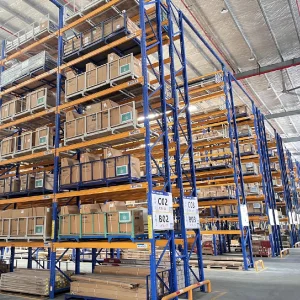
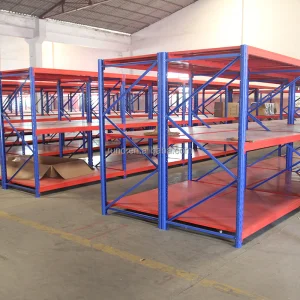
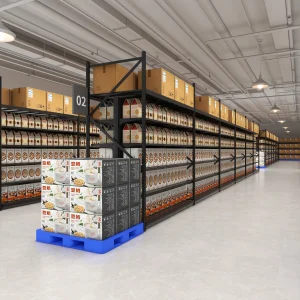
The shift from traditional selective pallet systems to High-Density warehousing solutions is reshaping local engineering requirements. Very Narrow Aisle (VNA) configurations, drive-in pallet racks, and double-deep systems are now standard configurations. These systems allow operators to increase storage capacity by up to 50% relative to standard wide-aisle setups. However, as height increases, structural precision becomes more critical:
In terms of future development, logistics centers in Hamburg are increasingly moving toward hybrid storage designs. These designs combine standard selective pallet structures with integrated multi-tier mezzanine levels, creating distinct zones for palletized goods, automated case flow, and manual order-picking operations within a single facility footprint.
Engineered structural systems built for high weight capacities and specialized storage applications.

Modern cold chain operations require specialized warehousing systems. Sub-zero temperatures reduce structural steel ductility, meaning cold storage racks must utilize steel alloys treated to resist low-temperature embrittlement. Additionally, dynamic drive-in or mobile racking systems are preferred in cold storage settings. These configurations maximize spatial density, lowering the energy requirements needed to cool unoccupied space.
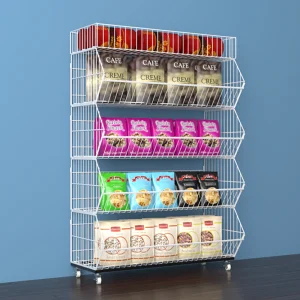
In high-volume FMCG (Fast-Moving Consumer Goods) logistics, inventory velocity is the primary operational metric. Supply chain systems must integrate gravity-fed carton flow racking, push-back storage systems, and specialized retail display systems. These systems maintain product visibility, enforce First-In, First-Out (FIFO) inventory rotation, and ensure smooth product transit from delivery bays to front-end retail shelving.
Industrial warehouse operators require modular configurations to accommodate varying pallet dimensions. Our adjustable upright systems, featuring customizable column spacing, and dynamic beam designs, allow facility managers to configure bays for varied SKU dimensions. This adaptability minimizes structural dead space.
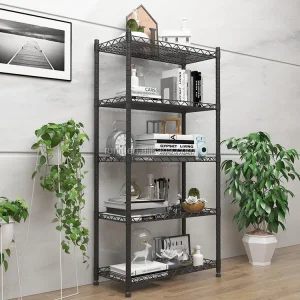
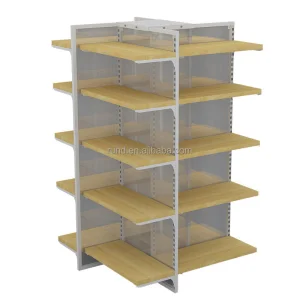
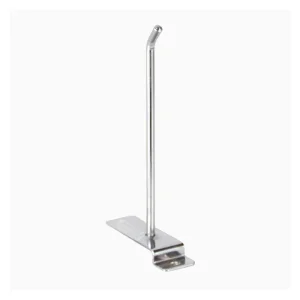
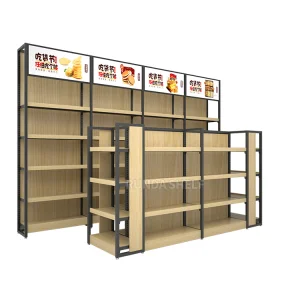
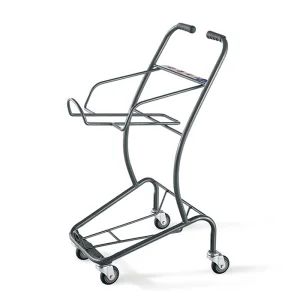
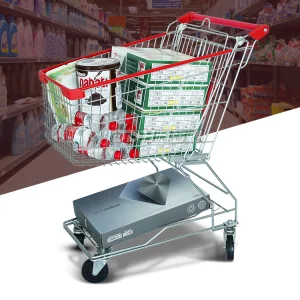
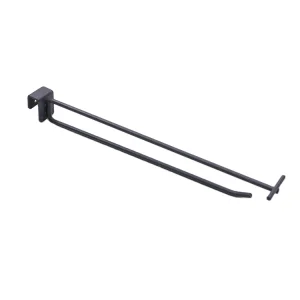
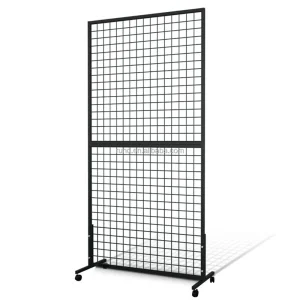
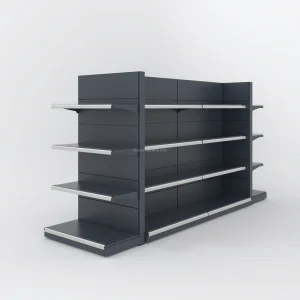
Retail environments require robust display infrastructure to handle high volume foot traffic. Double-sided steel gondolas, wire mesh grids, and heavy-duty pegboard display hook panels provide functional layout flexibility. These display units are built to resist daily operational wear while maintaining neat product presentations.
Industrial logistics infrastructure in Germany must comply with strict safety regulations. Warehousing systems deployed in Hamburg must satisfy the EN 15512 standard (Steel static storage systems - Adjustable pallet racking systems - Principles for structural design) and the regulations of the Racking Manufacturers Institute (RMI).
Structural compliance requires thorough static engineering reviews. Racking configurations must include calculated safety factors for seismic loads, wind loads (for external installations), and dynamic forklift impact resistance. Additionally, European CE conformity assessments and ISO 9001:2015 certified quality management systems are required. These certifications ensure that structural components meet standard yield, tensile strength, and finishing durability guidelines.
Our manufacturing processes incorporate these European parameters. We provide full traceability for raw materials, chemical analyses of steel batches, and certified load-bearing capacity ratings. These documentation standards simplify local regulatory approvals and ensure compliance during workplace safety inspections.
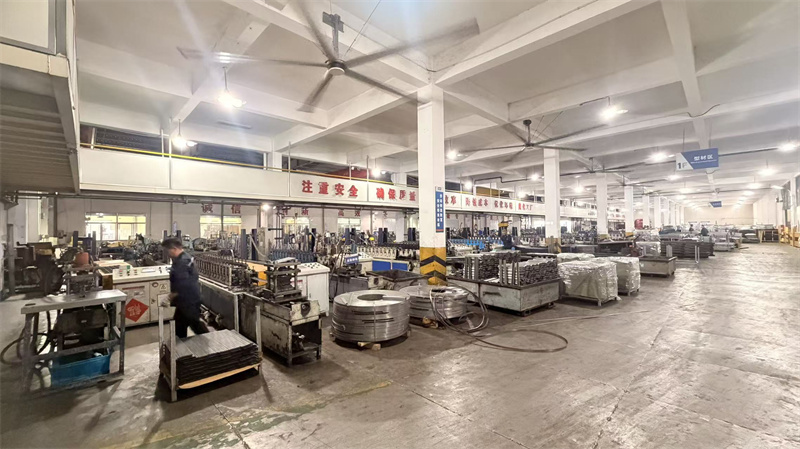
Founded in 2016, Suzhou Expandrack Logistics Equipment Co., Ltd. is a technologically advanced manufacturer specializing in heavy-duty selective pallet racking, drive-in systems, and automated rack-supported warehouse structures. Backed by 10 years of deep industry expertise and 7 years of seamless international trade background, Suzhou Expandrack operates out of a modern 42,000-square-meter production complex in Suzhou, China. Driven by rigorous international standards, our company reaches an annual export revenue exceeding USD 36.0 million.
Our global market presence spans Southeast Asia, the Middle East, South America, and Eastern Europe. Leveraging a resilient supply chain of over 850 strategic material and hardware partners, Expandrack delivers end-to-end storage solutions tailored for diverse commercial sectors. Our main customer types include industrial material handling distributors, retail logistics hubs, pharmaceutical storage managers, and automotive assembly lines.
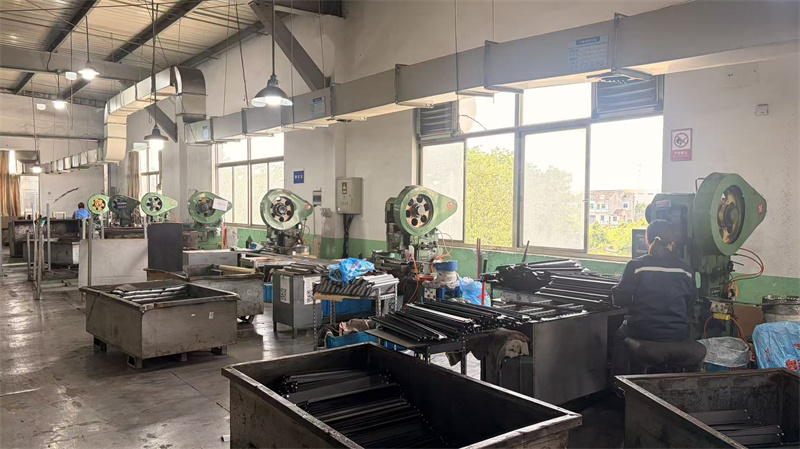
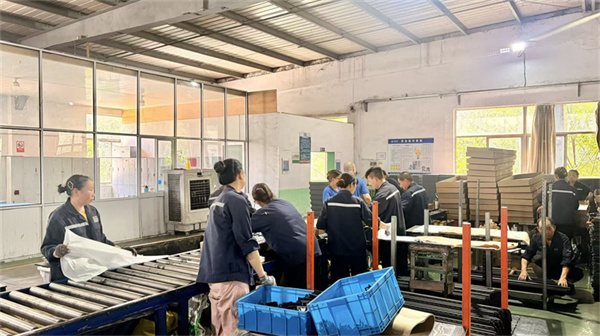
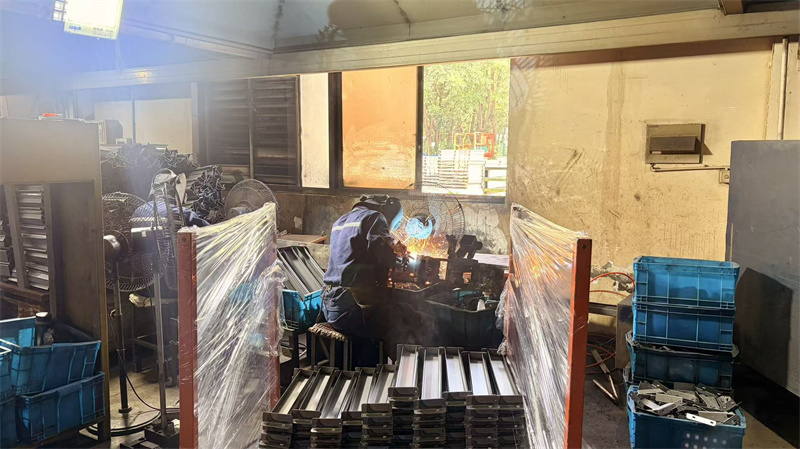
Our manufacturing plant operates under stringent ISO 9001:2015 and RMI (Racking Manufacturers Institute) protocols. The facility houses a specialized laboratory managed by 32 senior QC inspectors to ensure zero-defect output.
At Expandrack, innovation underpins every racking system. Our technical center is staffed by 42 specialized structural engineers who design space-optimizing racking layouts with enhanced safety margins. Last year, the R&D department introduced 120 new standard components and structural accessories to the market.
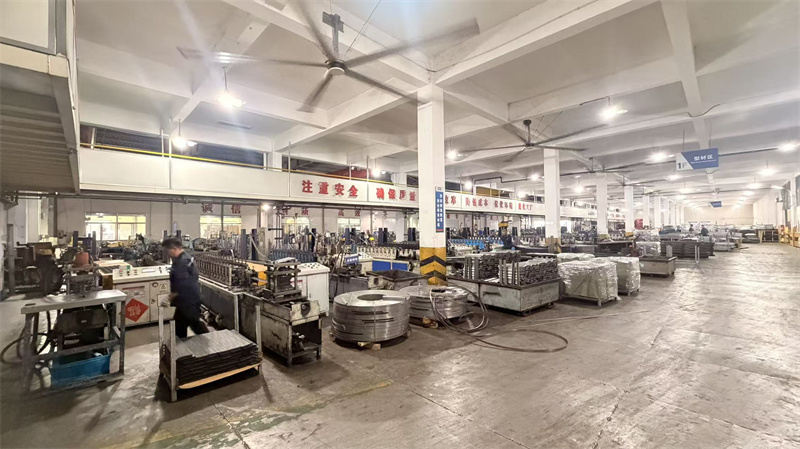
Our production facilities utilize automated manufacturing lines to ensure dimensional accuracy and consistent product performance.
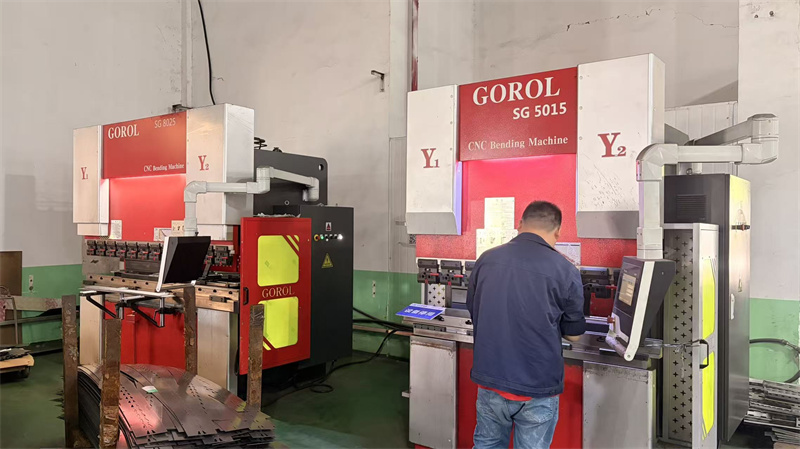
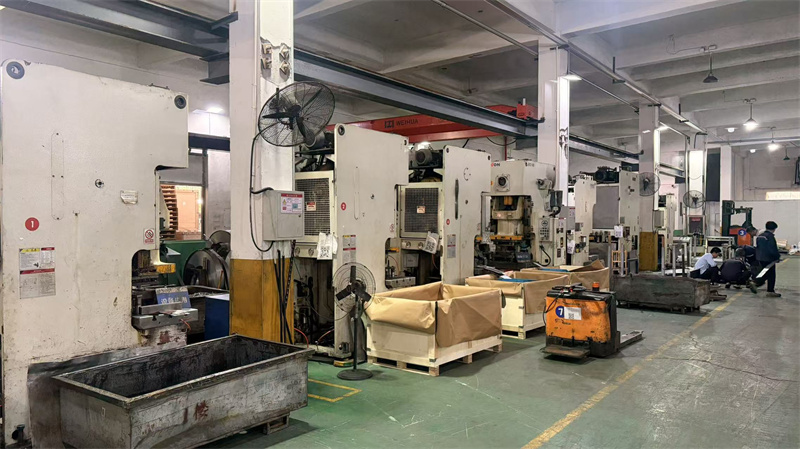
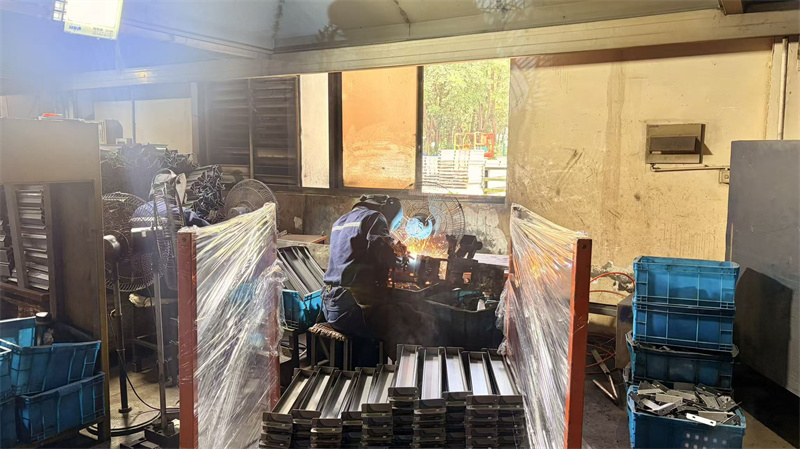
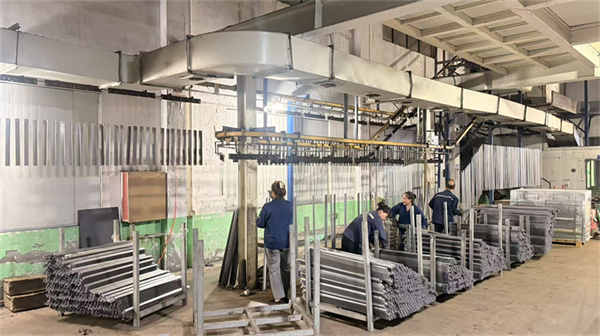
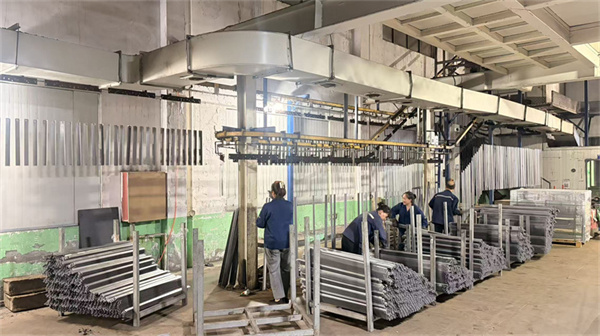
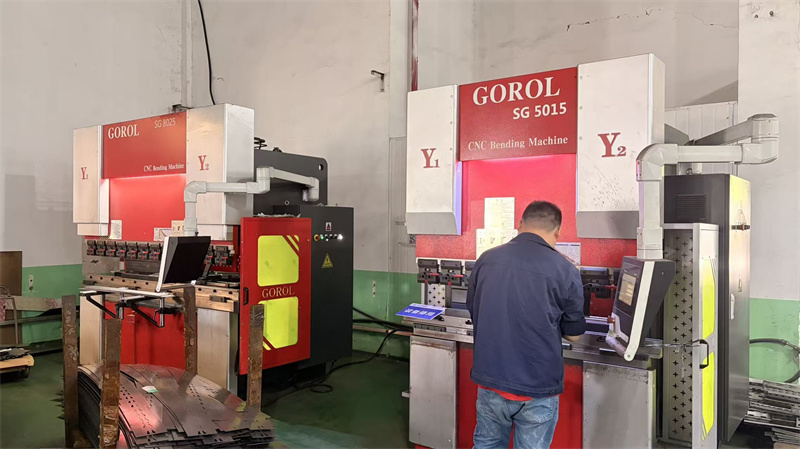
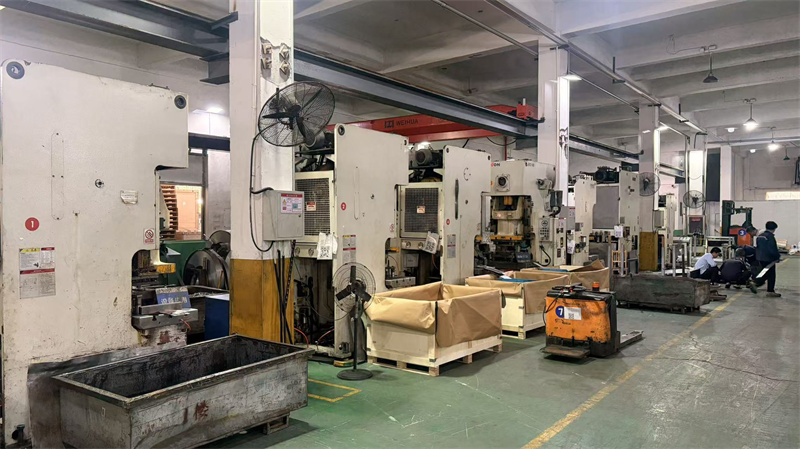
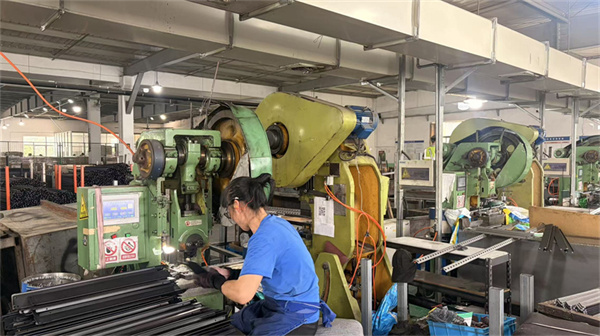
International logistics purchasers look for three key factors when choosing structural suppliers: reliable safety margins, modular design, and predictable lead times. Structural systems represent a long-term capital investment that must support dynamic load requirements. System failures can lead to inventory losses and operational downtime.
Working directly with our engineering team allows procurement managers to specify site-appropriate structural configurations:
This collaborative design process ensures that final systems meet building code regulations and interface cleanly with automated systems like high-reach trucks and wire-guided AGVs.
Expert engineering answers to critical regulatory, configuration, and structural performance questions.
A comprehensive range of retail shelving, high-capacity warehouse racks, and shopping equipment engineered for international performance standards.
Connect with our engineering team for warehouse layout optimizations, structural calculations, and factory-direct pricing estimates.
Send Inquiry Now Expandrack