Highly Optimized Systems Designed for Demanding Retail, Events & Industrial Layouts
As the absolute logistical heart of Southeast Asia, Singapore handles massive transshipments through the state-of-the-art Tuas Mega Port and highly automated air cargo facilities at Changi Airport. Space optimization in this dense, land-scarce city-state is not simply a metric of profitability—it is a core operational necessity. High-density steel grid panels and wire mesh structures serve as key components inside Singapore's vast warehousing landscapes, cold chains, and multi-tier logistics environments.
The local commercial market in Singapore demands high-spec versatility. From high-end retail display setups along Orchard Road to robust components built to survive demanding industrial applications in the Jurong Industrial Estate, grid panels are expected to meet strict national safety standards. Structural soundness and fire-safety compliance (such as maximizing water penetration from ceiling sprinkler systems via open wire mesh design) are high-priority requirements enforced by the Building and Construction Authority (BCA).
Globally, the supply chain sector is experiencing a transition towards modularity, recyclability, and ease of assembly. Traditional display systems made of fiberboard or heavy structural steel shapes are increasingly replaced by high-tensile wire mesh grids and automated rack-supported platforms. The rise of e-commerce fulfillment centers globally has accelerated the demand for high-load capacity wire mesh grids that offer visual transparency, ease of air circulation, and seamless integration with autonomous mobile robots (AMRs).
Industrial wire grid systems are now engineered using finite element analysis (FEA) to minimize deadweight while maximizing dynamic and static load capacities. Furthermore, strict environmental mandates globally favor fully recyclable steel grid assemblies over chemically treated wood laminates. This shift ensures long-term operational cost reductions and aligns with international corporate sustainability targets.
Company Overview & Background: Founded in 2016, Suzhou Expandrack Logistics Equipment Co., Ltd. is a technologically advanced manufacturer specializing in heavy-duty selective pallet racking, drive-in systems, and automated rack-supported warehouse structures. Backed by 10 years of deep industry expertise and 7 years of seamless international trade background, Suzhou Expandrack operates out of a modern 42,000-square-meter production complex in Suzhou, China. Driven by rigorous international standards, our company reaches an annual export revenue exceeding USD 36.0 million.
Global Footprint & Target Clienteles: Our global market presence spans Southeast Asia, the Middle East, South America, and Eastern Europe. Leveraging a resilient supply chain of over 850 strategic material and hardware partners, Expandrack delivers end-to-end storage solutions tailored for diverse commercial sectors. Our main customer types include industrial material handling distributors, retail logistics hubs, pharmaceutical storage managers, and automotive assembly lines.
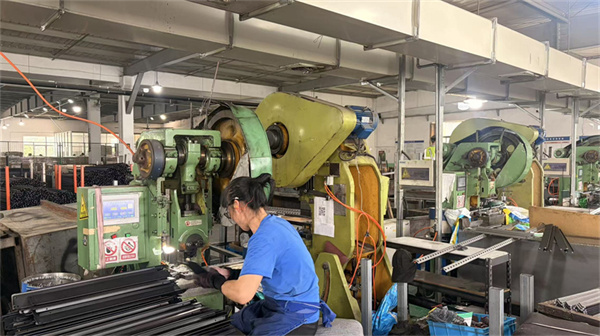
China Factory Efficiency Advantages: By basing manufacturing inside Suzhou's advanced industrial corridor, Expandrack integrates raw steel sourcing directly with automated production. Our fully automated multi-ton wire drawing, computerized grid welding, and powder coating lines operate with high precision. This structural advantage permits rapid product turnaround times, cost efficiencies, and consistent quality parameters that are hard to replicate locally in high-cost environments like Singapore.
End-to-End Control Over Heavy Duty Steel Grid & Racking Production
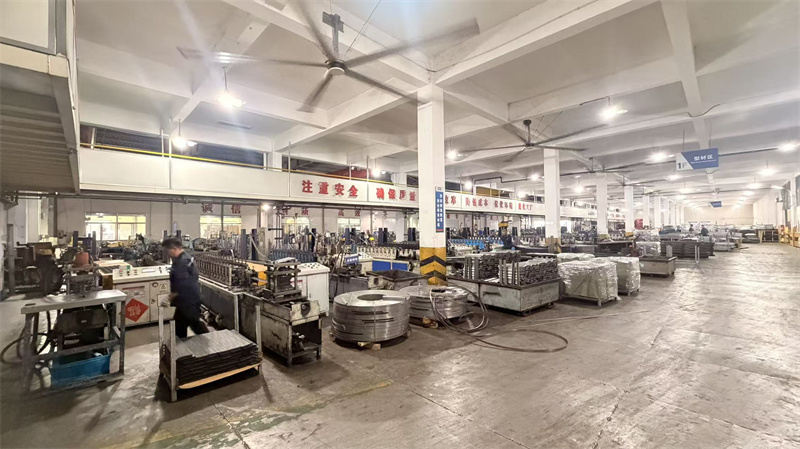
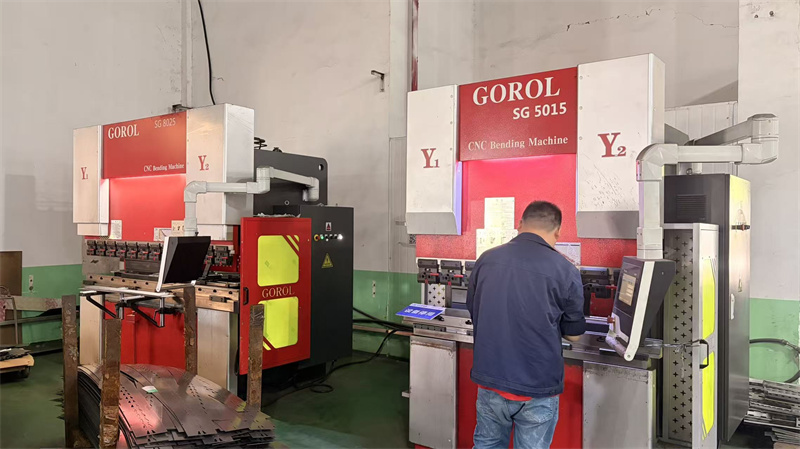
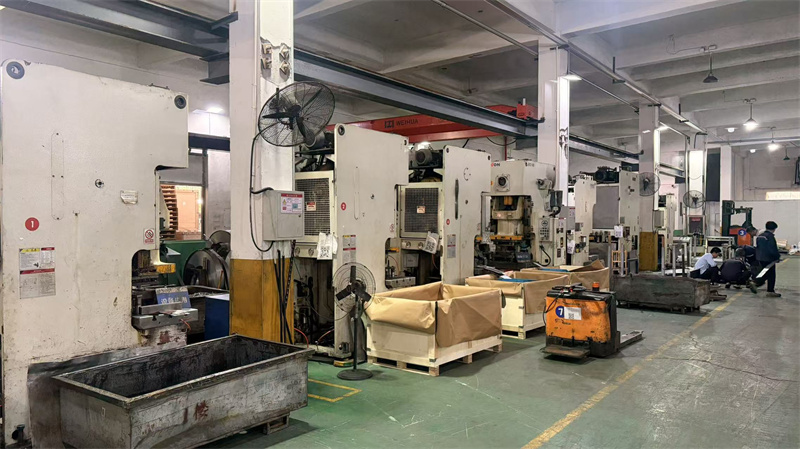
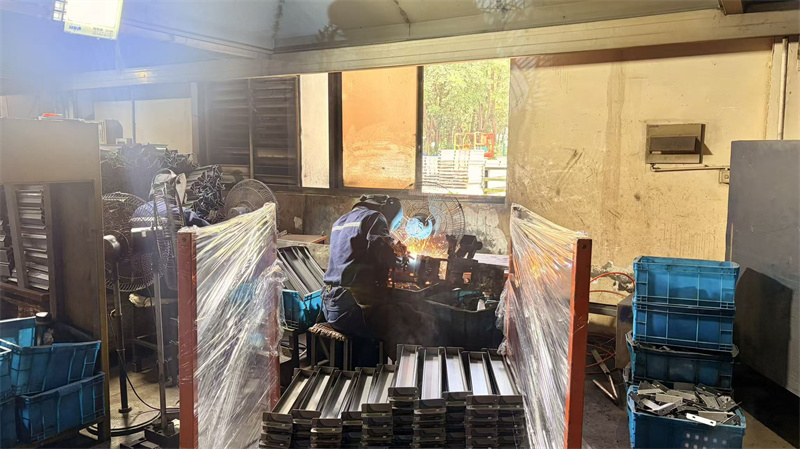
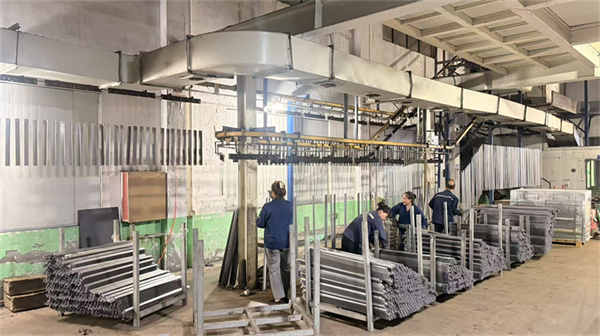
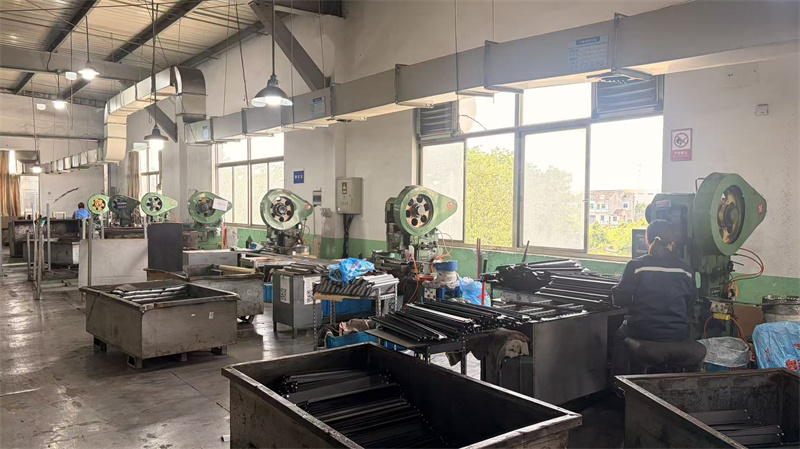
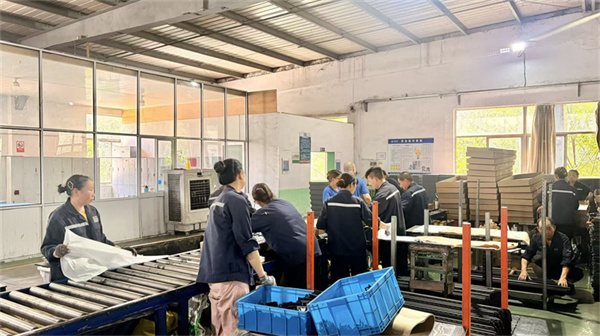
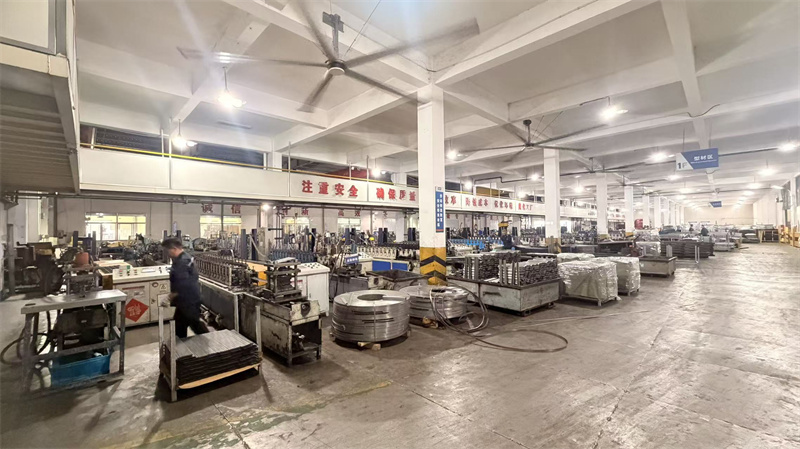
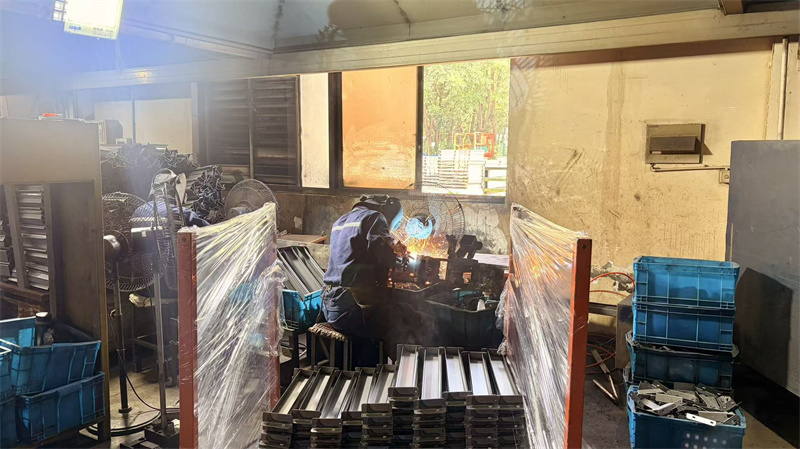
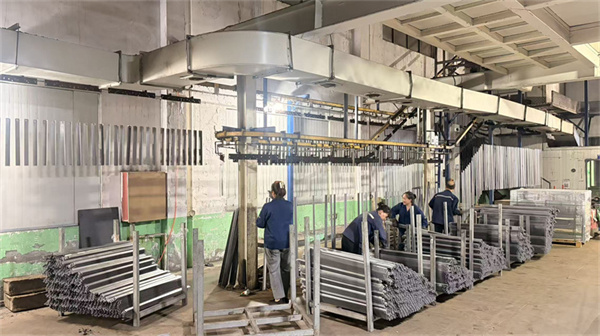
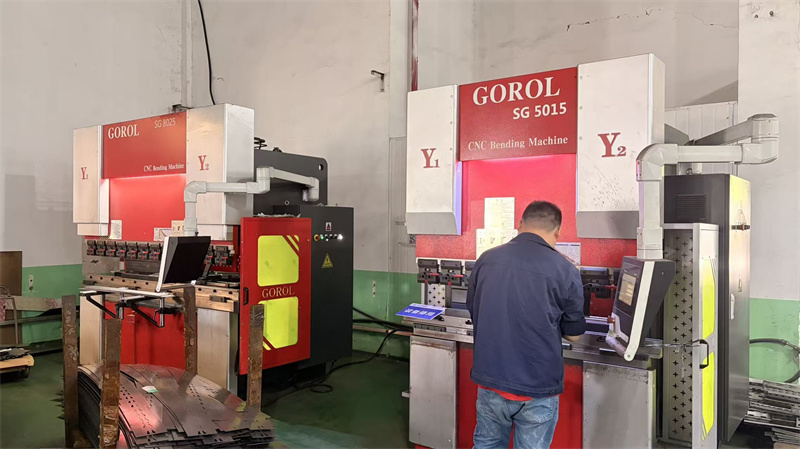
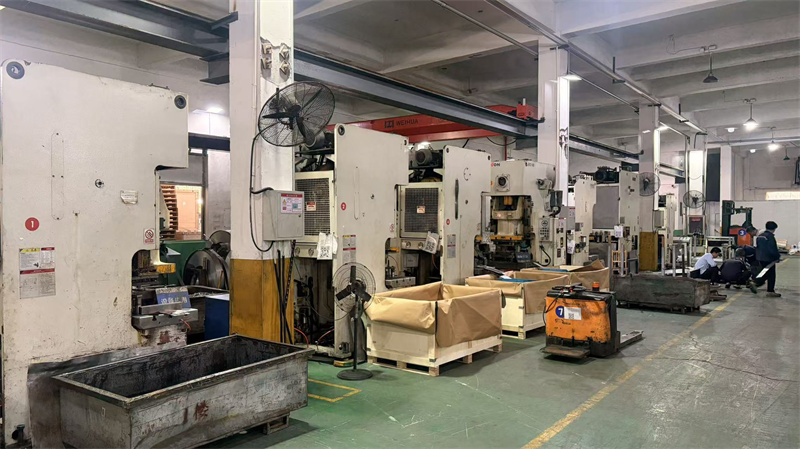
Our manufacturing plant operates under stringent ISO 9001:2015 and RMI (Racking Manufacturers Institute) protocols. The facility houses a specialized laboratory managed by 32 senior QC inspectors to ensure zero-defect output.
At Expandrack, innovation underpins every racking system. Our technical center is staffed by 42 specialized structural engineers who design space-optimizing racking layouts with enhanced safety margins. Last year, the R&D department introduced 120 new standard components and structural accessories to the market.
Engineered Systems Compatible with Global Logistics Standards & Custom Retail Requirements
The Singapore market requires products that adapt to various unique environmental zones. By understanding the distinct needs of each district, Expandrack designs grids and racks that integrate seamlessly into local operations:
Heavy-duty wire mesh decking and heavy-duty grid panels are designed to optimize multi-tier racking systems. With strict fire code demands in high-density Singapore warehouses, our open-wire grids allow ceiling sprinklers to deliver water directly to lower levels, minimizing fire hazard risks while ensuring optimal ventilation.
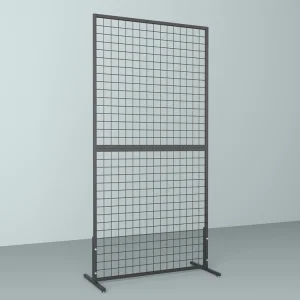
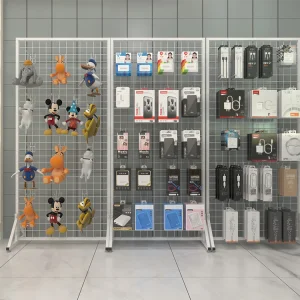
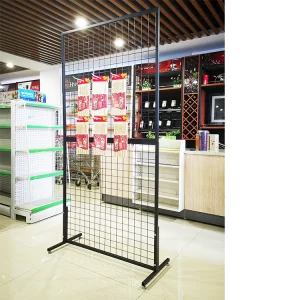
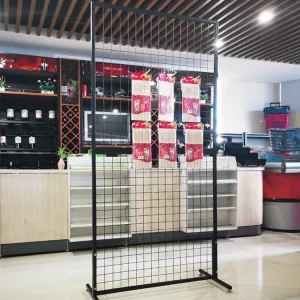
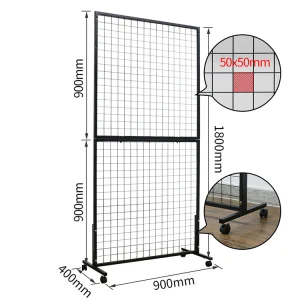
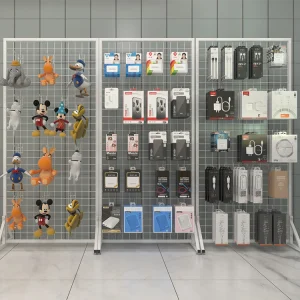
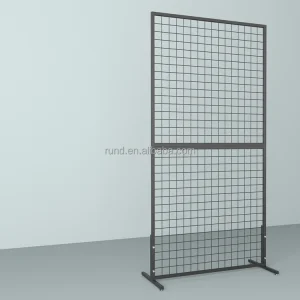
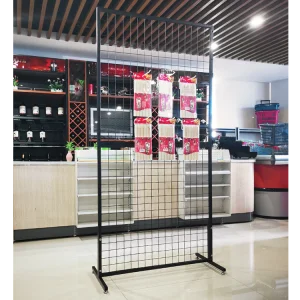
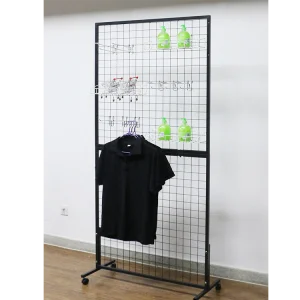
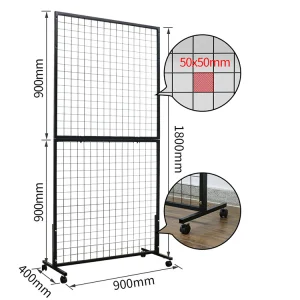
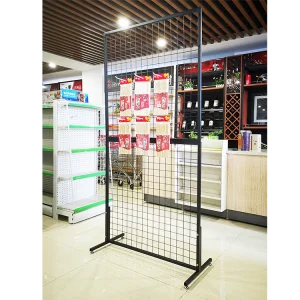
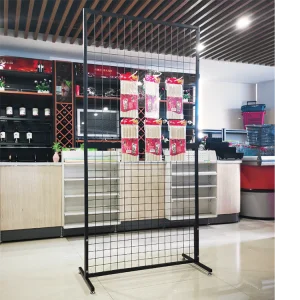
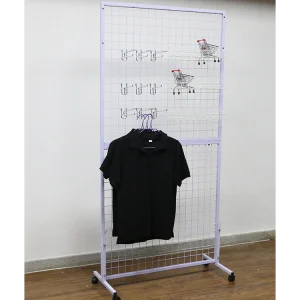
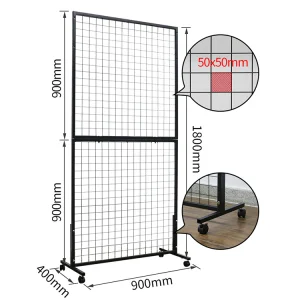
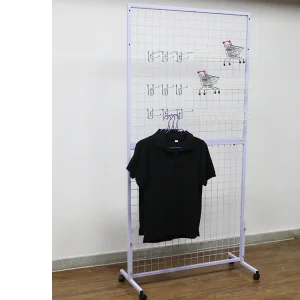
Visual merchandising displays must present products clean and professional. Our customized gridwall panels, with high-quality electro-galvanized or black powder-coated finishes, provide local retailers with modular displays that can be adjusted frequently to meet changing seasonal demands.
The MICE (Meetings, Incentives, Conferences, Exhibitions) sector in Singapore demands fast setups. Expandrack's lightweight, interlocking gridwall setups and sequin backdrop walls are built for rapid assembly and teardown. These modular panels speed up booth configuration times for global exhibitions.
High relative humidity and temperature variations pose rust risks to metal fixtures in Singapore. Our specialized hot-dip galvanized wire grids and structural racking components prevent oxidation, offering reliable service lives in cold rooms and transition corridors.
Industrial purchasing managers and supply chain directors evaluate potential manufacturing partners based on more than just the initial unit price. The total cost of ownership (TCO) is determined by raw material quality, engineering design tolerances, shipping costs, and import tariff considerations.
The China-Singapore Free Trade Agreement (CSFTA) provides a strong logistical advantage, allowing businesses to import industrial steel products directly from Chinese ports like Shanghai or Ningbo with minimal tariff barriers. A typical sea transit window of 6 to 8 days ensures that inventory levels can be managed efficiently, reducing the need for costly local warehousing.
Furthermore, sourcing directly from factories certified to ISO and RMI standards ensures that all installed systems comply with workplace safety regulations, reducing potential liability risks for international operators.
Key Engineering Answers for Supply Chain and Procurement Specialists
 Expandrack