Bangkok functions as the undisputed logistical heart of Thailand’s multi-billion dollar agriculture sector. With major wholesale agricultural nodes such as Talaad Thai and Talad Iyara managing thousands of tons of fresh fruits and vegetables daily, the demand for highly efficient storage, sorting, and display technology has skyrocketed. The region is witnessing a rapid structural transition from traditional open-air vendor stalls to temperature-controlled logistics centers and modern, hygienic retail outlets.
This transformation is fueled by both shifting domestic consumption behaviors and the aggressive expansion of multinational retail chains like CP Group (Lotus's), Central Group (Tops), and Big C. As consumers demand higher standards of product quality and biological hygiene, cold chain integrity from the harvest fields of Rayong or Chiang Mai straight through to the display gondolas of Bangkok has become a non-negotiable prerequisite.
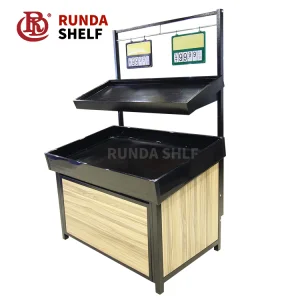
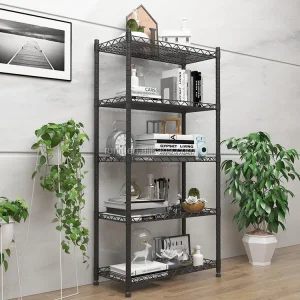
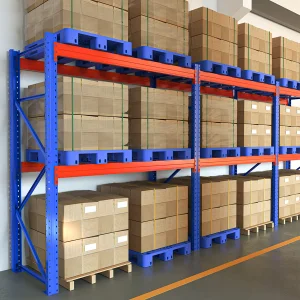
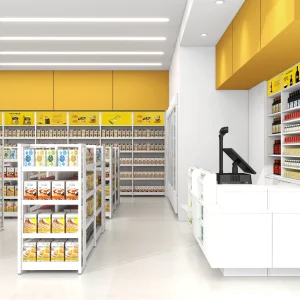
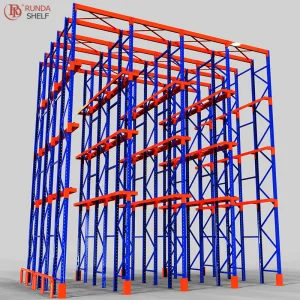
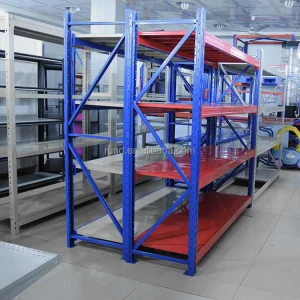
Within high-footfall metropolitan hubs, space optimization is key. Retail rents in prime Bangkok locations demand compact, vertical shelving systems that do not sacrifice structural weight limits or aesthetic integrity. For industrial exporters handling massive cross-docking operations of regional tropical fruits—such as durian, mangosteen, and longan destined for global export—heavy-duty selective racking and dynamic drive-in systems are critical. The physical characteristics of agricultural inventory (rapid shelf-life decay, high humidity emissions, and vulnerability to crushing) mandate highly specialized structural components.
Standard warehouse shelving is highly susceptible to structural failure when subjected to the harsh conditions of fresh fruit and vegetable distribution. These systems must consistently endure temperatures ranging from 0°C to 4°C (chilled) and down to -25°C (deep freeze for frozen fruit exports), while concurrently resisting humidity levels that frequently exceed 85% RH. Under these conditions, typical carbon steel structures deteriorate rapidly through oxidation, compromising the load-bearing capacities and creating bio-hazard risks from flaking paints and rust particles.
To counter these challenges, Suzhou Expandrack Logistics Equipment Co., Ltd. applies a specialized epoxy-polyester powder coating cured at high temperatures to form an impermeable barrier. Our structures conform strictly to RMI (Racking Manufacturers Institute) guidelines and undergo continuous salt-spray testing. This ensures that when our industrial pallet systems are deployed inside Bangkok cold storage complexes, they maintain structural integrity and avoid metal embrittlement or surface corrosion.
Founded in 2016, Suzhou Expandrack Logistics Equipment Co., Ltd. is a technologically advanced manufacturer specializing in heavy-duty selective pallet racking, drive-in systems, and automated rack-supported warehouse structures. Backed by 10 years of deep industry expertise and 7 years of seamless international trade background, Suzhou Expandrack operates out of a modern 42,000-square-meter production complex in Suzhou, China. Driven by rigorous international standards, our company reaches an annual export revenue exceeding USD 36.0 million.
Our global market presence spans Southeast Asia, the Middle East, South America, and Eastern Europe. Leveraging a resilient supply chain of over 850 strategic material and hardware partners, Expandrack delivers end-to-end storage solutions tailored for diverse commercial sectors. Our main customer types include industrial material handling distributors, retail logistics hubs, pharmaceutical storage managers, and automotive assembly lines.
Our manufacturing plant operates under stringent ISO 9001:2015 and RMI (Racking Manufacturers Institute) protocols. The facility houses a specialized laboratory managed by 32 senior QC inspectors to ensure zero-defect output. Our product inspection methods include:
At Expandrack, innovation underpins every racking system. Our technical center is staffed by 42 specialized structural engineers who design space-optimizing racking layouts with enhanced safety margins. Last year, the R&D department introduced 120 new standard components and structural accessories to the market. Customization options include:
Every racking upright, beam, and connection accessory is fabricated within our ISO-certified facilities using high-end automation.
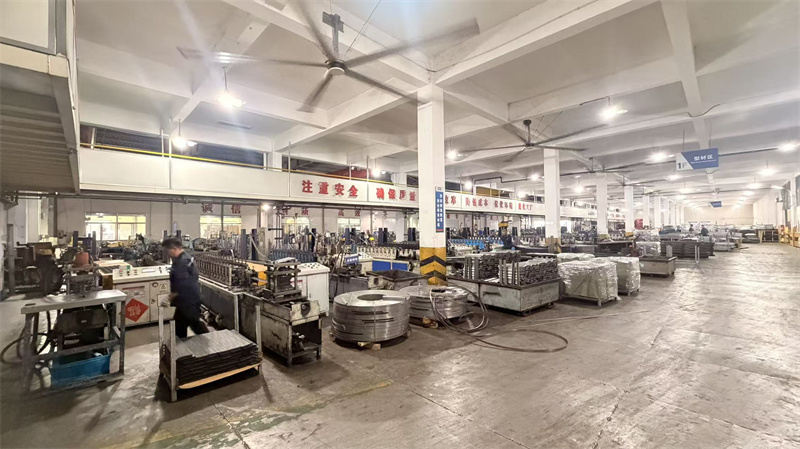
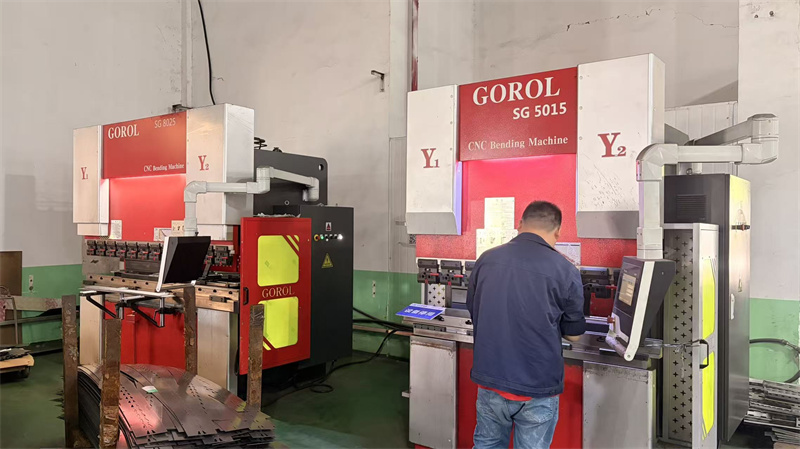
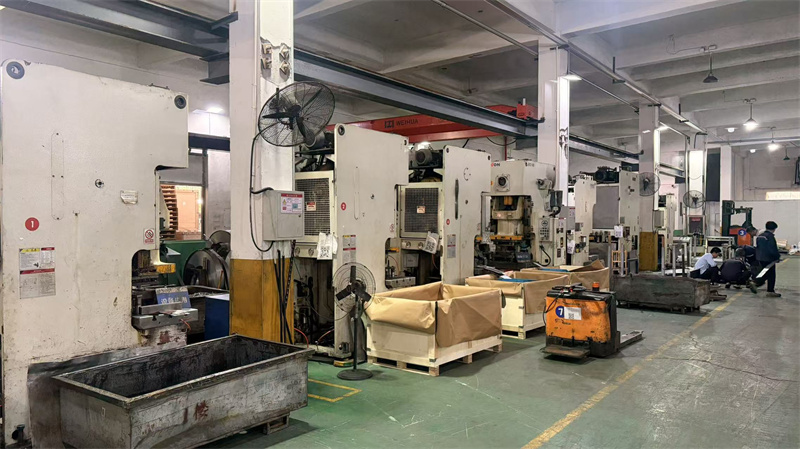
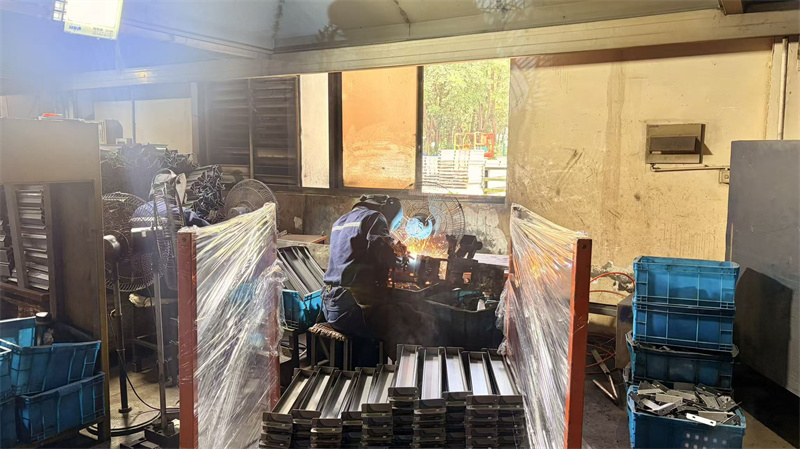
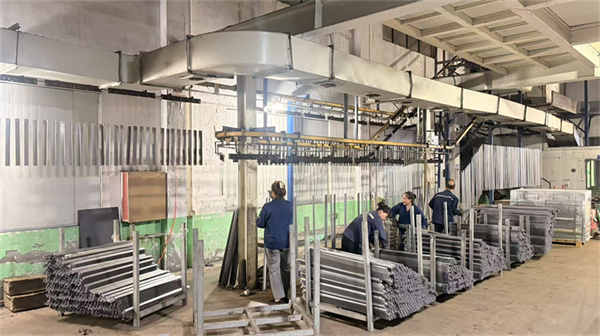
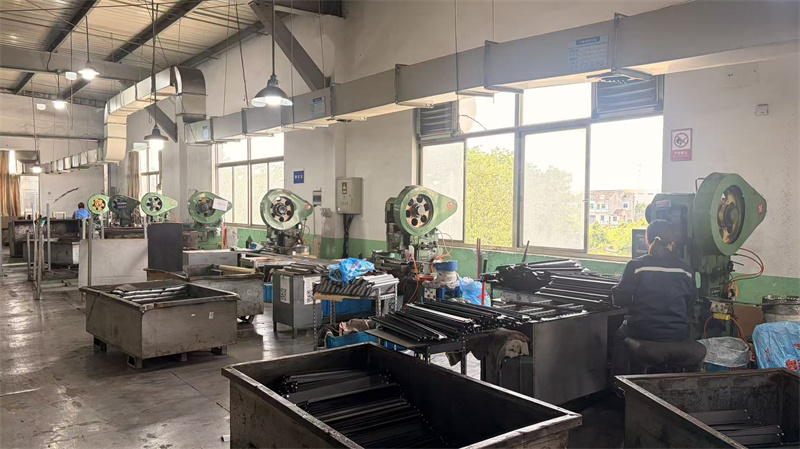
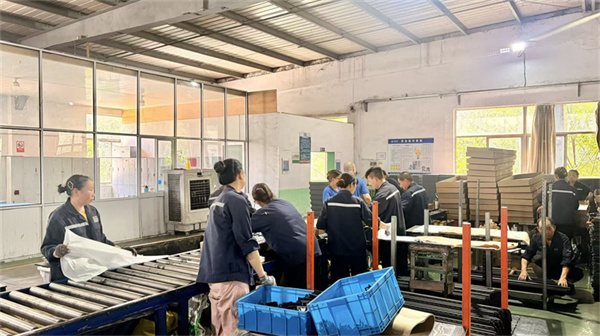
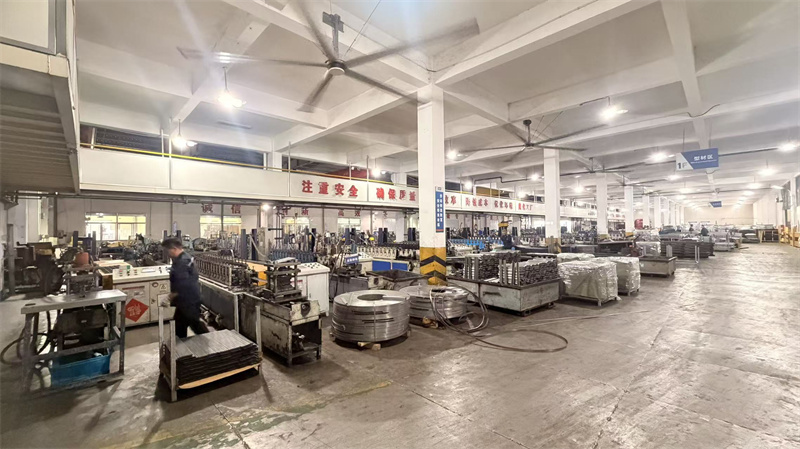
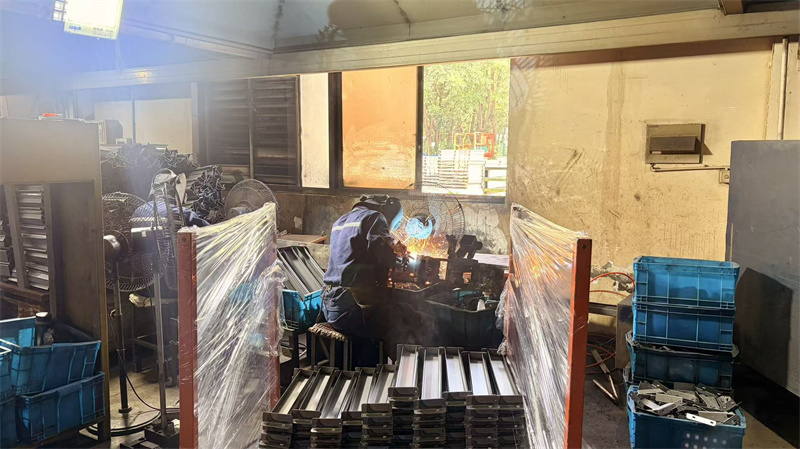
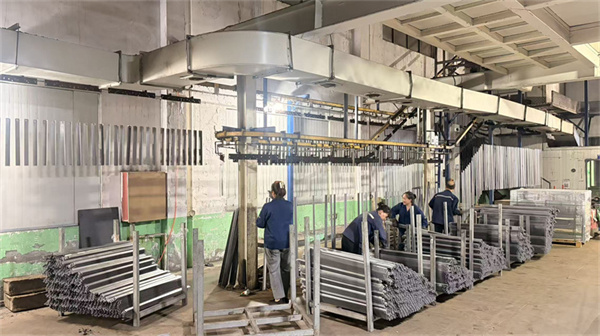
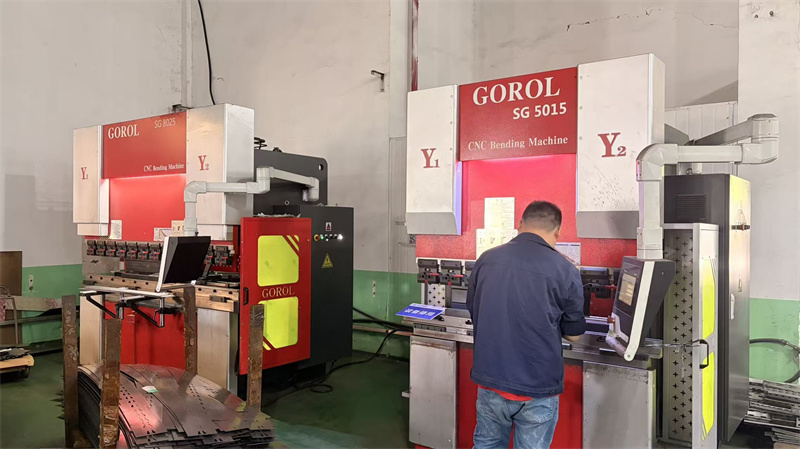
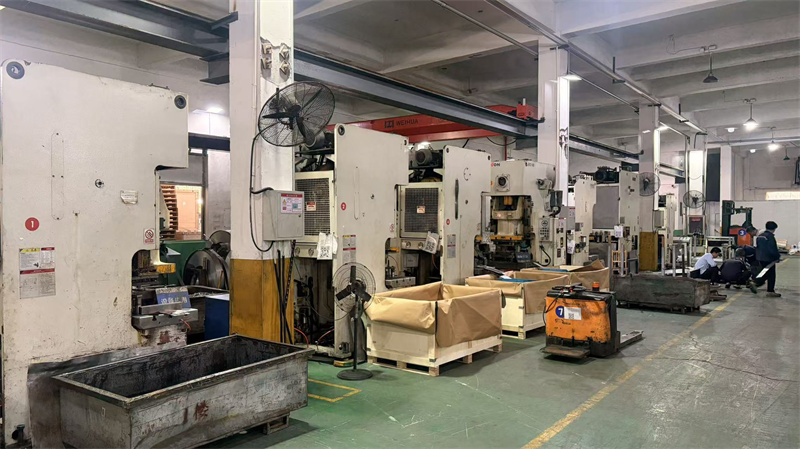
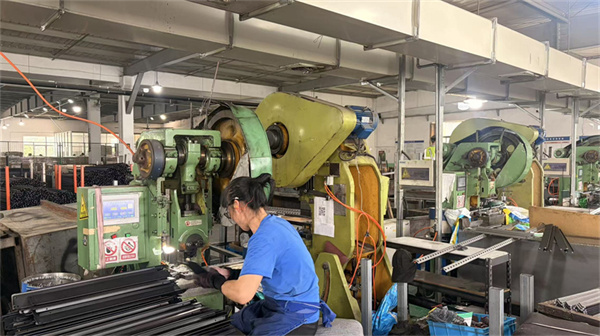
Sourcing industrial racking and retail displays directly from our Chinese manufacturing hub offers unparalleled commercial benefits. Leveraging massive raw materials pipelines, advanced robotic fabrication, and structural engineering optimization, we provide highly competitive pricing structures that are significantly more cost-effective than domestic Thai options.
Furthermore, the maritime logistical lane from the Port of Shanghai/Taicang directly to Bangkok Port (Khlong Toei) or Laem Chabang is exceptionally mature. With ocean transit times typically averaging between 7 to 10 days, supply chain leads times are minimized. This rapid turnaround enables fast project design, staging, and assembly phases for new cold warehouses or supermarket distribution networks.
Importers sourcing steel racking systems from China can leverage the Form E Certificate of Origin. Under the China-ASEAN Free Trade Agreement, import customs tariffs on steel structures are reduced or eliminated entirely. This translates directly to bottom-line capital expenditure savings for large-scale enterprise storage infrastructure projects.
We specialize in engineering robust agricultural logistics solutions designed specifically for regional cold chains. When dealing with fresh fruits and vegetables, inventory tracking models must adhere strictly to FIFO/FEFO (First-Expired, First-Out) standards. Our advanced flow racking systems utilize heavy-duty gravity roller beds that allow pallets to move smoothly from loading aisles to retrieval docks, minimizing manual forklift intervention and preventing inventory aging.
For processing and packing facilities located in Samut Prakan or Pathum Thani, space efficiency is achieved through our multi-tier mezzanine steel structures. These installations double or triple usable floor areas without altering the existing physical footprints of buildings. The integration of high-density shelving below the mezzanine floor supports sorting and packaging operations, while the upper platform serves as a bulk storage staging area for light packaging materials and ready-to-ship orders.
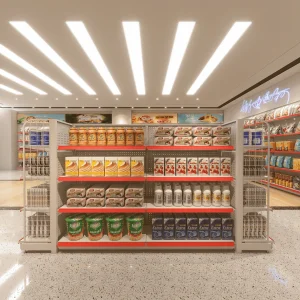
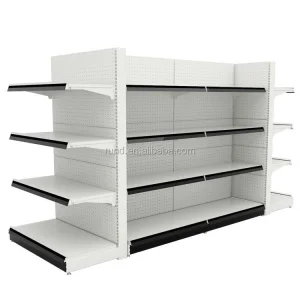
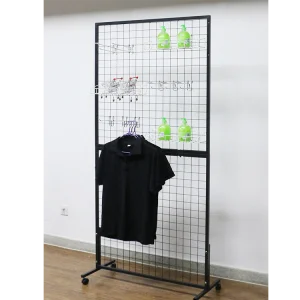
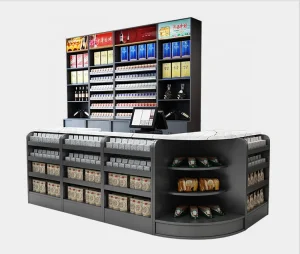
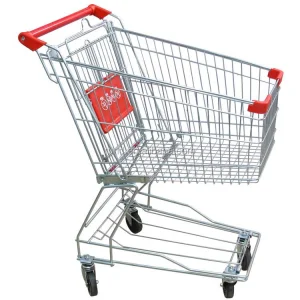
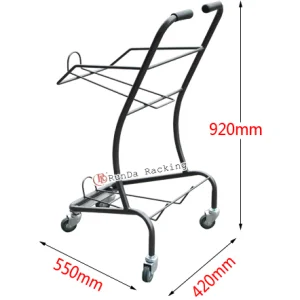
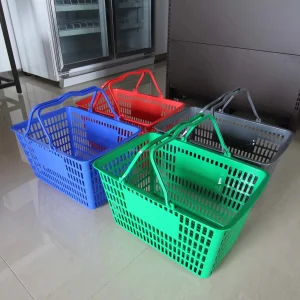
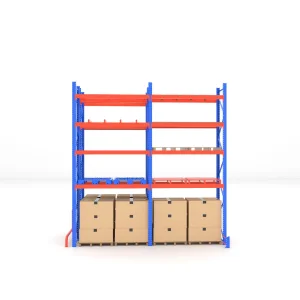
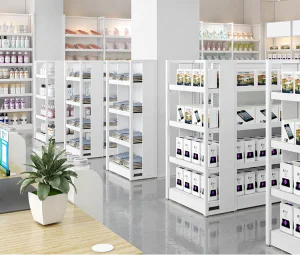
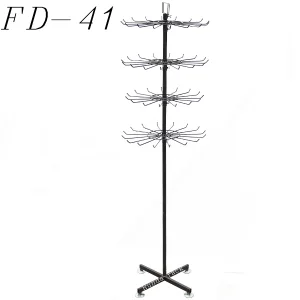
Explore our complete catalog of industrial racking, retail display stands, supermarket shopping carts, and heavy-duty structural systems.
 Expandrack