Premium structural equipment optimized for freshness verification, high-throughput retail presentation, and localized logistics distribution networks across Greater Los Angeles.
Los Angeles serves as the vital gateway for the agricultural abundance of California’s Central Valley and acts as the nation’s premier point of entry for international agricultural trade. To manage millions of tons of perishables annually, fruit and vegetable factories, processing hubs, and cold storage facilities require structurally advanced, seismic-certified warehousing layouts.
This whitepaper analyzes the structural engineering, macro-economic realities, and technology integrations governing food production storage in Southern California. We evaluate how specialized logistics equipment mitigates supply chain disruptions, ensures FDA compliance, and addresses the critical seismic challenges unique to the Los Angeles basin.
Los Angeles Regional Context: The industrial corridors of Vernon, Commerce, City of Industry, and the Inland Empire represent the epicenter of Western U.S. food processing and cold chain storage. These locations route agricultural yields from the Central Valley to over 18 million regional consumers and export markets via the Ports of Los Angeles and Long Beach. Racking systems in these regions must maximize vertical cubic capacity due to historically low industrial real estate vacancies and premium lease rates, all while operating under California's strict seismic mandates.
Global Produce Supply Chain Context: Globally, population growth and rising demands for year-round fresh produce drive the expansion of cold chain capacities. The integration of advanced post-harvest preservation, rapid processing, and temperature-controlled logistics is critical. Modern facilities utilize structural steel storage systems that withstand thermal shocks within sub-zero storage setups, preventing structural failure and ensuring continuous inventory throughput.
Operating a fruit and vegetable processing or storage facility in Los Angeles requires compliance with the California Building Code (CBC) and Racking Manufacturers Institute (RMI) standards. Dynamic forces from seismic activity demand rigorous material grade selection, structural analysis, and weld testing.
Company Overview & Background: Founded in 2016, Suzhou Expandrack Logistics Equipment Co., Ltd. is a technologically advanced manufacturer specializing in heavy-duty selective pallet racking, drive-in systems, and automated rack-supported warehouse structures. Backed by 10 years of deep industry expertise and 7 years of seamless international trade background, Suzhou Expandrack operates out of a modern 42,000-square-meter production complex in Suzhou, China. Driven by rigorous international standards, our company reaches an annual export revenue exceeding USD 36.0 million.
Global Footprint & Target Clienteles: Our global market presence spans Southeast Asia, the Middle East, South America, and Eastern Europe. Leveraging a resilient supply chain of over 850 strategic material and hardware partners, Expandrack delivers end-to-end storage solutions tailored for diverse commercial sectors. Our main customer types include industrial material handling distributors, retail logistics hubs, pharmaceutical storage managers, and automotive assembly lines.
Quality Control & Testing Rigor: Our manufacturing plant operates under stringent ISO 9001:2015 and RMI (Racking Manufacturers Institute) protocols. The facility houses a specialized laboratory managed by 32 senior QC inspectors to ensure zero-defect output.
R&D Innovation & Tailored Solutions: At Expandrack, innovation underpins every racking system. Our technical center is staffed by 42 specialized structural engineers who design space-optimizing racking layouts with enhanced safety margins. Last year, the R&D department introduced 120 new standard components and structural accessories to the market.
High-performance racking starts with precision manufacturing. Every component undergoes rigorous processing steps to ensure dimensional accuracy, structural load distribution, and durable coatings:
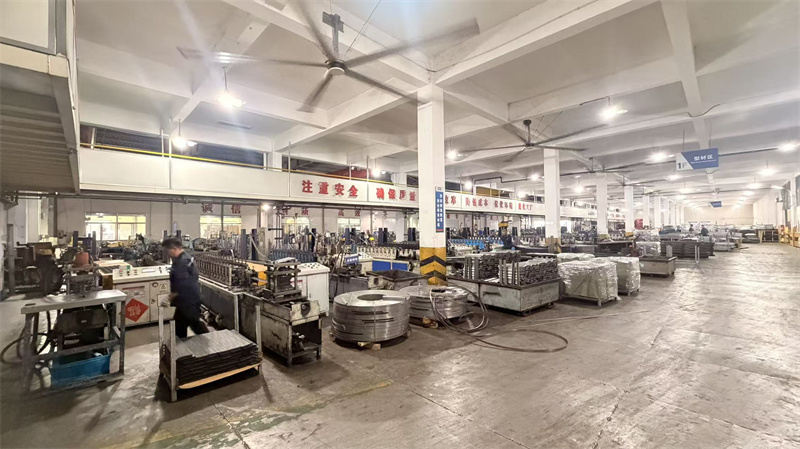
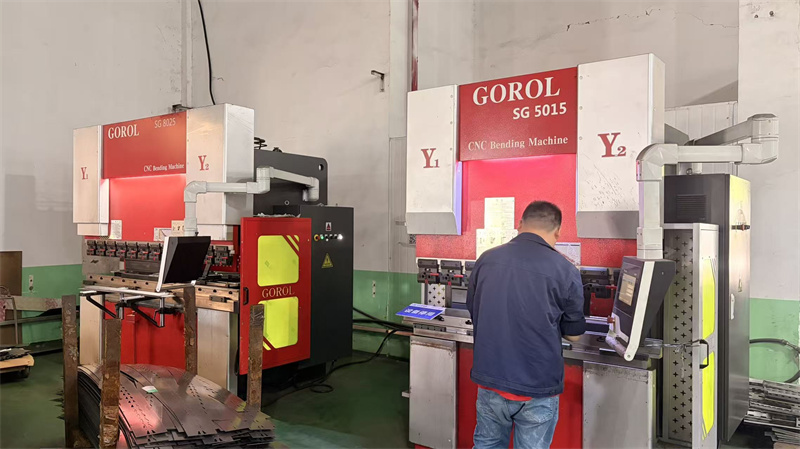
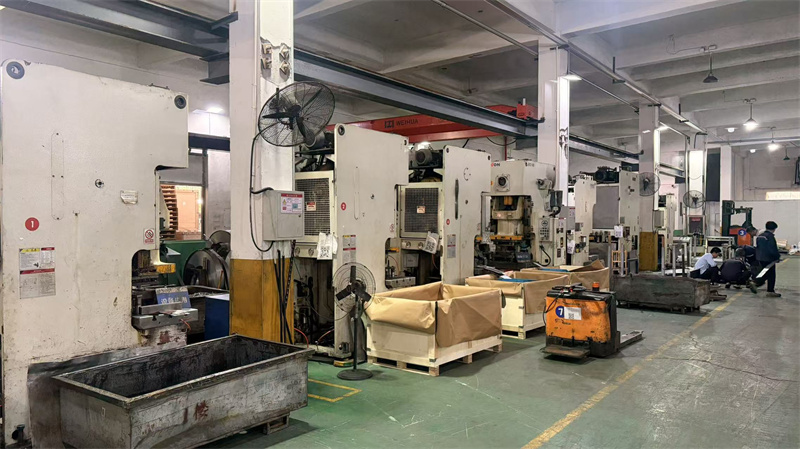
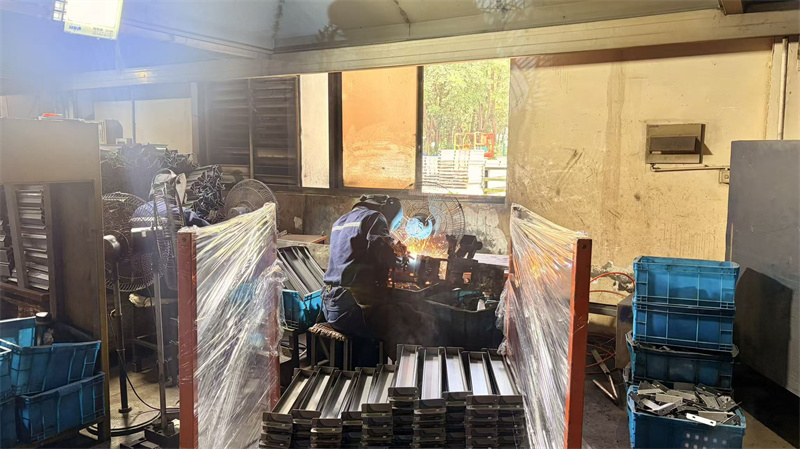
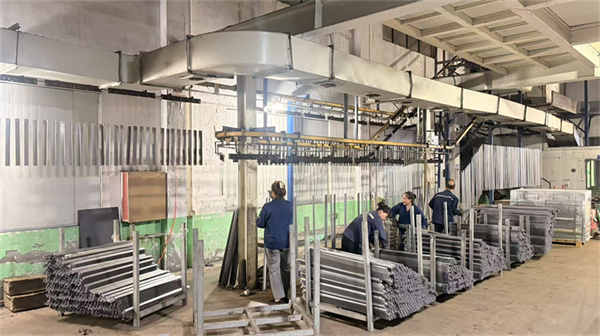
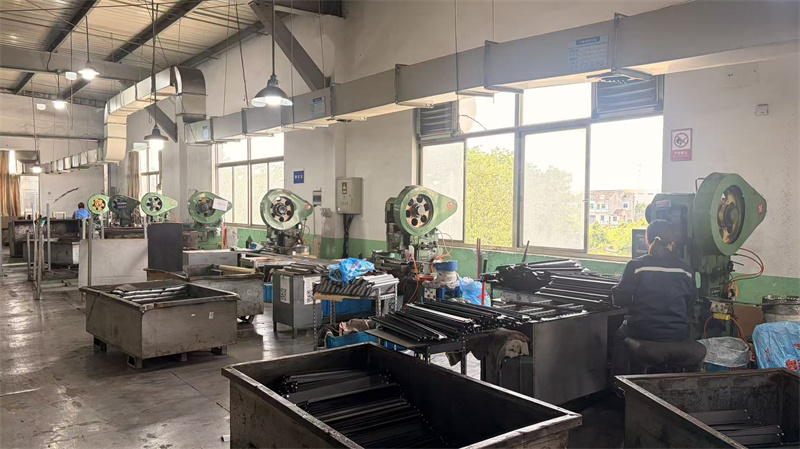
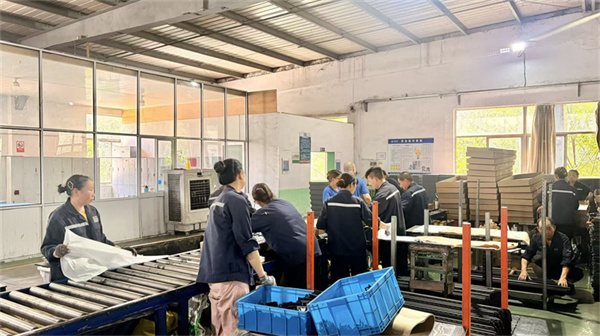
Our heavy-duty machinery lineup ensures execution accuracy across our entire product range:
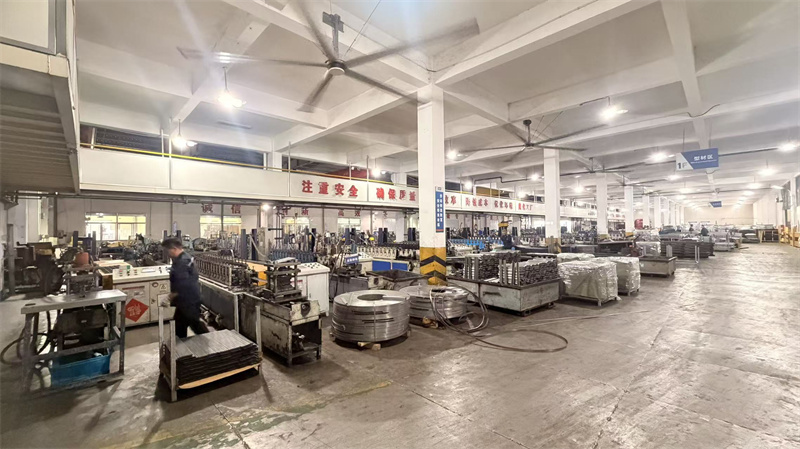
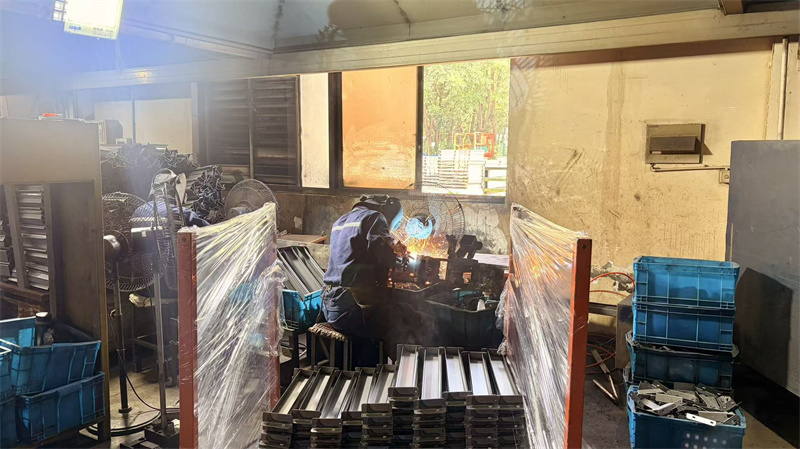
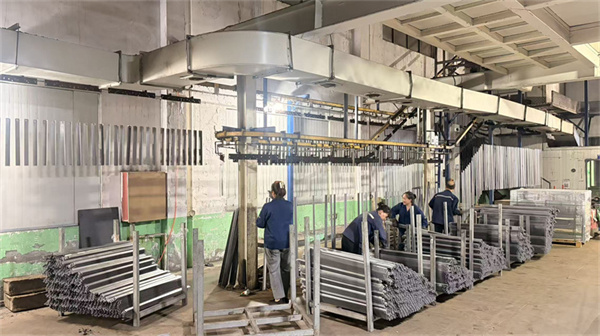
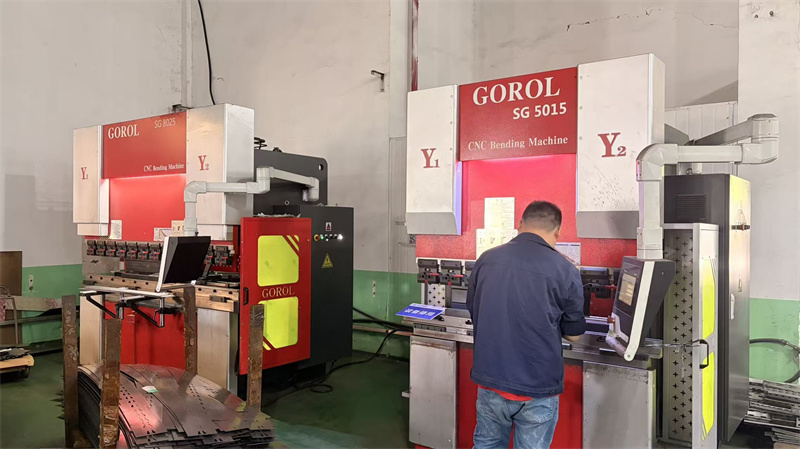
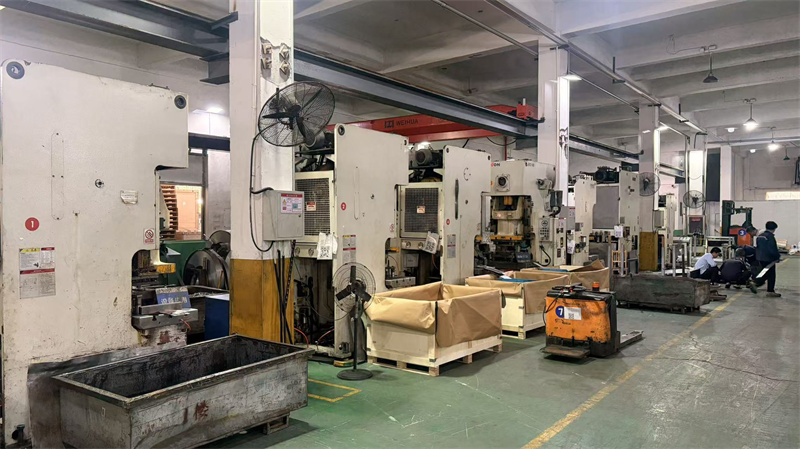
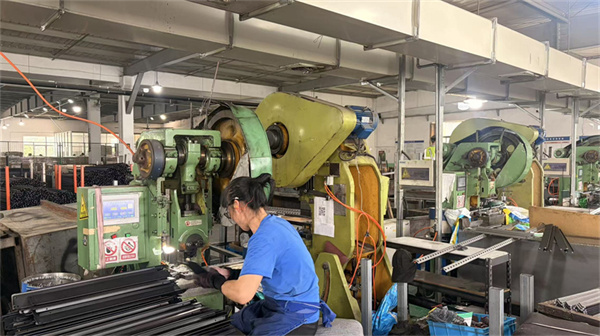
Scenario A: Central Valley-to-LA Distribution Nodes
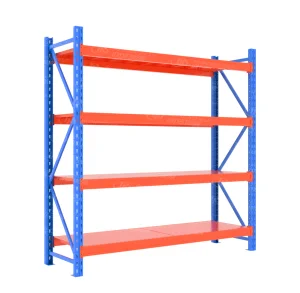
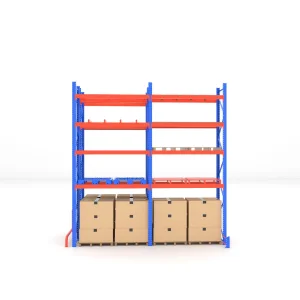
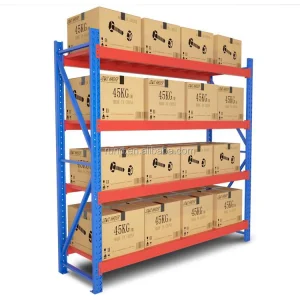
Bulk crates of heavy vegetables (potatoes, onions, citrus) require high-load structural pallet racking. By implementing Expandrack’s heavy-duty selective steel racks, distributors in Vernon achieve dynamic loading capacities of up to 4,000 lbs per pair of beams, with custom baseplates designed to anchor into 6-inch reinforced concrete slabs under seismic criteria.
Scenario B: High-Humidity Cold Processing Zones
In leafy green and berry processing rooms, high humidity accelerates standard carbon steel corrosion. We recommend our Hot-Dip Galvanized (HDG) rack variants or multi-stage powder-coated finishes, which prevent rust and eliminate chemical contamination risks, ensuring compliance with USDA and FDA regulations.
The agricultural warehousing sector is transitioning from manual, low-density layouts to smart, high-density, automated systems. Our R&D division focuses on:
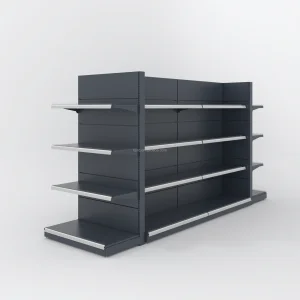
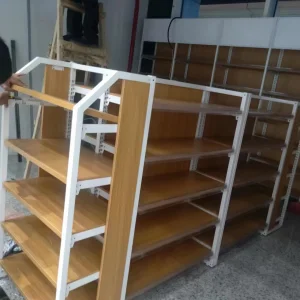
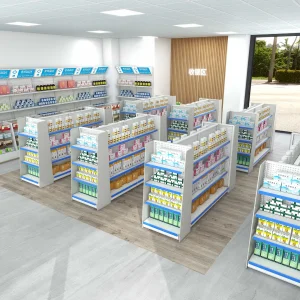
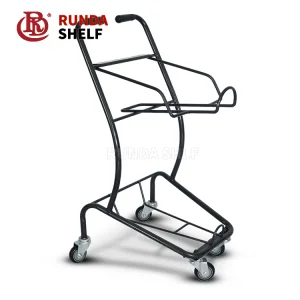
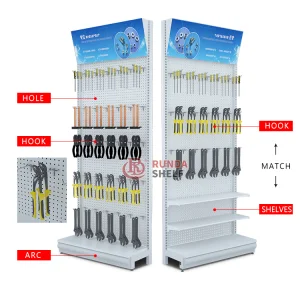
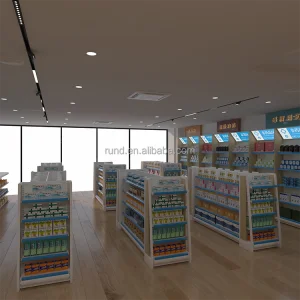
Explore our full line of commercial-grade shelving, modular storage systems, and transit accessories optimized for grocery chains and distribution centers.
 Expandrack