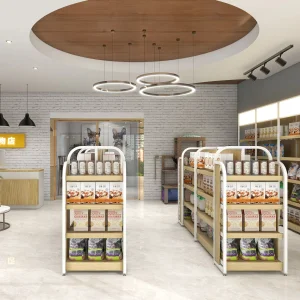
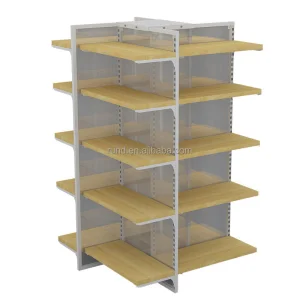
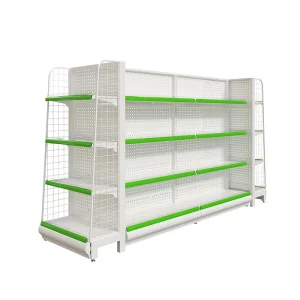
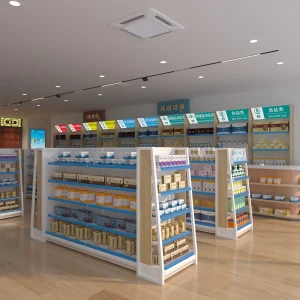
Premium display configurations deployed across commercial hubs in Almaty, Astana, and Karaganda.
Founded in 2016, Suzhou Expandrack Logistics Equipment Co., Ltd. is a technologically advanced manufacturer specializing in heavy-duty selective pallet racking, drive-in systems, and automated rack-supported warehouse structures. Backed by 10 years of deep industry expertise and 7 years of seamless international trade background, Suzhou Expandrack operates out of a modern 42,000-square-meter production complex in Suzhou, China. Driven by rigorous international standards, our company reaches an annual export revenue exceeding USD 36.0 million.
Our global market presence spans Southeast Asia, the Middle East, South America, and Eastern Europe. Leveraging a resilient supply chain of over 850 strategic material and hardware partners, Expandrack delivers end-to-end storage solutions tailored for diverse commercial sectors. Our main customer types include industrial material handling distributors, retail logistics hubs, pharmaceutical storage managers, and automotive assembly lines.
At Expandrack, innovation underpins every racking system. Our technical center is staffed by 42 specialized structural engineers who design space-optimizing racking layouts with enhanced safety margins. Last year, the R&D department introduced 120 new standard components and structural accessories to the market.
As the geostrategic heart of the Eurasian Land Bridge, Kazakhstan has transitioned from a transit corridor into a central logistics and distribution powerhouse. The massive growth of agricultural exports, regional transit trade (the Middle Corridor), and large-scale manufacturing in Almaty, Astana, and Shymkent has catalyzed an unprecedented demand for modern, high-density warehousing solutions.
Drive-in racking (drive-in shelf systems) represents the gold standard for optimization in Kazakhstan's cold chain storage and mineral transit depots. By eliminating traditional service aisles, drive-in structures achieve up to an 85% space utilization rate. This density is particularly critical for cold storage facilities handling meat, dairy, and agricultural produce in northern and southeastern Kazakhstan, where refrigeration energy costs demand highly compact spatial design.
Customs terminals at the Khorgos-Eastern Gate SEZ rely on high-density drive-in shelves for rapid consolidation of standardized goods destined for the EAEU and Central Asia.
The Almaty region, situated in a high-intensity seismic zone, requires drive-in systems engineered with enhanced structural steel grade Q345B, heavy-duty top bracing, and anchor configurations.
LIFO (Last-In, First-Out) operations are ideal for bulk perishables with uniform batch sizes, ensuring minimum temperature loss during forklift entries.
Across global logistics infrastructure, modern facilities are shifting away from low-density storage due to rising industrial land costs. The international market demands automated, high-precision racking systems that comply with both the European EN 15620 standards and the US RMI (Racking Manufacturers Institute) guidelines.
Suzhou Expandrack leverages China's unmatched steel manufacturing ecosystem, combining raw material cost efficiencies with high-precision engineering. By utilizing advanced automated roll-forming and powder-coating lines, Expandrack supplies global markets with structural durability that matches Western standards at a highly competitive total cost of ownership (TCO).
Take an inside look at the automated machines and rigorous steps that form our heavy-duty drive-in shelving.
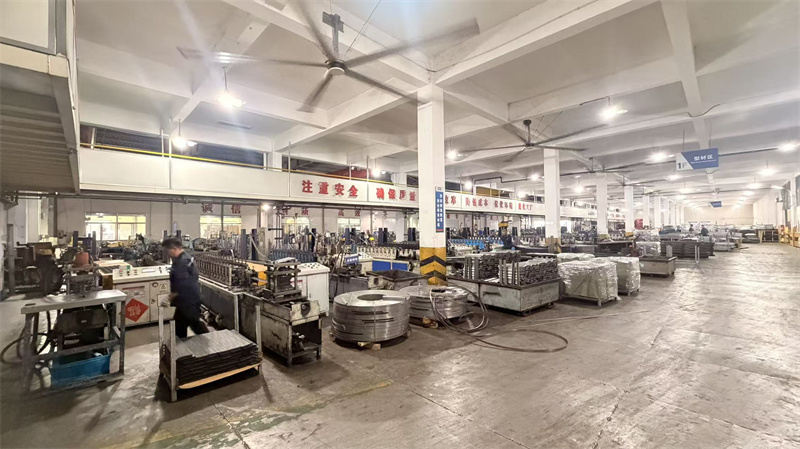
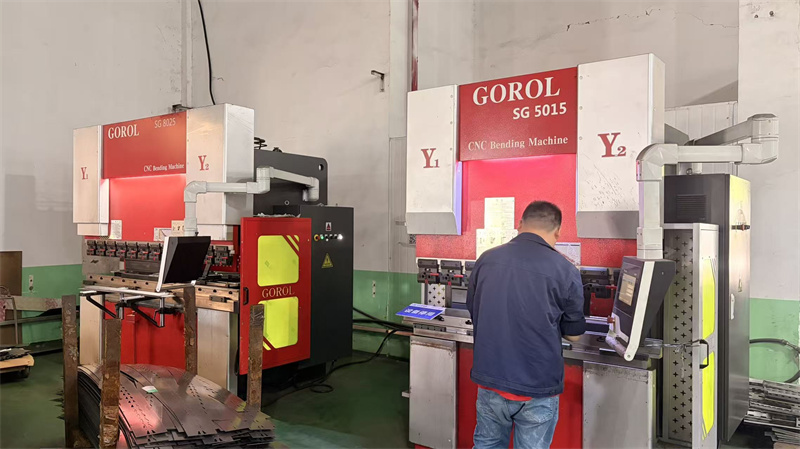
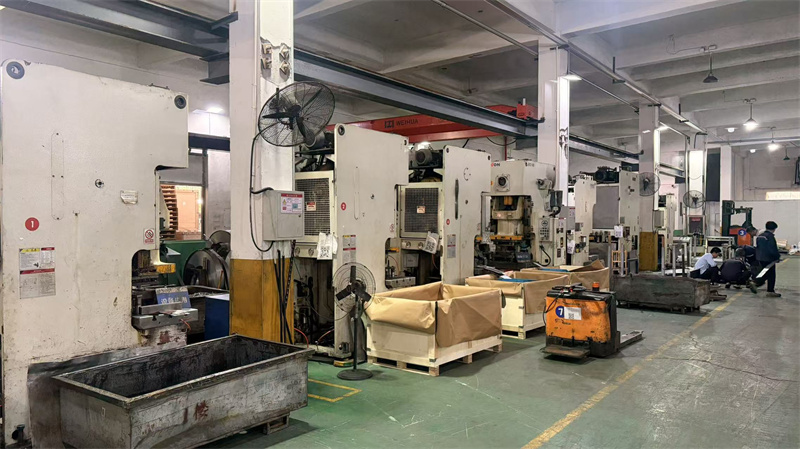
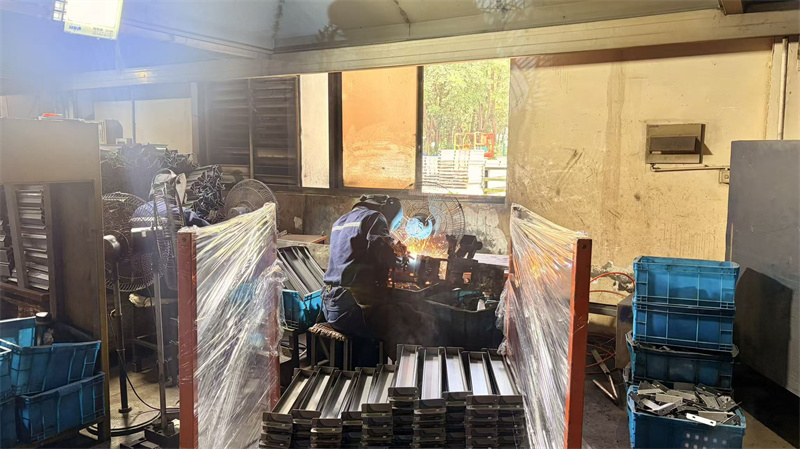
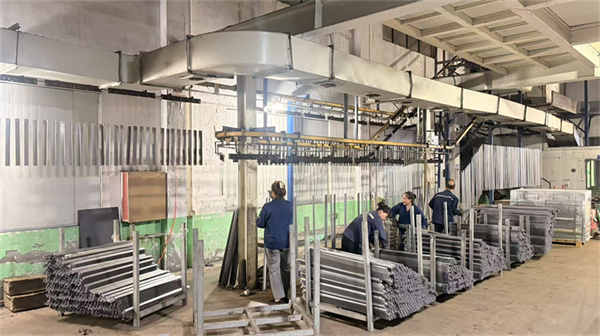
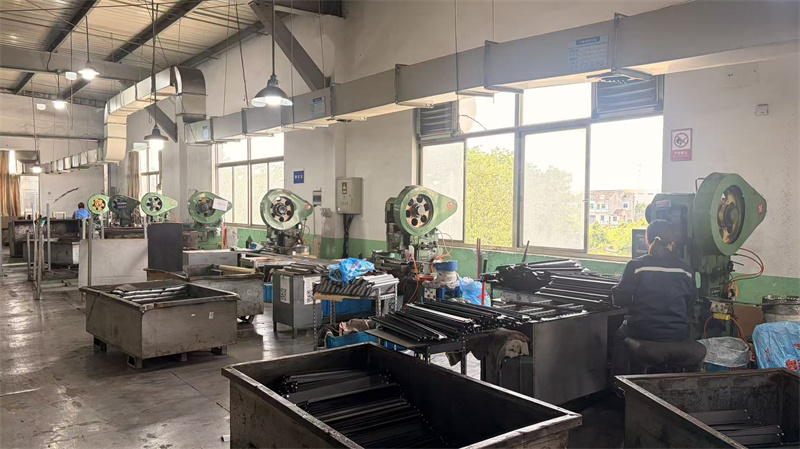
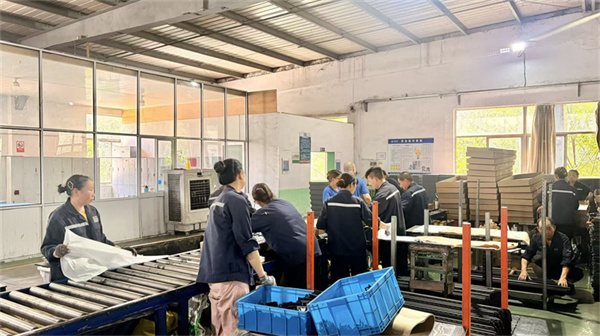
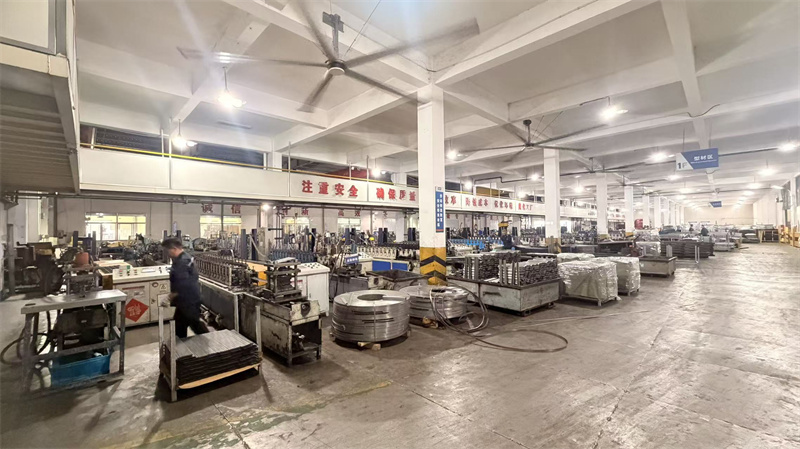
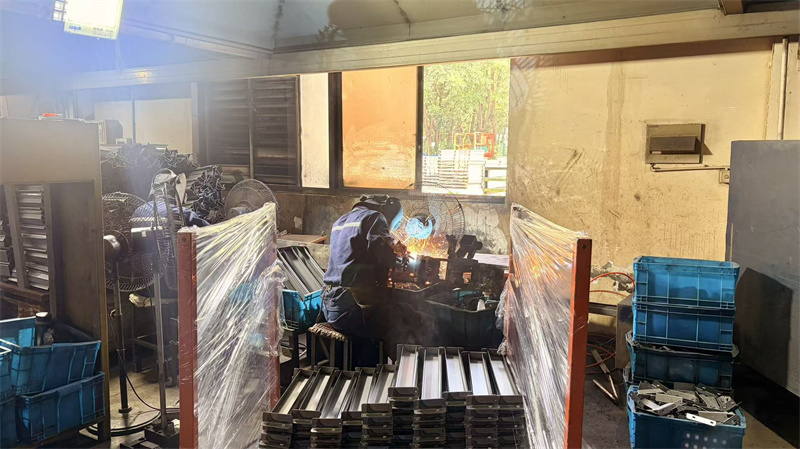
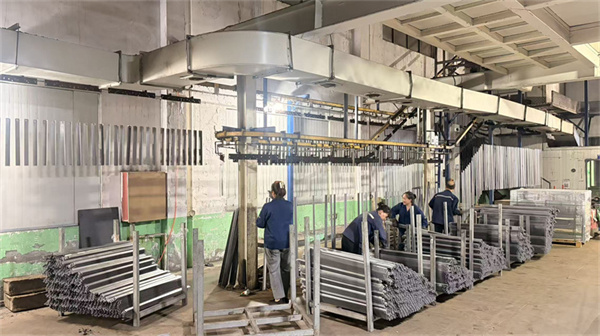
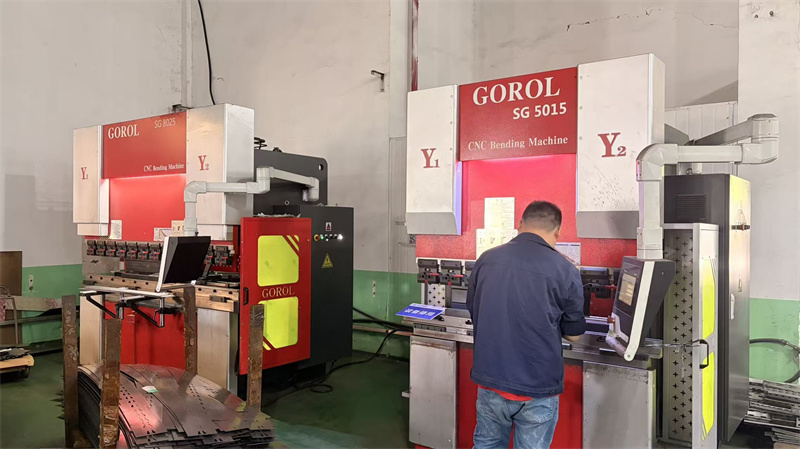
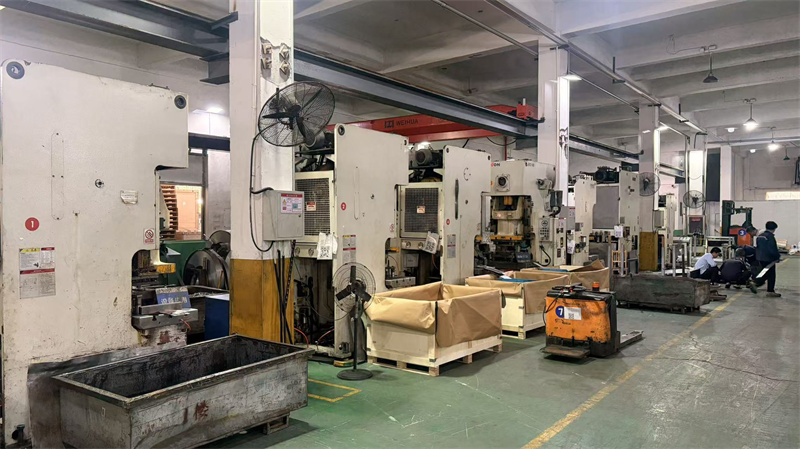
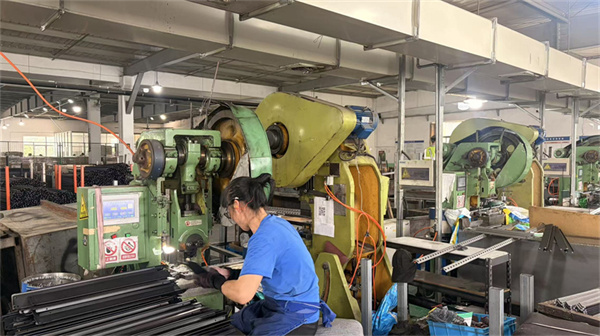
Our manufacturing plant operates under stringent ISO 9001:2015 and RMI (Racking Manufacturers Institute) protocols. The facility houses a specialized laboratory managed by 32 senior QC inspectors to ensure zero-defect output.
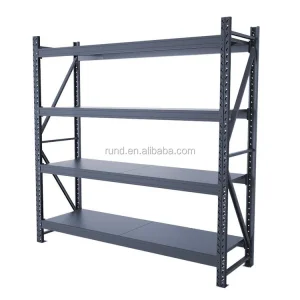
Engineered for structural reliability in industrial depots and commercial spaces across Eurasia.
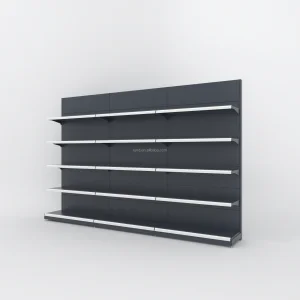
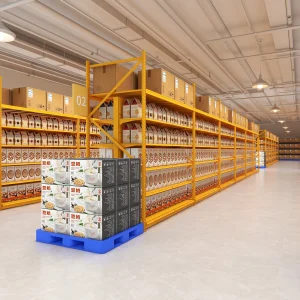
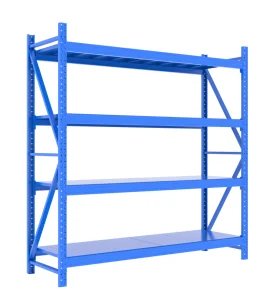
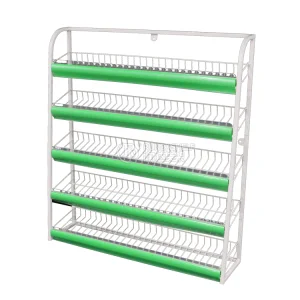
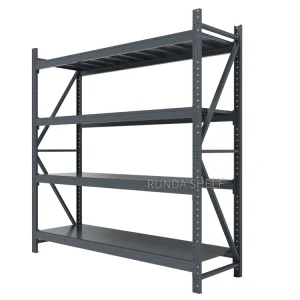
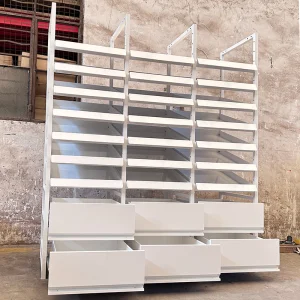
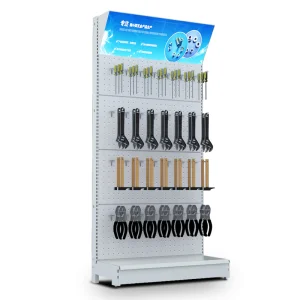
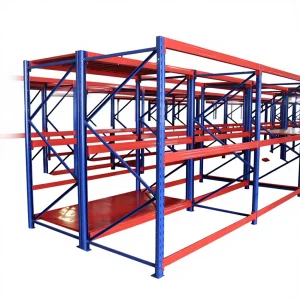
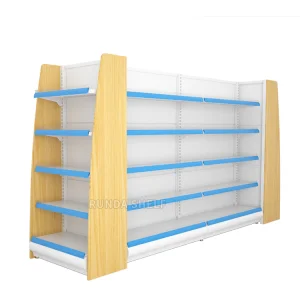
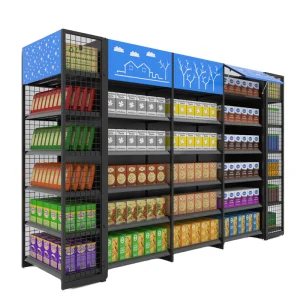
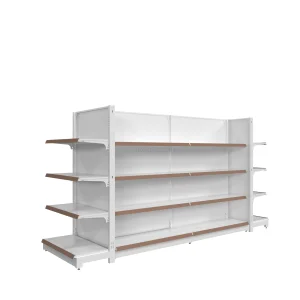
Selecting a drive-in shelf manufacturer requires a thorough understanding of industrial engineering parameters. When evaluating quotes and mechanical blueprints, procurement managers should scrutinize the following parameters to ensure system structural integrity:
Always specify certified structural grades (e.g., Q235B or Q355B equivalent to S235JR and S355JR). Uncertified mild steel prone to deformation is a major hazard in drive-in systems where forklift contact is statistically common.
Because drive-in racking lacks traditional beam cross-bracing in the forklift corridors, stability relies heavily on floor anchorage. Request heavy-duty double-anchor baseplates with thick seismic shims if you are setting up in active zones like Almaty.
For standard temperature-controlled warehouses, standard electrostatic powder coating is sufficient. However, for cold-chain facilities, specify hot-dip galvanized components or specialized low-temperature powder grades to prevent corrosion and micro-cracking.
Find engineering and logistic clarifications on drive-in shelving deployments.
 Expandrack