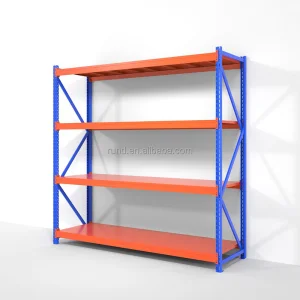
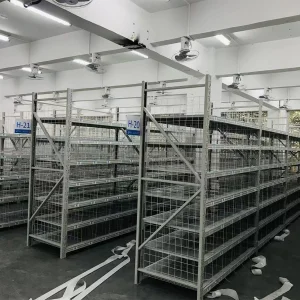
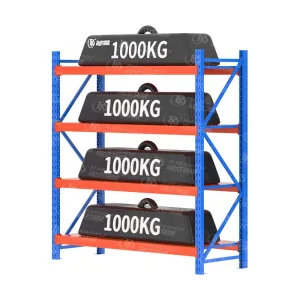
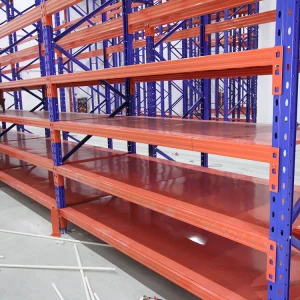
Engineered for long, bulky, and irregular materials including structural steel, lumber packs, and industrial tubing.
Annual Export Value
Production Facility
Structural R&D Engineers
Supply Chain Partners
Industrial warehousing across the United States is facing unprecedented spatial challenges. E-commerce expansion, high commercial real estate rents in major logistical hubs like the Inland Empire, Northern New Jersey, and Dallas-Fort Worth, and a domestic manufacturing resurgence have forced enterprises to optimize vertical volume. Traditional pallet racking falls short when dealing with oversized, long, or non-uniform materials such as structural steel, HVAC ducting, lumber, PVC piping, and automotive chassis assemblies. Cantilever racking represents the definitive engineering solution to eliminate structural front uprights, offering unobstructed horizontal runs and maximizing density.
Procuring industrial racking for American facilities requires adherence to localized building codes, structural calculations, and seismic load analysis. Under the International Building Code (IBC) and local municipal guidelines, structures must be engineered to comply with the Rack Manufacturers Institute (RMI) standard ANSI MH16.1. As a leading manufacturer, we address these specific compliance profiles by performing precise engineering calculations for structural performance, deflection thresholds (L/180), and seismic designs matched to regional US geological coordinates.
Our heavy-duty cantilever racks are built with structural steel channels (Q355B/ASTM A572 Grade 50 equivalent) or roll-formed high-strength steel. Column configurations, arm capacities, and structural base sizing are optimized using finite element analysis (FEA) to withstand severe industrial conditions. The absence of aisle-side vertical columns allows forklifts to access continuous horizontal storage without obstruction, which speeds up material retrieval cycles by up to 35%.
Designed and built in strict accordance with RMI (ANSI MH16.1) protocols. Custom calculations accommodate seismic parameters (SDS and SD1 values) specifically for California, Washington, and other high-seismicity US zones.
Uprights feature vertical hole pattern increments allowing arms to adjust easily on 3-inch or 4-inch vertical centers, giving operators high adaptability for changing inventory sizes.
Offering both structural steel C-Channel options for extreme high-capacity loads subject to forklift impact, and roll-formed steel for cost-effective, light-to-medium industrial configurations.
At Suzhou Expandrack Logistics Equipment Co., Ltd., we combine technological innovation with robust structural design. Our technical R&D center is staffed by 42 specialized structural engineers who design space-optimizing layouts. Last year alone, our engineers developed 120 new standard components and structural accessories. Customized configurations include:
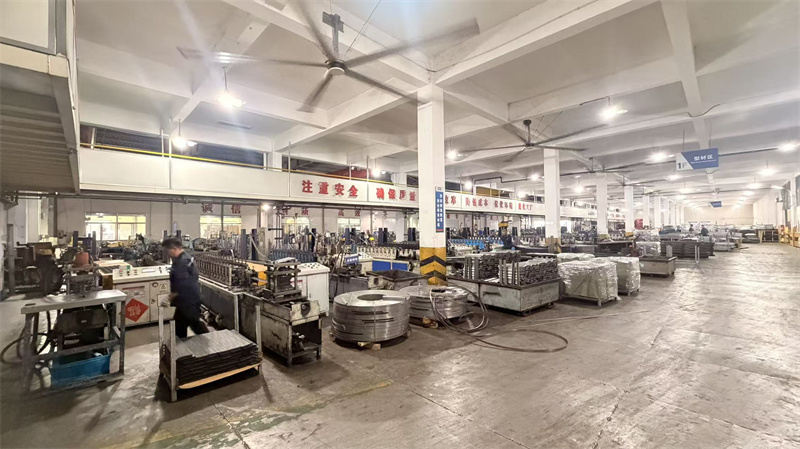
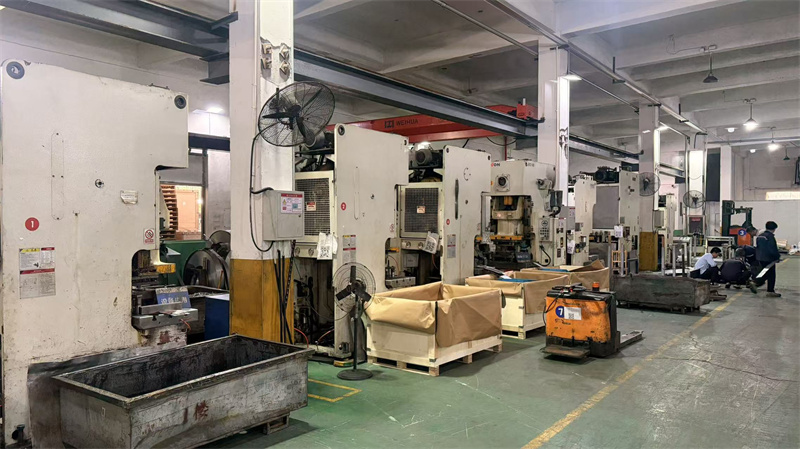
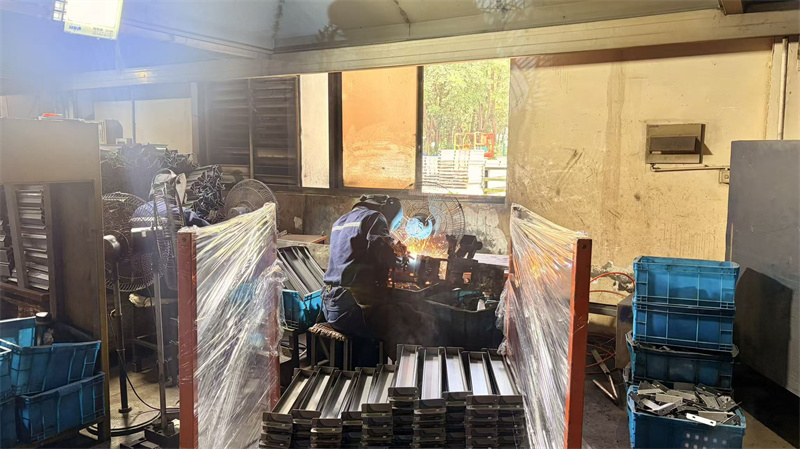
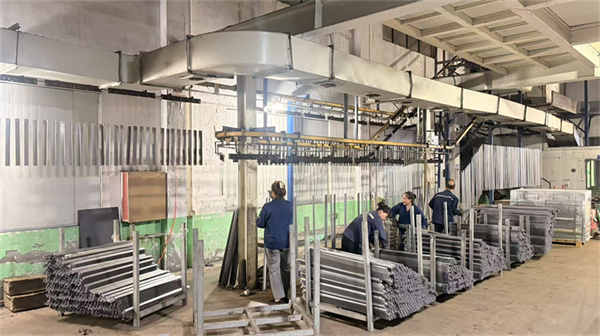
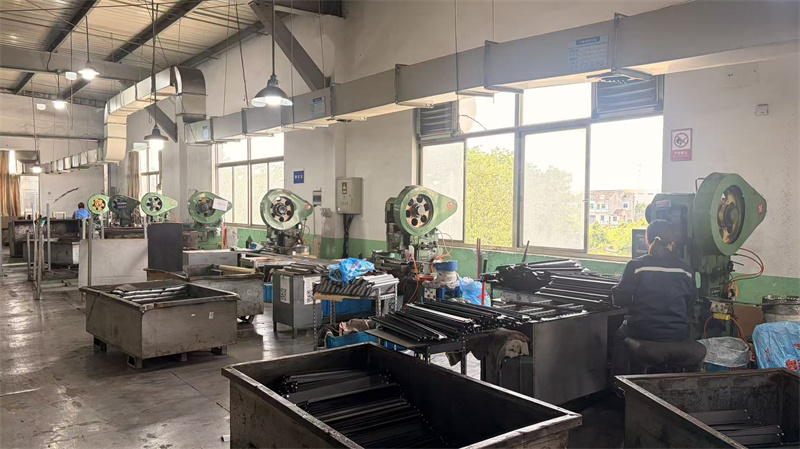
Founded in 2016, Suzhou Expandrack Logistics Equipment Co., Ltd. operates a modern 42,000-square-meter manufacturing complex in Suzhou, China. Backed by over a decade of industry expertise, we export over USD 36.0 million annually to clients throughout the Americas, Europe, South America, and the Middle East. Every production step is monitored in real-time under an ISO 9001:2015 quality management framework.
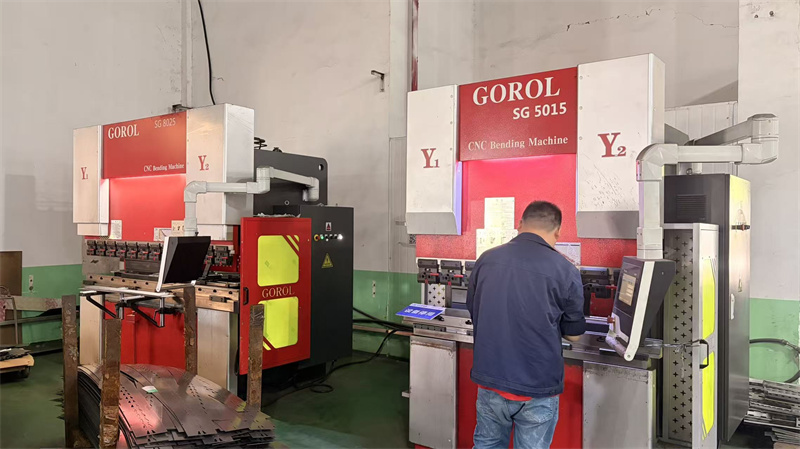
Our plant maintains complete control over the manufacturing cycle, preventing structural defects before shipping. View our specialized equipment and structural processing phases below:
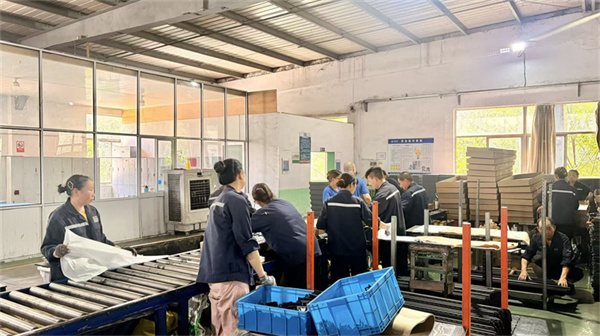
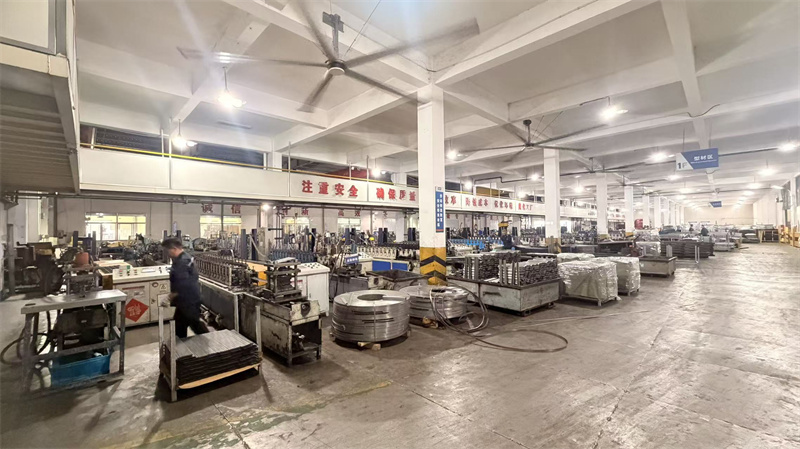
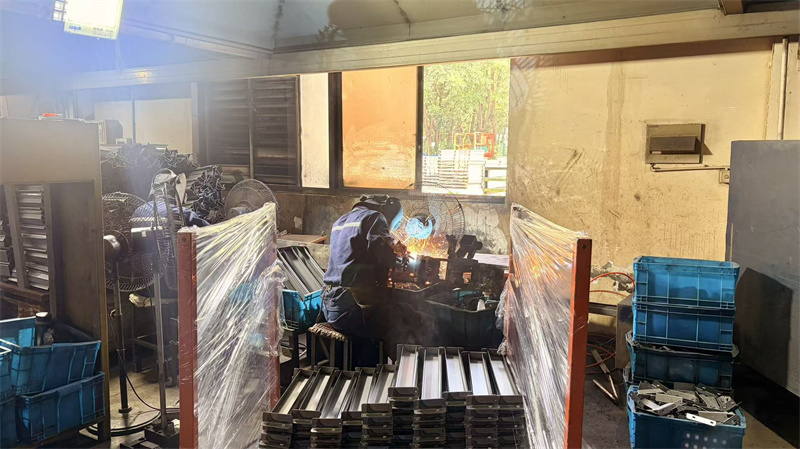
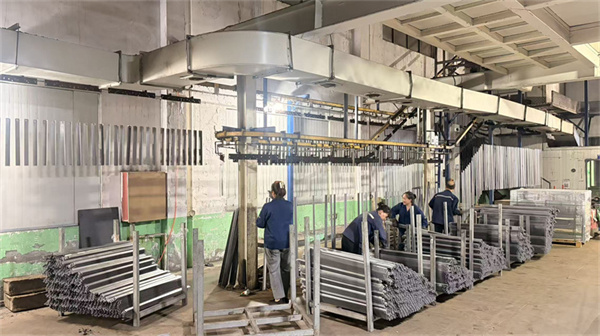
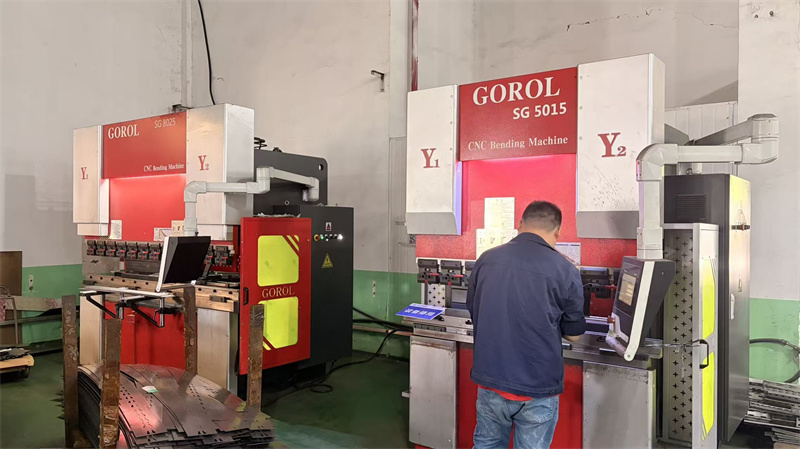
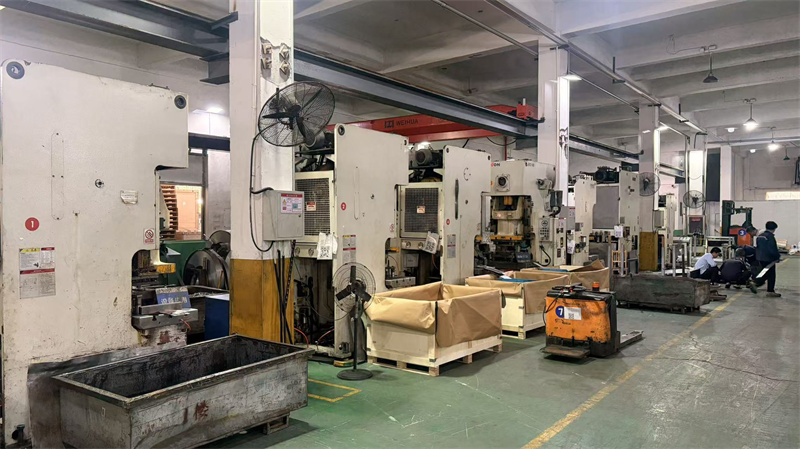
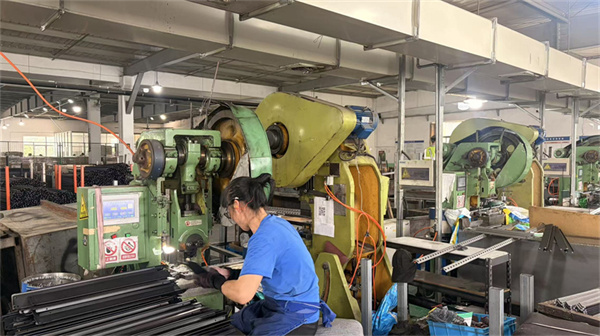
Our quality management division features 32 senior QC inspectors who operate an advanced, in-house laboratory. Every batch of structural steel is tracked from raw material coil through to the finished structural rack. Our inspection protocols include:
We streamline the procurement process for US-based industrial distributors, logistics developers, and third-party logistics (3PL) providers. Recognizing the complexities of importing heavy structural steel components, Suzhou Expandrack provides comprehensive DDP (Delivered Duty Paid) shipping solutions. We manage customs clearances, freight bookings, ISF filings, and local land transport logistics to deliver products directly to your construction site or distribution facility.
We provide full structural CAD prints, capacity charts, and loading calculation reports to simplify the building permit approval process with local US building departments.
Mill test reports (MTR) verifying steel grade properties are issued with every cargo batch, establishing a transparent quality audit trail.
Detailed installation blueprints, component layouts, and online engineering support guide local US contractor crews through safe assembly and anchoring.
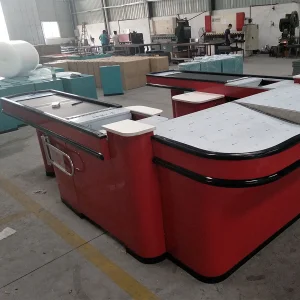
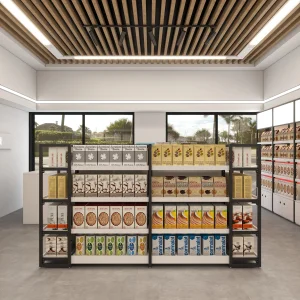
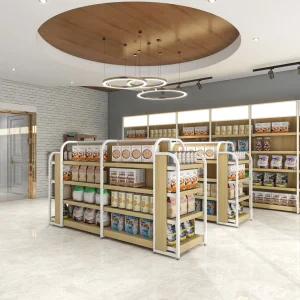
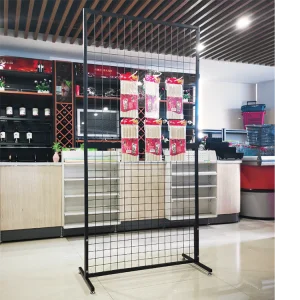
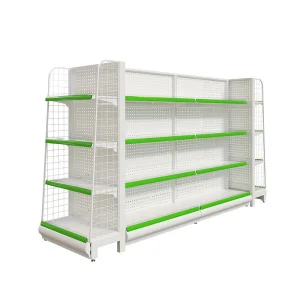
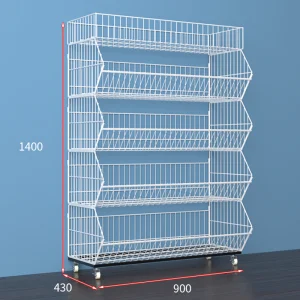
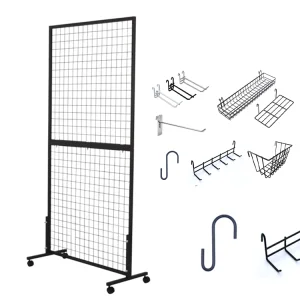
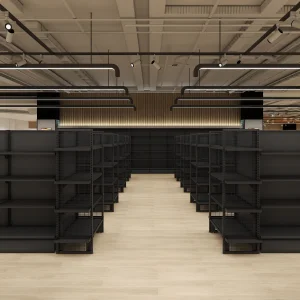
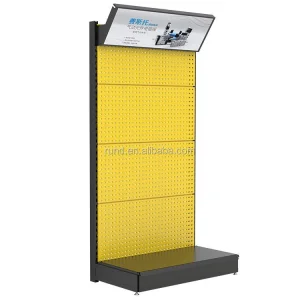
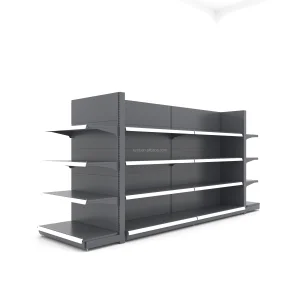
Heavy-duty commercial gondolas, display racks, and shopping accessories manufactured for US retail chains and supermarkets.
The warehousing sector is moving rapidly toward automation. Standard physical rack structures are evolving into intelligent components of Automated Storage and Retrieval Systems (AS/RS). Our structural development team is actively executing a technology roadmap to bring these advanced capabilities to our clients:
Engineering mechanical tolerances to sub-millimeter accuracy, allowing automated shuttle carriers and crane extractors to retrieve long goods without guidance errors.
Incorporating fiber-optic load cell sensors within cantilever arm brackets to monitor structural load distribution, safety limits, and send overload notifications in real time.
Transitioning to low-VOC, zero-emission electrostatic powder finishes, helping our enterprise clients meet US LEED green building certification standards.
Technical advice on cantilever rack safety standards, structural engineering, and procurement.
Racking systems in the United States must comply with the Rack Manufacturers Institute (RMI) standard ANSI MH16.1. This specification outlines structural testing, calculation rules, and safety factors. In seismically active regions like California, the racking must also meet regional building codes (such as the IBC) and be anchored to withstand potential seismic activity.
Load capacity depends on arm length, vertical pitch, and the total weight of the goods. Crucially, cantilever load capacity is based on a uniformly distributed load (UDL). Concentrated point loads or placing products at the arm tips reduces safe capacity. The total load capacity of the upright column must equal or exceed the combined capacity of all arms attached to it.
Roll-formed racks are shaped from sheet steel at room temperature, offering a cost-effective solution for light to medium loads. Structural steel racks are hot-rolled C-channel structures that are much thicker and stronger. They provide high load capacities and offer better resistance to forklift impacts, making them ideal for heavy industrial environments.
In seismic design categories C through F, heavy-duty racking must feature enlarged structural steel base plates and specialized anchoring bolts (expansion or chemical adhesive anchors). Calculations must verify that the concrete slab thickness and strength can support the uplift forces and downward loads generated during a seismic event.
Yes. For outdoor installations, we recommend a Hot-Dip Galvanized (HDG) finish. HDG provides a zinc coating that protects the steel from moisture and harsh weather, preventing rust. For indoor facilities, our standard electrostatic powder-coated finish provides excellent wear and scratch resistance.
Contact our structural engineering team today. We provide full layout designs, RMI structural capacity calculations, and factory-direct pricing for projects across the United States.
Send Inquiry Now Expandrack