High-efficiency structural components and display systems designed for Omani retail hubs, medical facilities, and industrial warehouses.
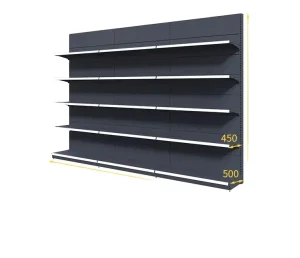
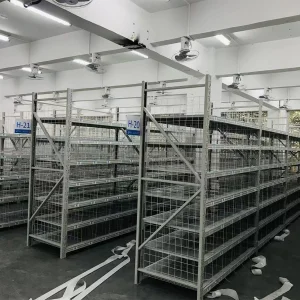
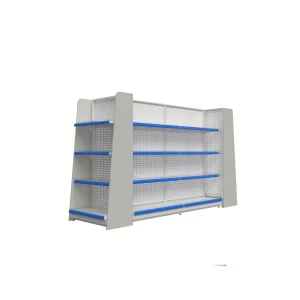
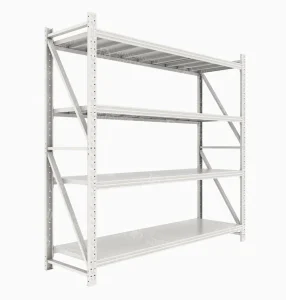
Optimizing three-dimensional facility footprints to combat rising real estate costs and maximize operational throughput.
Across the global logistics landscape, modern supply chain networks face structural challenges. The astronomical rise in industrial land prices, combined with urban distribution demands, has forced logistics managers to rethink traditional floor-based storage profiles. Mezzanine systems and heavy-duty attic shelf designs represent the frontier of vertical space engineering. By utilizing the overhead structural clearances of warehouses, these multi-tier modular platforms effectively double or triple operational square footage without altering the building’s external physical footprint.
“The optimization of high-bay space is no longer just a capacity consideration; it is a primary cost-mitigation vector for modern commerce. Multi-tier attic shelving platforms represent a strategic shift from linear storage to multi-dimensional logistical volume.”
In highly consolidated logistics corridors, traditional selective single-level pallet racking is increasingly integrated with upper-level platform decking. These multi-level systems combine heavy-duty structural steel support frameworks (often utilizing Q355B structural steel profiles) with high-density steel shelving configurations. The results are highly responsive fulfillment zones capable of simultaneous palletized storage on ground tiers and manual inventory pick-face tasks on elevated floorings.
Analyzing the structural demand for heavy-duty racking systems under Oman Vision 2040 and the diversification of GCC supply chains.
Under the strategic mandate of Oman Vision 2040, the Sultanate of Oman is positioning itself as a premier global logistics gateway connecting Asia, Africa, and the GCC. The rapid expansion of special economic zones such as the Sohar Freezone, the Duqm Special Economic Zone (SEZAD), and the Salalah Free Zone has triggered a sharp surge in the requirement for advanced material handling equipment and heavy-duty structural warehouse racking systems.
With massive sovereign investments in port infrastructure and regional transport links, international distributors and domestic manufacturers require storage facilities that match global performance benchmarks. In Muscat and the industrial corridors of Sohar, the demand is no longer just for simple static steel racks. Rather, it focuses on high-precision structural mezzanines and multi-tier attic racking units that can withstand high temperatures, coastal maritime humidity, and heavy load requirements.
| Omani Logistics Zone | Primary Industrial Sector | Recommended Racking/Shelving Solutions | Environmental/Compliance Demands |
|---|---|---|---|
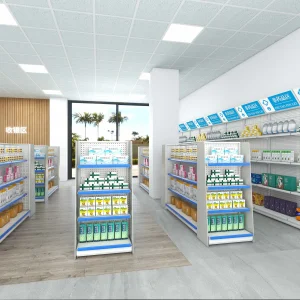
| Muscat (Mabalah & Al Rusayl) | FMCG, Retail & Pharmaceutical Logistics | Multi-Tier Attic Shelves, Gondola Systems, Pharmacy Racks | Dust protection, micro-climate control integration |
| Sohar Freezone | Heavy Industry, Steel, Manufacturing & Spares | Heavy-Duty Cantilever Racks, VNA Selective Pallet Systems | High load capacities (up to 4 tons per bay), seismic checks |
| Salalah Free Zone | Cold Storage, Agricultural Exports, Automotive Spare Parts | Drive-in Systems, Rust-Resistant Powder Coated Attic Shelving | Marine corrosion resistance (C4-C5 rating), high humidity protection |
| Duqm (SEZAD) | Petrochemicals, Marine Logistics & Distribution | Explosion-Proof Mezzanines, Automated Racking Frameworks | Corrosive chemical exposure mitigation, wind load modeling |
How attic shelves and custom racking structures address the unique operational requirements of Gulf warehouses.
Ideal for automotive hubs in Muscat and Salalah. Attic shelves divide high vertical spaces into multi-level picking areas for diverse inventory, from small gaskets to heavy suspension components.
Strict temperature control zones require efficient airflow. Custom cold-formed steel attic shelves maintain safety clearances, allowing smooth ventilation and dust-free operations.
Heavy manufacturing facilities require storage for metals, rods, and heavy components. High-load-capacity cantilever structures and attic platforms support heavy payloads without structural sagging.
A deep dive into structural calculations, load dynamics, and international building codes for attic systems.
Designing a multi-tier attic racking system requires deep structural engineering calculations. The platform must carry static product loads, dynamic human traffic, and forklift activities, all while accounting for seismic forces and dead weight considerations. At Suzhou Expandrack, our engineering process conforms to the Racking Manufacturers Institute (RMI) design code and European standard EN 15512.
The durability of our racking systems starts with the metallurgy of the structural profiles. We primarily source high-grade Q235B and Q355B hot-rolled steel coils. Q355B steel is used for vertical uprights and primary load-bearing horizontal beams in multi-tier mezzanines due to its superior yield strength (355 MPa) and low-temperature impact properties. This prevents deformation under high-stress conditions.
Although Oman is on the Arabian plate, parts of the country, especially around Muscat and Sohar, must account for earthquake risks originating from the nearby Zagros Fold and Thrust Belt. Our engineering team calculates seismic risks using finite element analysis (FEA). We design extra-thick floor baseplates, reinforced cross-bracings, and high-tensile anchor bolts to ensure the attic platform remains stable during seismic events.
Get a free warehouse layout optimization design and CAD structural drawing prepared by our expert engineering team.
Send Inquiry NowHow our advanced 42,000-square-meter facility guarantees supply chain stability, high-speed output, and delivery reliability to Oman.
Founded in 2016, Suzhou Expandrack Logistics Equipment Co., Ltd. stands as a technologically advanced manufacturing enterprise specializing in heavy-duty selective pallet racking, drive-in systems, and automated rack-supported warehouse structures. Backed by 10 years of deep industry expertise and 7 years of international trade background, our operations out of our modern 42,000-square-meter production complex in Suzhou, China, reach an annual export revenue exceeding USD 36.0 million. We leverage a resilient network of over 850 strategic material and hardware partners to deliver end-to-end storage solutions tailored for diverse industrial sectors.
Our facility relies on precision fabrication. Upright cold roll-forming lines shape each profile with minimal dimensional tolerance, and automatic welding arms ensure deep, high-strength welds. Below is the step-by-step process flow showing how raw steel is transformed into high-performance industrial shelving.
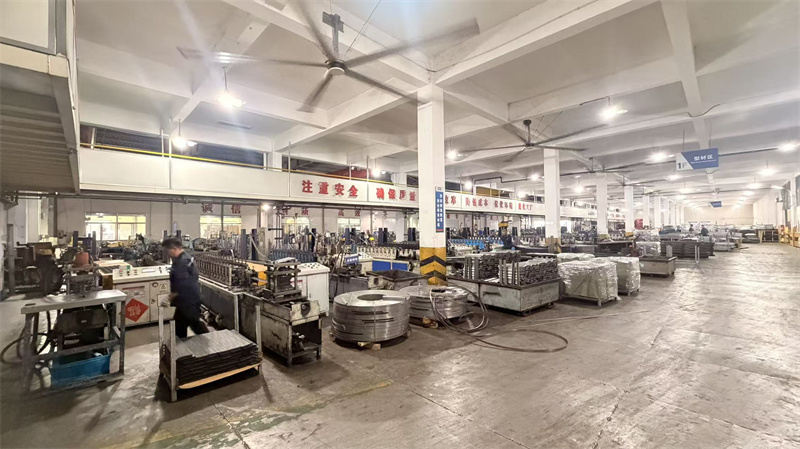
High-speed slitting lines cut wide raw steel coils into precise widths for the roll-forming process.
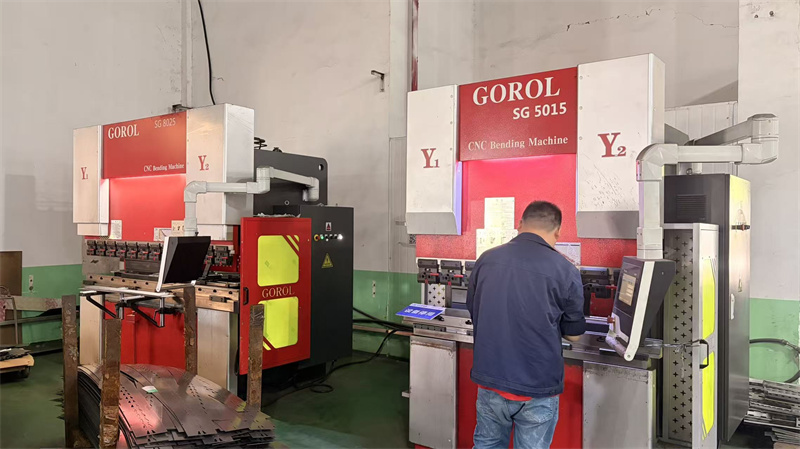
CNC press brakes bend custom structural brackets and plates with high dimensional accuracy.
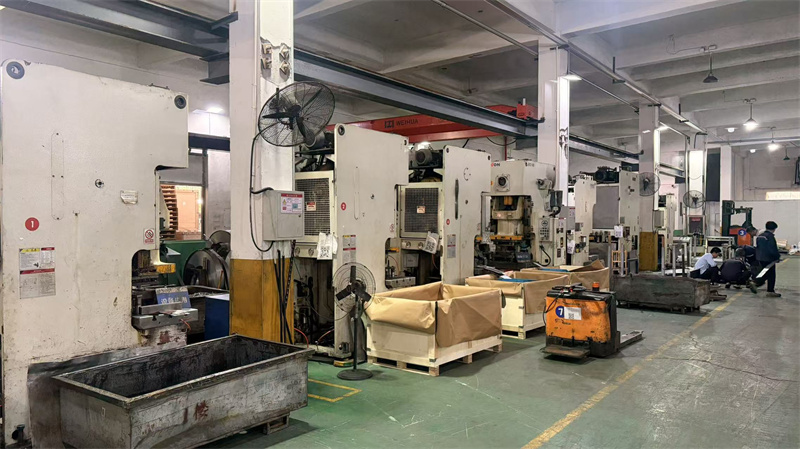
Automated punching matrices pierce precise vertical holes in upright columns to allow for adjustable shelf heights.
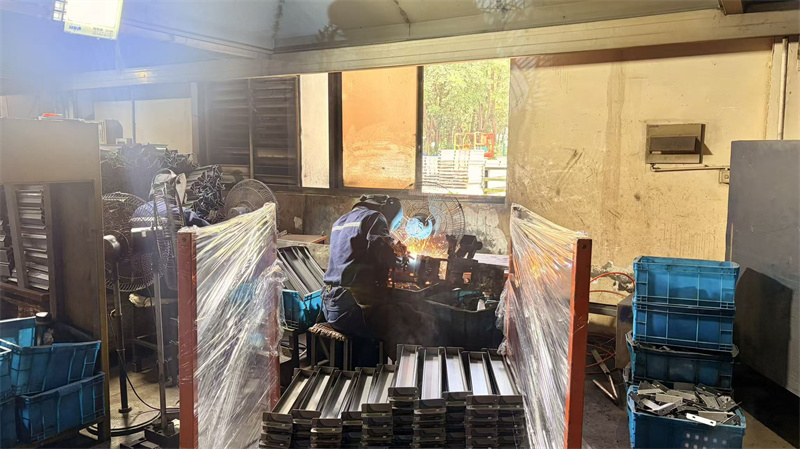
Robotic and manual gas metal arc welding (GMAW) secures brackets to beams, ensuring high load-bearing strength.
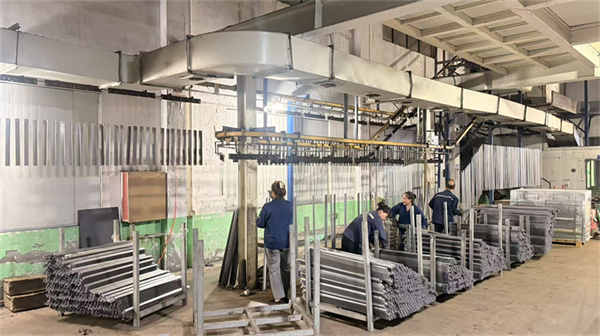
An electrostatically applied powder coat cures under heat, forming a durable, corrosion-resistant surface.
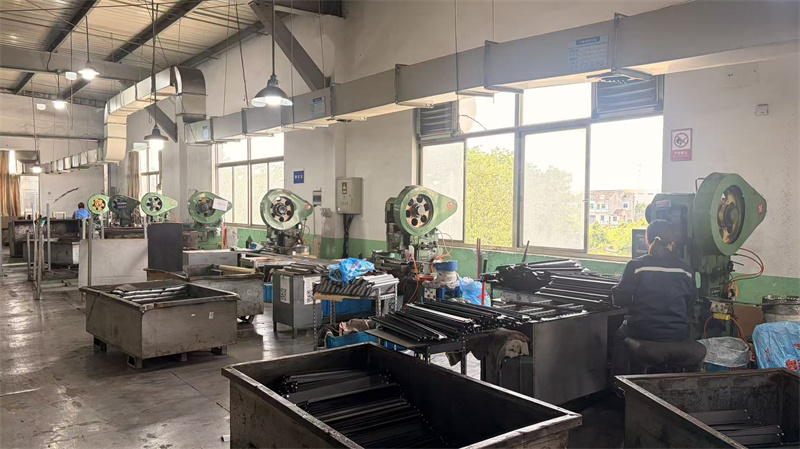
Heavy-duty hydraulic press tools secure structural steel connections without introducing thermal stress.
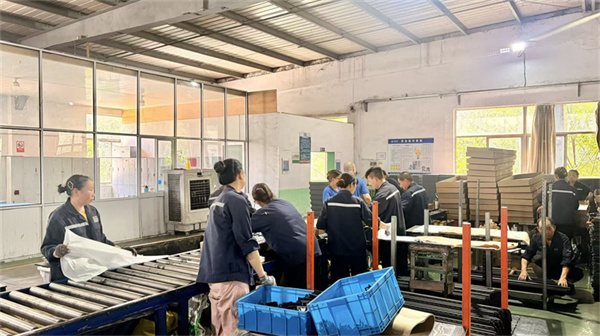
QC inspectors verify frame dimensions. Components are then packed securely to prevent shipping damage.
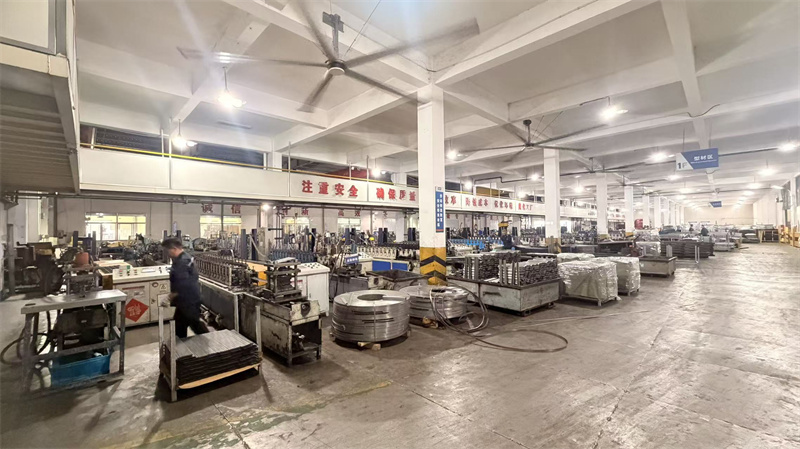
High-tonnage slitting equipment operates continuously to process raw steel coils efficiently.
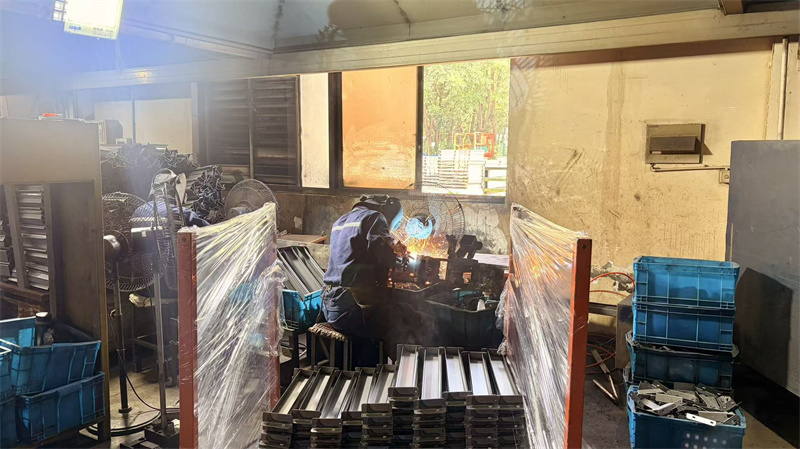
Heavy-duty jig fixtures align structural components perfectly during welding, preventing warping.
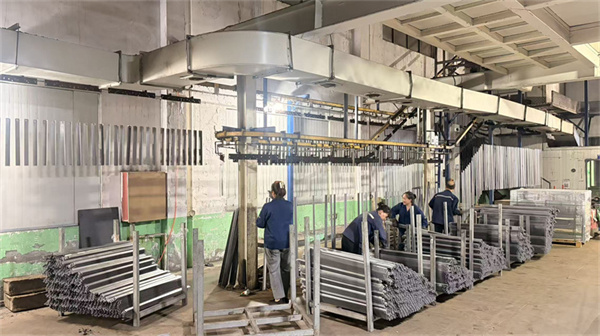
A fully enclosed powder coating conveyor line ensures uniform thickness and consistent paint adhesion.
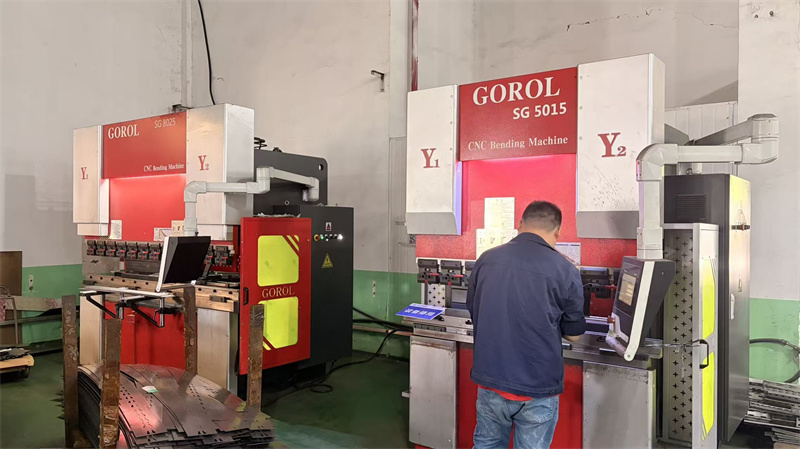
Advanced bending brakes shape heavy-gauge components with consistent precision.
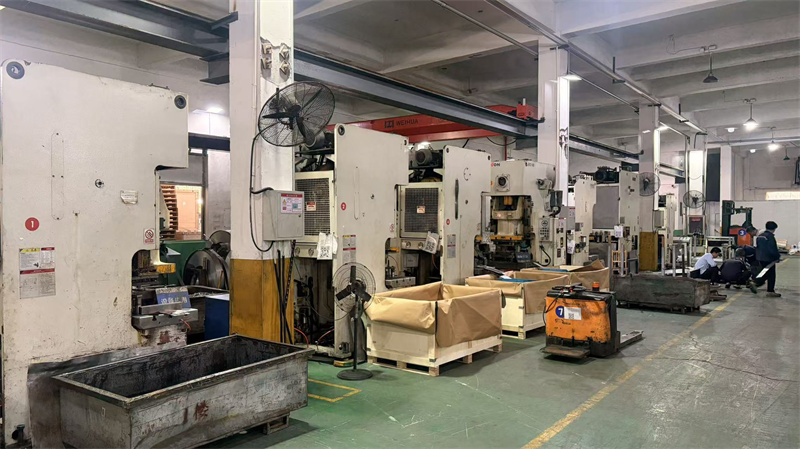
Continuous mechanical feeder presses punch structural hole patterns quickly and accurately.
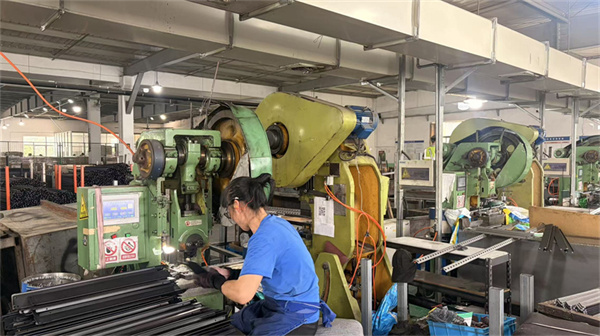
Heavy-duty pneumatic riveting machines fasten load-bearing parts with high joint reliability.
How our dedicated lab and strict testing procedures guarantee zero-defect structural performance.
Operating under ISO 9001:2015 and Rocking Manufacturers Institute (RMI) guidelines, our facility uses a specialized lab managed by 32 senior QC inspectors to ensure every system meets international performance standards before shipment.
Our quality verification process covers every phase of production, using four main test methodologies:
This systematic testing helps protect Omani warehouses from corrosion caused by high coastal humidity, ensuring long-term structural integrity and minimal maintenance costs.
Preparing storage infrastructure for automated guided vehicles (AGVs) and smart warehouse management.
As Omani logistics centers adopt automation, attic shelving is evolving to support robotic material handling. Modern layouts must accommodate both human pickers and automated guided vehicles (AGVs) or autonomous mobile robots (AMRs).
To support this transition, we are designing mezzanines with higher rigidity, flat flooring panels, and heavy-duty steel wire mesh deckings. Our future design roadmap focuses on three main developments:
Common questions from Omani buyers regarding shipping, customs, engineering, and installation.
Typically, production takes 20 to 25 days depending on project size. Transit time from Shanghai or Ningbo port to Sohar Port or Port of Salalah takes approximately 18 to 22 days. We coordinate customs documentation, packing lists, and certificate of origin paperwork to ensure smooth customs clearance in Oman.
Yes. We custom engineer our mezzanines and attic shelves for specific load requirements. Standard capacities range from 300kg to 1,000kg per square meter. For heavy industrial use in Sohar or Duqm, we can design columns and floor supports for loads exceeding 1,500kg per square meter.
We pre-treat our steel with multi-stage chemical washing and phosphate conversion before applying a high-grade epoxy-polyester powder coating. Cured at over 200°C, the finish resists blistering and corrosion, making it suitable for high-humidity coastal zones like Salalah and Muscat.
Yes, we provide detailed 2D/3D CAD layouts and assembly guides for every project. While clients typically work with local contractors for physical installation, we offer remote video support and can send structural engineers to site for large projects to oversee assembly and help secure local safety certifications.
Explore our full line of selective pallet racks, heavy-duty shelving, and retail display racks.
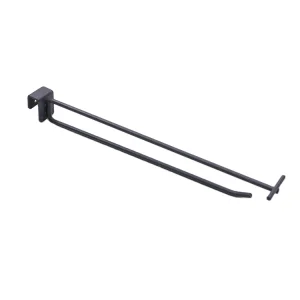
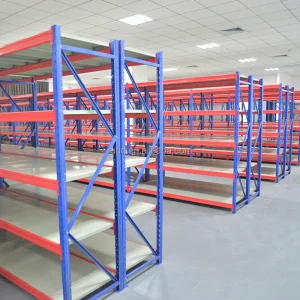
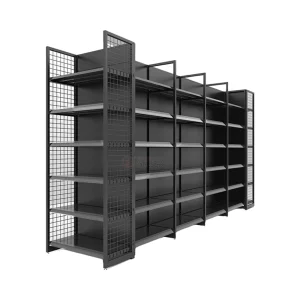
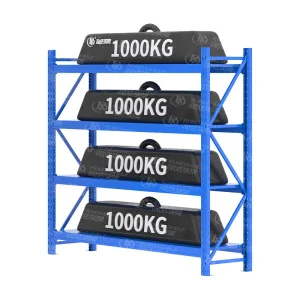
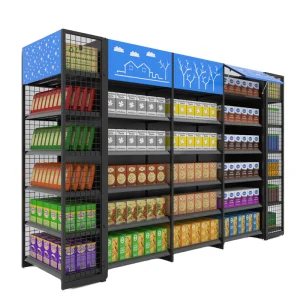
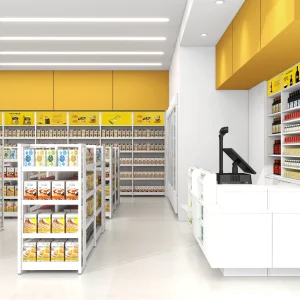
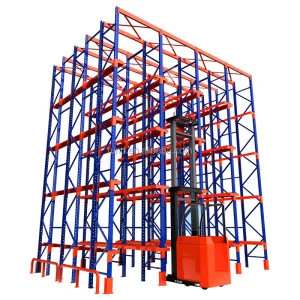
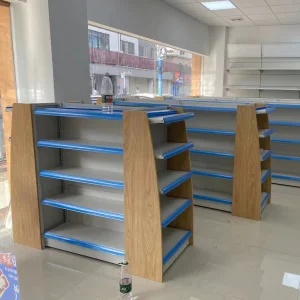
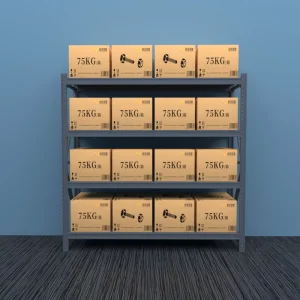
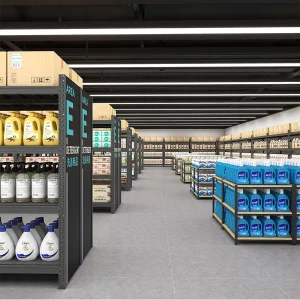
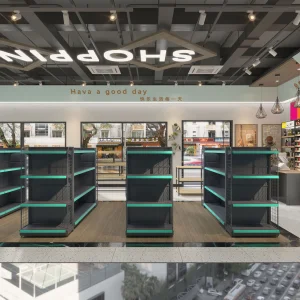
Connect with our engineering export department to design a space-saving mezzanine solution for your Oman facility.
Send Inquiry Now Expandrack