Engineered to optimize front-end retail logistics and display efficiency. Hover cards to explore detailed technical parameters.
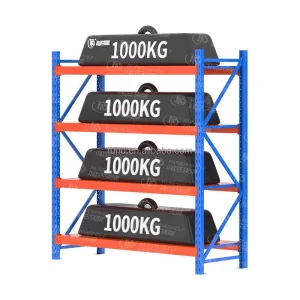
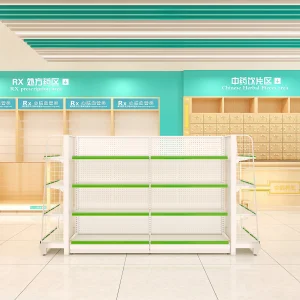
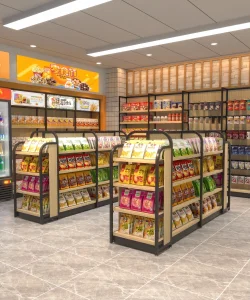
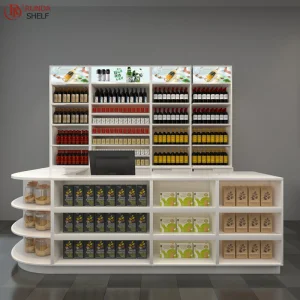
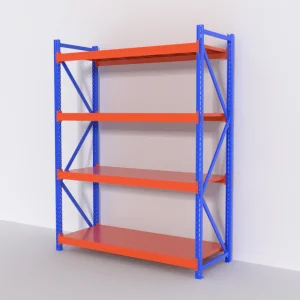
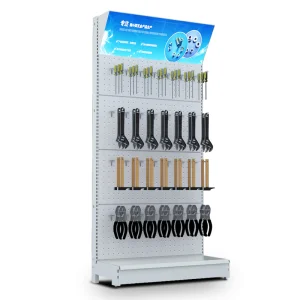
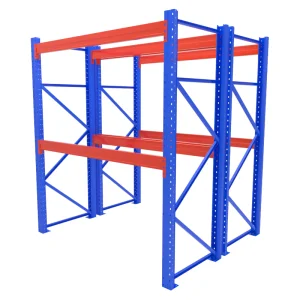
In modern omni-channel retail commerce, front-end customer interaction elements such as grocery carts, shopping baskets, and product display shelves are no longer distinct from backend warehouse storage structures. High-performing retailers realize that optimized retail hardware directly reduces friction in customer shopping experiences, increases average transaction values, and supports rapid inventory replenishment cycles. By bridging the gap between front-of-house store fixtures and back-of-house industrial storage, suppliers now offer integrated solutions that increase retail space yield and warehouse efficiency.
The manufacturing and deployment of retail supermarket accessories require exceptional structural engineering to handle high-traffic environments. Supermarket carts and racks face continuous wear, impact, cleaning chemicals, and weather variability. Choosing the right manufacturer involves assessing raw material grades, robotic welding tolerances, anti-corrosion protection, and regulatory compliance to ensure reliable, long-term performance.
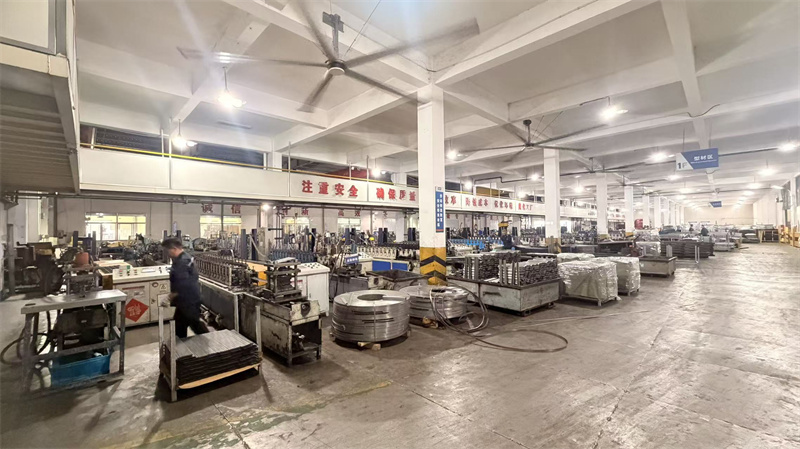
Company Overview & Background: Founded in 2016, Suzhou Expandrack Logistics Equipment Co., Ltd. is a technologically advanced manufacturer specializing in heavy-duty selective pallet racking, drive-in systems, and automated rack-supported warehouse structures. Backed by 10 years of deep industry expertise and 7 years of seamless international trade background, Suzhou Expandrack operates out of a modern 42,000-square-meter production complex in Suzhou, China. Driven by rigorous international standards, our company reaches an annual export revenue exceeding USD 36.0 million.
Global Footprint & Target Clienteles: Our global market presence spans Southeast Asia, the Middle East, South America, and Eastern Europe. Leveraging a resilient supply chain of over 850 strategic material and hardware partners, Expandrack delivers end-to-end storage solutions tailored for diverse commercial sectors. Our main customer types include industrial material handling distributors, retail logistics hubs, pharmaceutical storage managers, and automotive assembly lines.
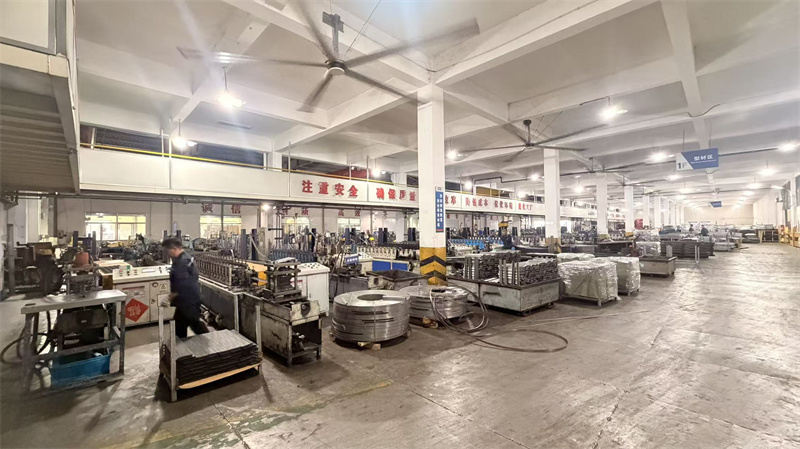
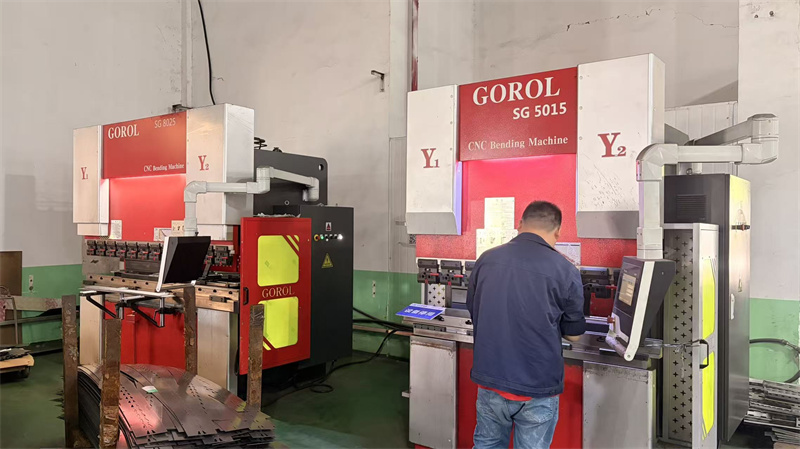
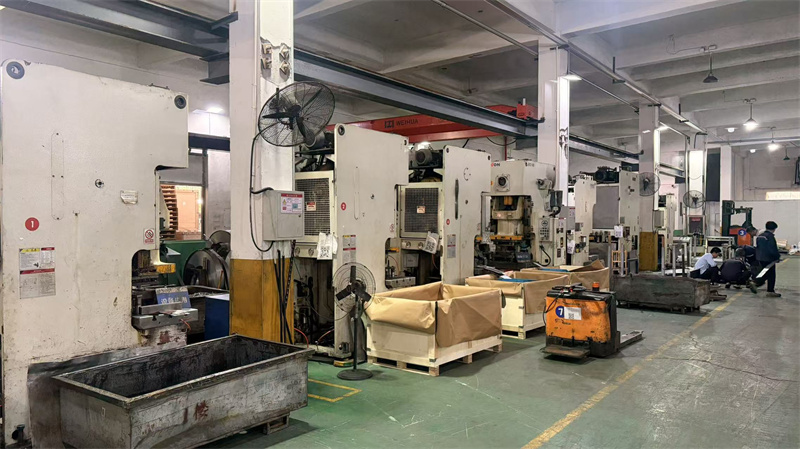
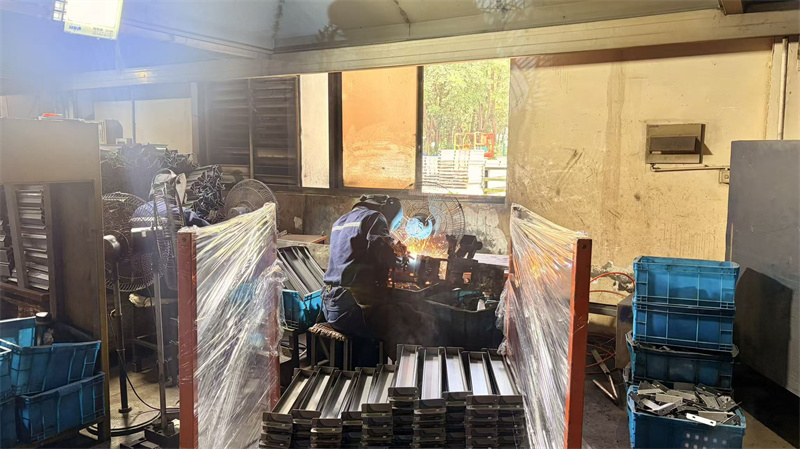
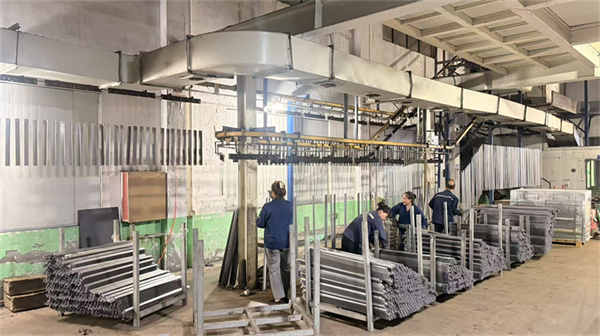
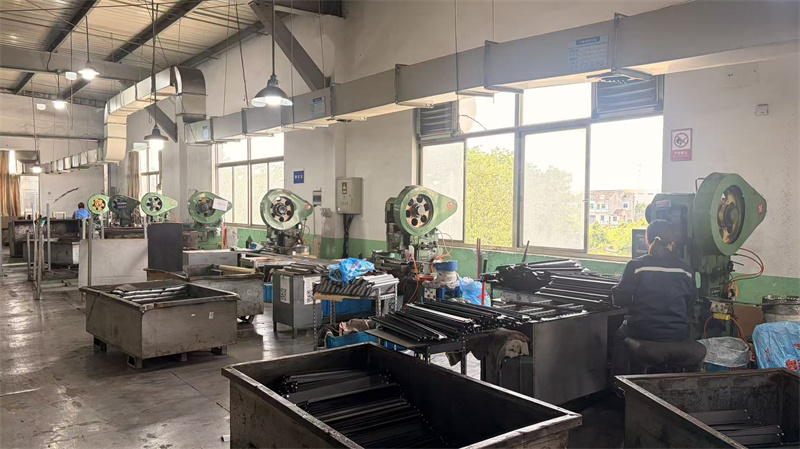
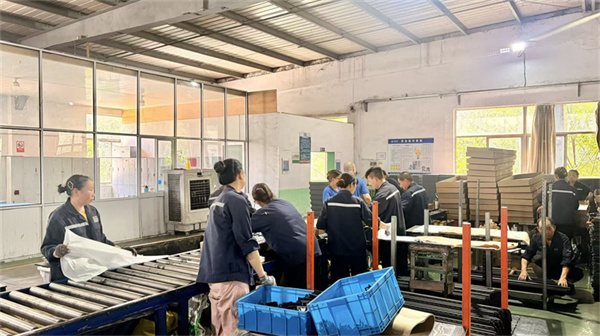
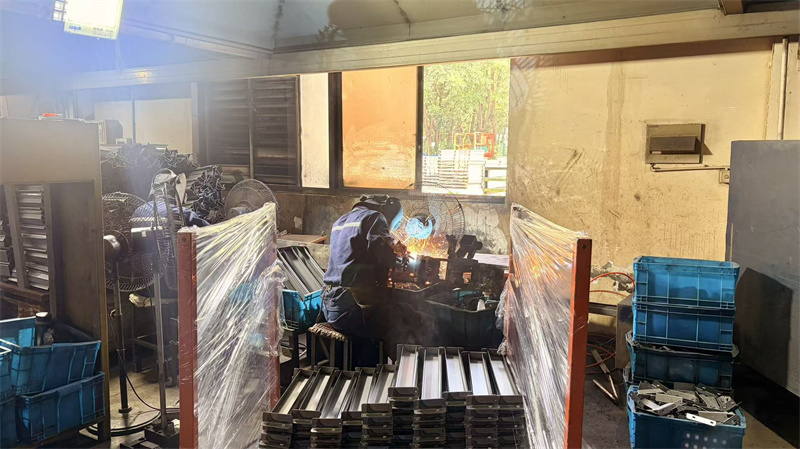
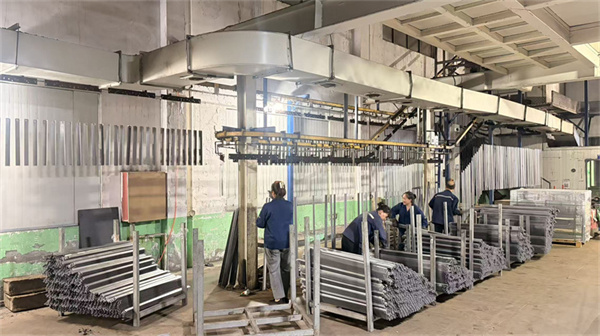
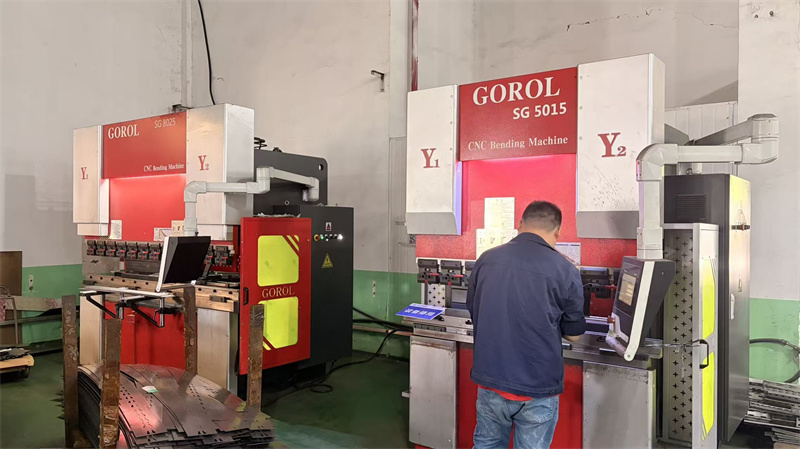
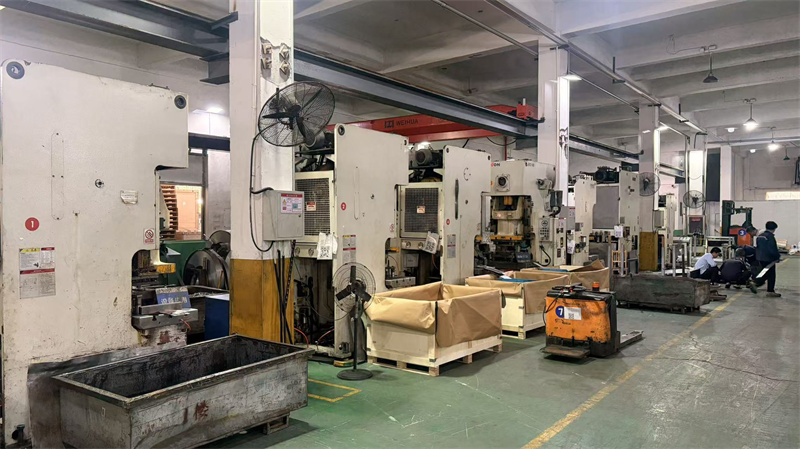
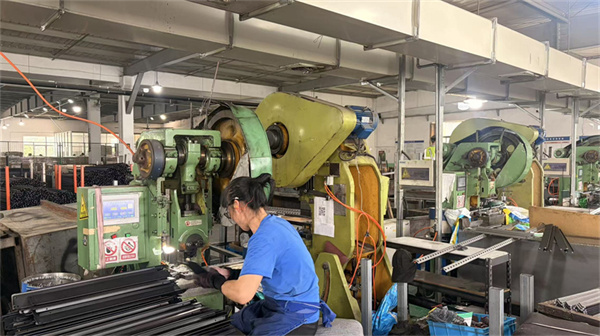
Suzhou Expandrack utilizes automated machinery and strict process routing to transform raw structural steel into heavy-duty retail fixtures and warehouse components. Every stage of our production is optimized for dimensional precision, structural safety, and high-quality finishes:
How modern procurement teams choose shopping carts, retail shelving, and warehouse structures to lower Total Cost of Ownership (TCO).
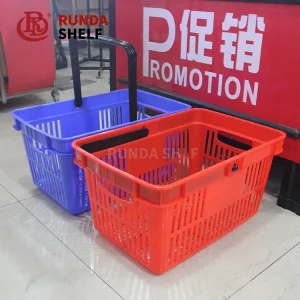
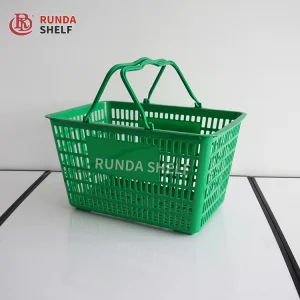
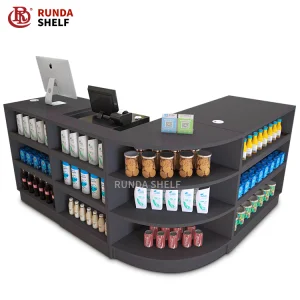
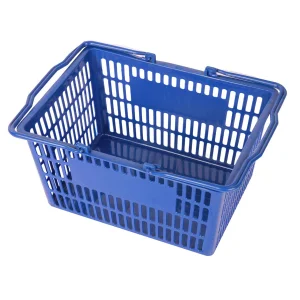
Modern shopping carts and baskets have moved beyond basic metal wires. Heavy-duty polypropylene (PP) formulations are now standard for hand baskets (like our 50L PP shopping basket), delivering high impact resistance and UV protection for indoor and outdoor environments. In metal display shelving and grocery shopping cart construction, high-tensile steel is combined with durable coatings—such as powder paint and electroplated zinc with clear acrylic lacquer—to prevent corrosion in humid or coastal climates.
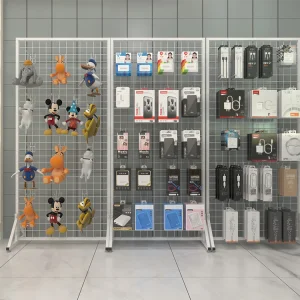
For shopping carts and mobile stackable racks, the nesting ratio is key to optimizing valuable retail floor and warehouse space. Well-designed grocery carts feature tapered frames that allow them to nest tightly together, reducing storage space by up to 75% when not in use. Similarly, foldable stacking display shelving units enable supermarkets to adapt their store layouts to match peak seasonal demand without cluttering their backrooms.
Customer comfort is directly linked to higher retail sales. Shopping carts equipped with smooth-rolling polyurethane (PU) or thermoplastic rubber (TPR) castors reduce pushing effort, navigate tight supermarket aisles easily, and operate quietly. On the logistics side, protective accessories like upright column guards, frame spacers, and safety wire mesh decks protect retail associates and customers from falling items during replenishment cycles.
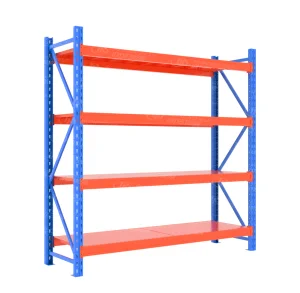
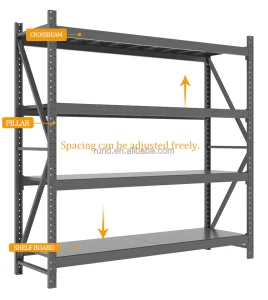
When selecting supermarket store fixtures and backend storage systems, logistics managers must evaluate mechanical design factors like load distribution, steel grade certifications, and dynamic capacity limits. Below is Suzhou Expandrack's engineering guide for matching store fixtures with the right storage components:
Our manufacturing plant operates under stringent ISO 9001:2015 and RMI (Racking Manufacturers Institute) protocols. The facility houses a specialized laboratory managed by 32 senior QC inspectors to ensure zero-defect output.
At Expandrack, innovation underpins every racking system. Our technical center is staffed by 42 specialized structural engineers who design space-optimizing racking layouts with enhanced safety margins. Last year, the R&D department introduced 120 new standard components and structural accessories to the market.
A preview of the next generation of retail storage, automated distribution, and smart shopping cart ecosystems.
The retail landscape is changing rapidly. Over the next five years, retail supply chains will focus heavily on automation, material circularity, and smart sensing systems. Suzhou Expandrack is aligned with these developments, structuring our product development pipeline to support this transition:
As supermarkets implement automated checkout lanes, shopping carts are evolving from simple wire baskets into smart vehicles. Future grocery carts will incorporate RFID antennas, weight sensors, and digital payment clip-ons. Our structural designs are engineered to support these add-ons without reducing cart nesting capacity or structural strength.
We are expanding our use of ocean-bound recycled plastics and low-carbon structural steel. By optimizing injection molding processes, we can reduce virgin plastic use in our shopping baskets and cart handles by up to 40% while maintaining durability and impact resistance.
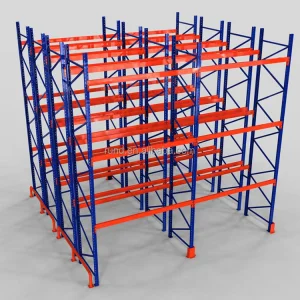
With retail warehouses handling higher order volumes, traditional manual selective racks are shifting toward automated storage and retrieval systems (AS/RS). Our high-precision roll-formed columns support frame configurations up to 15 meters for VNA and radio shuttle carts, ensuring smooth, automated warehouse operations.
Answers to common purchasing questions about quality standards, logistics, and customization options.
We source high-grade Q235B and Q355B structural steel from top domestic mills. Every batch undergoes spectro-analysis testing to verify carbon, manganese, and silicon content, ensuring compliance with international ASTM and European EN structural steel standards.
Our metal surfaces undergo a multi-stage pretreatment wash followed by an electrostatic epoxy powder coating, which is then cured at high temperatures. For wet areas or outdoor storage, we apply hot-dip galvanizing or zinc plating with a clear polyurethane topcoat to prevent rust and corrosion.
Yes, we provide full custom branding options. Plastic components, such as our 50L PP shopping baskets, can be color-matched to specific Pantone codes, and custom brand logos can be added via hot stamping or integrated decals. Metal display shelving can also be powder-coated in custom colors to match your brand identity.
Our manufacturing plant operates under ISO 9001:2015 quality management systems. Our industrial storage structures are engineered and tested in accordance with American RMI guidelines and European FEM standards, ensuring safe load limits and structural performance.
For standard products, production takes between 20 and 30 days from design confirmation to container loading. Custom projects or high-volume orders may require additional time for tooling and testing, which will be detailed during the initial planning phase.
High-capacity warehouse structures and distribution solutions engineered for high density, reliability, and safety.
 Expandrack