Explore our core product lines engineering high-load limits and flexible space configurations.
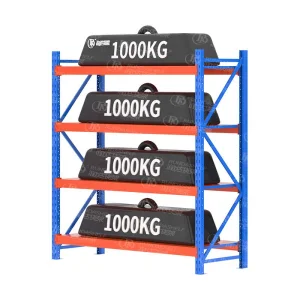
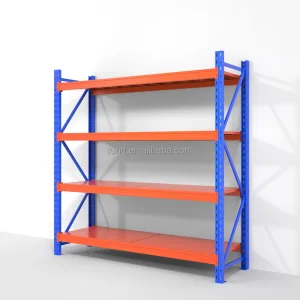
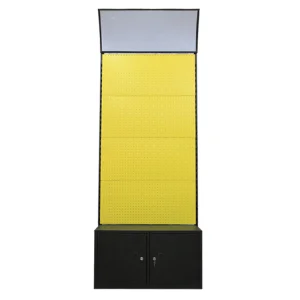
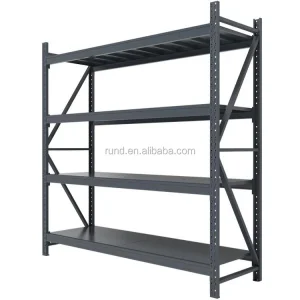
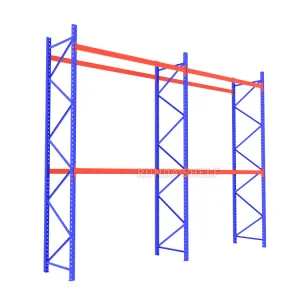
The global warehousing landscape is undergoing a structural paradigm shift. Driven by the rapid acceleration of e-commerce, automated storage and retrieval systems (AS/RS), and real-time inventory management protocols, the requirement for high-density storage hardware has never been more critical. Modern supply chain operations demand highly versatile, adaptable, and structurally certified structural frameworks that transition effortlessly between pallet rack configuration, heavy-duty stacking capabilities, and specialized retail distribution modules.
Industrial entities are moving away from rigid, single-purpose shelving. Sourcing operations are seeking multipurpose racks that integrate advanced materials such as cold-rolled structural steel (Q235B and Q345B), advanced corrosion-resistant coatings, and modular boltless interconnect systems. In seismically active zones and high-throughput environments, the integrity of these systems forms the bedrock of safe operations. Engineering designs must meet rigorous international standards—including the RMI (Racking Manufacturers Institute) codes in North America and the FEM 10.2.02 standard in Europe—to guarantee long-term safety, dynamic loading capabilities, and structural reliability.
Procurement agents, warehouse designers, and supply chain directors at global firms focus on a core set of criteria when selecting manufacturing partners. The Total Cost of Ownership (TCO) extends beyond the initial manufacturing price to include container loading efficiency, corrosion resistance under variable atmospheric conditions, ease of modular installation, and compliance with local safety standards.
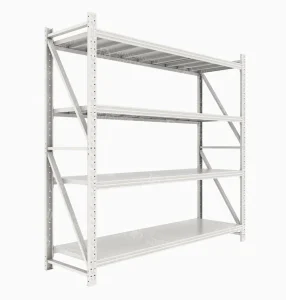
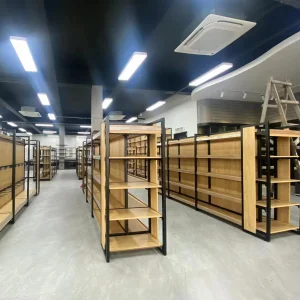
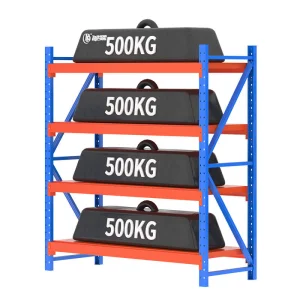
Modern commercial operations also emphasize adaptability. Heavy industrial warehousing requires load capacities ranging from 1,000 kg to over 4,500 kg per layer. Retail logistics hubs, conversely, need lightweight nesting display configurations that transition between customer-facing retail shelves and inventory storage. China-based manufacturers are addressing these dual requirements by utilizing precision engineering processes, offering customizable options, and integrating diverse configurations into their product lines.
Suzhou Expandrack Logistics Equipment Co., Ltd., founded in 2016, is a technologically advanced manufacturer specializing in heavy-duty selective pallet racking, drive-in systems, and automated rack-supported warehouse structures. We leverage a resilient supply chain of over 850 strategic material and hardware partners to deliver end-to-end storage solutions tailored for diverse commercial sectors.
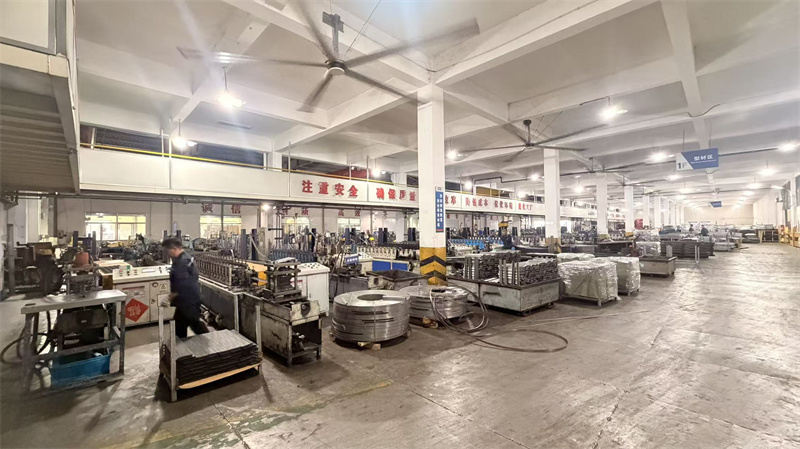
Operating from our 42,000-square-meter modern production facility in Suzhou, China, our processes are integrated to maintain high structural standards. This level of automation provides consistent structural integrity across large manufacturing runs. By managing roll forming, punching, welding, and surface treatment in-house, we control production variables, enabling reliable material performance and adherence to delivery timelines.
Visualizing our end-to-end manufacturing workflows—from raw material shearing to packing.
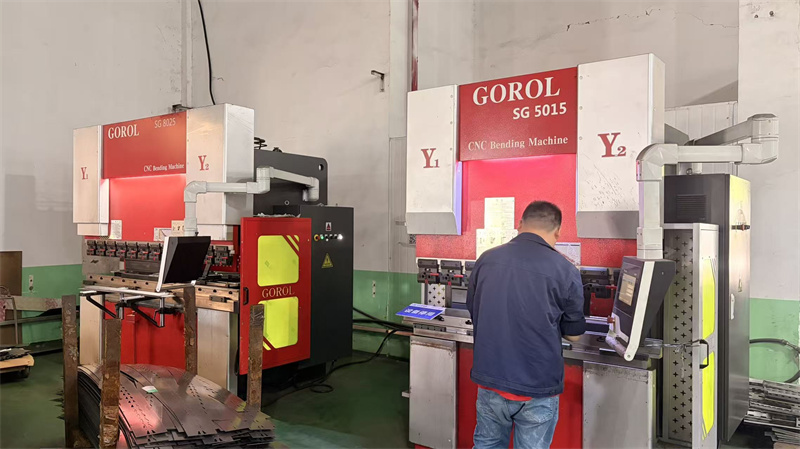
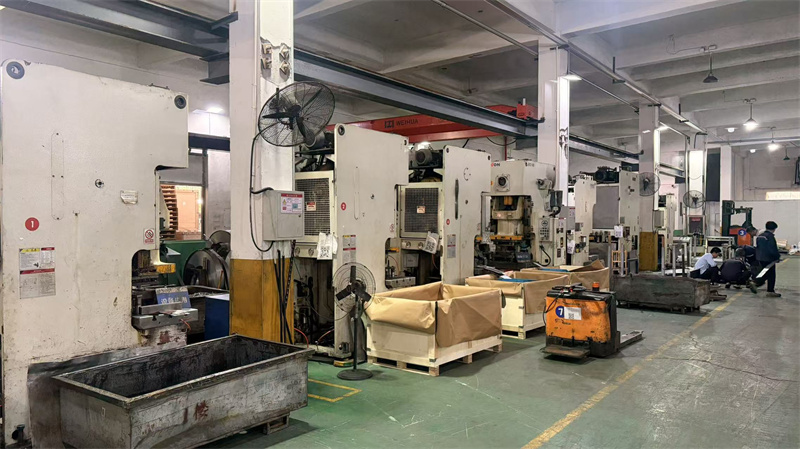
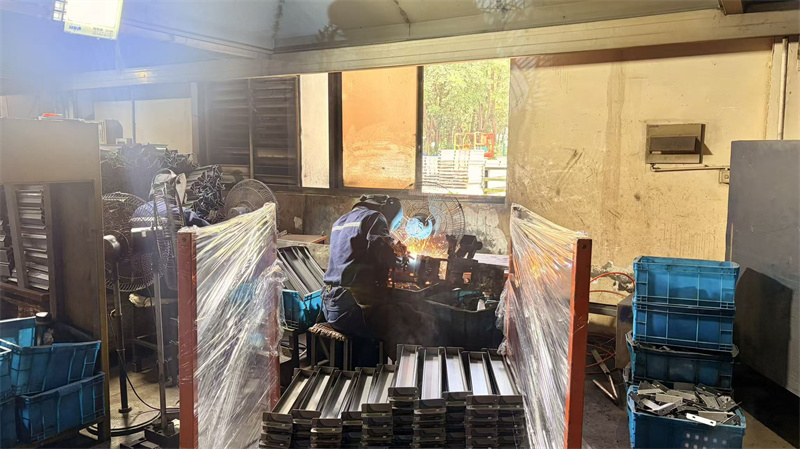
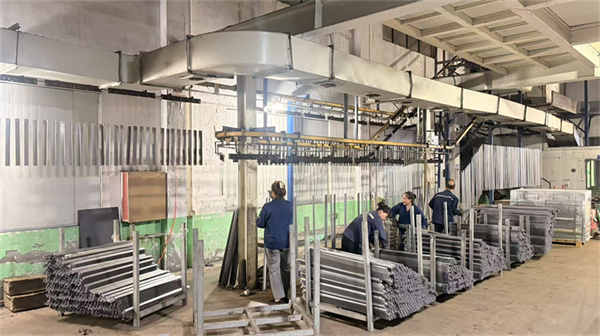
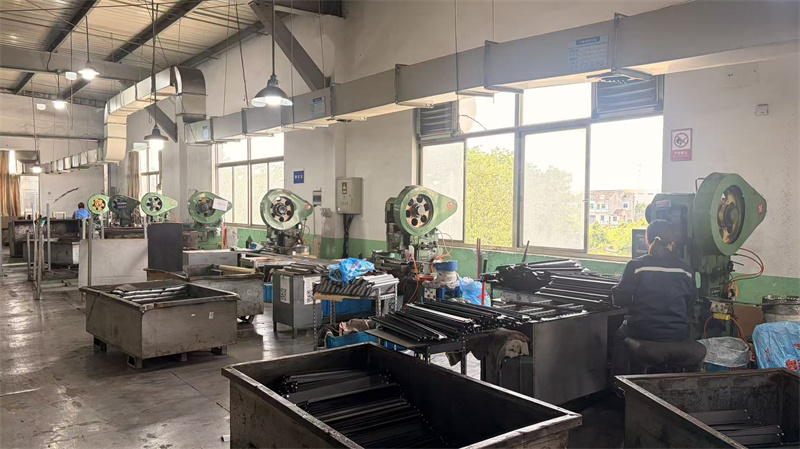
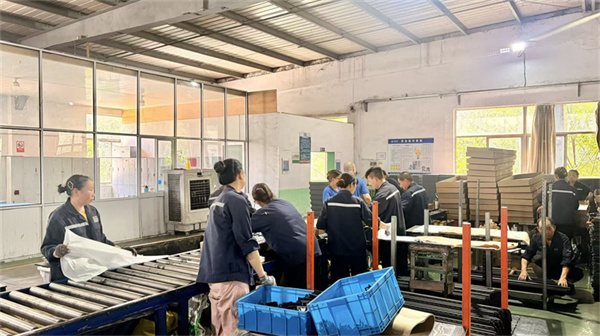
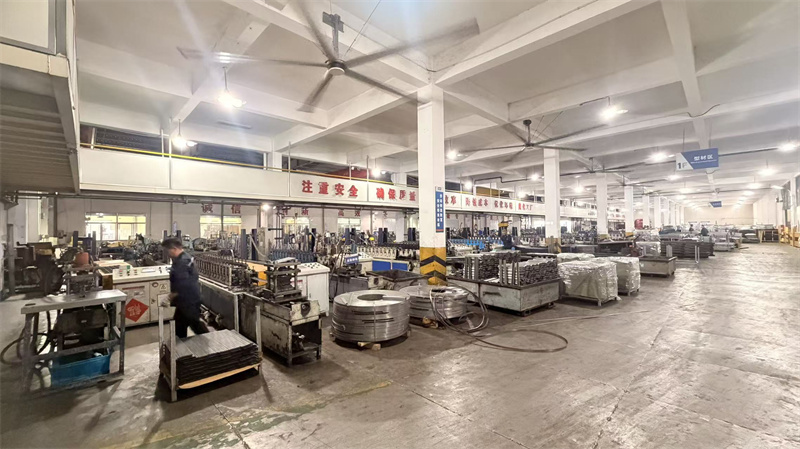
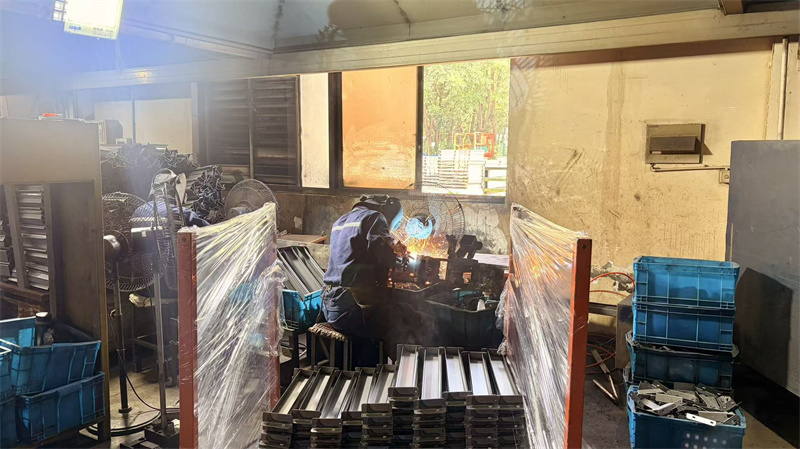
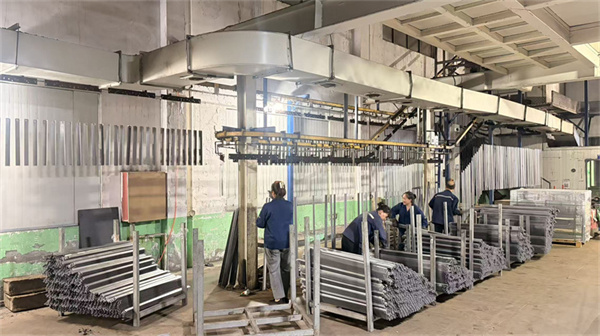
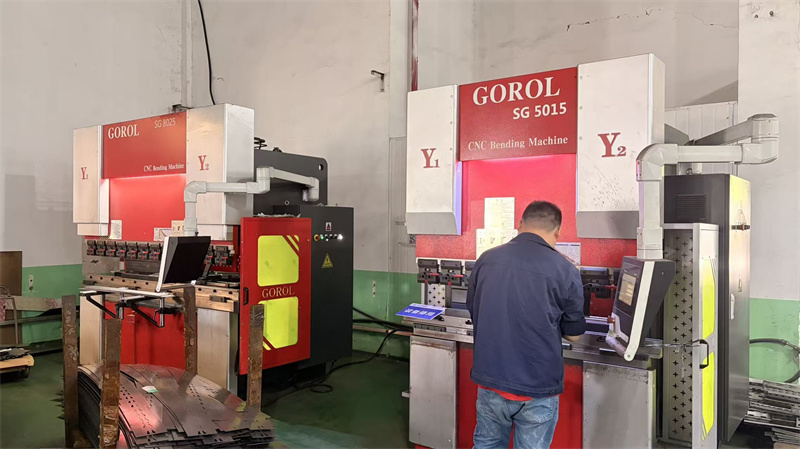
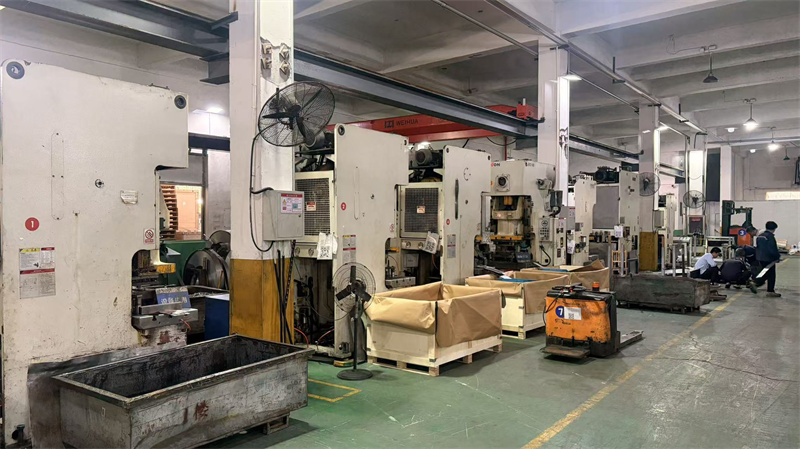
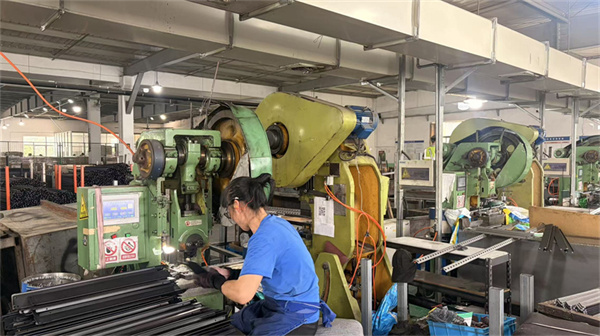
Our manufacturing plant operates under stringent ISO 9001:2015 and RMI protocols. The facility houses a specialized laboratory managed by 32 senior QC inspectors to ensure zero-defect output. To verify structural performance before dispatch, we employ a multi-layered testing regimen:
We conduct spectro-analysis for structural steel raw material grade compliance to confirm standard chemistry and yield strength. Additionally, we utilize continuous online visual laser scanning for upright roll-forming precision to verify consistent dimensional properties and profile alignment.
We perform destructive load-to-failure testing on rack beams and connector hooks to verify physical yield thresholds. For surface treatment longevity, we run impact and scratch-resistance testing on our powder-coated surfaces to verify durability in high-traffic commercial environments.
At Expandrack, engineering underpins every racking system we manufacture. Our technical center is staffed by 42 specialized structural engineers who design space-optimizing racking layouts with specified safety margins. Last year, the R&D department introduced 120 new standard components and structural accessories to the market to accommodate shifting industrial layouts.
Our engineering team develops customized storage configurations to support varied operational requirements:
Adjustable pitch spacing, custom column guard designs, and racking row spacers tailored to warehouse lift-truck pathways.
Special frame height configurations up to 15 meters for narrow-aisle (VNA) operations, maximizing volumetric storage density.
Multi-tier mezzanine floor integration and integrated wire mesh decking options to provide structural support for distributed loads.
Industrial storage environments present distinct demands based on regional logistics models and vertical sectors. Our distribution and design footprint addresses these specialized operational frameworks:
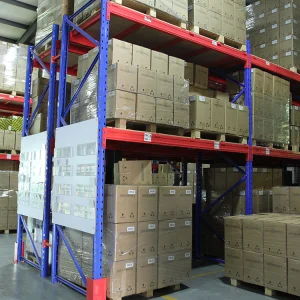
High-density storage for tooling, heavy stamping dies, and component parts with static capacities up to 3,000kg per bay.
Hot-dip galvanized surfaces and corrosion protection configurations designed to withstand temperatures down to -30°C.
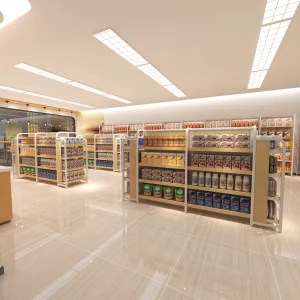
Adjustable multi-tier shelving setups designed to accommodate fast-moving inventory and barcode-integration zones.
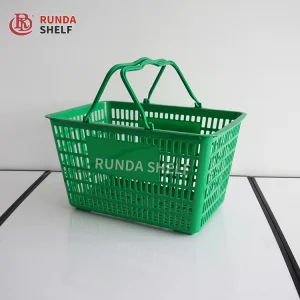
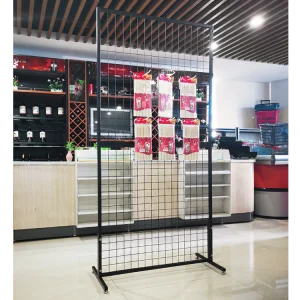
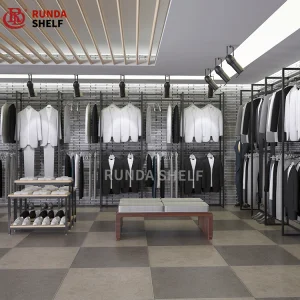
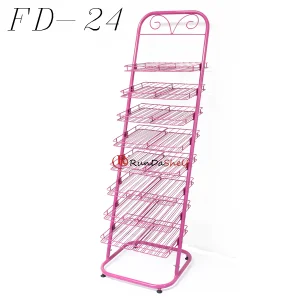
Metallic pegboard systems, shopping baskets, and visual clothing racks tailored for supermarkets and retail settings.
Answers to critical engineering and logistical questions for global buyers.
We primarily use Q235B and Q345B high-grade cold-rolled structural steel. Q235B is utilized for standard applications, while Q345B is selected for high-load profiles and high-bay installations. Both grades comply with national and international structural load limits.
Our quality processes run from raw material spectro-analysis to structural testing of finished components. We operate under ISO 9001:2015 and RMI protocols, with 32 quality control inspectors managing testing for dimensions, welding thickness, and surface coating durability.
Yes. Our engineering department specializes in high-bay structures up to 15 meters. We adjust steel column profiles, connection hooks, and footplate sizes to align with local seismic criteria and narrow-aisle operational parameters.
We offer industrial epoxy powder coating and hot-dip galvanizing. Galvanized surface treatments are recommended for environments with high humidity, chemical exposure, or sub-zero food storage applications.
Explore additional configurations, stacking options, and specialized shop fittings.
 Expandrack