The global retail landscape is undergoing a significant transition. Post-pandemic supply chains, high energy costs in cold food storage, and a consumer pivot toward fresh, organic, and locally sourced foods are forcing grocery store operators and hypermarkets to optimize their structural storage interfaces. Specifically, the commercial demands placed on fruit racks and vegetable display systems have shifted. Racks are no longer simple static storage bins; they are critical touchpoints that impact visual merchandising efficiency, produce shelf-life longevity, load-bearing security, and hygiene compliance.
From an industrial perspective, supermarket operators face the challenge of matching high-density display layouts with rapid inventory replenishment cycle times. Fresh produce constitutes one of the highest profit-margin sectors in retail grocery, but it also carries the highest vulnerability to shrinkage and product degradation. Properly engineered racking systems promote natural cross-ventilation, reducing ethylene gas buildup that accelerates ripening. Furthermore, structural stability ensures that heavy produce loads (such as bulk root vegetables and citrus varieties) do not jeopardize consumer safety or deform structural components over time.
Utilizing high-tensile structural steel profiles to prevent column deflection or tray collapse under dense produce weight, ensuring safety margins conform to strict RMI and European codes.
Employing advanced epoxy-powder coatings and hot-dip galvanization techniques that resist food-acid corrosion and inhibit bacterial growth, ensuring food safety and FDA compliance.
Open wire mesh grids and ventilated sheet metal shelving configurations designed to allow maximum airflow, preventing pockets of warm stagnant air and slowing down organic decay.
Different international markets prioritize different retail layouts and operational flows. A fruit racking setup optimized for a boutique grocery chain in Western Europe requires completely different design parameters than a high-volume warehouse-style supermarket in North America or a humid open-air retail market in Southeast Asia. Recognizing these localized challenges allows us to provide targeted, site-specific engineering designs.
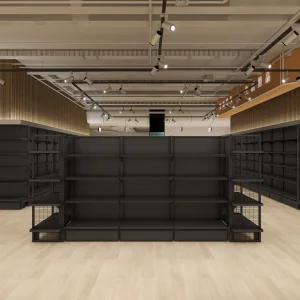
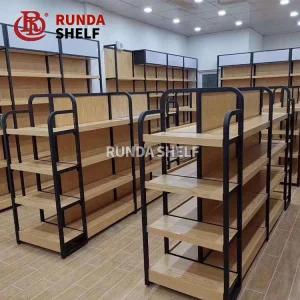
Visual Aesthetic & Customer Interaction: Requires premium wood-and-steel combination modular shelving systems. Adjustable shelf angles ranging from 15° to 35° are implemented to maximize the visual presentation of colorful produce under targeted retail spot lighting.
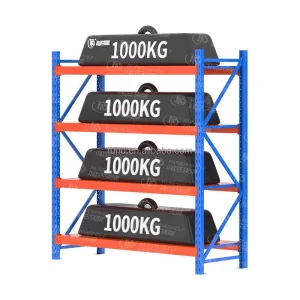
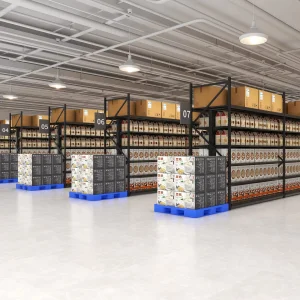
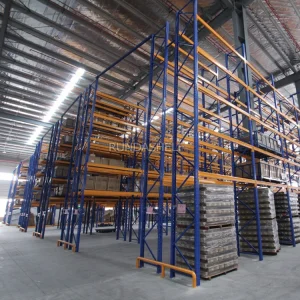
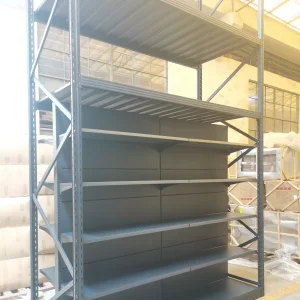
Bulk Capacity & Rapid Depletion: Designed with heavy-duty structural steel upright frames capable of holding up to 1,500 kg per shelf level. Racks are optimized for forklift loading, with integrated lower-level display bins for consumers and high-level pallet storage for rapid overhead stock replenishment.
Environmental Resistance & Temperature Control: Intended for use in walk-in cold rooms and deep-freeze logistics bays. Shelving must withstand temperatures as low as -30°C and humidity levels near 95% without structural degradation or coating peeling.
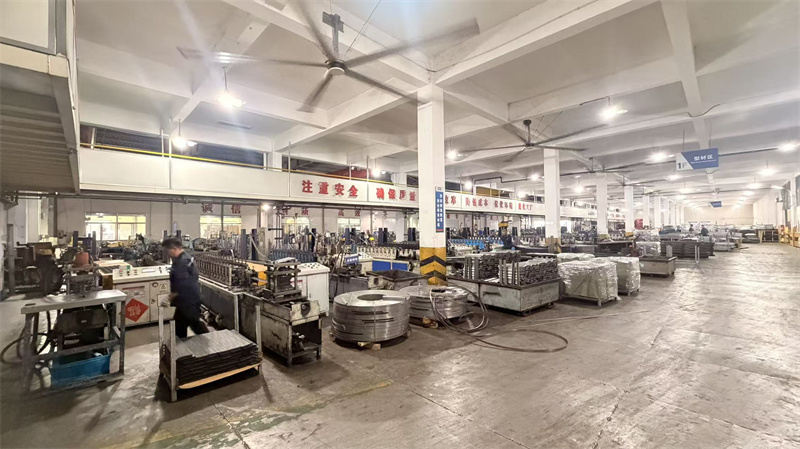
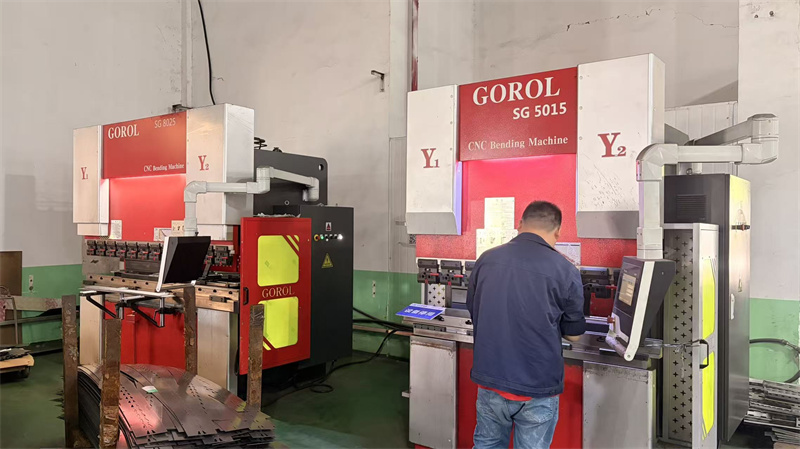
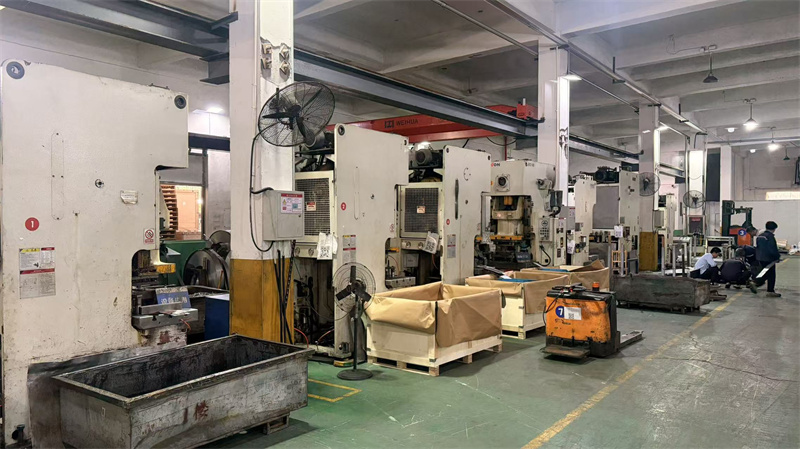
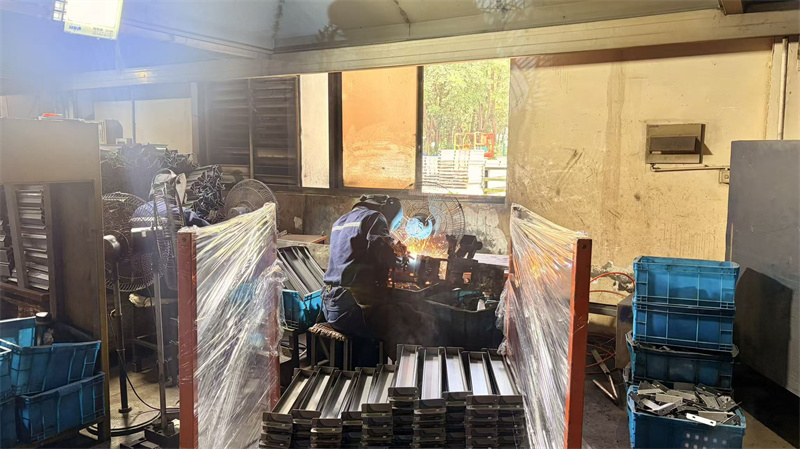
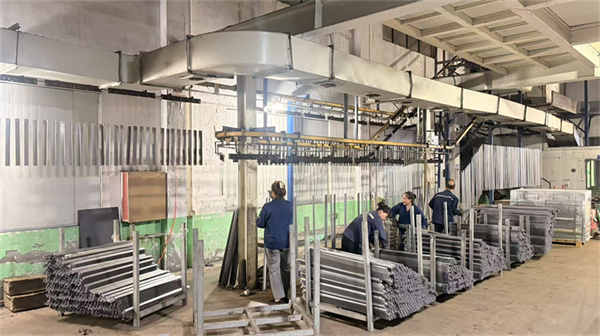
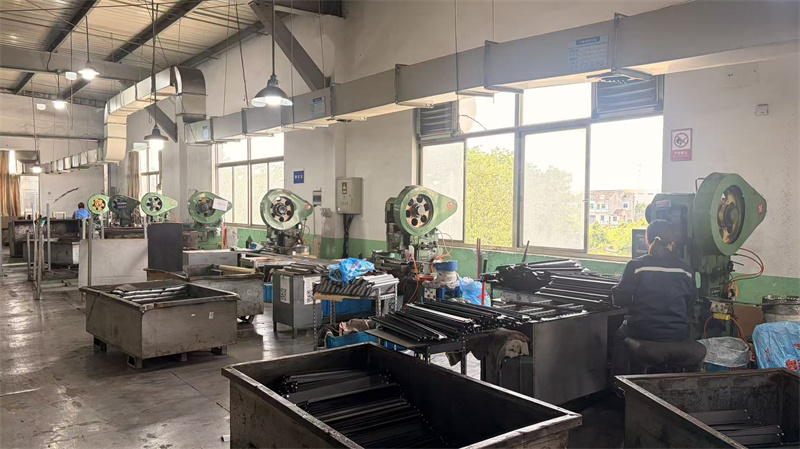
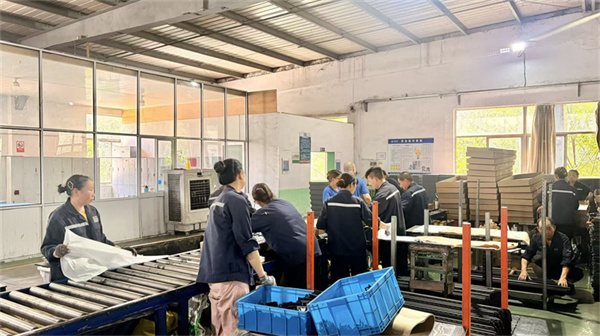
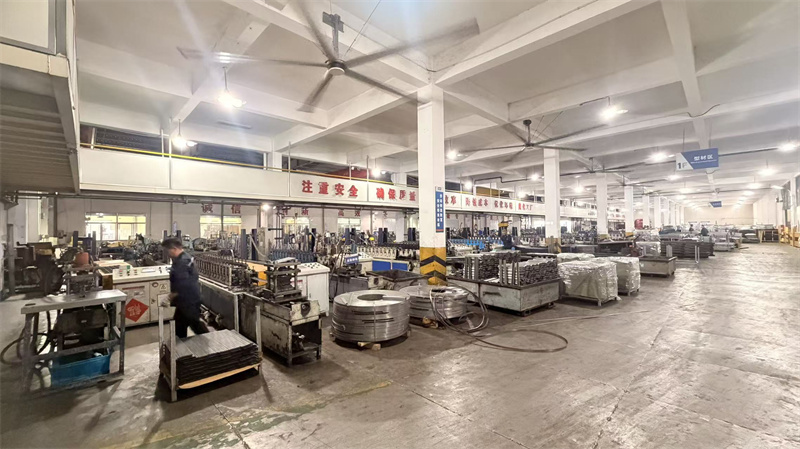
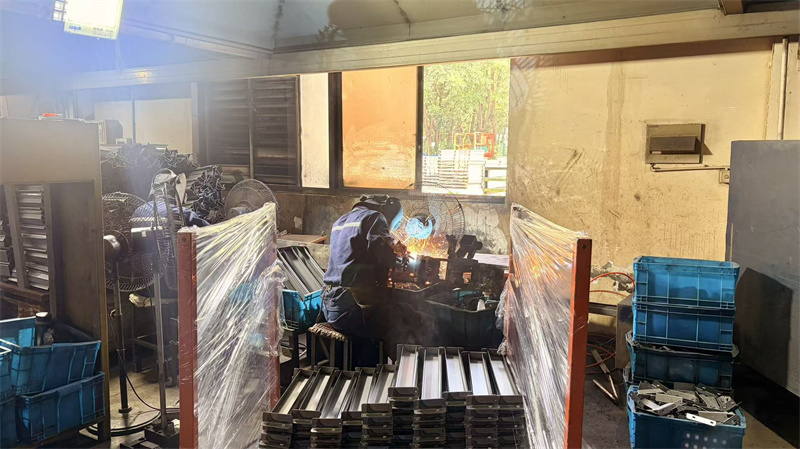
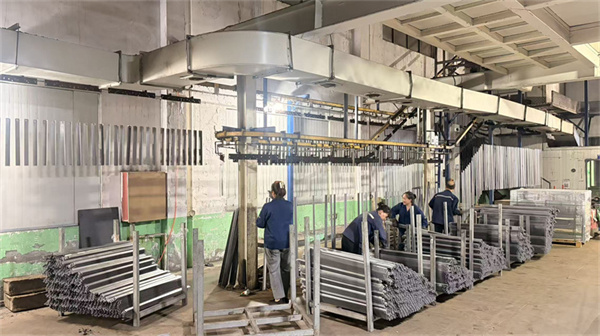
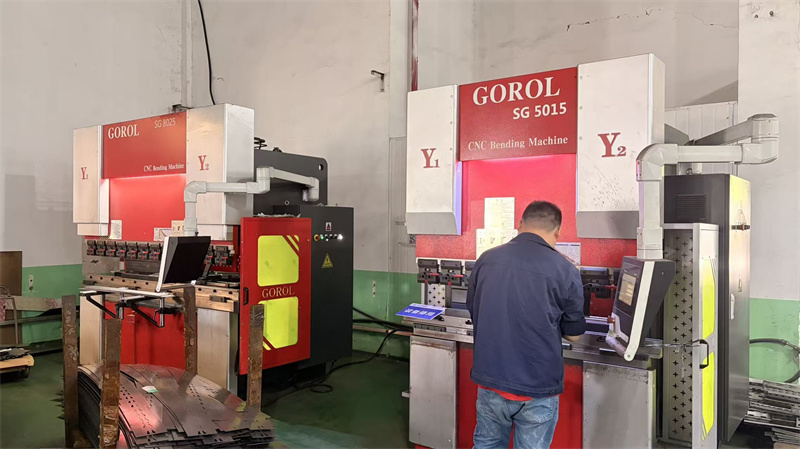
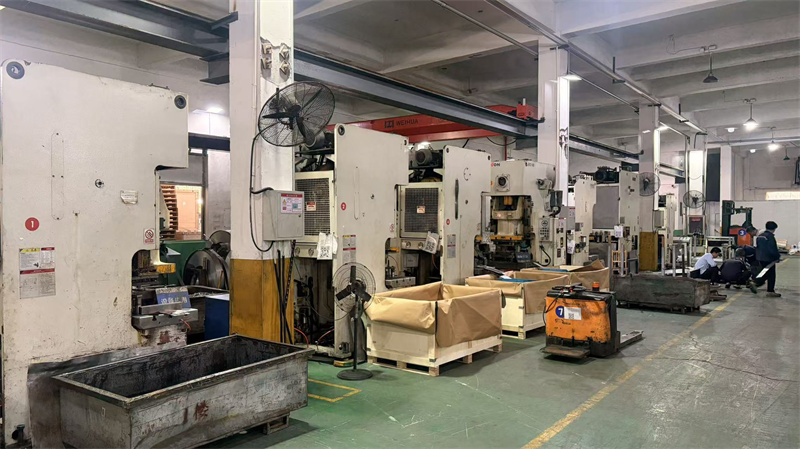
Founded in 2016, Suzhou Expandrack Logistics Equipment Co., Ltd. is a technologically advanced manufacturer specializing in heavy-duty selective pallet racking, drive-in systems, and automated rack-supported warehouse structures. Backed by 10 years of deep industry expertise and 7 years of seamless international trade background, Suzhou Expandrack operates out of a modern 42,000-square-meter production complex in Suzhou, China. Driven by rigorous international standards, our company reaches an annual export revenue exceeding USD 36.0 million.
Our global market presence spans Southeast Asia, the Middle East, South America, and Eastern Europe. Leveraging a resilient supply chain of over 850 strategic material and hardware partners, Expandrack delivers end-to-end storage solutions tailored for diverse commercial sectors. Our main customer types include industrial material handling distributors, retail logistics hubs, pharmaceutical storage managers, and automotive assembly lines.
The comparative advantage of sourcing from our Suzhou plant stems from integration. We control every facet of the supply and production chain:
Our manufacturing plant operates under stringent ISO 9001:2015 and RMI (Racking Manufacturers Institute) protocols. The facility houses a specialized laboratory managed by 32 senior QC inspectors to ensure every profile, beam, connector hook, and shelving wire satisfies international safety regulations. Below are the core testing methods applied during production cycles:
We test each inbound steel batch using optical emission spectrometry. This verifies chemical composition (carbon, manganese, silicon ratios) and mechanical properties to ensure load compliance before rolling.
Continuous laser measurement arrays monitor our upright and beam cold-forming lines in real-time, catching deviations in profile dimensions, straightness, or pitch distances larger than 0.5mm.
Randomly selected beams, wire decks, and vertical connectors are placed in hydraulic press rigs and crushed to verify actual structural limits, ensuring safety factor ratios of 1.5 to 1.8.
Our electrostatic powder coating must pass cross-cut adhesion tests, salt spray corrosion tests, and steel ball drop tests. This guarantees that metal surfaces resist food acids and mechanical impacts.
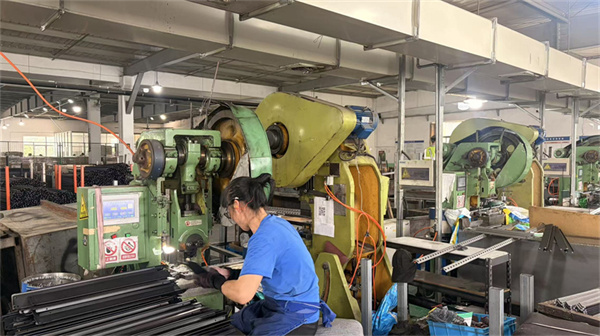
At Suzhou Expandrack, innovation underpins every racking system. Our technical center is staffed by 42 specialized structural engineers who design space-optimizing racking layouts with enhanced safety margins. Last year, the R&D department introduced 120 new standard components and structural accessories to the market. Our customized options cater directly to commercial projects requiring specialized retail display and back-room storage:
| Material / Structure Type | Load Capacity (per level) | Primary Application Scenario | Corrosion Resistance | Life Expectancy |
|---|---|---|---|---|
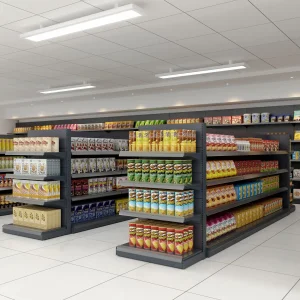
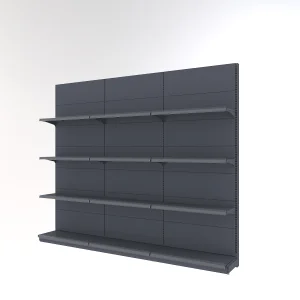
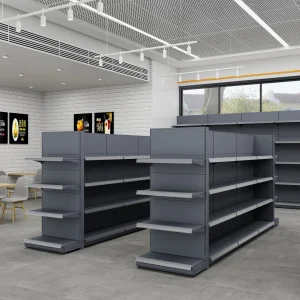
| Q235B Cold-Formed Steel | 100 kg - 500 kg | Medium-Duty Supermarket Display & Gondola shelving | High (Epoxy Powder Coated) | 8 - 10 Years |
| Q355B Heavy-Duty Roll Steel | 500 kg - 2,500 kg | Warehouse Bulk Produce storage / Pallet Racking | Very High (Industrial Epoxy) | 12 - 15 Years |
| Hot-Dip Galvanized Wire Mesh | 150 kg - 400 kg | Cold room display & ventilating storage systems | Outstanding (Rust-proof in high humidity) | 15+ Years |
| Steel-Wood Hybrid Profile | 50 kg - 150 kg | Boutique convenience stores & organic produce displays | Moderate (Sealed solid wood & coated steel) | 6 - 8 Years |
The next decade of commercial retail belongs to automated operations and sustainable footprint integration. Racks are transitioning from static structural components into data-collecting touchpoints. Our R&D division is actively pursuing partnerships with sensors manufacturers to pioneer the next generation of smart display systems:
Integrating weight-sensor plates and micro-strain gauges inside structural shelves to measure inventory depletion in real-time, automatically triggering replenishment alerts to distribution centers when stock drops below 15%.
Migrating to VOC-free, thermosetting bio-polyester powder coat variants that reduce our factory's environmental footprint while offering improved impact absorption and chemical resistance for grocery environments.
Designing display structures featuring integrated cold-mist dispersion channels and localized high-velocity air barriers, helping isolate individual rack displays from warm room temperatures, conserving store energy.
Deploying storage configurations internationally involves more than shipping cargo containers. Expandrack provides full engineering support to assure that delivered products satisfy localized legal codes:
Our structural designs can be modified to meet AS4084, EN15512, or RMI seismic zones. We perform Finite Element Analysis (FEA) testing to verify that frames and anchors remain stable under ground acceleration, safeguarding storage environments.
We provide localized engineering drawings, CAD mockups, step-by-step layout schematics, and structural video guidance. If required, we coordinate with third-party local inspection services to certify your installation is safe for public use.
 Expandrack