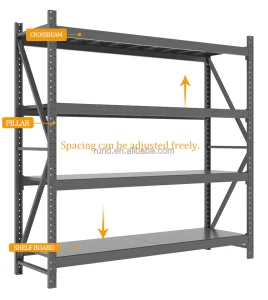
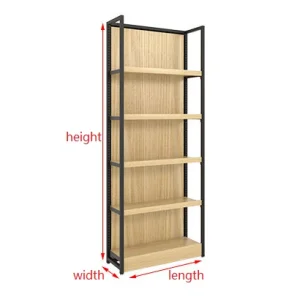
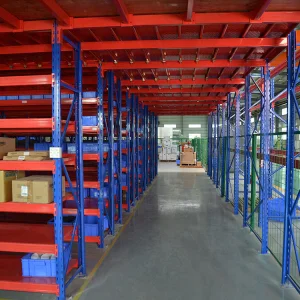
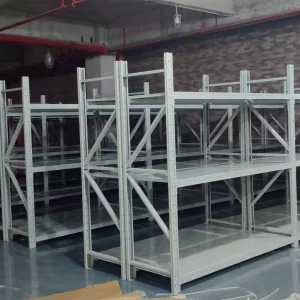
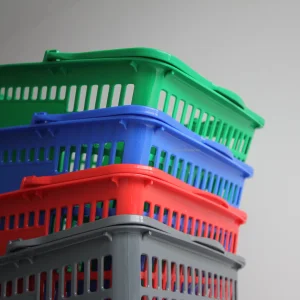
Explore high-durability, load-tested wire shelving models and store display systems engineered for retail, industrial, and heavy-duty logistics environments.
How top-tier multinational entities validate industrial wire shelving manufacturers to maintain structural integrity and system safety.
In modern distribution, cold storage, and retail logistics, wire shelving systems have evolved beyond basic storage. Global sourcing managers focus on precise metrics including deflection parameters under maximum static loads, carbon structural steel chemistry, and the integrity of surface protection systems. Sourcing criteria demand proof of durability under mechanical strain, thermal shifts, and high humidity.
"The core of robust material handling logistics lies in physical compliance. Engineering standardizations, specifically RMI (Racking Manufacturers Institute) and NSF/ANSI certifications, serve as the baseline metrics for validation."
Key industries like food processing, healthcare, and high-density electronics storage rely on wire shelving with structural ventilation. Wire construction allows air to circulate, reduces dust accumulation, and optimizes light distribution. This structural clarity supports fire safety compliance, ensuring water from overhead sprinklers can pass through in an emergency.
A closer look at Suzhou Expandrack Logistics Equipment Co., Ltd. - A global standard in structural storage engineering.
Founded in 2016, Suzhou Expandrack Logistics Equipment Co., Ltd. is a technologically advanced manufacturer specializing in heavy-duty selective pallet racking, drive-in systems, and automated rack-supported warehouse structures. Backed by 10 years of deep industry expertise and 7 years of seamless international trade background, Suzhou Expandrack operates out of a modern 42,000-square-meter production complex in Suzhou, China. Driven by rigorous international standards, our company reaches an annual export revenue exceeding USD 36.0 million.
Our global market presence spans Southeast Asia, the Middle East, South America, and Eastern Europe. Leveraging a resilient supply chain of over 850 strategic material and hardware partners, Expandrack delivers end-to-end storage solutions tailored for diverse commercial sectors. Our main customer types include industrial material handling distributors, retail logistics hubs, pharmaceutical storage managers, and automotive assembly lines.
Quality Control & Testing Rigor: Our manufacturing plant operates under stringent ISO 9001:2015 and RMI (Racking Manufacturers Institute) protocols. The facility houses a specialized laboratory managed by 32 senior QC inspectors to ensure zero-defect output.
R&D Innovation & Tailored Solutions: At Expandrack, innovation underpins every racking system. Our technical center is staffed by 42 specialized structural engineers who design space-optimizing racking layouts with enhanced safety margins. Last year, the R&D department introduced 120 new standard components and structural accessories to the market.
Understanding how automated workflows, modern machinery, and specialized coating processes deliver competitive lead times and high reliability.
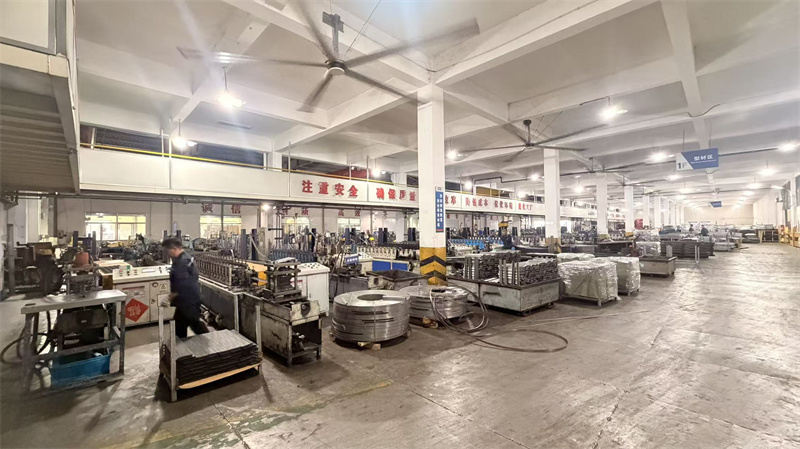
The modernization of China's shelving sector relies on automated workflows. Integrating high-speed roll forming lines, robotic welding stations, and multi-stage powder coating systems eliminates manual variation. By ensuring consistent tolerances across production runs, automated systems ensure that structural steel uprights, wire decking, and connectors install cleanly on site.
A key factor in long-term reliability is the surface finish. Industrial powder coating lines apply electrostatic paint, followed by high-temperature baking. This process creates a dense barrier that protects against impact, chemical cleanings, and moisture.
Modern factories provide direct structural customization to accommodate specific layouts, load capacities, and environmental demands. These modifications include:
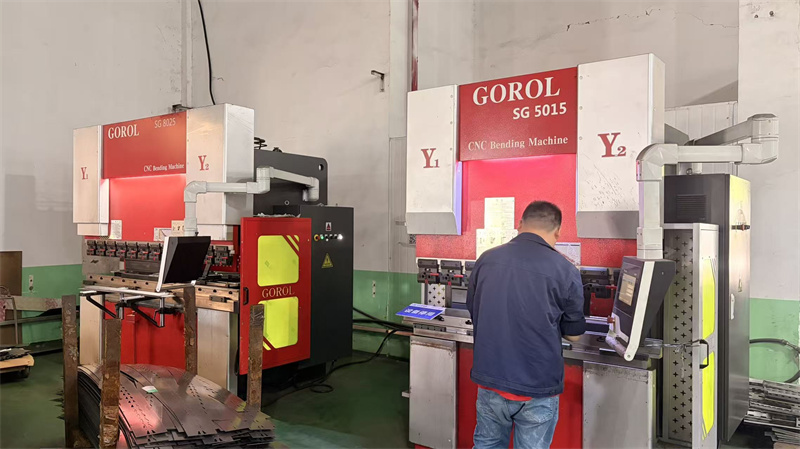
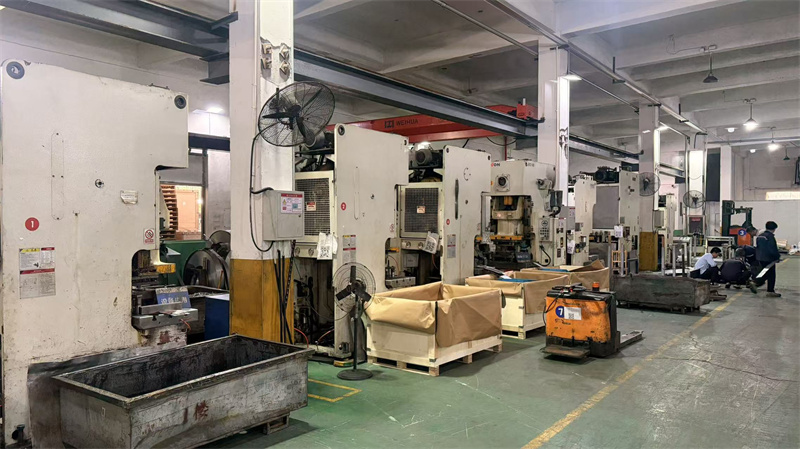
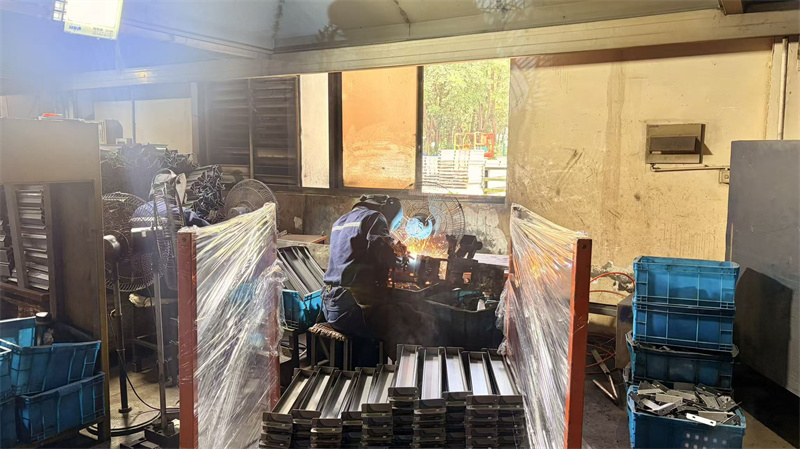
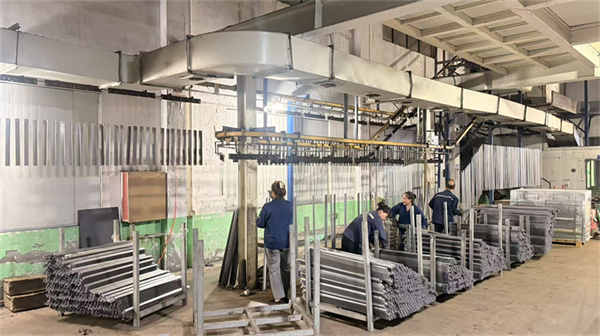
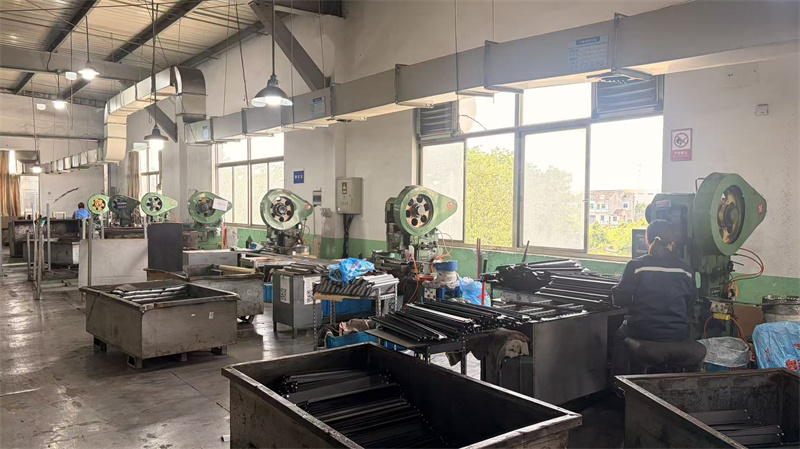
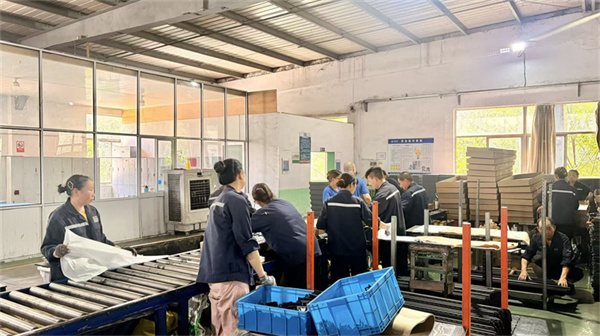
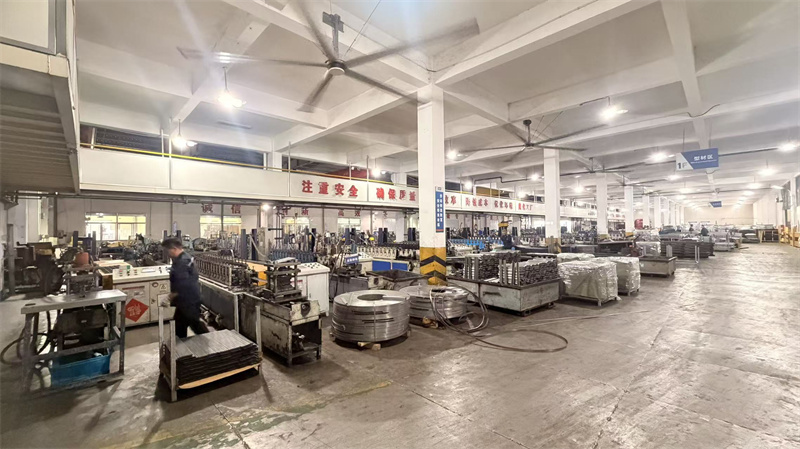
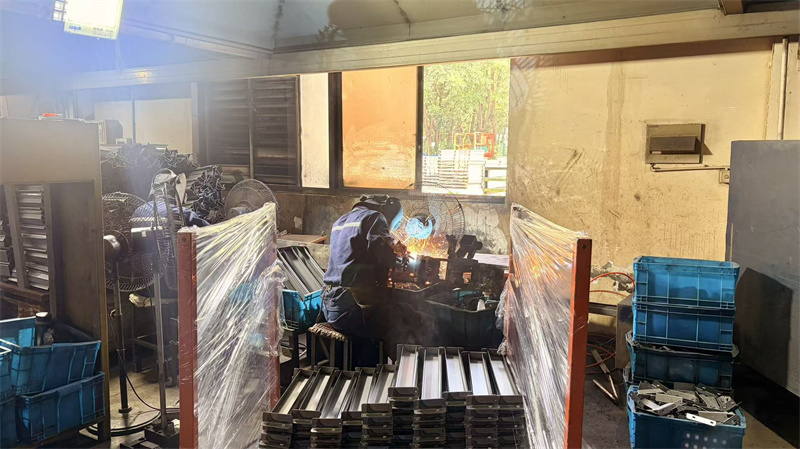
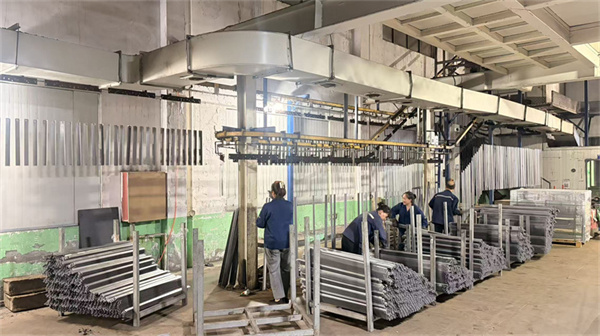
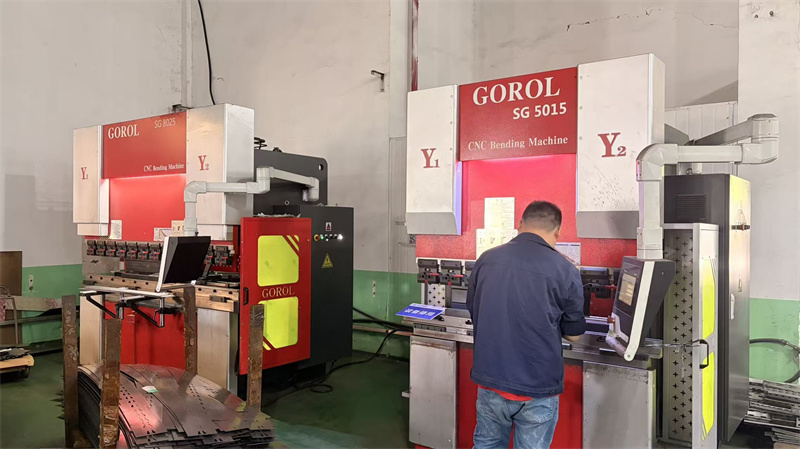
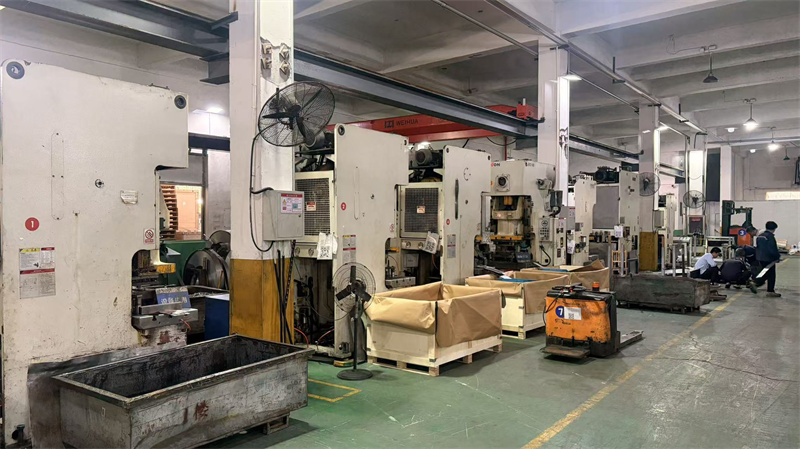
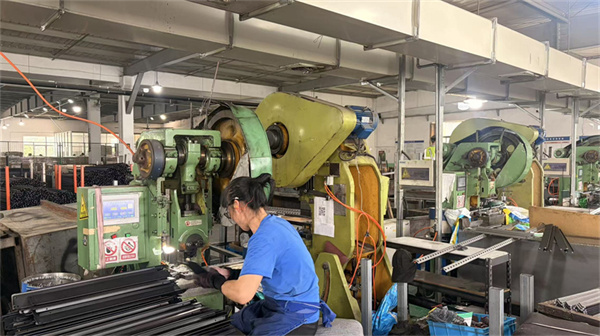
Engineering innovations shaping next-generation industrial wire shelving and storage architectures.
Applying nanotechnology to protective coatings. High-performance zinc-nickel alloys and microbial-resistant sealants provide protection in humid, high-salinity, or sanitary cleanrooms.
Embedding RFID sensors and optical tracking elements within shelving frames to support automated warehouse management and real-time inventory visibility.
Transitioning toward low-carbon manufacturing. Incorporating closed-loop water systems and zero-VOC powder formulations to align with corporate ESG goals.
Configuring storage equipment configurations to meet sector-specific operational and regulatory demands.
Low-temperature environments require storage structures that resist metal embrittlement and corrosion. Wire shelving designs maintain open airflow, allowing consistent cooling across food products or temperature-sensitive biopharmaceuticals. Chrome plating or antimicrobial coatings prevent contamination and withstand regular chemical sanitation.
The growth of e-commerce has increased demand for space-efficient storage layouts. Lightweight, high-strength wire frames provide vertical stability for automated picking systems and multi-tier mezzanines. By utilizing modular components, operators can quickly adjust shelf configurations as SKU sizes change.
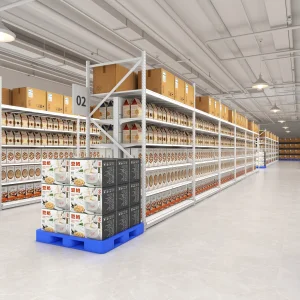
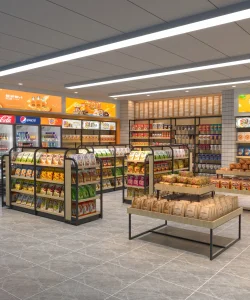
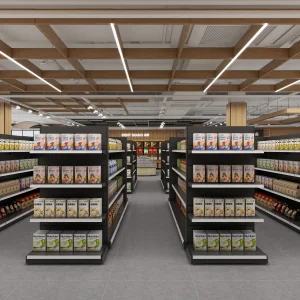
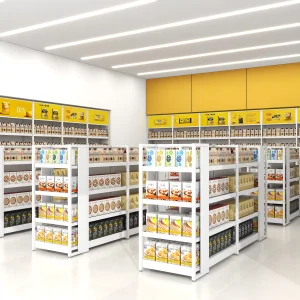
Retail Distribution & Heavy Cash-and-Carry: Wire shelving allows light and sprinkler water to pass through, meeting safety standards while maintaining high visibility for high-volume retail displays.
For large-scale retail distribution, structural durability is essential. Shelving must withstand heavy pallets and impact from forklifts or shopping carts. Integrated steel supports, reinforced wire gauges, and robust upright designs protect personnel, secure products, and maintain continuous facility uptime.
Reducing supply chain risks through regulatory verification and localized technical support.
Installing high-density racking systems in seismically active regions requires verified safety calculations. Leading manufacturers perform structural calculations (including finite element analysis) to design anchoring plates, cross-bracings, and baseplate dimensions that meet regional building regulations. Aligning designs with local compliance rules prevents costly adjustments during onsite inspections.
Large structural steel components can incur high logistics costs. Strategic manufacturers packaging shelving components flat, nested, and secured with heavy-duty bands to maximize container space. This approach reduces shipping costs per unit and protects powder-coated surfaces from damage during ocean transit.
Technical answers to common engineering, installation, and procurement questions.
RMI compliance requires testing components under load, verifying structural steel chemistry, and calculating deflection limits. Frame uprights and beam connectors must withstand rated load capacities with a safety factor of 1.94, ensuring stability and load retention under stress.
Chrome plating offers strong wear resistance in dry environments. For humid cold rooms, walk-in freezers, or sanitary zones, epoxy-coated or stainless steel shelving provides better rust protection, resists food acids, and stands up to harsh cleaning chemicals.
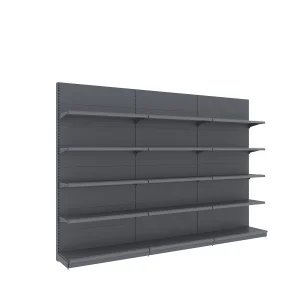
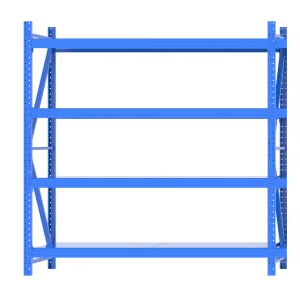
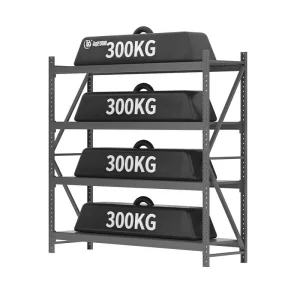
Load capacity depends on wire gauge, reinforcing ribs, and steel grade. An industrial-grade shelf of this size typically supports 600 lbs to 800 lbs of evenly distributed weight. Sourcing managers should verify deflection limits at maximum capacity before final installation.
Full-service manufacturers provide custom engineering support, including layout planning, CAD blueprints, load calculations, and design adjustments. Many also offer onsite assembly guidance or localized installation support to verify compliance with local safety standards.
Further explore our industrial-grade, boltless, and high-density racking configurations designed to maximize space and efficiency.
 Expandrack