Engineered for retail hubs, industrial warehouses, and specialized commercial nurseries
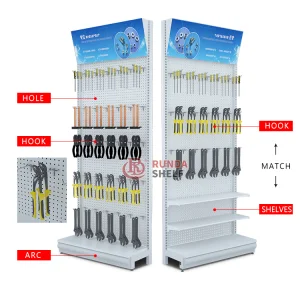
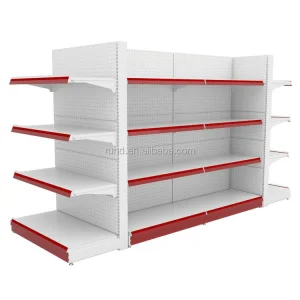
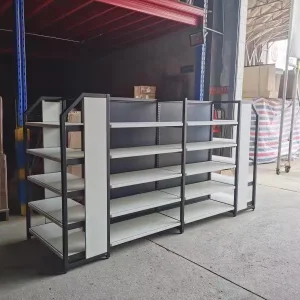
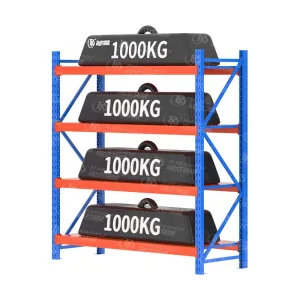
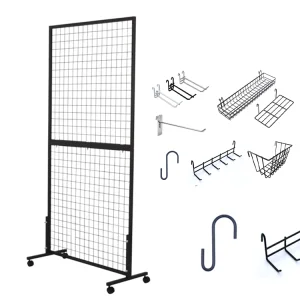
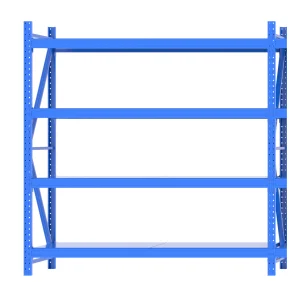
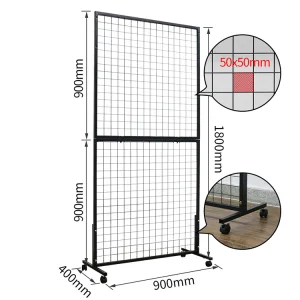
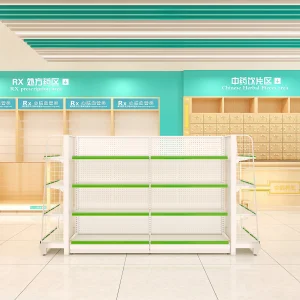
In modern supply chain infrastructures, the structural integrity and space utilization efficiency of retail display and industrial racking systems are crucial drivers of operating margins. The global horticultural retail sector, alongside hardware logistics, demands high load capacity, environmental resilience, and layout flexibility. Garden racks, supermarket shelves, and warehouse racking are no longer simple static storage assets. Today, they represent integrated logistic-handling nodes designed to interface with automated material handling systems.
For international sourcing directors, finding the right manufacturing partner involves evaluating strict engineering metrics. This includes structural stress testing, micro-level powder coating quality, compliance with Racking Manufacturers Institute (RMI) standards, and supply chain scalability. This paper details how Chinese factories have transitioned from basic metal fabricators into fully integrated Industry 4.0 centers. It highlights Suzhou Expandrack Logistics Equipment Co., Ltd. as a key example.
Leading global material handling systems since 2016 from a state-of-the-art 42,000 m² facility
Founded in 2016, Suzhou Expandrack Logistics Equipment Co., Ltd. is a technologically advanced manufacturer specializing in heavy-duty selective pallet racking, drive-in systems, and automated rack-supported warehouse structures. Backed by 10 years of deep industry expertise and 7 years of seamless international trade experience, Suzhou Expandrack operates from its modern production complex in Suzhou, China. Driven by rigorous international standards, the company achieves an annual export revenue exceeding USD 36.0 million.
Our global market footprint spans Southeast Asia, the Middle East, South America, and Eastern Europe. Leveraging a resilient supply chain of over 850 strategic material and hardware partners, Expandrack delivers end-to-end storage solutions tailored for diverse commercial sectors. Our primary customer base includes industrial material handling distributors, retail logistics hubs, pharmaceutical storage managers, and automotive assembly lines.
Step-by-step production flow using advanced industrial machinery to ensure quality consistency
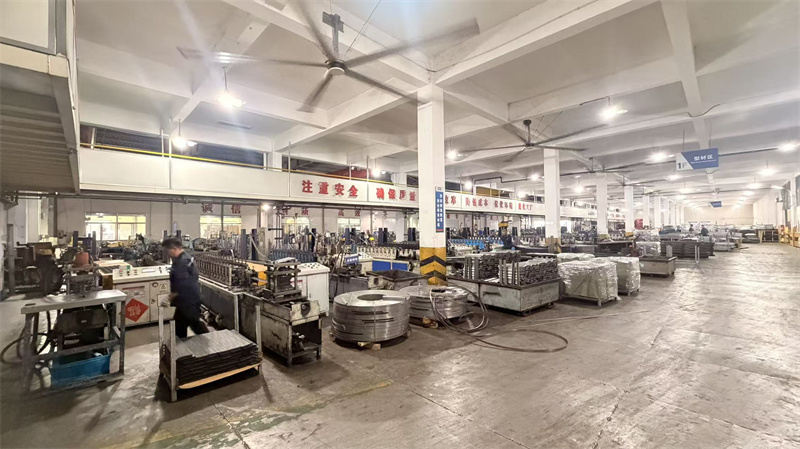
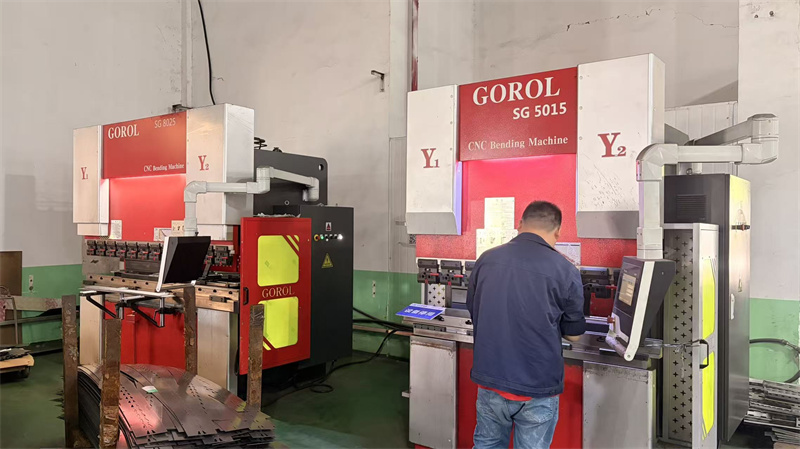
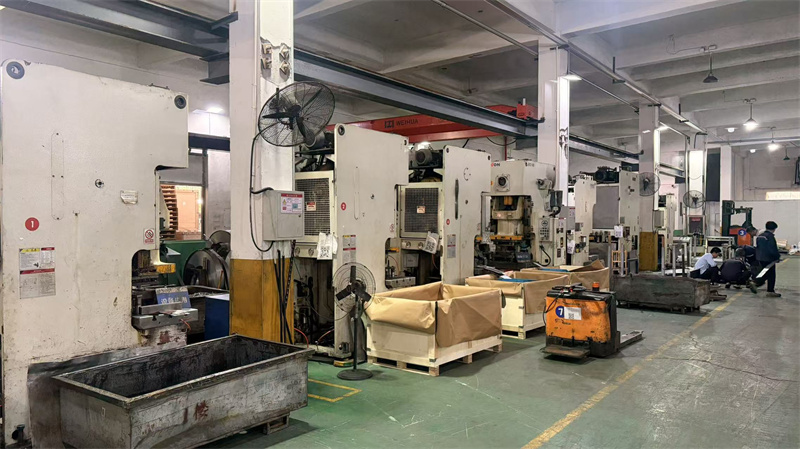
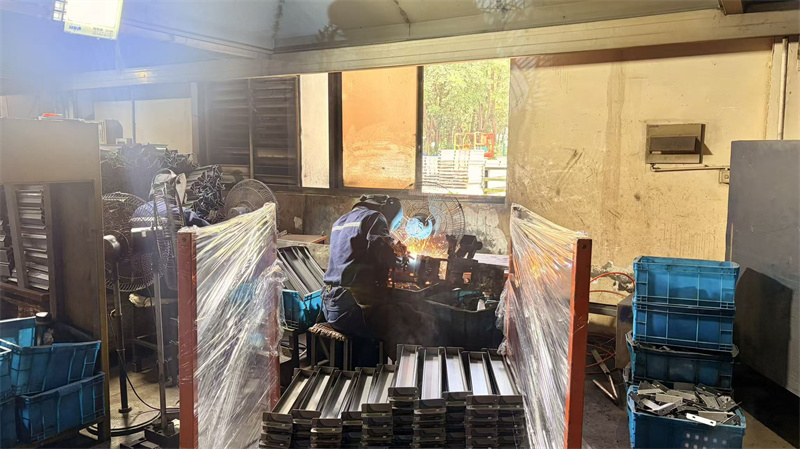
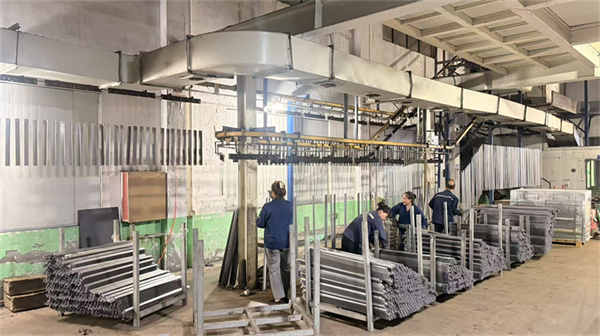
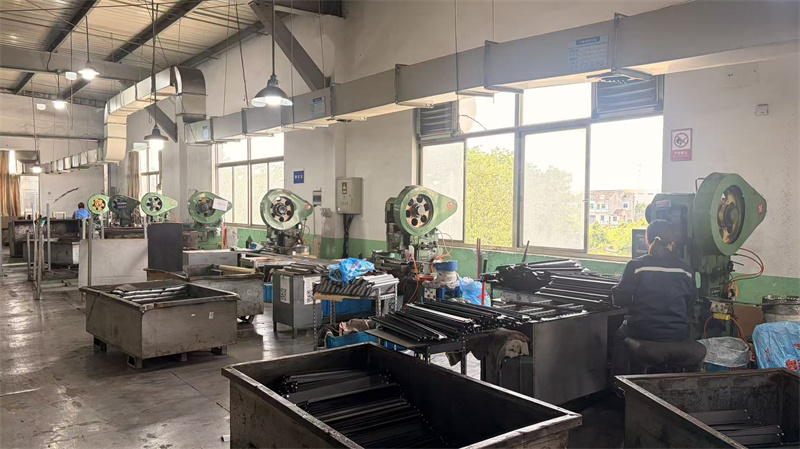
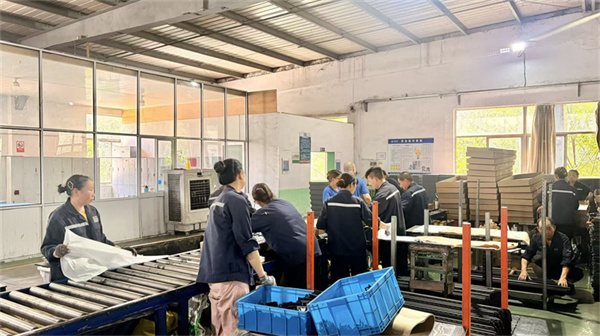
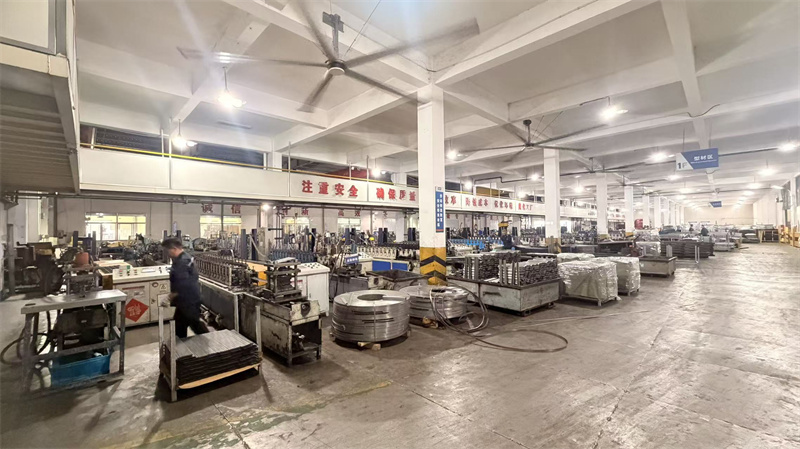
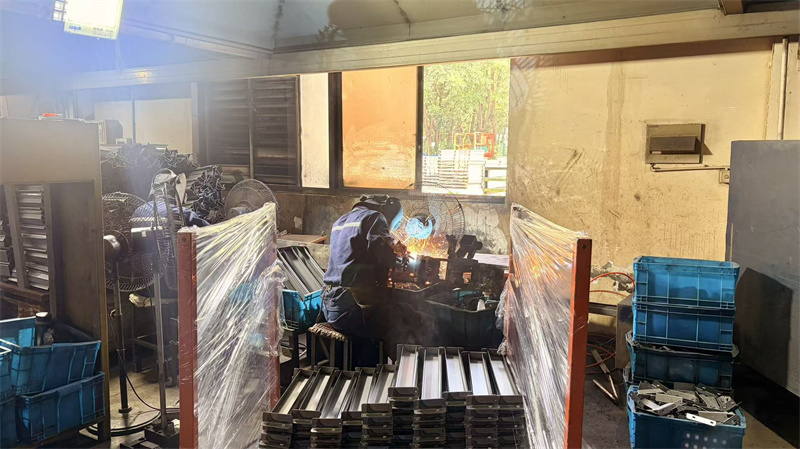
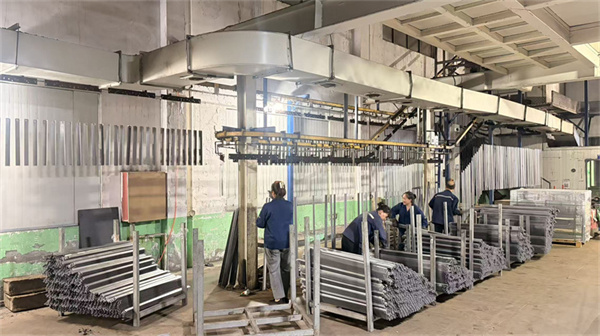
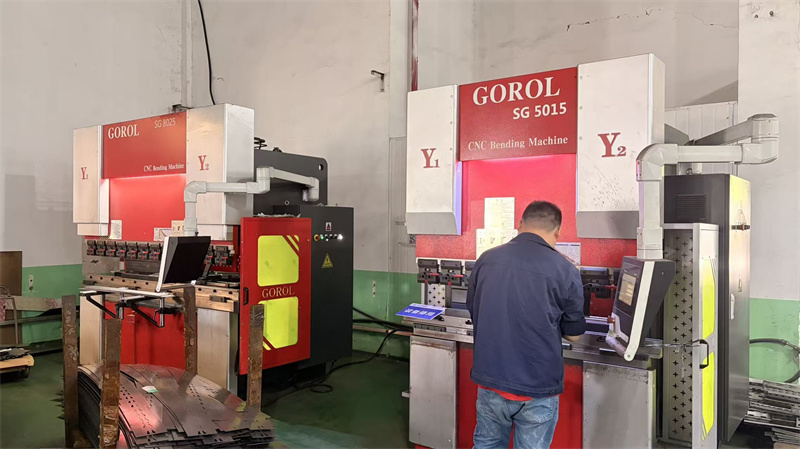
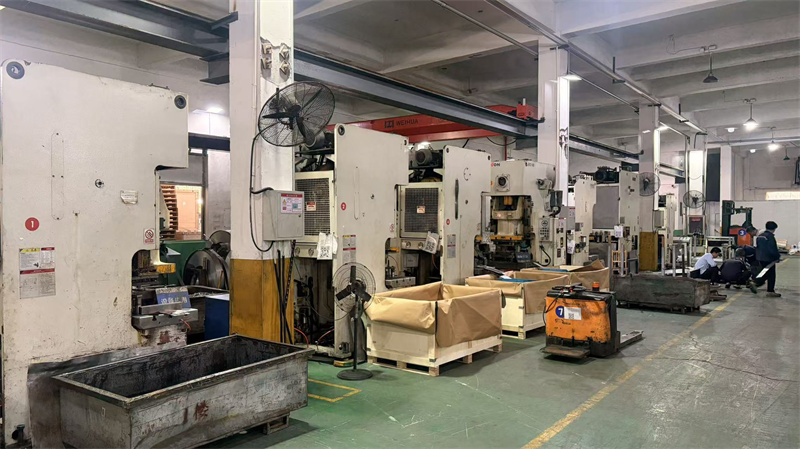
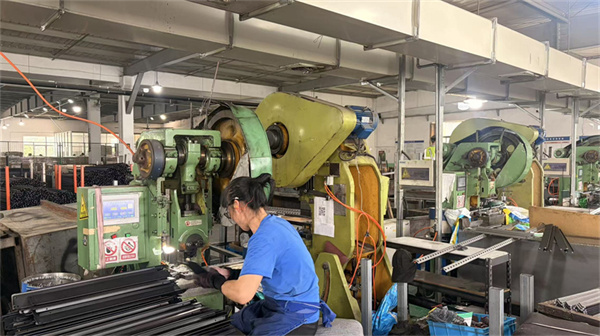
At Suzhou Expandrack, the integration of automation into manufacturing processes aligns with Industry 4.0 standards. Advanced shearing, CNC bending, and punching equipment process structural raw materials with minimal error margins. Upright profiles are shaped using continuous roll-forming lines with online laser inspection. This process ensures straightness tolerances within ±1.0 mm over a 10-meter span.
Welding is executed using precision multi-axis robotic systems. This approach provides deep weld penetration and clean joints without spatter, reducing the risk of structural failure. Pre-treatment chemical wash zones prepare surfaces before coating, ensuring optimal paint adhesion. This step is followed by automatic powder application and high-temperature curing, which creates a durable, weather-resistant finish.
Procuring storage solutions at scale requires careful evaluation of safety, lifetime durability, and logistical efficiency. Enterprises must look beyond simple price points to evaluate a set of core parameters:
High-capacity systems require certified high-yield carbon steel (such as Q235B or Q355B). Cheaper materials can lead to structural sagging or deformation under constant heavy loads. In the North American market, compliance with Racking Manufacturers Institute (RMI) standards is necessary. In European markets, EN 15512 and FEM regulations govern compliance.
Fixed configurations can limit long-term warehouse adjustments. Modern setups utilize teardrop pattern designs or adjustable slotted upright configurations. These allow beam heights to be modified in increments of 50 mm or 75 mm, adapting to seasonal product variations and changing inventory profiles.
For outdoor display areas, including garden nurseries and hardware yards, standard paint finishes can deteriorate quickly. This exposure leads to rust, weakening structural integrity. Racks used in these environments require a minimum powder coating thickness of 70 to 90 microns, tested under salt spray exposure for at least 500 hours.
| Application Environment | Recommended Material & Treatment | Min. Coating Thickness | Expected Lifetime |
|---|---|---|---|
| Indoor Supermarkets / Pharmacies | Cold-Rolled Carbon Steel + Epoxy Powder | 60 - 70 μm | 8 - 10 Years |
| Garden Centers (Semi-Outdoor) | Pre-galvanized Steel + UV-resistant Polyester | 80 - 100 μm | 5 - 8 Years |
| Heavy Industrial Yards (Full Outdoor) | Hot-Dip Galvanized (HDG) Steel (ISO 1461) | 85+ μm (zinc layer) | 15+ Years |
| Cold Storage (-30°C / Frozen) | Special Low-temp Impact Steel + Anti-static Powder | 70 - 90 μm | 10+ Years |
Suzhou Expandrack maintains a strict quality control system, utilizing an in-house laboratory managed by 32 senior QC inspectors to ensure consistent structural performance.
Our testing protocols cover every phase of production:
The engineering department at Suzhou Expandrack employs 42 structural engineers using Finite Element Analysis (FEA) software. This technology helps design high-strength storage structures that optimize steel weight while maintaining safety. The team introduces over 120 new structural profiles and accessories annually, supporting custom requirements like VNA (Very Narrow Aisle) systems and mezzanine integrations.
Modern retail supply chains are shifting toward automated inventory systems. Traditional display fixtures are evolving to incorporate RFID tracking systems and sensor arrays. Future garden and retail racks will use integrated sensors to monitor inventory levels, load distribution, and moisture content in green nurseries.
Sustainability is also transforming raw material sourcing and manufacturing. Leading exporters are implementing eco-friendly practices:
Additionally, modular structural design reduces overall freight volume, helping lower transport costs and carbon emissions for international shipping.
Exporting to international markets requires strict compliance with regional safety and building codes. Standard configurations may not meet local requirements. In seismic regions (such as the West Coast of the US, Chile, or Japan), racks must undergo specific seismic design reviews, featuring wider footplates, dual anchor bolts, and heavier bracing profiles.
European standards mandate Eurocode 3 for steel structural design, along with EN 15635 protocols for rack maintenance and operation. Suzhou Expandrack provides comprehensive engineering support, providing calculations, dynamic load analysis, and localized structural drawings. This documentation helps our clients secure local engineering approvals and occupancy permits.
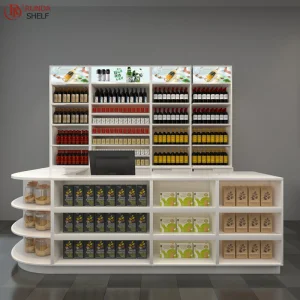
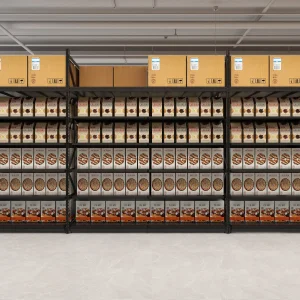
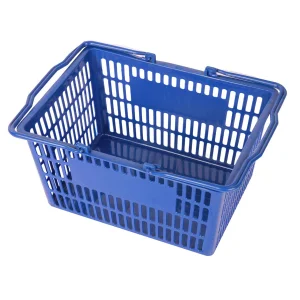
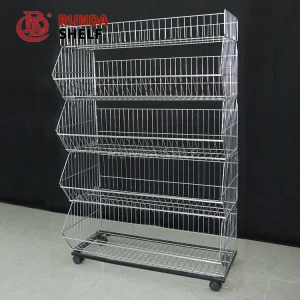
Heavy-duty systems built for commercial environments, grocery outlets, and retail displays
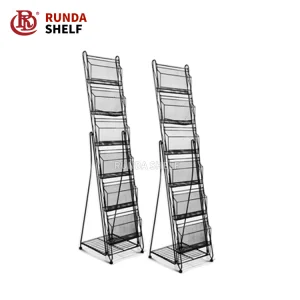
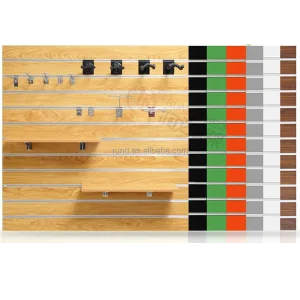
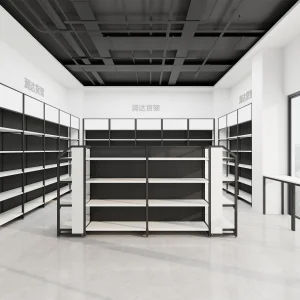
Technical and logistical guidance for commercial buyers and engineering managers
 Expandrack