Explore our foundational range of heavy-duty display systems, portable shopping units, and industrial storage fixtures manufactured under rigorous international specifications.
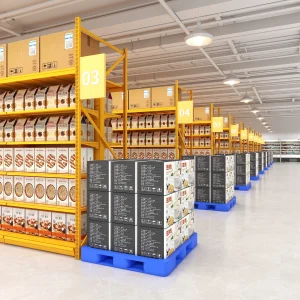
Within the rapidly evolving industrial space, the design paradigm of warehouse storage equipment has transitioned from rigid, static structures to highly dynamic, modular, and adaptive systems. Stacking racks, alternatively known as stackable storage pallets, nestable post racks, or modular structural steel racks, sit at the heart of this operational shift. Global logistics hubs require structural systems that maximize cubic space utilization without compromising security, throughput speeds, or supply chain agility.
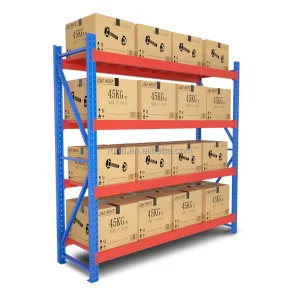
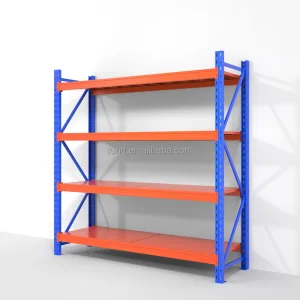
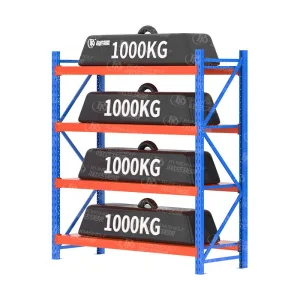
Traditional fixed pallet racking systems offer massive capacities but lack spatial flexibility when SKU structures shift or seasonal inventory peaks occur. Industrial stacking racks circumvent these constraints. By employing heavy-gauge cold-rolled carbon steel, typically grades Q235B or Q345B, these modular frameworks offer high load capacities during periods of capacity strain, yet can be rapidly disassembled or nested when empty. This dramatically reduces return freight costs and frees up valuable factory footprint.
Suzhou Expandrack Logistics Equipment Co., Ltd. represents the cutting-edge of manufacturing infrastructure integration:
Global procurement teams face challenging macroeconomic constraints: volatile steel indices, shifting shipping lanes, and strict compliance targets. Procurement managers are looking beyond simple unit economics, focusing instead on structural longevity, technical certifications, and supply chain transparency. A secure, highly capable OEM manufacturer is an essential asset under this environment.
By leveraging China's Factory 4.0 paradigm, Expandrack delivers industrial storage solutions that merge high-capacity automated production with stringent material validation protocols. Our raw materials undergo spectro-analysis to guarantee correct yield strengths prior to roll-forming. This eliminates structural weak points, ensuring safe dynamic stacking operations even under maximum capacities. Additionally, automated robotic welding systems generate structural joints with uniform weld penetration, preventing catastrophic cracking under cyclical stress loads.
Our custom design process supports high-density automation operations:
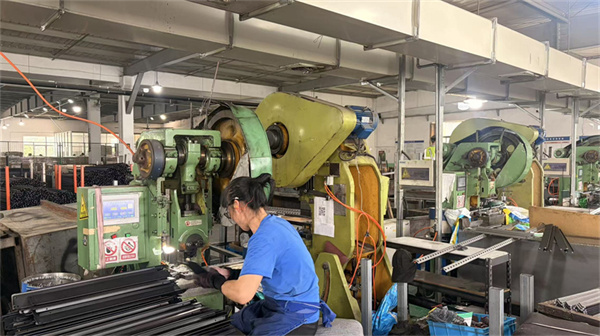
Experience the manufacturing lifecycle: How raw structural steel is sheared, bent, punched, welded, finished, and certified inside our modern Suzhou factory.
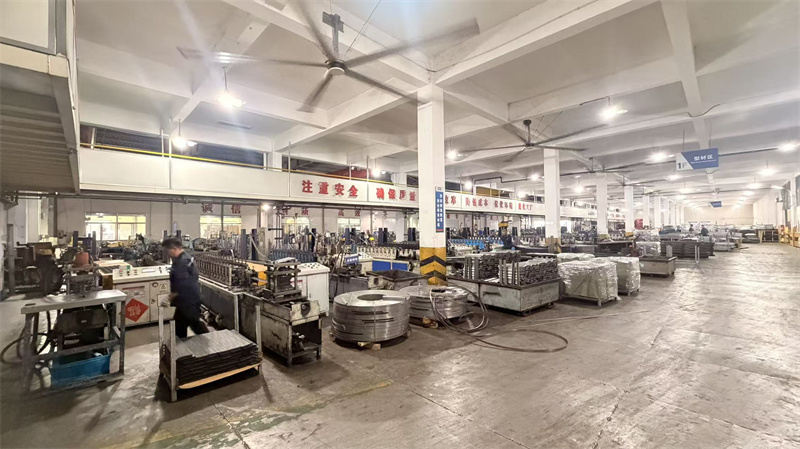
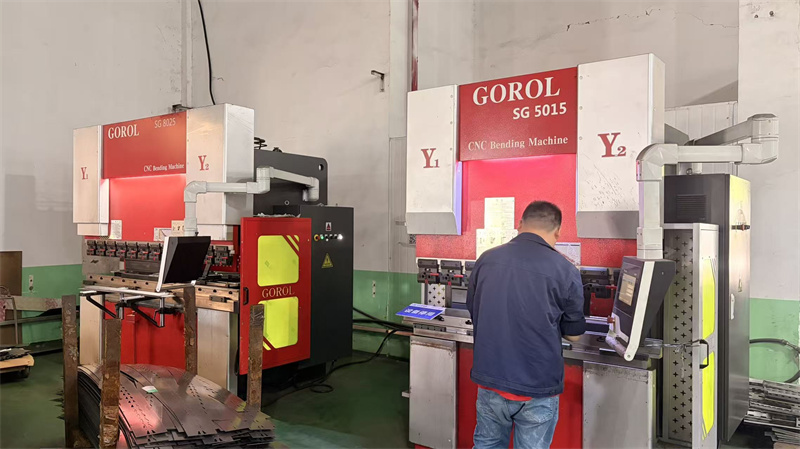
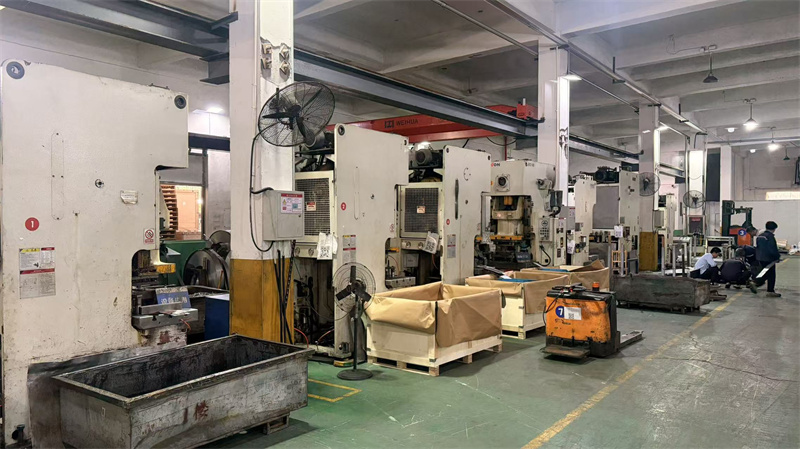
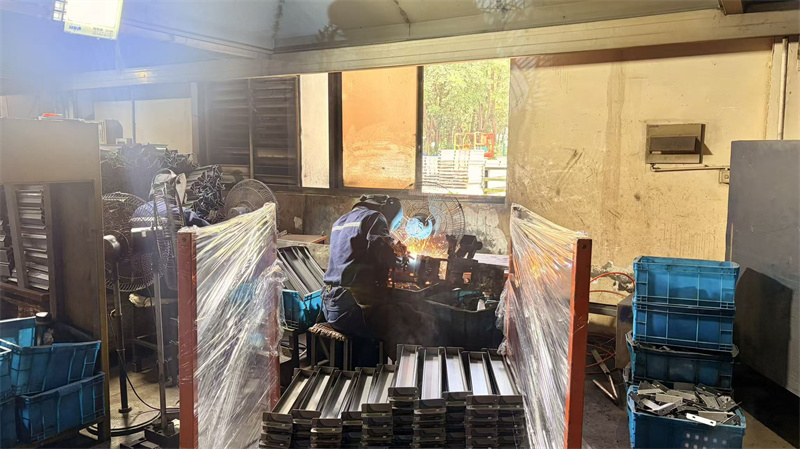
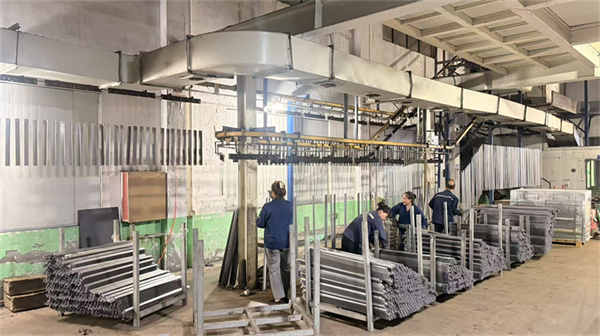
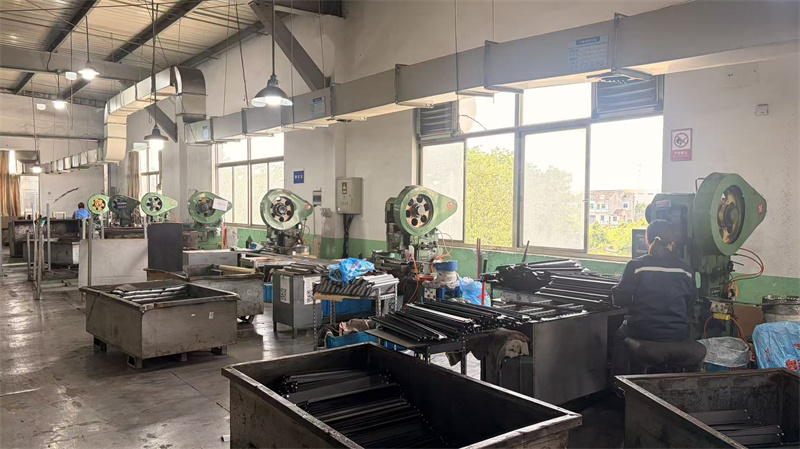
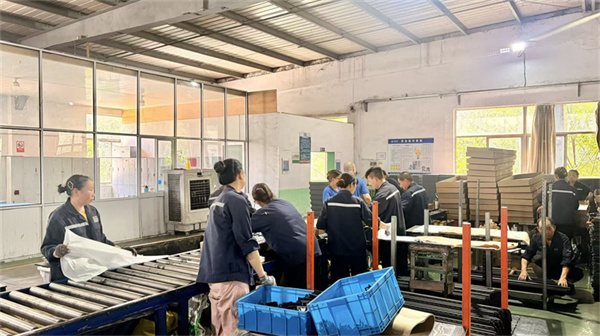
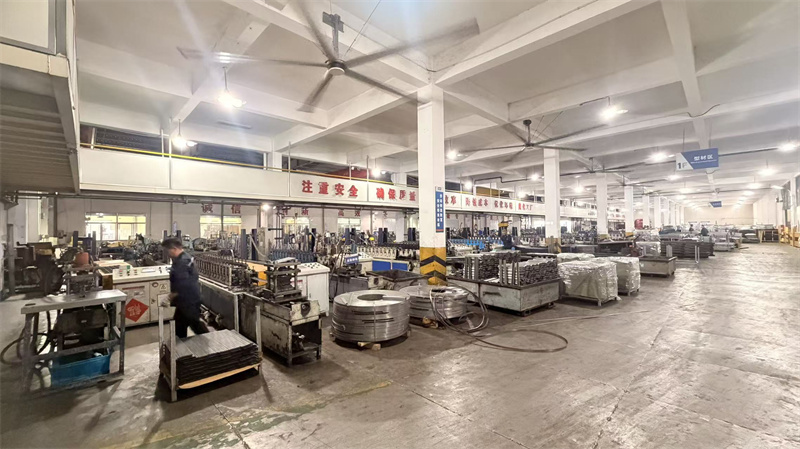
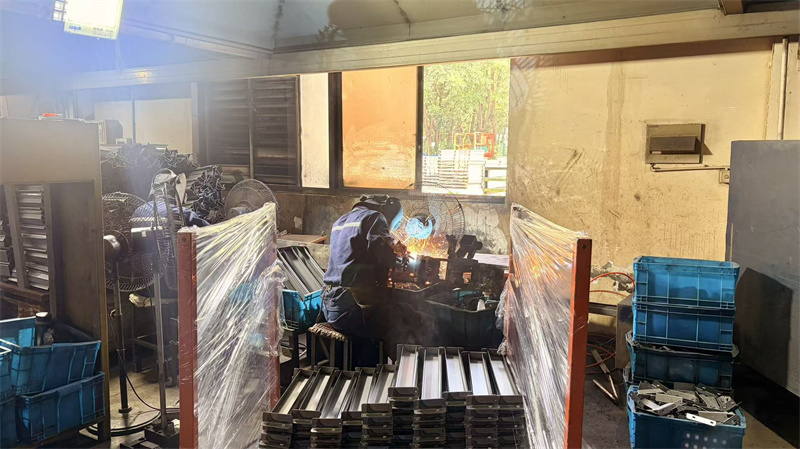
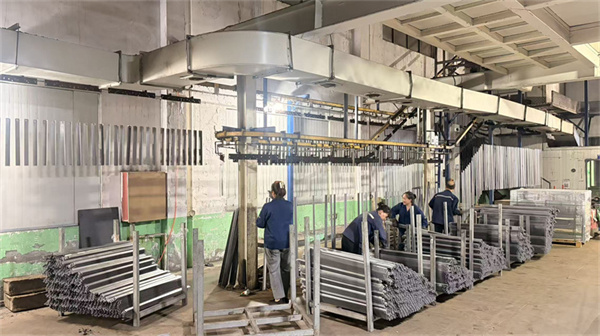
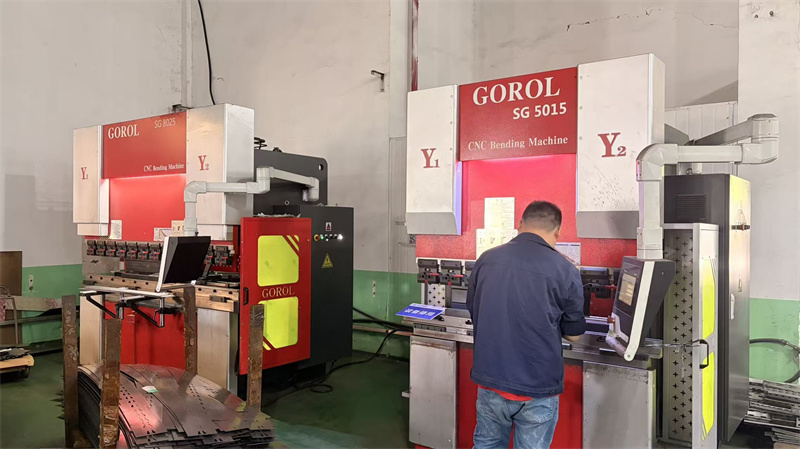
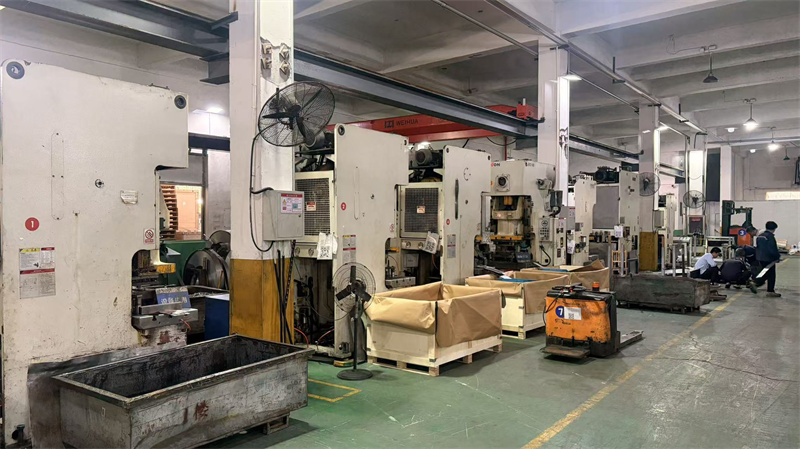
Under the Racking Manufacturers Institute (RMI) guidelines and ISO 9001:2015 directives, structural racking integrity is non-negotiable. Expandrack runs a testing lab staffed by 32 senior QC inspectors. Our test sequence ensures each batch meets global regulatory standards for durability and safety under load:
Every delivery of Q235B structural carbon steel undergoes strict spectro-analysis to verify carbon concentration, yield stress limits, and elasticity parameters. We reject material batches showing structural deviations to guarantee reliable dynamic loading properties.
Online visual laser scanners monitor the geometry of cold-formed upright profiles continuously during production. Column twisting or dimensional deviations beyond a ±1mm threshold trigger automatic stops to keep alignments within narrow structural limits.
Structural engineer crews conduct random load-to-failure testing on beam and upright subassemblies. In-house hydraulic rigs apply loading up to 2.5 times rated limits to confirm built-in safety margins comply with global FEM standards.
Corrosion protection is verified using cross-hatch adhesion checks and cross-cut tests on powder-coated profiles. This ensures protection holds up under physical forklift impacts and prevents local rusting in high-humidity facilities.
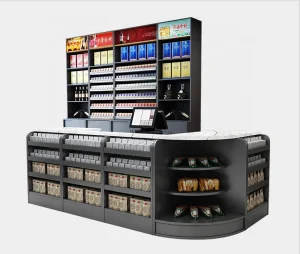
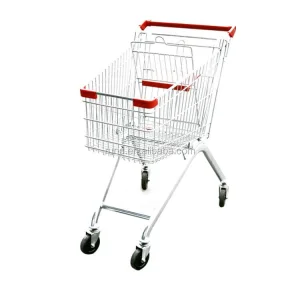
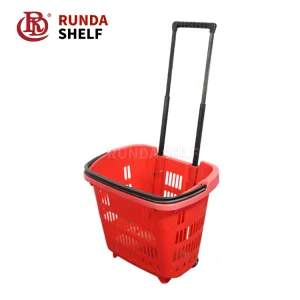
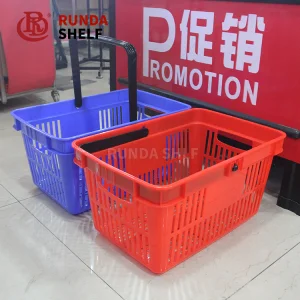
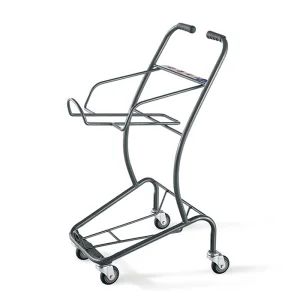
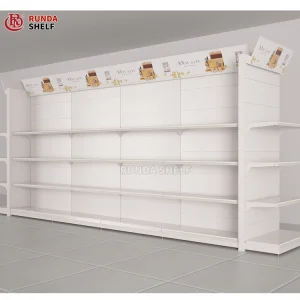
Integrate robust warehouse stacking racks with reliable store checkout solutions and high-capacity transport carts for integrated supply chain setups.
Different industrial setups face unique storage, security, and loading demands. Our custom OEM stacking rack frameworks are engineered for high-density logistics applications:
Automotive operations require dynamic stacking racks to store engine blocks, body stampings, and subassemblies. Solid steel construction safeguards heavy parts during high-impact factory transport.
Cold storage spaces demand materials that resist sub-zero embrittlement and rusting. Our structural galvanization ensures durability down to -40°C in frozen food distribution centers.
Long materials like fabric rolls, steel coils, and tubing require customizable side containment. Our post racks stabilize cylindrical inventory to prevent shifting during high-density stacking.
Technical guidance and engineering answers for industrial procurement managers and logistics designers.
We source heavy-gauge structural steel from leading domestic mills, primarily Q235B and Q345B carbon steel (comparable to ASTM A36 and ASTM A572 Grade 50). Every steel shipment undergoes spectro-analysis and mechanical tensile tests to verify yield strengths before it enters the production line.
Our welding processes follow ISO 9001:2015 and AWS standards. We utilize automated robotic welding lines for consistent penetration and clean joints. Hand welds are completed by certified welders and inspected using dye-penetrant checks and magnetic particle testing on critical load-bearing corners.
Yes. Our engineering department operates a dedicated structural design team using 3D modeling and FEA (Finite Element Analysis). We manufacture stacking racks with dimensional tolerances within ±1.5mm to ensure reliable clearance for automated forklift arrays and AGV navigation systems.
We offer specialized coatings including hot-dip galvanizing (ASTM A123 standard) and thermosetting polyester powder coatings. For high-humidity or cold environments, we apply zinc-rich epoxy primers under the final powder coat to prevent under-film corrosion if the surface is scratched.
Standard OEM custom configurations typically require a 1x20GP container minimum. Lead times range from 25 to 35 days from technical drawing sign-off, depending on design complexity and current line schedules at our 42,000-square-meter Suzhou manufacturing site.
 Expandrack