In modern warehousing, high-load capacities and structural integrity are paramount for business performance. As a premier custom OEM cantilever shelving manufacturer, Suzhou Expandrack Logistics Equipment Co., Ltd. addresses the complex requirements of storage environments worldwide. Founded in 2016 and backed by 10 years of structural engineering expertise, we offer a specialized portfolio designed for the storage of oversized, long-span, and heavy structural materials.
Cantilever shelving remains the standard for stocking timber, piping, conduit, structural steel columns, sheet metal, and industrial components. Unlike standard pallet racks, the arm configurations of cantilever systems have no front-upright obstructions. This allows for continuous horizontal loading access and dynamic adjustment for varying load dimensions. Our engineering protocols conform to RMI (Racking Manufacturers Institute) standards, ensuring high yield safety coefficients, stability calculations, and structural reliability.
Traditional static cantilever racks are evolving into automated storage and retrieval systems (AS/RS). Modern distribution hubs require custom cantilever structures designed to interfaces with automated crane units, robotic lifters, and computerized inventory tracking, ensuring precise vertical clearances and structural tolerances.
Industrial plants are transitioning from traditional roll-formed steel structures to hot-rolled high-tensile structural I-beams. Our manufacturing lines process ASTM A572 Grade 50 equivalent structural steel, providing structural capacity to withstand fork truck impact stresses and demanding vertical loading.
With the expansion of outdoor bulk depots, hot-dip galvanizing (HDG) and double-layer polymer powder coatings have become the industry standard. These protective options prevent oxidation caused by UV exposure, marine moisture, and chemical atmospheres, extending the operational life of the equipment.
Procuring heavy-duty logistics storage equipment involves navigating technical specifications, regulatory compliance, and total cost of ownership (TCO) calculations. To assist global procurement managers, our engineering division emphasizes the following structural design variables:
The loading capacity of a cantilever arm decreases as the load center moves further out from the column upright. Expandrack's design engineers calculate the exact load centers (typically 24", 36", 48", or 60") to determine optimal steel cross-sections and arm connector weld configurations.
For outdoor applications or locations in active seismic zones, standard load ratings are insufficient. We utilize professional FEA (Finite Element Analysis) software to design custom configurations, optimizing base plate thicknesses and anchor bolt spacings to resist lateral earth movement and wind pressures.
The connection between the cantilever arm and the vertical column must be engineered to resist rotation and fatigue. Expandrack offers adjustable pinned connections with high-shear pins, as well as bolted structural connections using Grade 8 fasteners, depending on the application requirements.
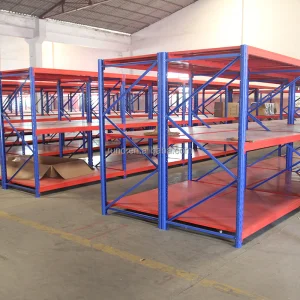
As warehouses move toward higher density configurations, general-purpose shelving must give way to application-specific industrial racking. Below is an engineering overview comparing the application profiles of different structural racking systems:
Our manufacturing plant operates under ISO 9001:2015 and Racking Manufacturers Institute (RMI) protocols. The facility houses a specialized laboratory managed by 32 senior QC inspectors to ensure zero-defect output. Structural steel components undergo rigorous quality checks at multiple stages:
At Expandrack, innovation underpins every racking system. Our technical center is staffed by 42 specialized structural engineers who design space-optimizing racking layouts with enhanced safety margins. Last year, the R&D department introduced 120 new standard components and structural accessories to the market. Customization options include adjustable pitch spacing, custom column guard designs, racking row spacers, special frame height configurations up to 15 meters for narrow-aisle (VNA) operations, and multi-tier mezzanine floor integration with wire mesh decking options.
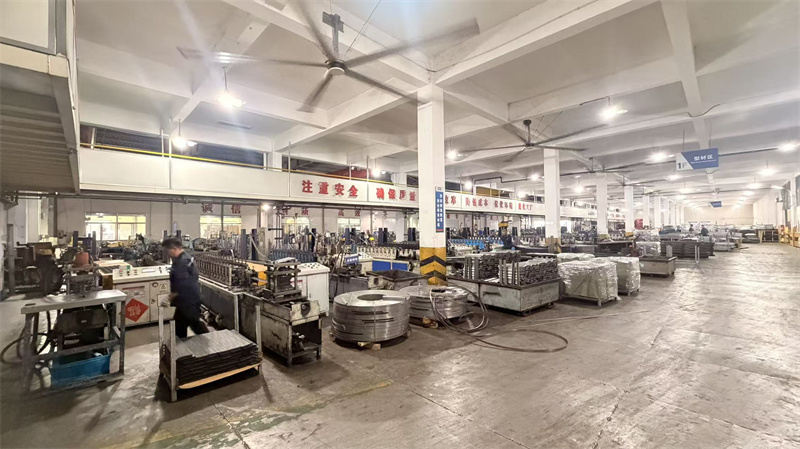
Shearing
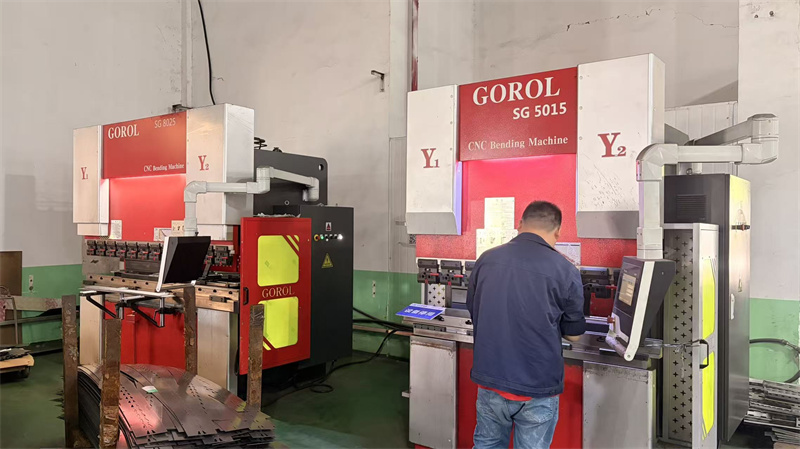
Bending
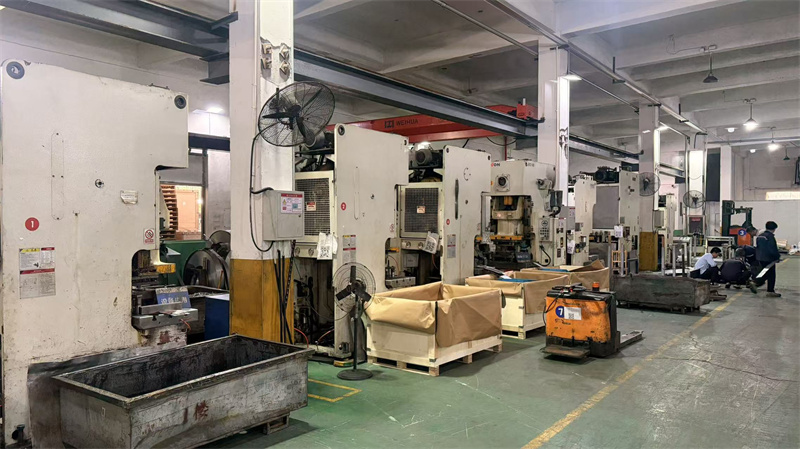
Punching
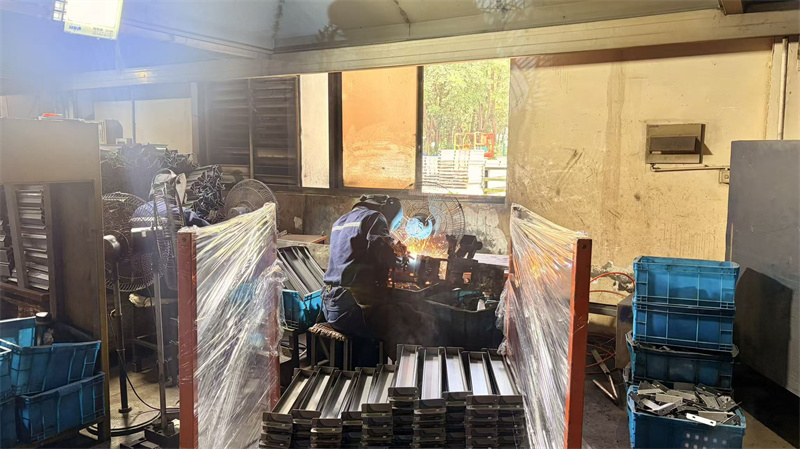
Welding
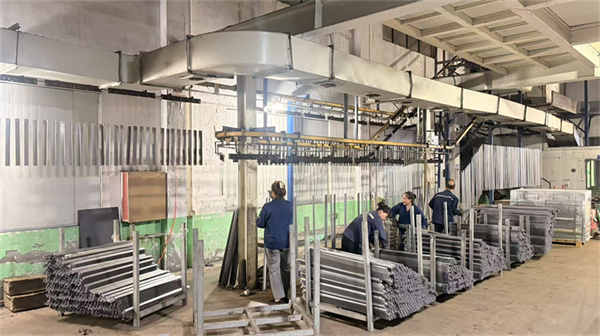
Spray-painting
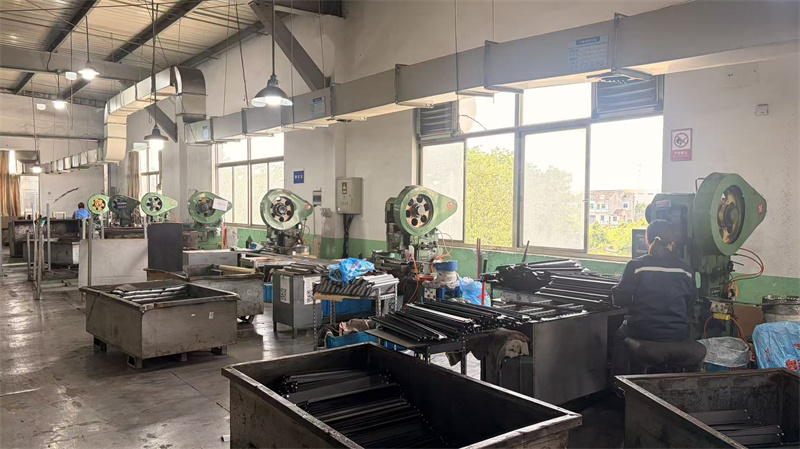
Riveting
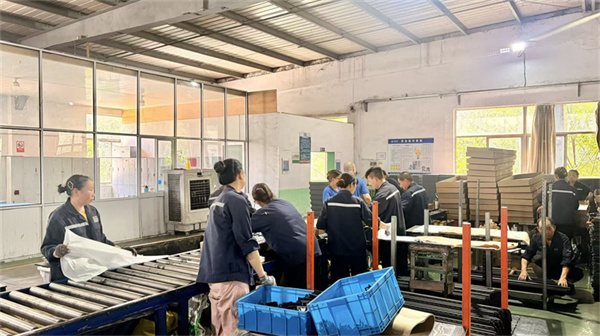
Inspection and Packing
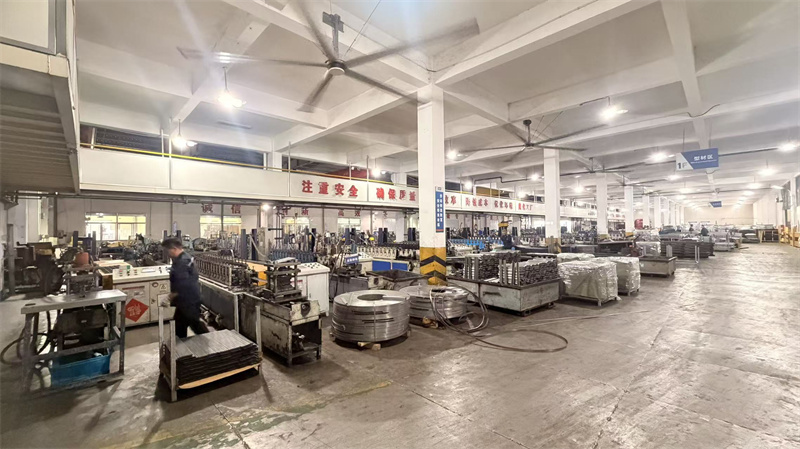
Shearing machine
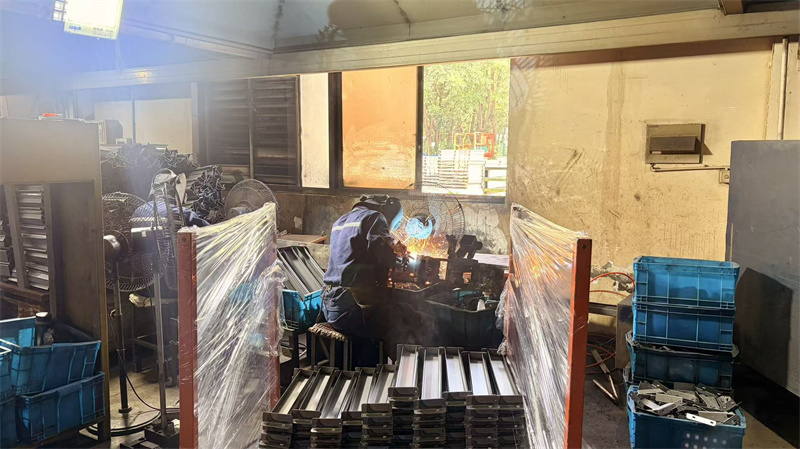
Welding table
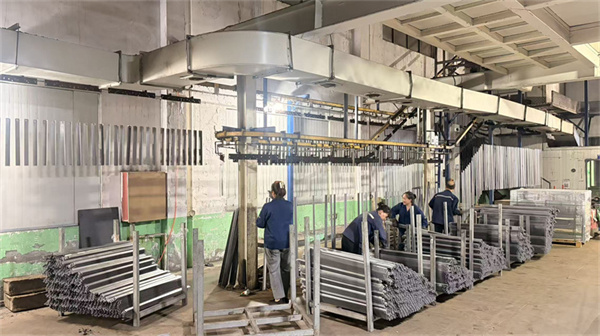
Spray-painting line
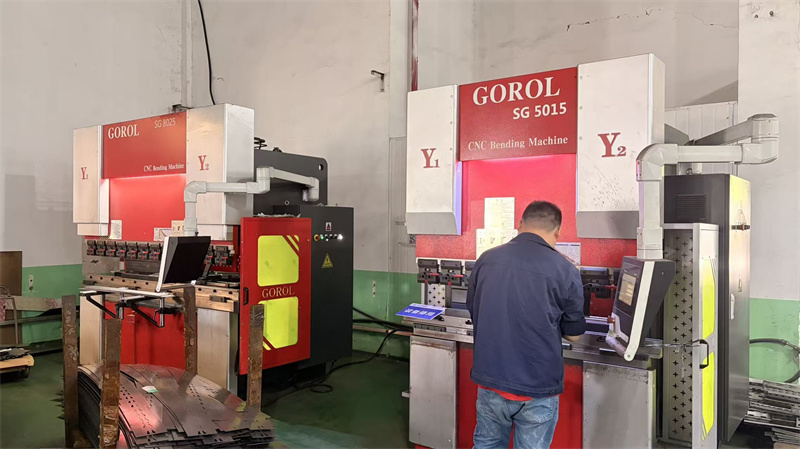
Bending machine
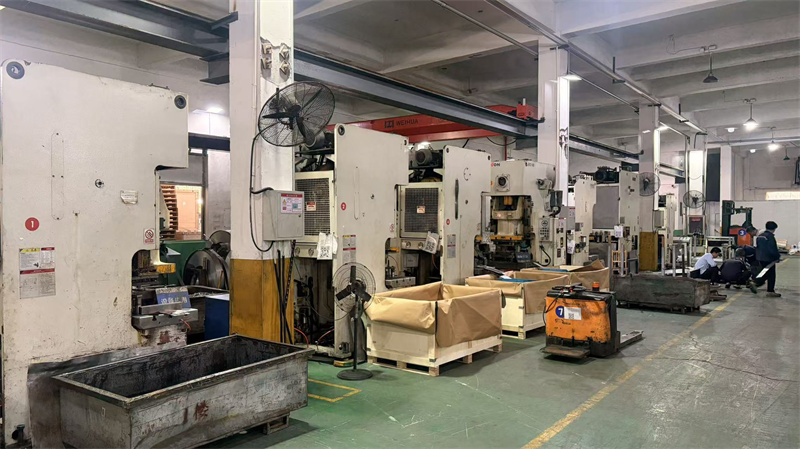
Punching machine
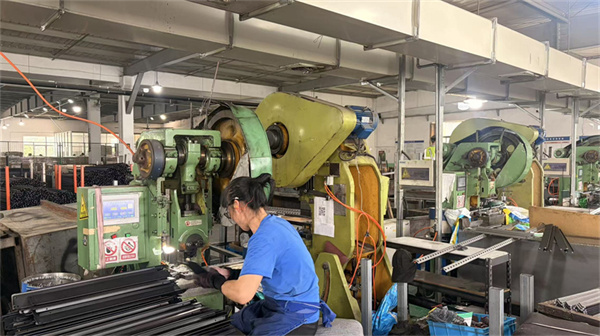
Riveting machine
As a major industrial exporter, Suzhou Expandrack supports its regional partners in Southeast Asia, the Middle East, South America, and Eastern Europe through comprehensive site engineering documents, custom clearance assistance, and local safety certification compliance.
All steel fabrications and load calculations are executed in conformance with the American National Standards Institute (ANSI) MH16.1 structural steel specification and RMI code parameters, facilitating rapid building permitting and zoning reviews.
Designed in accordance with EN 15635 (steel static storage systems) standards, ensuring safe structural load thresholds, operational margins, and clear structural calculation logs for regional safety inspectors.
We compile full structural layouts, 3D models, component schedules, installation checklists, and load-limit documentation. Additionally, we provide virtual setup assistance and coordinate third-party engineering approvals as needed.
Expandrack's strategic development plan addresses the evolving demands of smart logistics:
Optimizing cold-formed structural profiles utilizing dual-phase and ultra-high-yield steel alloys to reduce raw structural weight while maintaining standard deflection limits.
Developing integrated strain-gauge sensors for cantilever arm connections to monitor material strain levels, alerting warehouse management systems of load imbalances or structural overloads in real time.
Implementing cloud-based design portals that allow engineering teams to input site dimensions and structural load targets to generate verified FEA layouts and quotes instantly.
Roll-formed cantilever systems are made from thin-gauge steel sheet shaped at room temperature. They are suitable for light to medium duty loads and offer flexibility in height adjustment. I-beam structural steel racks are manufactured from hot-rolled structural shapes, providing high resistance to forklift impact and heavier load capacities for severe industrial environments.
Arm capacities are calculated using structural analysis calculations, assuming a uniformly distributed load (UDL). The load capacity depends on the yield strength of the steel grade, arm profile height, arm length, and the connection design. If a load is placed toward the tip of the arm rather than the column, the effective load capacity decreases because the bending moment increases.
Stop pins prevent cylindrical, round, or unstable products (such as steel tubes, logs, or rolls of wire) from rolling off the ends of the arms during loading, storage, or picking. We offer fixed structural stop welded end plates as well as adjustable drop-in pins.
Yes. Cantilever columns can be configured in single-sided (back to wall) or double-sided styles. Double-sided racking configurations use a single center column to support loads on both sides, which balances the moment loads on the column and maximizes floor space utilization.
 Expandrack