Direct procurement solutions optimized for heavy loads, distribution efficiency, and material handling compliance.
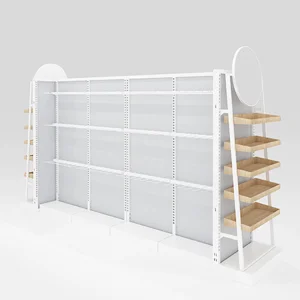
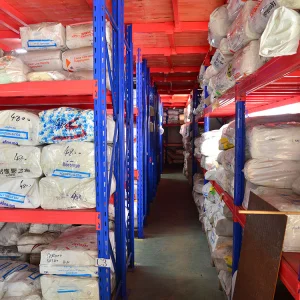
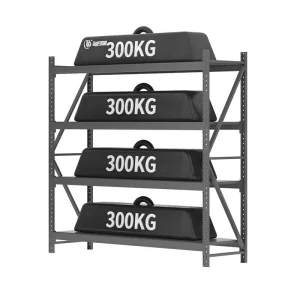
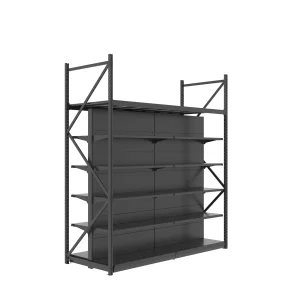
In an era defined by volatile supply chains, skyrocketing urban land valuations, and rapid omni-channel e-commerce growth, industrial operators are forced to rethink warehouse density. Modern intra-logistics demands racking configurations that not only withstand colossal static loads but also remain dynamic, modular, and safe. High-density racking systems serve as the structural backbone of this global transformation.
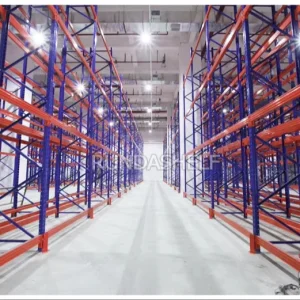
Global fulfilment centers require high-bay selective pallet racking capable of supporting continuous, multi-shift picking operations. Optimal configurations like Very Narrow Aisle (VNA) systems maximize spatial volumetric efficiency up to 90%, minimizing the footprint footprint cost per square meter.
Modern industrial distribution depots require dynamic structural steel grades, including Q355B and Q235B, which exhibit high yield strength and elongation limits. These parameters prevent deformation under continuous heavy load storage.
Global buyers prioritize manufacturers operating under RMI (Racking Manufacturers Institute), FEM 10.2.02, and EN 15512 frameworks. This ensures structural safety, calculation reliability, and minimizes liability across operations.
Established in 2016, Suzhou Expandrack Logistics Equipment Co., Ltd. has positioned itself as a technologically advanced manufacturer of heavy-duty selective pallet racking, drive-in systems, and automated rack-supported warehouse structures. By integrating deep structural expertise with strict quality standards, we deliver robust solutions across the global marketplace.
Our structural rack exports span critical logistics zones including Southeast Asia, the Middle East, South America, and Eastern Europe. We maintain strategic alliances with logistics integration firms, cold chain operators, and multi-national distribution companies.
We build systems with high adjustable pitch configurations, heavy column guards, specialized row spacers, frame heights reaching up to 15 meters, and multi-tier mezzanines featuring integrated safety decking.
Our design office utilizes advanced Finite Element Analysis (FEA) to simulate wind, seismic (earthquake protection designs), and dynamic warehouse loads to prevent failure scenarios on site.
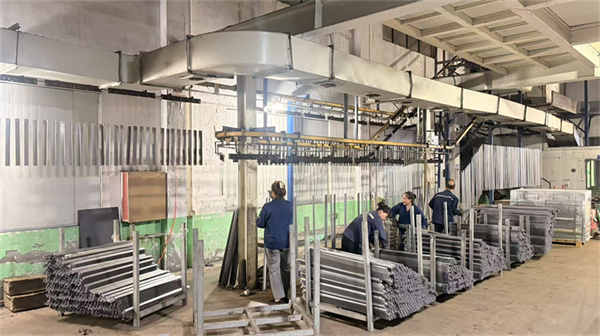
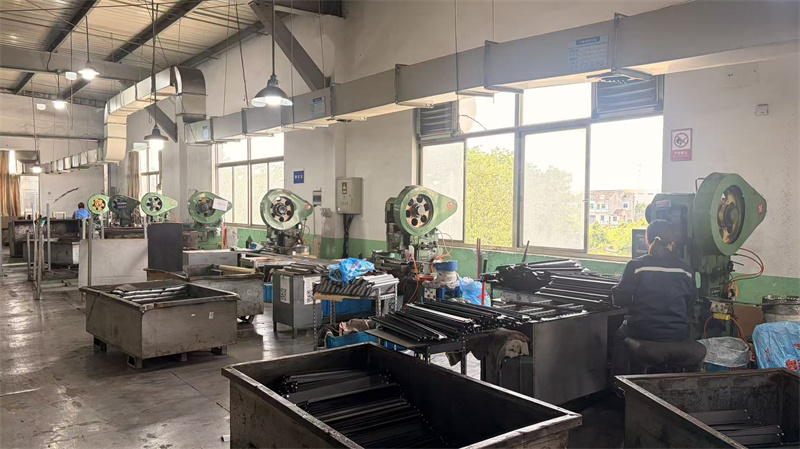
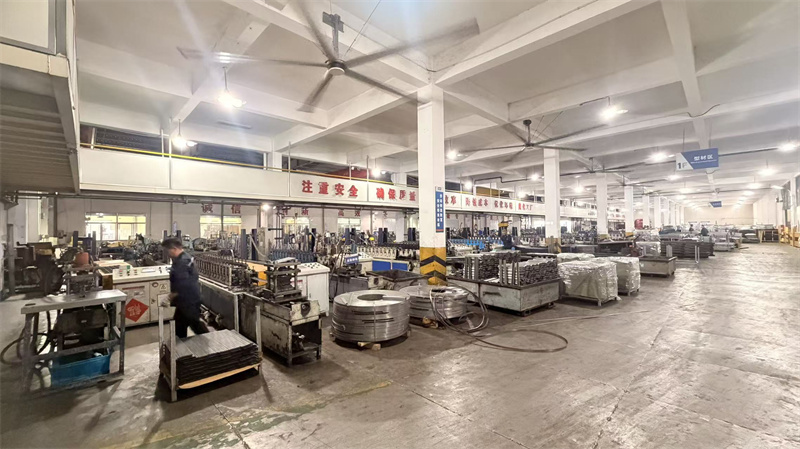
Suzhou Expandrack balances cost-efficiency with high structural quality by implementing advanced automation. Our Factory 4.0 model relies on vertically integrated production steps—from hot-rolled coils to automated powder coating. This layout eliminates intermediate processing delays and guarantees high-grade precision.
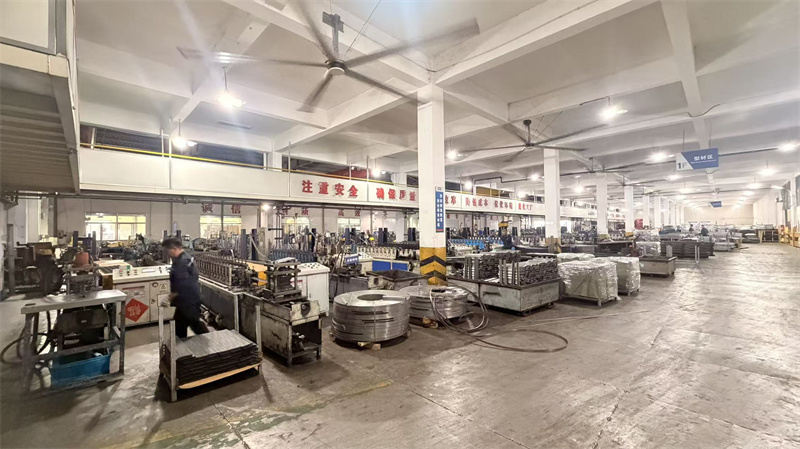
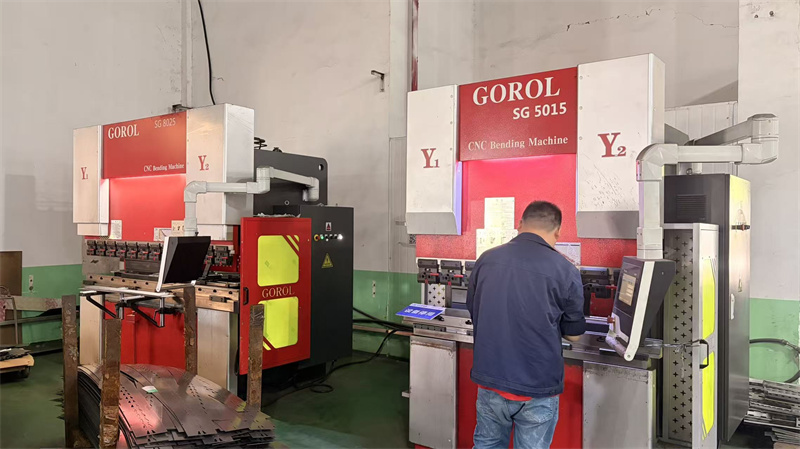
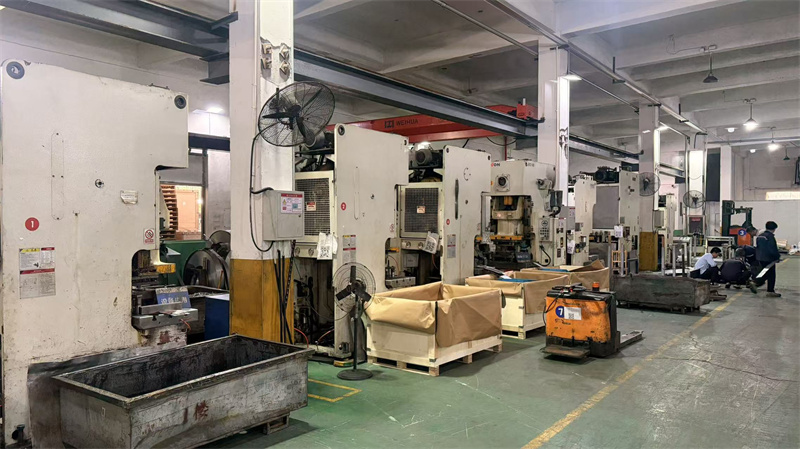
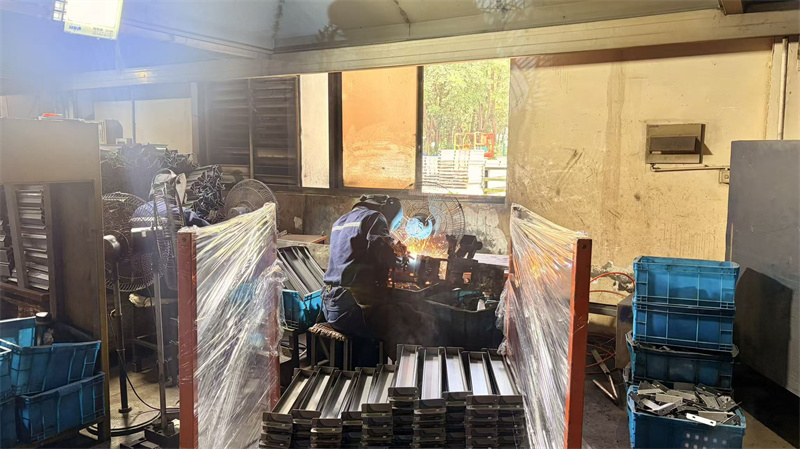
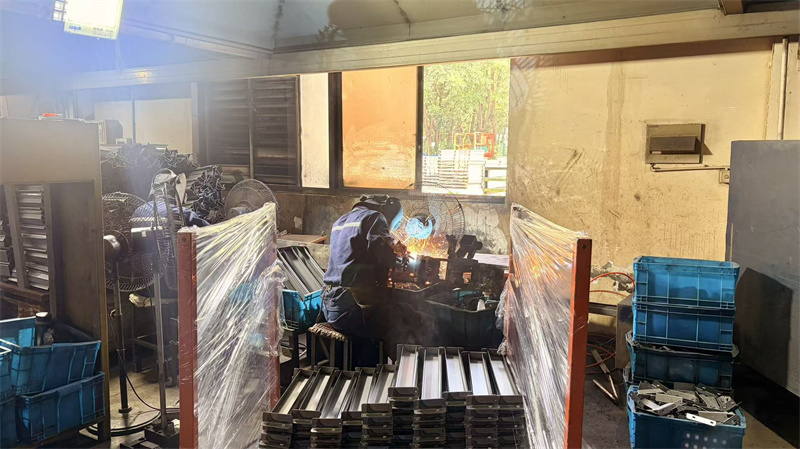
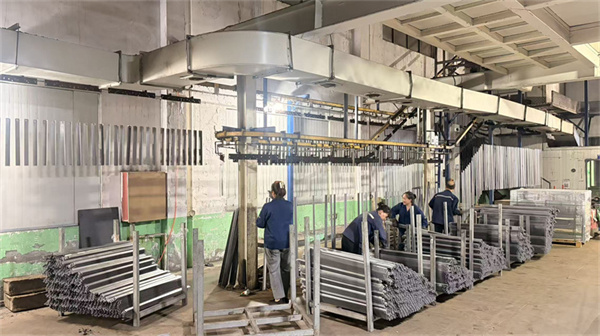
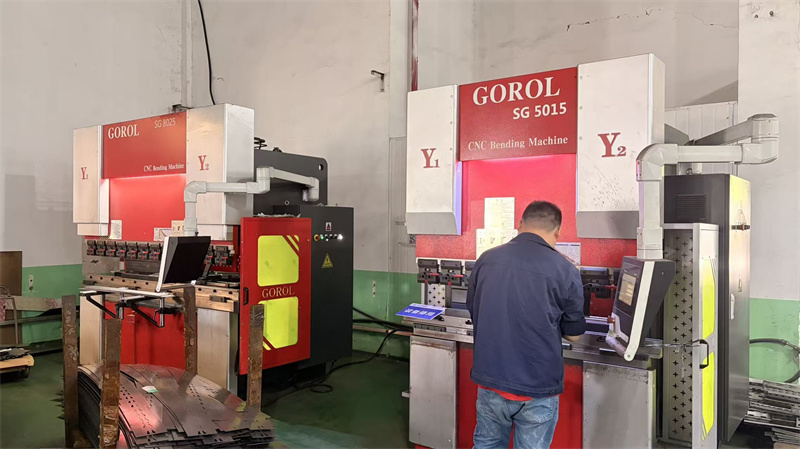
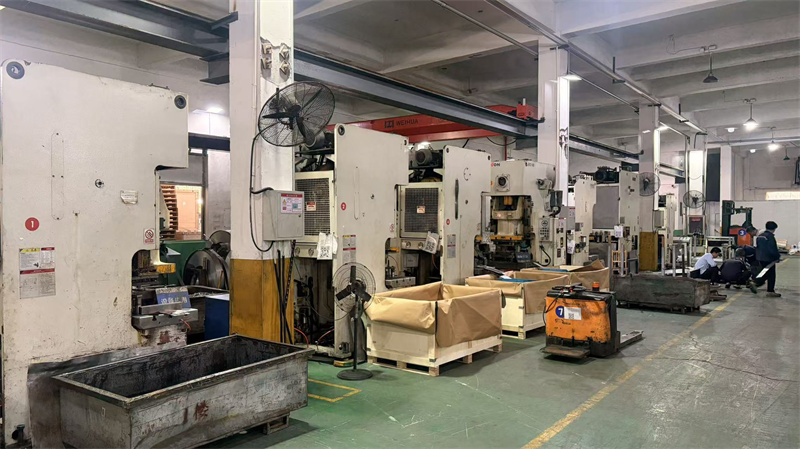
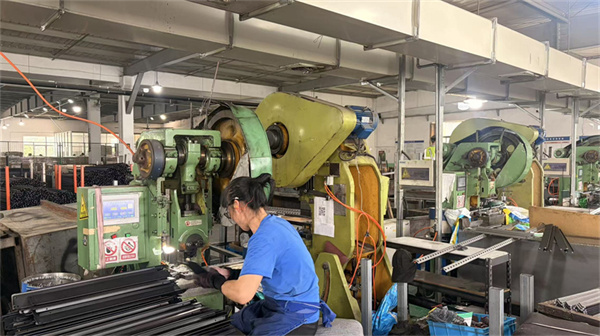
Our technical team consists of 42 structural engineers who focus on maximizing capacity while maintaining code safety. By calculating yield limits, seismic reactions, and deflection margins, we customize configurations to fit precise logistical demands.
Columns can be configured with varying pitch dimensions (e.g., 50mm, 75mm, or 76.2mm spacing). This allows facility operators to adjust beam levels to match changing inventory heights, maximizing overhead storage space.
For high-bay systems and VNA (Very Narrow Aisle) designs, we construct continuous upright profiles up to 15 meters tall without mid-span splicing. This maintains mechanical stability and column straightness.
We provide structural configurations with integrated steel mesh decks, safety bars, frame protectors, and portal ties. These options prevent impact damage and stop pallets from falling during high-elevation tasks.
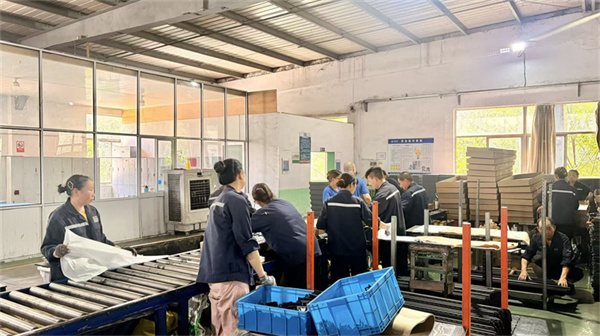
Our ISO 9001:2015 certified factory features a testing lab managed by 32 senior QC inspectors. We check every structural run to verify load capacities and make sure the steel meets international standards.
We analyze the chemical and mechanical makeup of hot-rolled coils to verify carbon equivalent ratings and guarantee yield strengths of Q235B and Q355B structural steel.
Inline laser systems scan the dimensions of cold-formed profiles as they roll. This ensures consistent shape, straightness, and slot alignment, which makes installation easier.
We run hydraulic tests on beam assemblies to find the load-to-failure threshold. This guarantees a safety margin that complies with RMI standards.
We conduct cross-hatch adhesion, impact, and thickness tests on the powder coating. This ensures it resists corrosion and abrasion in harsh environments.
Heavy-duty racking structures must match the specific operational environment. Below are the design guidelines we use to adapt Suzhou Expandrack systems for various climates, seismic zones, and throughput demands.
Freezer warehouses require robust steel chemistry to prevent low-temperature embrittlement. We supply customized structural profiles coated with low-temperature polyester powder, preventing peeling and corrosion down to -30°C.
For seismic areas in South America and Southeast Asia, we enlarge footplates, strengthen connections, and add structural bracing. This design disperses horizontal ground forces and keeps the rack stable during seismic activity.
High-frequency fulfillment networks require straight columns and tight slot tolerances. This allows automated guide systems and VNA turret trucks to move smoothly at high speeds without hitting the racks.
Expert answers to technical questions about load design, safety factors, and compliance.
We primarily use Q235B and Q355B hot-rolled carbon steel. Q355B steel features higher yield strength (minimum 355 MPa), making it ideal for tall vertical frames and long-span beam profiles carrying heavy loads. Q235B steel is used for lighter components and bracings. This combination balances structural capacity and cost-efficiency.
According to RMI and European EN 15512 codes, the maximum vertical deflection limit under full load should not exceed L/200 (where L is the length of the span) or L/300. For a typical 2700mm pallet beam, this keeps deflection below 13.5mm, preventing structural instability and protecting forklift operators.
We use finite element software to run structural dynamic analyses that simulate seismic forces. Based on the site's spectral acceleration, we increase baseplate thickness, install heavy anchor bolts, add vertical X-bracing, and use thicker upright profiles to prevent collapse during seismic events.
We apply a safety factor of 1.5 to 1.65 for steel members, in compliance with American AISC and RMI standards. This design margin accommodates minor load imbalances, dynamic impact from forklift placements, and slight variations in steel thickness.
Our multi-stage pre-treatment (cleaning, phosphating, and rinsing) ensures the powder sticks firmly to the steel. The electrostatic powder coating is then cured in an oven at 180°C to 200°C. This creates a hard shell that resists scratches, impacts, and corrosion much better than standard liquid paint.
We use automated cold roll-forming lines that punch and shape profiles in one continuous run. This maintains consistent spacing and keeps vertical hole alignment within 0.5mm over the entire column length, ensuring straight installations.
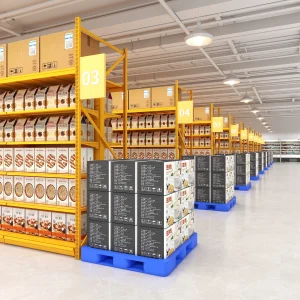
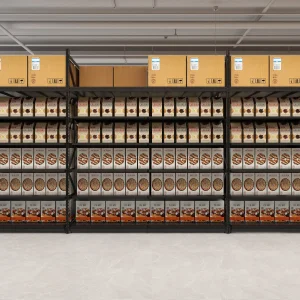
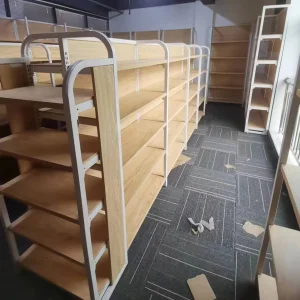
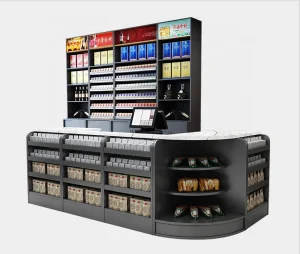
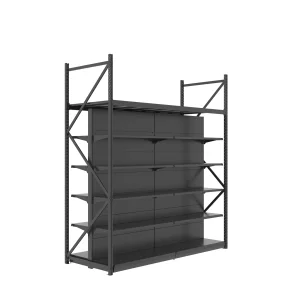
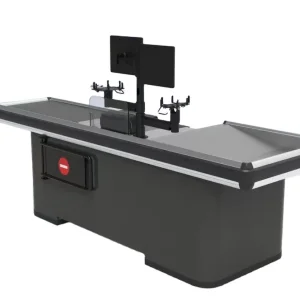
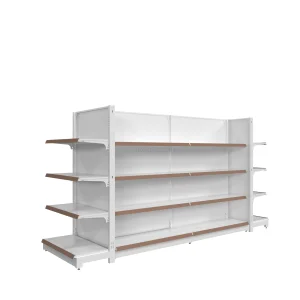
Heavy-duty display options for supermarket layouts and volume-based retail warehouses.
 Expandrack