Top 10 Retail Displays That Boost Sales Effectively?

Time:2026-08-06 Author:Liam
0%

In the competitive retail landscape, effective Retail Displays can make a significant difference in driving sales. According to a study by the Point of Purchase Advertising International (POPAI), up to 76% of buying decisions are made in-store. This highlights the crucial role that well-designed displays play in capturing consumer attention and fostering impulse purchases. As retail expert Sarah Smith notes, "Retail Displays are not just about aesthetics; they are strategic tools for increasing engagement."

Moreover, a report from Retail Minded shows that 67% of shoppers feel more positive about a brand when presented with an engaging display. This statistic underscores the potential for Retail Displays to enhance customer experience and brand loyalty. However, retailers often overlook the importance of display placement and storytelling in their strategies. Many displays blend into the background, missing out on opportunities for connection and communication.

Retail Displays should evoke curiosity and draw customers in, yet many businesses struggle to achieve this. It's essential to continually assess and innovate display methods to ensure they resonate with the ever-evolving consumer preferences. As we delve into the top 10 Retail Displays that boost sales effectively, we must consider both successful examples and areas for improvement.
Top 10 Retail Displays That Boost Sales Effectively?

Understanding the Importance of Retail Displays in Sales Increase

Retail displays play a crucial role in enhancing customer engagement. Effective displays can attract attention and stimulate interest, ultimately driving sales. They create a visual appeal that captures a shopper's eye. A well-designed display can communicate brand identity and encourage impulse buys.

Tip: Use colors wisely. Bright colors can attract attention. Neutral tones can create sophistication. Finding the right balance is vital. Also, consider placement. High-traffic areas are ideal for impactful displays. Position them near the entrance or checkout counters.

Details matter for effective retail displays. Use high-quality materials to build the structure. Incorporate clear signage that informs customers. It’s important to keep displays updated with seasonal items. This shows that the store is fresh and current. Remember, poor maintenance can harm perception.

Tip: Rotate products regularly. This keeps the display dynamic. Familiarity can breed apathy. Changing it up maintains interest. Engage customers by adding interactive elements. A tactile experience can enhance memory and create a connection.

Types of Retail Displays: A Comprehensive Overview

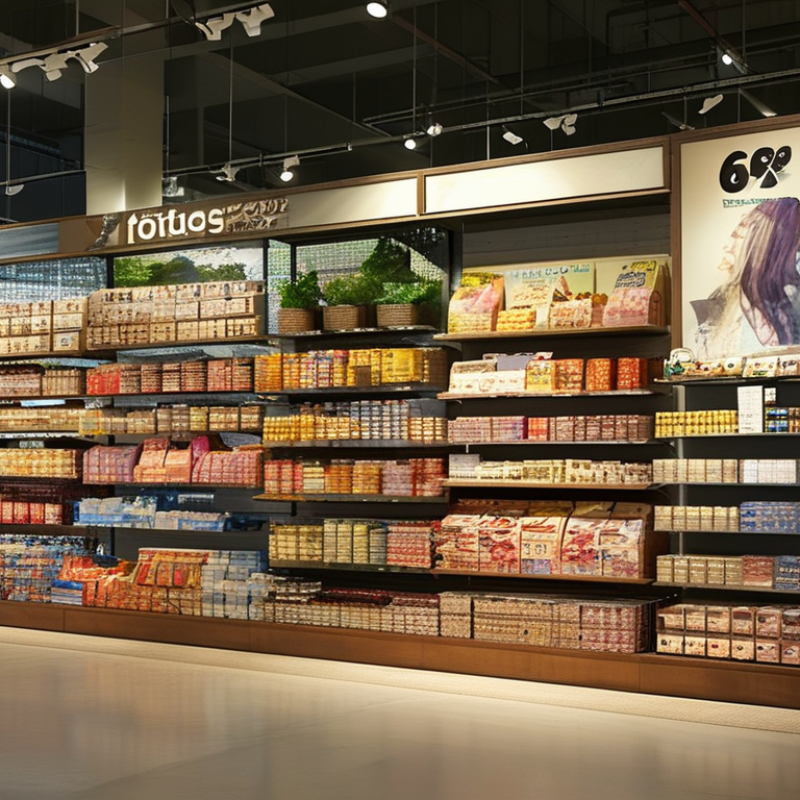
Retail displays play a crucial role in attracting customers and driving sales. There are various types to consider. Free-standing displays are effective for showcasing products at eye level. These can create focal points within the store. They invite customers to engage and discover more. End-cap displays often highlight new or seasonal items. Positioned at the end of aisles, they capture attention easily.

Another popular type is shelf talkers. These small signs provide product information and promotions. They guide buyers in making choices. Meanwhile, dump bins encourage impulse buys. They are visually appealing and often contain items at discounted prices. Visual merchandising can also include themed displays, which tell a story. They create an emotional connection with the consumer.

However, not all displays work equally well. Poorly designed setups can clutter the space and confuse shoppers. Some may not generate enough foot traffic. Therefore, regular assessment of display effectiveness is essential. Understanding customer behavior and preferences is key to fine-tuning display strategies. Retailers must stay updated on trends while ensuring that their displays remain relevant.

Top 10 Retail Displays That Boost Sales Effectively

Display Type Effectiveness (%) Best Use Case Cost Range ($)
Floor Displays 30-40 High traffic areas 200-500
Endcap Displays 25-35 Impulse purchases 150-400
Point of Purchase (POP) Displays 40-50 Checkout areas 100-300
Wall Displays 20-30 Product showcases 250-600
Digital Displays 45-55 Interactive customer engagement 500-2000
Social Media Walls 35-45 Promotion of online presence 300-800
Shelf Displayer 15-25 Standard merchandise display 100-250
Mobile Displays 30-50 Events and promotions 250-700
Freestanding Displays 20-30 Large product promotions 400-1000
Themed Displays 50-60 Seasonal promotions 200-800

Key Elements of Effective Retail Display Design

Effective retail displays are essential for driving sales. They attract customers and enhance shopping experiences. Key elements play a critical role in the success of your displays.

One important factor is color. Bright and appealing colors can catch attention quickly. Use contrasting colors to highlight specific products. This can help create urgency and encourage purchases. Additionally, consider the layout. A clear and organized display allows customers to navigate with ease. Cluttered displays can confuse them and drive them away.


Tips: Use lighting strategically. Well-placed lighting can make products stand out. Experiment with various intensities to see what works best. Aim for vibrant spots without being harsh.

Another element is storytelling. Connect with your audience. Create displays that resonate with their emotions. Incorporate seasonal themes or relatable lifestyle imagery. This can strengthen brand loyalty and inspire repeat visits.


Remember, perfection isn't always the goal. Sometimes, a display can feel overly staged. Genuine presentations can create trust and authenticity. Regularly review and update displays based on customer feedback and sales data. This keeps your retail environment fresh and engaging.

Strategies for Maximizing Customer Engagement with Retail Displays

Effective retail displays are vital for increasing customer engagement. Visual appeal plays a crucial role. Bright colors, interesting shapes, and strategic product placement catch the eye. Often, the right arrangement can drive impulse purchases.

A well-thought-out display offers customers a unique shopping experience. For example, thematic displays tied to seasonal events can boost sales significantly. However, constantly changing displays can confuse some shoppers. Regular feedback from customers helps understand their preferences better.

Interactivity enhances customer engagement. Touchscreens or interactive elements invite shoppers to explore more about products. This strategy helps create a memorable experience. Yet, overcomplicating displays can overwhelm customers. Simplicity often leads to clarity and better understanding. Emphasizing the customer’s journey is key.

Top 10 Retail Displays That Boost Sales Effectively

Measuring the Impact of Retail Displays on Sales Performance

Retail displays play a crucial role in shaping customer behavior. According to a report by the Point of Purchase Advertising International (POPAI), 70% of purchase decisions are made in-store. This statistic underscores the importance of strategic displays. Eye-catching presentations can lead to increased impulse buying, especially in high traffic areas. Products positioned at eye level or within easy reach often see significant sales boosts.

Furthermore, a study by the Journal of Retailing found that interactive displays can increase shopper engagement by up to 42%. Engaging customers physically or emotionally can enhance their shopping experience, making them more likely to buy. However, not all displays are effective. Overly cluttered or confusing setups can frustrate shoppers. Retailers must continually assess the effectiveness of their displays to avoid potential pitfalls.

Incorporating technology, such as QR codes or touchscreen displays, can also be effective. A survey suggested that 56% of consumers are more likely to interact with a store that uses innovative display methods. Nevertheless, the idea of balance is critical; overwhelming shoppers with too many high-tech features may lead to distraction. Retailers should find the right mix to ensure displays enhance, rather than hinder, the shopping journey.

FAQS

: Why are retail displays important?

: They enhance customer engagement and can drive sales through visual appeal.

How should colors be used in retail displays?

Bright colors attract attention, while neutral tones create sophistication. Balance is key.

Where should displays be placed for maximum impact?

Position them in high-traffic areas, like near entrances or checkout counters.

What materials should be used for retail displays?

High-quality materials help build sturdy and appealing structures.

How often should displays be updated?

Regular updates with seasonal items keep the display fresh and engaging for customers.

What can happen if displays are poorly maintained?

Poor maintenance can negatively affect customer perception of the store.

How can retailers maintain customer interest in displays?

Regularly rotate products and incorporate interactive elements to enhance engagement.

What are some types of retail displays?

Free-standing displays, end-cap displays, shelf talkers, and dump bins are common types.

What can lead to ineffective displays?

Cluttered designs and a lack of engagement can confuse shoppers and reduce foot traffic.

How can retailers improve their display strategies?

Regular assessment of effectiveness and understanding customer preferences is crucial.

Conclusion

Retail displays play a crucial role in enhancing sales by creating engaging shopping environments that attract customers. Understanding their importance involves recognizing that an effective retail display not only showcases products but also influences consumer behavior. The article outlines various types of retail displays, highlighting how their design and placement can significantly impact customer interaction.

Key elements of effective retail display design include visual appeal, logical product placement, and clear messaging. Strategies for maximizing customer engagement focus on creating immersive experiences that resonate with shoppers, such as thematic displays and interactive elements. Finally, measuring the impact of retail displays on sales performance is essential for retailers to assess their effectiveness and make informed decisions. Overall, investing in well-designed retail displays can lead to a notable boost in sales and enhance the overall shopping experience.

Liam

Liam

Liam is a dedicated marketing professional with a profound expertise in the industry, where he excels at highlighting the unique advantages of our core products. With a keen understanding of market trends and consumer needs, Liam frequently updates our company’s professional blog, providing......