Choosing the right Mobile Shelving manufacturer can reshape storage capacity, workflow safety, and long-term operating costs. For global buyers, the decision involves more than comparing product photos or advertised prices. It requires practical evaluation.
“Storage efficiency begins with understanding how people, products, and space interact,” says James A. Tompkins, a recognized warehousing consultant. His observation remains useful when reviewing Mobile Shelving suppliers across different markets. A strong manufacturer should demonstrate engineering experience, dependable materials, and clear installation procedures. Load ratings matter. So do aisle dimensions.
This guide examines ten manufacturers serving international buyers. It considers system design, manufacturing quality, automation options, safety features, warranty support, spare parts, and regional service capacity. Some suppliers focus on archives. Others specialize in industrial tools, healthcare records, retail inventory, or high-density warehouse storage. Their strengths are not identical.
Global purchasing adds another layer. Buyers must check local building requirements, electrical standards, fire-safety expectations, and delivery conditions before placing an order. A low quotation may become expensive after freight, installation, training, and maintenance are added. That part is often underestimated.
No ranking is perfect. Market coverage changes. Supplier performance can also vary by project team and country. Still, this comparison offers a practical starting point for procurement managers, facility planners, and storage consultants. Look beyond polished brochures. Ask for test data, reference projects, maintenance terms, and realistic delivery schedules. The best choice is not always the largest brand. It is the manufacturer that fits the building, workload, budget, and people using the system every day.
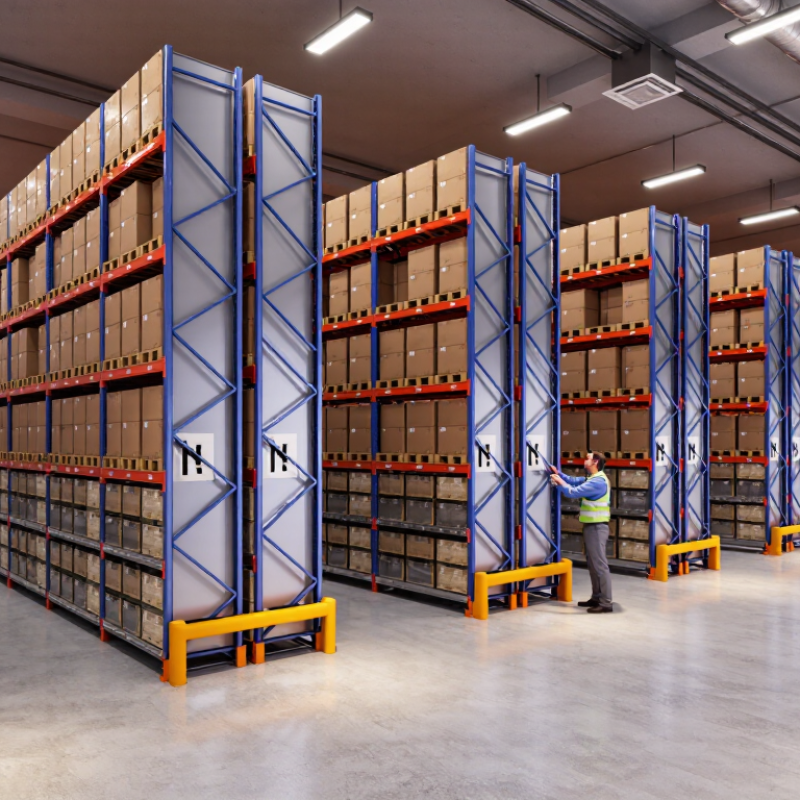
Mobile shelving is storage equipment built on movable bases. Operators open one aisle at a time, while the remaining units stay closely packed. Hand wheels, chain systems, or electric motors move each carriage along floor rails. This design removes many permanent aisles and uses the same floor area more efficiently. That sounds simple. In practice, rail alignment, floor strength, and load distribution determine performance.
For global buyers, mobile shelving can support archives, spare parts, tools, and temperature-sensitive inventory rooms. A compact warehouse may gain valuable capacity without expanding its building. However, climate changes matter. Humidity can affect steel surfaces, while dust may increase maintenance around moving parts. Buyers should compare load ratings, control systems, emergency stops, access clearances, and corrosion protection. A capable manufacturer should provide drawings, installation guidance, testing records, and replacement-part support.
Site conditions deserve careful attention. A system designed for a smooth concrete floor may perform poorly on an uneven surface. Local building, fire, accessibility, and electrical requirements can also differ between countries. Independent inspections are worthwhile before ordering large quantities. Field evaluations often reveal small problems, such as handles placed too high or aisle lights creating shadows. These details seem minor, but they influence daily safety and picking speed. Mobile shelving is efficient, yet it is not automatically the right answer for every facility.
An anonymous comparison of common mobile shelving manufacturing capabilities, system configurations, and global storage applications.
| Rank | Anonymous Manufacturer Profile | Primary Mobile Shelving Type | Drive Configuration | Typical Load Range per Shelf | Best-Fit Storage Environment | Space-Saving Potential | Global Buyer Considerations |
|---|---|---|---|---|---|---|---|
| 1 | Profile A — Heavy-duty modular specialist | High-density pallet and industrial shelving | Electric chain or geared drive | 300–1,000 kg | Warehouses, parts centers, industrial archives | Up to approximately 80% compared with fixed-aisle layouts | Verify floor loading, safety sensors, and local electrical standards |
| 2 | Profile B — Archive and records specialist | Closed-base archive mobile shelving | Manual handwheel or mechanical assist | 60–150 kg | Libraries, public archives, legal records rooms | Often 40–60% floor-area reduction | Consider document protection, anti-tip design, and access control |
| 3 | Profile C — Healthcare storage specialist | Medical file and supply mobile shelving | Electric push-button drive | 80–250 kg | Hospitals, clinics, laboratories, pharmacies | Approximately 30–50% space recovery | Prioritize hygiene, emergency release, accessibility, and fire-code compliance |
| 4 | Profile D — Retail and commercial storage specialist | Adjustable gondola and carton mobile shelving | Manual or low-voltage electric drive | 50–200 kg | Back rooms, stockrooms, wholesalers | Typically 25–45% more usable capacity | Check modular accessories, aisle width, and replenishment workflow |
| 5 | Profile E — Museum and conservation specialist | Compact collection and artifact shelving | Manual handwheel or assisted movement | 50–180 kg | Museums, galleries, cultural institutions | Around 40–60% storage-density improvement | Specify vibration control, powder coating, climate compatibility, and security |
| 6 | Profile F — Apparel and textile storage specialist | Garment rail and textile mobile storage | Manual or motorized rail system | 40–120 kg | Fashion warehouses, uniform rooms, dry-cleaning facilities | Approximately 30–50% floor-space saving | Evaluate hanging clearance, airflow, garment protection, and trolley compatibility |
| 7 | Profile G — Automotive parts specialist | Heavy-duty bin, drawer, and component shelving | Electric chain drive with programmable controls | 150–500 kg | Automotive workshops, distributors, manufacturing plants | Often 35–60% capacity improvement | Confirm drawer strength, labeling options, ergonomics, and inventory integration |
| 8 | Profile H — Secure government storage specialist | Lockable high-density filing system | Electric drive with user authentication | 80–250 kg | Courts, ministries, police departments, secure offices | Approximately 40–60% area reduction | Review audit trails, locking, fire protection, and data-security requirements |
| 9 | Profile I — Cleanroom and laboratory specialist | Corrosion-resistant mobile shelving | Low-voltage electric or manual drive | 50–200 kg | Laboratories, pharmaceutical facilities, controlled environments | Usually 25–50% additional storage capacity | Specify stainless steel, cleanable surfaces, grounding, and contamination control |
| 10 | Profile J — Export-oriented modular specialist | Configurable multi-purpose mobile shelving | Manual, mechanical assist, or electric drive | 60–300 kg | Offices, archives, retail, education, and mixed-use facilities | Approximately 30–60% space recovery | Check export packaging, installation support, spare parts, certifications, and warranty coverage |
Note: Capacity ranges and space-saving figures are typical planning ranges for comparable mobile shelving configurations. Actual performance depends on shelf dimensions, load distribution, ceiling height, aisle design, floor conditions, safety systems, and applicable local regulations.
Top 10 Mobile Shelving Manufacturers for Global Buyers
Choosing a mobile shelving manufacturer requires more than comparing catalog prices. Inspect the steel thickness, frame alignment, weld quality, and surface coating. Ask for load-test records, safety certifications, and production inspection reports. A reliable manufacturer should explain capacity limits clearly. They should also provide drawings, installation guidance, replacement parts, and responsive technical support. Request a production sample before placing a large order. Open the sample carefully. Check for sharp edges, uneven paint, loose bearings, and awkward handle movement. These small details often predict daily maintenance problems. A polished catalog can still hide weak engineering.
Tips: Visit the factory, if possible. Review recent customer references. Test a loaded section. Confirm delivery terms. Do not trust vague guarantees.
The drive system deserves careful attention. Manual units should move smoothly without excessive force. Electric models need emergency stops, overload protection, and stable control panels. Check aisle spacing against real boxes, archive files, or tools. Measure the floor level too. Uneven flooring can reduce movement and increase wear. Manufacturers should calculate this risk before production, not after installation. Their answers should be specific, documented, and easy to verify. However, no evaluation is perfect. Even strong suppliers may overlook packaging damage or installation delays. Add these risks to the contract, and require photographs during final inspection. Reliability is built through evidence, not confident promises.
A useful review of the top ten mobile shelving manufacturers should begin with market focus, not glossy catalog claims. Some manufacturers serve archives, where compact storage, quiet movement, and stable humidity matter. Others target warehouses, using heavier rails, pallet-compatible decks, and faster access cycles. Healthcare suppliers usually prioritize cleanable surfaces, controlled access, and dependable load labeling. Retail-focused producers often emphasize narrow aisles, modular bays, and quick seasonal reconfiguration. These differences reveal capability more clearly than a broad product range.
Manufacturers serving offices and libraries tend to refine ergonomics, anti-tip protection, and smooth handwheel or powered operation. Industrial specialists may offer reinforced frames, floor anchoring, seismic considerations, and inventory software integration. Cold-storage projects demand corrosion resistance and materials that remain reliable during temperature changes. Archive projects need tighter tolerances and long-term parts support. Ask for load tests, rail drawings, warranty terms, installation records, and service response times. Real evidence matters.
In my comparison work, installation quality repeatedly affects performance. A well-built carriage can still bind on an uneven floor. Site conditions matter. Buyers should inspect aisle clearance, emergency release access, noise levels, and manual effort at full load. Energy use also deserves a measured review, especially for powered systems. No manufacturer fits every market. Some specifications remain unclear until site conditions are tested. That uncertainty should shape the final shortlist, rather than disappear behind polished photography.
For global buyers, comparing ten mobile shelving manufacturers requires more than reviewing photographs. Design should match load, aisle width, floor strength, and retrieval speed. Manual, electric, and hybrid systems serve different facilities. Electric units may improve access, yet they need sensors, emergency stops, and trained maintenance. Ask for drawings showing panel thickness, rail layout, anti-tip protection, and usable shelf dimensions. Small details matter. A polished image cannot prove smooth movement after five years.
Certification evidence should be specific and current. Request an ISO 9001 certificate, test reports, and declarations required for the destination market. CE documentation may apply to certain electrical equipment, while local building and fire rules still need review. For seismic regions, ask whether anchoring and load calculations cover the installation site. Do not accept copied certificates with unclear scopes or expired dates. That mistake is common. Independent inspection before shipment can expose weak welds, missing labels, or unsafe packaging.
Pricing comparisons become fair only when quotations share the same specifications. Separate costs for cabinets, rails, controls, installation, software, freight, insurance, and taxes. A low initial price can hide expensive site work or unavailable spare parts. Request a production schedule, export packing photos, customs documents, and clear Incoterms. Reliable suppliers provide remote commissioning, usable English manuals, replacement-part lists, and responsive warranty support. Still, service promises need measurable response times. I would test one sample bay before approving a large order. It slows procurement. It may prevent a costly redesign.
Choosing a mobile shelving supplier requires more than comparing catalog prices. Global buyers should begin with the storage problem. Measure aisle width, ceiling height, floor strength, and expected load per shelf. A system holding archive boxes needs different rails from one storing tools or spare parts. Ask for layout drawings before accepting a quotation. A useful supplier explains clearances, anchoring, drive options, and emergency access in practical terms. Vague answers are a warning sign.
Technical evidence matters. Request load calculations, material specifications, test records, and installation instructions. Check whether the supplier follows recognized safety and quality systems relevant to your market. Factory experience also shows in weld consistency, smooth carriage movement, and protective finishing. When possible, inspect a production site or arrange a live video review. Speak with comparable customers, not only supplied references. Their feedback can reveal delivery delays, difficult spare-part orders, or weak after-sales support.
International purchasing adds risk. Confirm packaging standards, shipping responsibility, import documents, warranty terms, and response times across time zones. Price should include installation, training, maintenance, and replacement components. A lower quote may become expensive after one damaged rail. No supplier is perfect. Record every promise in the contract and request a sample inspection before shipment. The best choice is not always the largest manufacturer. It is the supplier that understands your site, proves its claims, and communicates clearly when a design needs revision.
This supplier-selection scorecard uses a 100-point procurement model. Product quality, safety compliance, and lifecycle cost receive the highest weights because they directly affect operational reliability, user protection, and long-term value. Buyers can adjust the weighting to match their facility type, local regulations, and project requirements.
Mobile shelving uses movable bases that travel along floor rails. Operators open one aisle at a time. The other units remain closely packed. Hand wheels, chains, or electric motors move the carriages.
It removes many permanent aisles from the room. This creates more usable space for archives, tools, spare parts, or sensitive inventory. A compact warehouse may gain capacity without expanding its building. The result depends on accurate planning.
Floor strength, levelness, and load distribution strongly affect movement. An uneven concrete floor can increase rail wear. Humidity may damage steel surfaces over time. Dust can collect around bearings and moving parts. Measure the floor first.
Manual systems may suit lighter loads and lower access frequency. Electric systems can improve access for heavier or busier storage areas. They need emergency stops, overload protection, sensors, and trained maintenance. Hybrid designs may balance cost and convenience. There is no universal choice.
Check steel thickness, frame alignment, weld quality, and surface coating. Inspect bearings, handles, rails, and usable shelf dimensions. Test a loaded section with real boxes or files. Look for sharp edges, loose parts, uneven paint, and awkward movement. Catalogs are not enough.
Request capacity calculations, drawings, load-test records, and inspection reports. Ask for installation guidance, manuals, spare-parts lists, and warranty terms. Certification documents should be current and clearly scoped. Destination-market building, fire, accessibility, and electrical rules still require review. Copied certificates are risky.
Use quotations with identical shelves, rails, controls, installation, and dimensions. Separate freight, insurance, taxes, software, and site-work costs. A low price may exclude installation delays or replacement parts. Confirm delivery terms and export packaging details. Cheap can become expensive.
Independent inspection is worthwhile for large or complex orders. Inspectors may find weak welds, missing labels, damaged packaging, or unsafe clearances. Request photographs during final inspection. Test one sample bay before approving production. It slows procurement. It may prevent redesign.
This guide explores how Mobile Shelving systems maximize storage capacity by using movable carriages, adjustable shelving, and organized layouts for offices, warehouses, archives, libraries, and other facilities. It explains how these systems improve space utilization, accessibility, security, and workflow efficiency while supporting different storage volumes and operating environments. Readers will also learn how to evaluate manufacturers based on structural quality, load capacity, durability, customization options, production control, and after-sales support.
The article compares leading manufacturers according to their market focus, technical capabilities, certifications, pricing models, delivery performance, and export services. It highlights important design choices, including manual or powered operation, safety features, materials, finishes, and integration with facility management needs. For global buyers, the final selection should consider total cost of ownership, compliance with applicable standards, installation requirements, communication efficiency, warranty coverage, spare-part availability, and the supplier’s ability to provide reliable long-term service.

Expandrack