Choosing the right Slatwall Displays is not merely a matter of selecting attractive panels. It is a decision about shopper movement, product visibility, staff efficiency, and long-term store flexibility. A wall may look polished yet perform poorly. That uncomfortable possibility deserves attention.
The U.S. Census Bureau’s 2024 annual e-commerce estimate placed online sales at roughly 16% of total retail sales. Physical stores still carry most retail transactions. Their fixtures therefore need to support discovery, comparison, and confident purchase decisions. NielsenIQ’s 2024 retail insights also emphasize value-conscious shoppers and changing purchase missions. Adjustable displays can respond faster than fixed shelving when product ranges, promotions, or pack sizes change.
Retailers should also consider evidence from the Point of Purchase Advertising International (POPAI) shopper-marketing research. In-store communication influences attention, but visibility alone does not guarantee conversion. Product height, spacing, lighting, signage, and replenishment all matter. A tightly packed hook can create a practical problem: more stock, less clarity. A sparse display can feel premium, but waste valuable selling space.
The right choice depends on the store’s measurable needs. Review wall dimensions, product weight, category turnover, accessibility, and expected fixture changes. Then compare materials, slot spacing, brackets, load capacity, and installation requirements. Expert judgment helps, but simple observation helps too. Watch where shoppers pause. Notice which products need staff assistance.
This guide explains how to evaluate Slatwall Displays with a balanced, evidence-led approach. It does not assume one universal solution. That would be convenient, but probably wrong. A successful display should make products easier to see, easier to reach, and easier to manage every day.
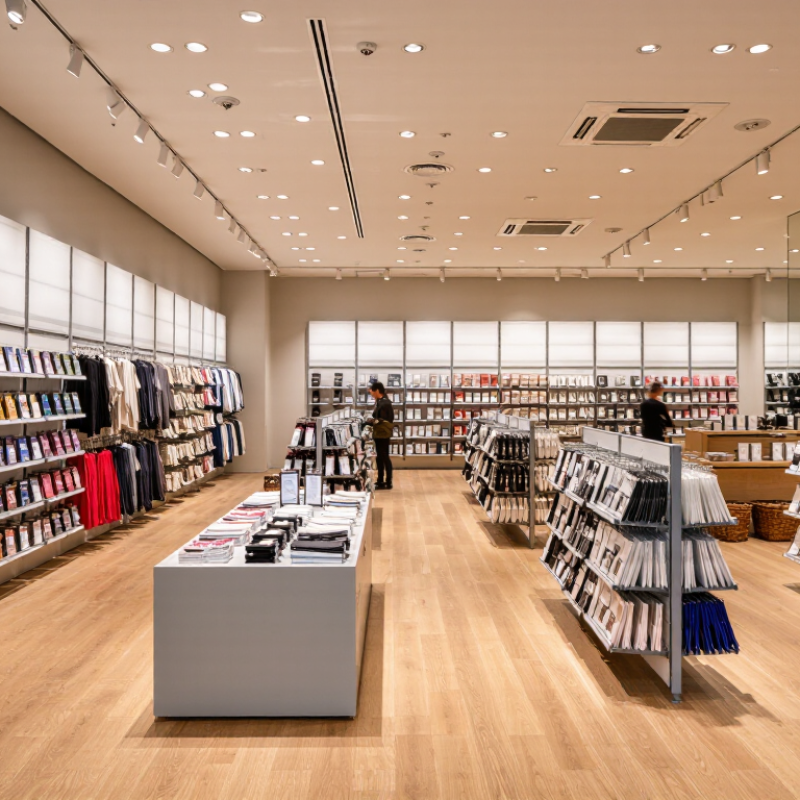
How to Choose the Right Slatwall Displays?
Define Your Display Goals and Product Requirements
Start with the shopper, not the wall. Decide whether the display should encourage discovery, comparison, conversion, or replenishment. POPAI’s Mass Merchant Shopper Engagement Study reported that 82% of purchase decisions occurred in-store. However, that older figure should not become a lazy assumption. Shopper behavior changes with product type, price, and store layout.
In practice, a beautiful slatwall can still fail. My first layouts sometimes looked balanced, yet shoppers missed the featured item. Define each product’s dimensions, weight, packaging shape, and handling frequency. Heavy boxed items need stronger shelves and closer support points. Small accessories may need hooks, dividers, and clearer price communication. PwC’s 2024 Voice of the Consumer Survey found that 69% of consumers worry about rising prices. Therefore, visible pricing and value messages deserve space beside the product, not below it.
Tips: Map the shopper’s hand movement. Place high-demand items between waist and eye level. Leave enough space for easy removal. Test the display with real packaging, not empty samples. Photograph the wall from three customer angles. Then ask a colleague what they notice first. If the answer differs from your goal, revise the layout. Keep it honest. A crowded display may hold more products, but it can reduce attention, accessibility, and trust.
Define the shopper’s goal first: discovery, comparison, purchase, or replenishment. A beautiful wall can still fail. Write down product size, weight, packaging shape, and handling frequency.
Place popular products between waist and eye level. This position supports quick viewing and easier removal. Use lower shelves for heavier merchandise.
Place prices and value messages beside the product. Avoid hiding them underneath or behind packaging. Clear communication matters when shoppers feel price pressure.
Record wall width, height, corners, doors, windows, outlets, and nearby fixtures. Measure twice. Small errors can create large installation problems.
Keep walkways, doors, and access points clear. Leave space for product handling and routine cleaning. A crowded layout may hold more items, but shoppers may struggle.
Drywall, masonry, and wood framing need different installation methods. Check the wall’s load capacity before adding shelves. Use secure fixings and suitable supports.
Mark panel outlines with cardboard or removable tape. Walk through the space from several customer angles. Test with real packaging, not empty samples.
Do not trust a drawing alone. A dense plan may block sightlines or make a corner uncomfortable. I have made that mistake. Revise after testing.
Put heavy boxed products on lower shelves with stronger supports. Place lightweight items higher on the wall. Small accessories may need hooks, dividers, and clearer pricing.
Recheck measurements after flooring, lighting, or nearby furniture changes. Store conditions shift. A flexible plan often performs better than a perfect-looking drawing.
Choosing the right Slatwall Displays starts with clearly defining your display goals, product types, and expected customer experience. Consider whether you need flexible merchandising, high visibility, space efficiency, or a system that can be frequently rearranged. Compare materials such as metal, wood, and composite panels based on appearance, strength, maintenance, and load capacity. Before purchasing, measure the available wall area, ceiling height, traffic flow, and any doors or fixtures that may affect installation. A simple layout plan can help maximize usable space while keeping products accessible.
Next, confirm that the display system is compatible with the shelves, hooks, brackets, baskets, and other accessories you plan to use. Evaluate installation requirements, long-term durability, cleaning needs, and the level of adjustment required over time. Finally, compare the total cost, including accessories, delivery, installation, and future replacements. The best choice balances visual appeal, practical performance, flexibility, safety, and overall value rather than focusing only on the initial purchase price.

 Expandrack