In the complex world of retail, choosing the right merchandising units is crucial for global buyers. John Richards, an expert in retail strategies, emphasizes, "The right merchandising units can transform shopper engagement." This highlights the significant role these units play in influencing consumer behavior and boosting sales.
Merchandising units vary widely, providing diverse options to suit different retail environments. Some units like endcaps showcase products effectively, while gondola displays offer versatile layouts. Choosing the appropriate merchandising units can significantly impact a brand's visibility and sales performance.
Buyers must reflect on their specific market needs when selecting these units. Not every display may fit all products, and some combinations may not resonate with target audiences. It's essential to balance creativity with practicality in merchandising choices. An insightful approach can lead to effective communication through visual displays, ultimately enhancing the shopping experience.
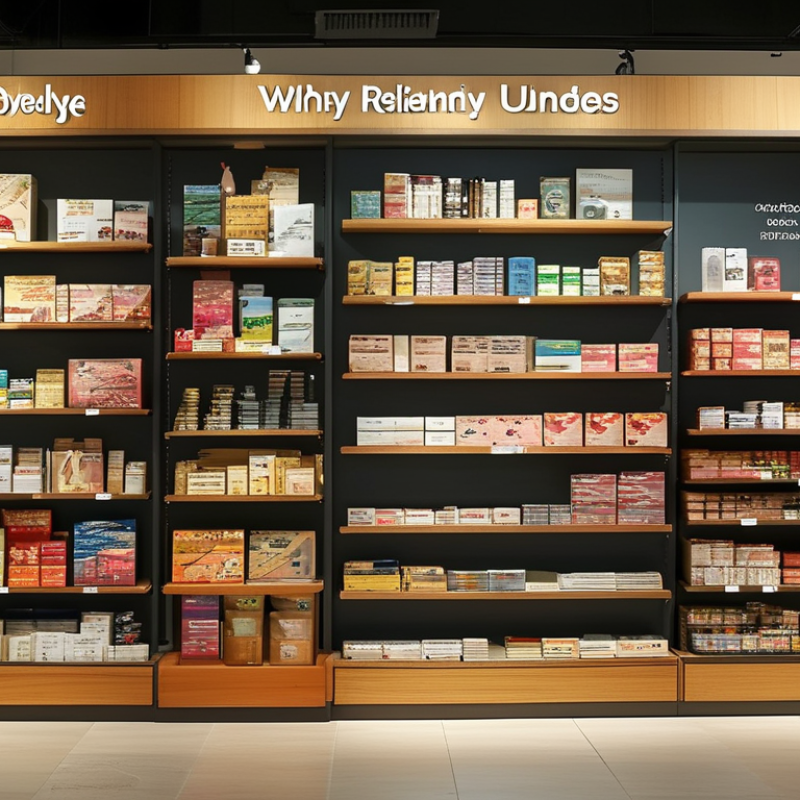
In the global marketplace, identifying the right merchandising units is crucial for maximizing sales. According to recent reports, effective merchandising strategies drive sales growth by 30% or more. Store layout, product placement, and the overall visual appeal significantly influence buyer decisions. However, many brands still struggle with optimizing their merchandising units.
Data from the Retail Trade Association indicates that 80% of shopping decisions are made in-store. This highlights the importance of an engaging merchandising environment. Key units like end caps and point-of-purchase displays capture consumer attention. Yet, even with these units, some brands fail to utilize analytics for performance assessment, leading to missed opportunities.
Moreover, the rise of e-commerce adds complexity to traditional merchandising. A report found that 47% of consumers expect a consistent shopping experience online and offline. Brands must adapt their merchandising strategies to align with digital trends while retaining tactile experiences. Implementing visually appealing units that cater to both online and offline customers remains a challenge that warrants ongoing reflection.
| Merchandising Unit | Description | Key Metrics | Market Trend |
|---|---|---|---|
| Point of Purchase Displays | Attractive retail displays to boost impulse buying. | Sales uplift by 30% when used effectively. | Increasing focus on experiential marketing. |
| Product Bundling | Combining related products to enhance value. | Average 25% increase in average transaction value. | Growing popularity in online sales strategies. |
| Seasonal Promotions | Limited-time offers to encourage purchases. | Sales spikes of up to 50% during key seasons. | Increasing incorporation of social media marketing. |
| Online Exclusive Items | Products available only through online platforms. | Online sales growing by 15% year-over-year. | Increasing investment in e-commerce technologies. |
| Loyalty Programs | Incentives for repeat customers to build brand loyalty. | Members spend 68% more than non-members. | Growing trend towards personalized marketing. |
: Sustainability and innovation play significant roles in shaping consumer preferences.
Local preferences can vary widely, impacting product appeal and success in different regions.
Testing small batches allows sellers to gain insights before making larger commitments.
Misalignment in vision can lead to unsatisfactory results and missed opportunities.
It reduces risk and offers flexibility in sourcing to meet varied market demands.
A balanced approach reaches different shopper types effectively, maximizing potential sales.
Rigorous analysis helps identify gaps and informs better product decisions.
Iterating product designs based on feedback is essential for remaining relevant and competitive.
Regular evaluations are crucial, as past strategies may not yield the same results today.
Collaborating with regional partners can provide valuable insights into local consumer behavior.
The article "What Are the Best Merchandising Units for Global Buyers?" delves into the essential merchandising units that cater to the diverse needs of international markets. It begins by identifying key merchandising units that are crucial for global buyers, acknowledging the importance of aligning these units with prevalent market trends. By evaluating various product categories, the article highlights how consumer preferences can vary significantly across different regions, which necessitates a tailored approach in merchandising strategies.
Furthermore, the piece outlines effective strategies for sourcing and selecting merchandise that resonates with local cultures and buying habits. It emphasizes the importance of establishing robust distribution channels to ensure that the merchandising units reach their intended markets efficiently. Overall, the article serves as a comprehensive guide for global buyers looking to optimize their merchandising units in a highly competitive landscape.

 Expandrack